
 Worksheets
Cellular Respiration
Total questions: 100
Worksheet time: 1hrs 16mins
Energy is produced during cellular respiration and stored in the form of ______.
APT
ATP
TPA
PTA
Which of the following represents the process of cellular respiration?
Glucose + water + oxygen --> carbon dioxide + energy
Carbon dioxide + water + energy --> glucose + oxygen
Glucose + oxygen --> carbon dioxide + water + energy
Glucose + water + carbon dioxide --> oxygen + energy

Where does cellular respiration take place?
Mitochondria
Cell Membrane
Nucleus
Ribosomes
Which of the following is produced during the process of cellular respiration?
Carbon dioxide
Energy (ATP)
Water
All of the above
Which of the following is not an output of cellular respiration?
Glucose and oxygen
Carbon dioxide and water
Carbon dioxide and energy
Water and energy
Which of the following is TRUE?
Only animals undergo cellular respiration.
Only plants undergo cellular respiration.
Both plants and animals undergo cellular respiration.
Neither plants nor animals undergo cellular respiration.

Based on the diagram, which of the following materials does cellular respiration produce that plants use in photosynthesis?
Carbon dioxide and water
Carbon dioxide and energy
Glucose and oxygen
Sunlight, carbon dioxide and water
Why is cellular respiration important to animals?
It produces glucose.
It forms carbon dioxide.
It uses oxygen.
It stores energy in ATP.
Which of the following correctly explains why both plants and animals need to undergo cellular respiration?
Both plants and animal cells need chemical energy to carry out cellular processes.
Plant cells do not need chemical energy for cellular processes and animal cells do.
Plants need to store more chemical energy and animals need chemical energy for cellular processes.
Plant cells already have chemical energy stored in them and animal cells need chemical energy for cellular processes
For respiration to occur, the ____________________ must be present.
Chloroplasts and nucleus
Nucleus and cell membrane
Cell wall and cell membrane
Mitochondria and chloroplasts
What is the process in which plants capture the energy in sunlight and use it to make food? (a)
What is the process in which energy is broken down to release energy? (a)
Plants make their own food called (a)
Where does photosynthesis occur? (a)
Where does cellular respiration take place? (a)
What role does sunlight play in photosynthesis? (a)
What are the inputs (reactants) of photosynthesis? (a)

Cellular Respiration's goal is to (a)
Cellular Respiration involves the chemical breakdown of (a) to form ATP Energy
Which of the following is the best description of the process photosynthesis?
Water, oxygen, and light are inputs while carbon dioxide and glucose are outputs
Water, oxygen, carbon dioxide, and light are inputs and glucose is the output.
Water, carbon dioxide, and light are inputs while oxygen and glucose are outputs.
Glucose, oxygen, and light are inputs while carbon dioxide and water are outputs.
This is given off by plants during photosynthesis as a waste product. (a)
What chemical pigment absorbs sunlight for photosynthesis? (a)
True of False, Plants can perform Cellular Respiration and Photosynthesis (a)
Which of the following is the correct reaction for photosynthesis?
sunlight + carbon dioxide + water --> glucose + oxygen
glucose + oxygen --> carbon dioxide + water + ATP
oxygen + water --> carbon dioxide + glucose
If carbon dioxide is removed from a plant’s environment, what would you expect to happen to its production
of high-energy sugars?
More sugars will be produced.
No sugars will be produced.
The same number of sugars will be produced but without carbon dioxide.
Carbon dioxide does not affect the production of high-energy sugars in plants.


What sugar molecule, produced through photosynthesis, is vital to almost all life?
Glucose
Fructose
Sucrose
Sugar
Photosynthesis requires what organelle to occur?
Mitochondria
Chloroplast
Cytoplasm
Endoplasmic Reticulum
Cellular Respiration requires what organelle to occur?
Mitochondria
Chloroplast
Cytoplasm
Endoplasmic Reticulum
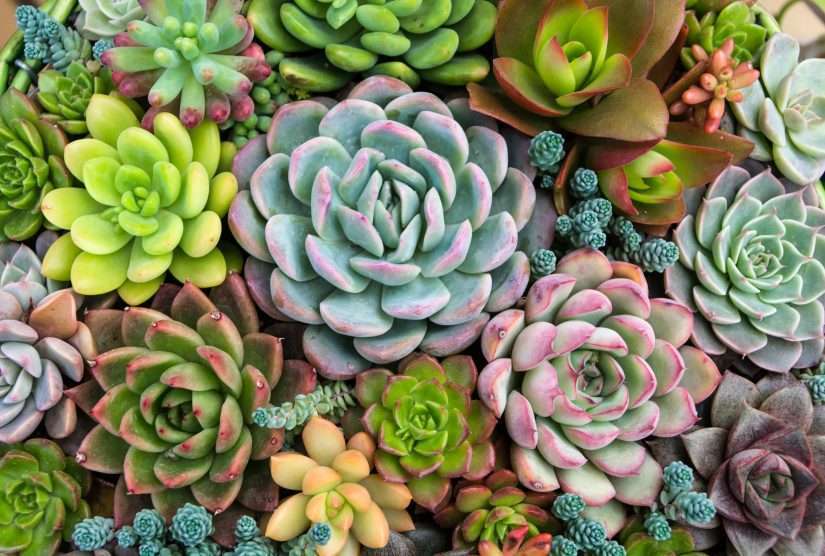
In regards to how they obtain energy, these organisms are what?
Autotrophs
Heterotrophs
Plants
Photophilic
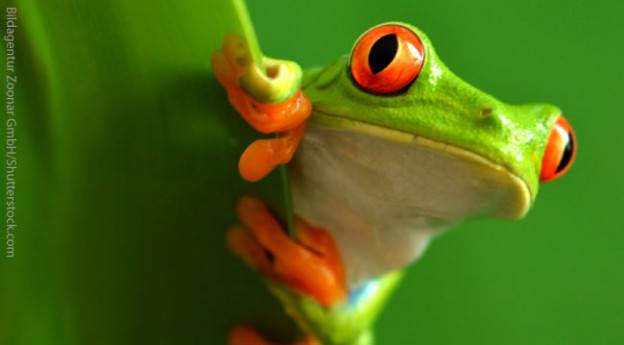
In regards to how it obtains energy, this frog is what?
Autotrophic
Heterotrophic
Animal
Cellular Respiration
Almost every food chain/web on planet Earth can be traced back to a ____________ or an ____________.
Plant
Animal
Algae
Chloroplast

What process does this represent?
Photosynthesis
Cellular Respiration
Mitochondria
Chloroplast

What process does this represent?
Photosynthesis
Cellular Respiration
Mitochondria
Chloroplast

What is missing from the equation? Choose the best answer.
Carbon Dioxide (6CO2)
Methane
Mitochondria
Water

What is missing from the equation? Choose the best answer.
Water (6H2O)
ATP
Dihydrogen Monoxide
Mitochondria

What is missing from the equation? Choose the best answer.
Sugar
Sucrose
Chloroplast
Glucose (C6H12O6)

What is missing from the equation? Choose the best answer.
Oxygen (6O2)
Nitrogen
Air
6O3
What energy molecule, required for many heterotrophs, is created by Cellular Respiration?
ATP
Glucose
Energy
Adenosine Diphosphate
What green pigment is required for photosynthesis to occur?
Chloroplast
Chlorophyll
Carotene
Caratinoid

What organelle is this and what process does it undergo?
Mitochondria/Cellular Respiration
Mitochondria/Photosynthesis
Chloroplast/Cellular Respiration
Chloroplast/Photosynthesis

What organelle is this and what process does it undergo?
Mitochondria/Cellular Respiration
Mitochondria/Photosynthesis
Chloroplast/Cellular Respiration
Chloroplast/Photosynthesis
Photosynthesis requires what to interact with its chloroplasts in order to undergo photosynthesis? Choose the best answer.
Light
Glucose
Starch
Sunlight

The green organelles in this image are filled with what?
Cytoplasm
Chlorophyll
Green Sugar
Sunlight

What is missing from the equation? Choose the best answer.
Fructose
Glucose (C6H12O6)
Sugar
Sucrose

What is missing from the equation? Choose the best answer.
Nitrogen
Glucose (C6H12O6)
Oxygen (6O2)
ATP

What is missing from the equation? Choose the best answer.
Nitrogen
Glucose (C6H12O6)
Carbon Dioxide (6CO2)
Carbon Monoxide

What is missing from the equation? Choose the best answer.
Liquid
Glucose (C6H12O6)
Water (6H2O)
Carbon Monoxide

What is missing from the equation? Choose the best answer.
Adenosine Diphosphate
Glucose (C6H12O6)
ATP
Carbon Monoxide
What is needed for cellular respiration to occur?
oxygen only
glucose only
carbon dioxide
sunlight
oxygen and glucose

What are the reactants (taken into) of cellular respiration? (Mark all of them!)
oxygen
glucose
carbon dioxide
water
energy

What are the products (what is released) of cellular respiration? (Mark all of them!)
oxygen
glucose
carbon dioxide
water
ATP (energy)
Which of the following is TRUE?
Only animals undergo cellular respiration.
Only plants undergo cellular respiration.
Both plants and animals undergo cellular respiration.
Neither plants nor animals undergo cellular respiration.

Which process provides humans with the glucose needed for cellular respiration?
digestion
fermentation
photosynthesis
breathing

What gas is used from the air during cellular respiration?
oxygen
carbon dioxide
water
glucose
Both ___ are leftover as waste products after cellular respiration.
water & carbon dioxide
oxygen & glucose
carbon dioxide & oxygen
water & oxygen
True or False: Cellular Respiration is a chemical reaction.
True
False
What two things are needed for cellular respiration to happen in a cell?
glucose & oxygen
water & carbon dioxide
oxygen & carbon dioxide
glucose & water
Cellular Respiration involves the chemical breakdown of _____ to form ATP Energy
Fats
Fructose
Glucose
Proteins
___ is the process that cells use to take energy from glucose.
cellular respiration
photosynthesis
transpiration
excretion
Where do animals get the glucose that is needed for cellular respiration?
from the exercise they get
from the water they drink
from the food they eat
from the sunlight they get
What is needed for cellular respiration to occur?
oxygen only
glucose only
carbon dioxide
sunlight
oxygen and glucose
What are the reactants (taken into) of cellular respiration? (Mark all of them!)
oxygen
glucose
carbon dioxide
water
energy
What are the products (what is released) of cellular respiration? (Mark all of them!)
oxygen
glucose
carbon dioxide
water
ATP (energy)
Which of the following is TRUE?
Only animals undergo cellular respiration.
Only plants undergo cellular respiration.
Both plants and animals undergo cellular respiration.
Neither plants nor animals undergo cellular respiration.
Which process provides humans with the glucose needed for cellular respiration?
digestion
fermentation
photosynthesis
breathing
What gas is used from the air during cellular respiration?
oxygen
carbon dioxide
water
glucose
Both ___ are leftover as waste products after cellular respiration.
water & carbon dioxide
oxygen & glucose
carbon dioxide & oxygen
water & oxygen
True or False: Cellular Respiration is a chemical reaction.
True
False
What two things are needed for cellular respiration to happen in a cell?
glucose & oxygen
water & carbon dioxide
oxygen & carbon dioxide
glucose & water
Cellular Respiration involves the chemical breakdown of _____ to form ATP Energy
Fats
Fructose
Glucose
Proteins
___ is the process that cells use to take energy from glucose.
cellular respiration
photosynthesis
transpiration
excretion
Where do animals get the glucose that is needed for cellular respiration?
from the exercise they get
from the water they drink
from the food they eat
from the sunlight they get
The reactants of photosynthesis are
sugar and water
sugar and oxygen
carbon dioxide and water
carbon dioxide and oxygen
Which statement about photosynthesis is correct?
Plants get the energy they need for photosynthesis from water.
Plants get the energy they need for photosynthesis from soil.
Plants get the energy they need for photosynthesis from sunlight.
Plants do not require energy to perform photosynthesis.
What are the products of photosynthesis?
carbon dioxide and water
carbon dioxide and oxygen
glucose and oxygen
glucose and water
Which of the following is the correct equation for PHOTOSYNTHESIS?
6CO2 + 6H2O → 6O2 + C6H12O6
6CO2 + C6H12O6 + 6H2O → O2
6O2 +6H2O → 6CO2 +C6H12O6
C6H12O6 + 6O2 → 6H2O + 6CO2
Which gas is removed from the atmosphere during photosynthesis?
hydrogen
oxygen
nitrogen
carbon dioxide
What gas is released by plants during photosynthesis?
nitrogen
carbon dioxide
oxygen
hydrogen
What is the purpose of photosynthesis?
make glucose
make ATP
make light
release carbon dioxide
What is one of the reactants of cellular respiration?
energy
glucose
carbon dioxide
water
What are the reactants in the equation for cellular respiration?
oxygen and lactic acid
carbon dioxide and water
glucose and oxygen
water and glucose
What is the correct equation for cellular respiration?
6O2 + C6H12O6 → 6CO2 + 6H2O + Energy
6O2 + C6H12O6 + Energy → 6CO2 + 6H2O
6CO2 + 6H2O → 6O2 + C6H12O6 + Energy
6CO2 + 6H2O + Energy → 6O2 + C6H12O6
Does the following definition describe photosynthesis or cellular respiration?
"The process by which plants capture energy from the sun and use it to make food"
photosynthesis
cellular respiration
Does the following definition describe photosynthesis or cellular respiration?
"The process by which cells obtain energy from glucose"
photosynthesis
cellular respiration
Does the following equation refer to photosynthesis or cellular respiration? glucose + oxygen --> carbon dioxide + water + energy
photosynthesis
cellular respiration

