
 Worksheets
Biology Final REview
Total questions: 86
Worksheet time: 57mins
What are the reactants in cell respiration?
water, carbon dioxide, light
oxygen, sugar
sugar, water, carbon dioxide
What is the energy that is produced in cell respiration?
ADP
Sugar
ATP
Where does Kreb's Cycle occur?
mitochondria inner membrane
mitochondria matrix
cytoplasm
Which process will always occur no matter what?
E.T.C.
Kreb's Cycle
Glycolysis
Your body needs energy, there is enough oxygen present so after glycolysis it goes to...
lactic acid fermentation
Kreb's Cycle
E.T.C.
E.T.C. occurs where?
mitochondria matrix
mitochondria inner membrane
cytoplasm
Aerobic means
without oxygen
with oxygen
without effort
Anaerobic means
with oxygen
without oxygen
to run for a long time
Billy is sprinting the 40 yard dash, what pathway would he take?
aerobic
anaerobic
Billy then heads to the pool for a long 200 meter swim for a cool down. What pathway did he take then?
aerobic
anaerobic
How many ATP are produced in Kreb's Cycle?
32
2
34
If you wanted to produce more energy, what pathway would you choose?
aerobic
anaerobic
What are the products of cell respiration?
water, light, and sugar
water, carbon dioxide, ATP
oxygen, water, sugar
Photosynthesis _________ the energy that cell respiration ______.
builds ; breaks
breaks ; build
eats ; builds
Carbon dioxide levels will _______ during exercise.
increase
decrease
see no change
Why would oxygen levels decrease during aerobic respiration?
oxygen is being used for energy
photosynthesis is releasing oxygen
oxygen shouldn't decrease, it should increase
The CO2 you breathe out comes out of which process?
Glycolysis
lactic acid fermentation
Kreb's Cycle
Plants can only go through photosynthesis not respiration.
True
False
What product(s) coming out of photosynthesis can straight to mitochondria for energy?
carbon dioxide and sugar
sugar and oxygen
water and light
Where does anaerobic respiration occur?
mitochondria matrix
mitochondria inner membrane
cytoplasm
How much ATP is required to power glycolysis?
1
2
4
34
Which stage of respiration is water formed?
Kreb Cycle
Glycolysis
ETC
Calvin Cycle


The genotype for a yellow plant is...


A gene is
a section of DNA
a chemical found in the nucleus of cells
contains instructions for building a protein
all of the above
Human gametes contain how many chromosomes?
46
23
12
28
In which phase does crossing-over happen?
Prophase I
Prophase II
Metaphase I
Anaphase II

What phase is this?
Prophase I
Metaphase II
Anaphase I
Telophase II

What phase is this?
Telophase I
Prophase II
Metaphase I
Anaphase II

What phase is this?
Metaphase I
Prophase II
Telophase I
Anaphase II

What phase is this?
Metaphase II
Prophase II
Telophase I
Anaphase I

What phase is this?
Metaphase II
Prophase I
Telophase I
Anaphase I

In humans, the haploid number of chromosomes is ____.
23
46
69
92
Which of the following is the best definition for MEIOSIS?
the process of two haploid cells uniting
the counting of chromosomes within a diploid cell
a two-step process that reduces the number of chromosomes in half such that there is only one copy of all the chromosomes
the equational division of a cell into two identical copies

In which stage of MEIOSIS does crossing over occur? (The exchange of genetic material between chromosomes in a tetrad.)
Anaphase I
Metaphase I
Prophase I
Telophase I
In Metaphase I, tetrads line up along the _______.
mitotic spindle
centrosomes
equatorial plane
contractile ring
In Anaphase I, the _________ are separated by the pulling of the spindle fibers to opposite poles of the cell.
homologous pairs of chromosomes
sister chromatids
centromeres
centrosomes
How many cells are formed at the end of Meiosis II?
2
3
4
8
Any trait or behavior that increases an organism's likelihood of survival
Mutation
Adaptation
Allele
Fitness
in a population where organisms that are better adapted for the environment are more likely to survive nature's forces than those varieties that are not well suited for the environment
Natural Selection
Speciation
fitness
adaptation
any change in the DNA sequence; produces new adaptations in a population
convergent evolution
allele
divergent evolution
mutation
the ability of an organism to survive and reproduce fertile offspring
Adaptation
Fitness
Evolution
Speciation
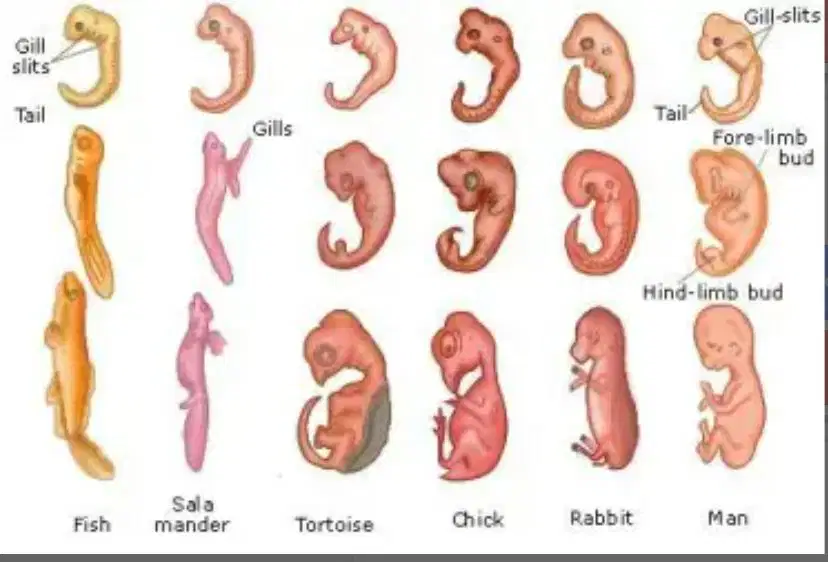
comparing the similarities in embryonic development in organisms with the idea that the more similar development occurs between two species the more closely related they have
common ancestory
fossil record
artificial selection
fitness
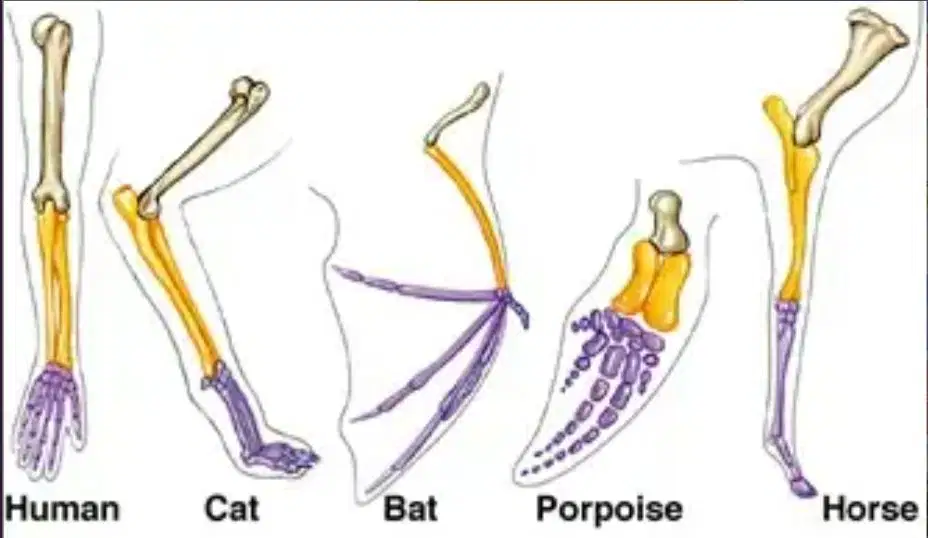
comparing similarities in body structure to show evolutionary relationship
homologous structures
adaptation
analogous structures
vestigial structures
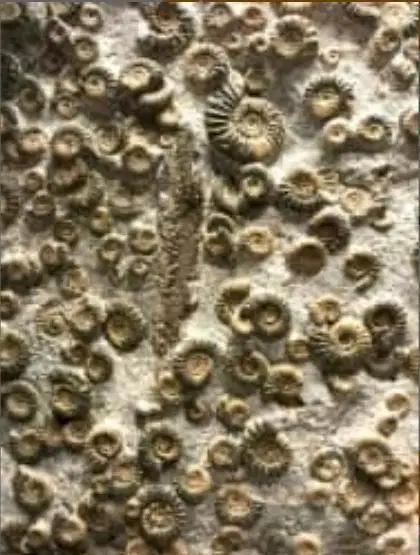
using the remains of living organisms to document evolutionary relationship
analogous structures
bichemistry
comparative anatomy
fossil record
process of creating a new species
coevolution
synthesis
isolation
speciation
Members of a population that are morphologically (physically) similar and can reproduce to make fertile offspring.
adaptation
species
coevolution
selective breeding
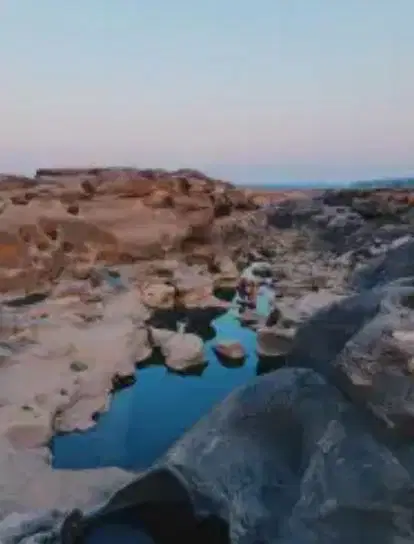
isolation of a population based on a physical barrier where two different populations occupy different habitats and therefore will not cross paths to mate
geographic isolation
behavioral isolation
temporal isolation
stabilizing isolation
a structure that several species share because they all share a common ancestor; evidence of divergent evolution
fossil record
analogous structure
vestigial structure
homologous structure
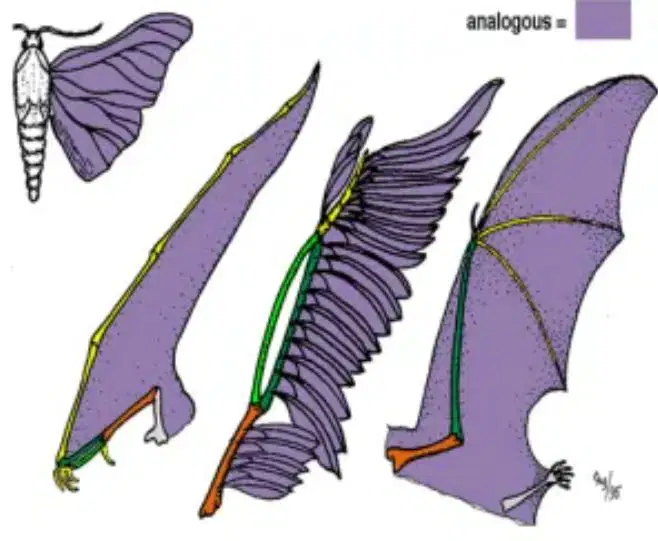
when organisms have different body parts but are able to perform the same type of function
homologous structure
analogous structure
vestigial structures
mutation
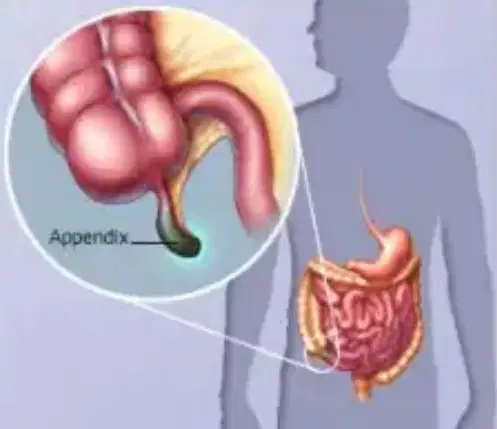
a structure that no longer serves a function necessary for survival; an evolutionist would argue that it is left over from our evolutionary past - that the common ancestor of the species needed that structure for survival
analogous structure
homologous structure
vestigial structure
adaptation
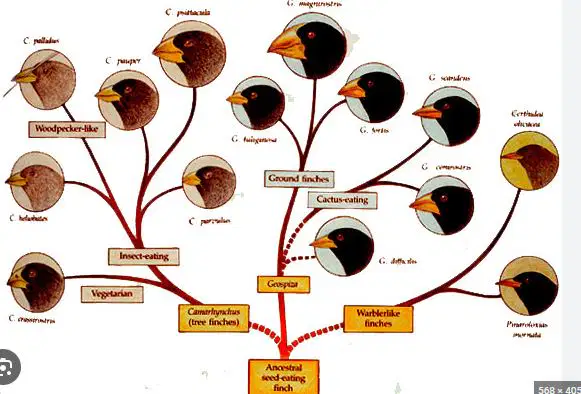
when two or more species sharing a common ancestor become more different over time
directional selection
convergent evolution
divergent evolution
coevolution
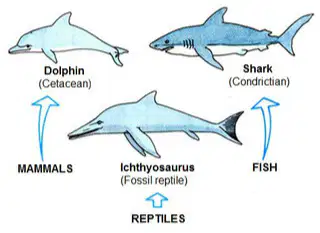
Process by which unrelated organisms independently evolve similarities when adapting to similar environments
survival of the fittest
convergent evolution
divergent evolution
coevolution
Process by which individuals that are better suited to their environment survive and reproduce most successfully
speciation
artificial selection
natural selection
mutations
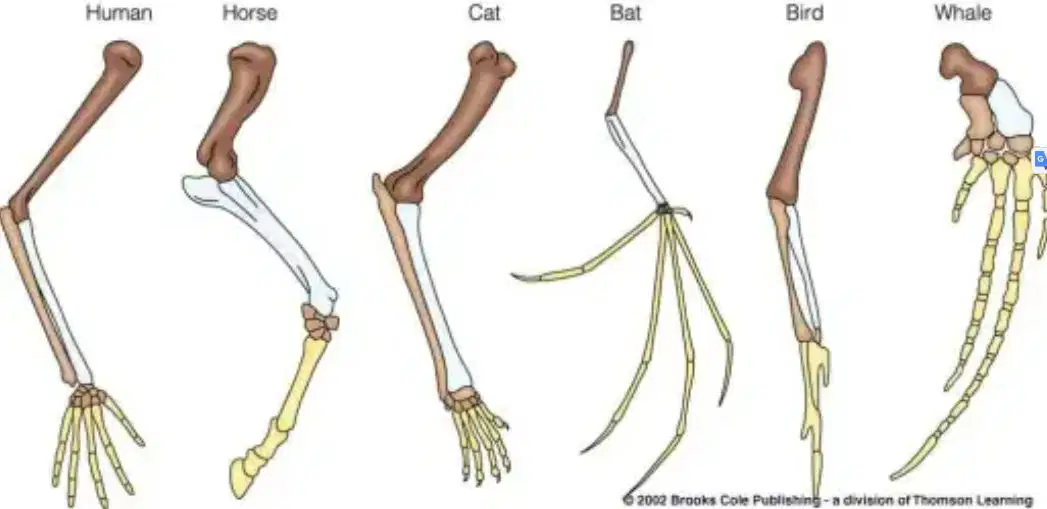
Which describes a homologous structure?
Same structure with a different function
Different structure with the same function
Structure lost its function

What is a vestigial structure?
Same structure with a different function
Different structure with the same function
Structure lost its function
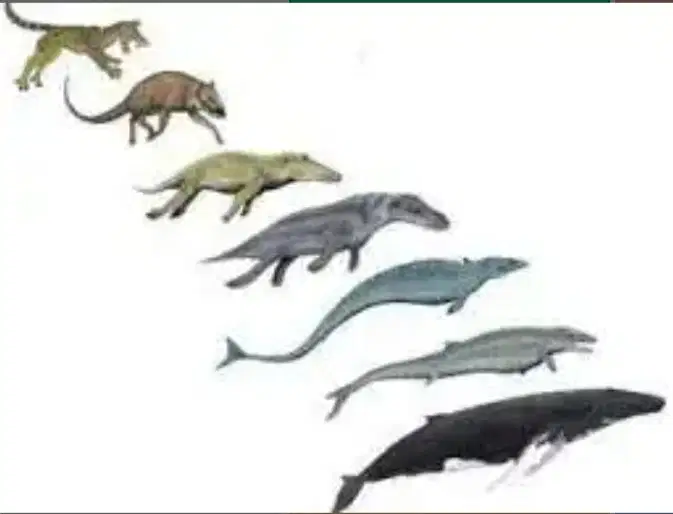
The biological definition of evolution:
An organism turning into something
Classifying organism
Change in a population over time
Change in an individual over its lifetime
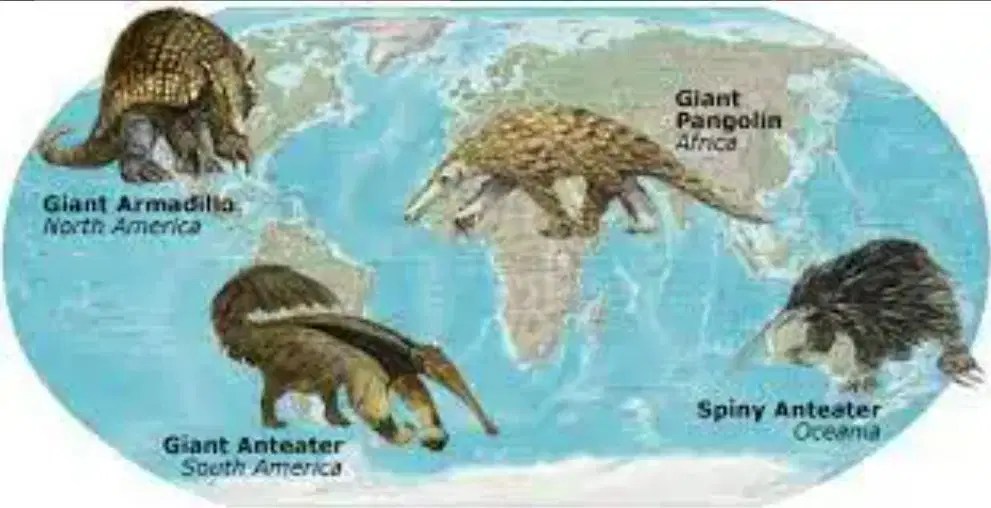
Which evidence of evolution refers to the location of organisms in respect to their relatives?
Geographic distribution
Homologous Structures
Fossil Record
DNA similarities
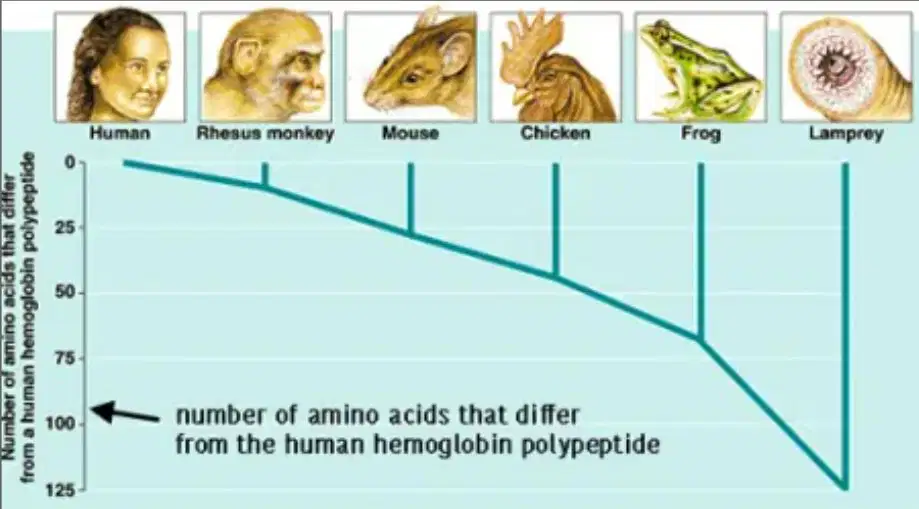
Which evidence of evolution refers to similarities in the DNA and sequencing of amino acids?
Geographic Distribution
Homologous Structures
Comparative Morphology
Genetic Evidence
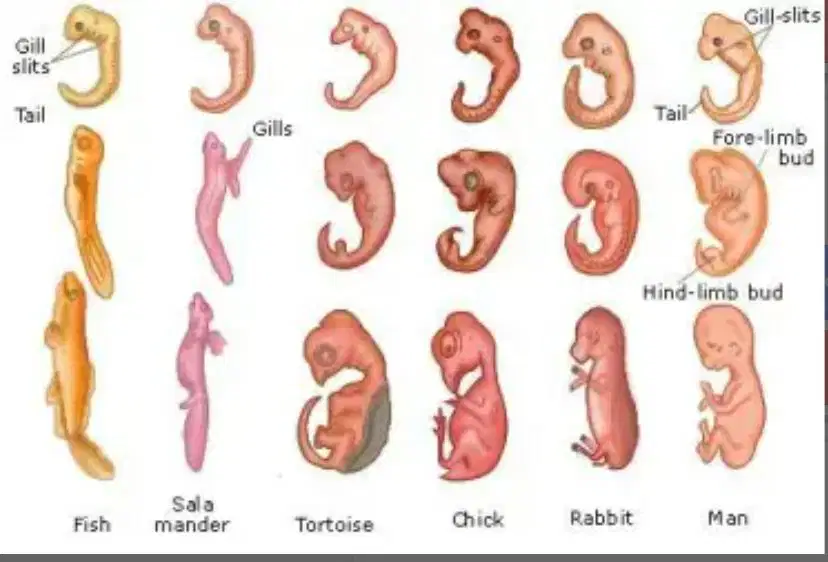
What evidence of evolution is this?
Fossil Record
Embryology
DNA Similarities
Geographic Distribution
Who is the scientist that is credited with the theory of evolution by natural selection?
Gregor Mendel
Charles Darwin
Carolus Linnaeus
Watson and Crick
A characteristic or a trait that allows an organism to survive better is a/an -
Acquired trait
Dominant Trait
Adaptation
Recessive Trait
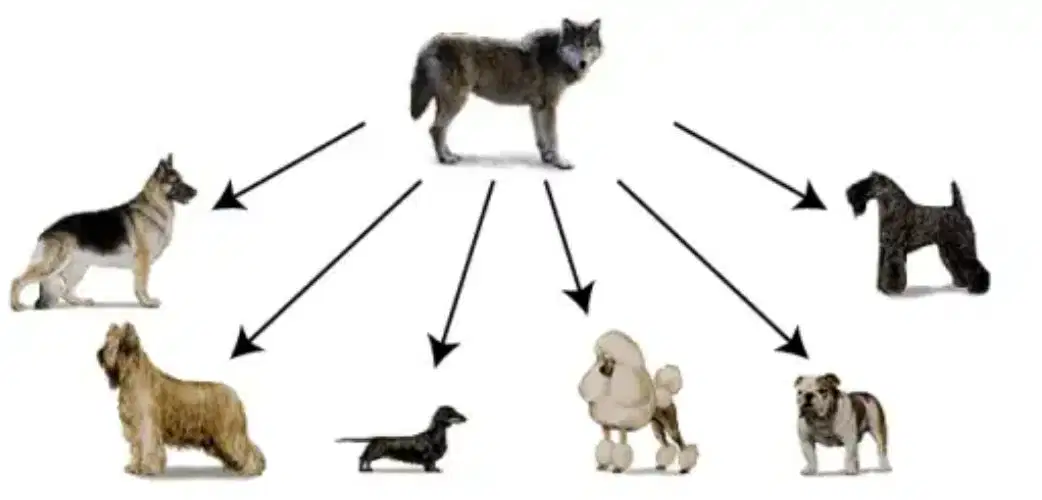
Which explains the following image?
Natural Selection
Random Breeding
Artificial Selection
Survival of the fittest
What makes an organism more fit?
Ability to camouflage
Ability to catch more prey
Ability to survive and reproduce more
Ability to run fast and jump high
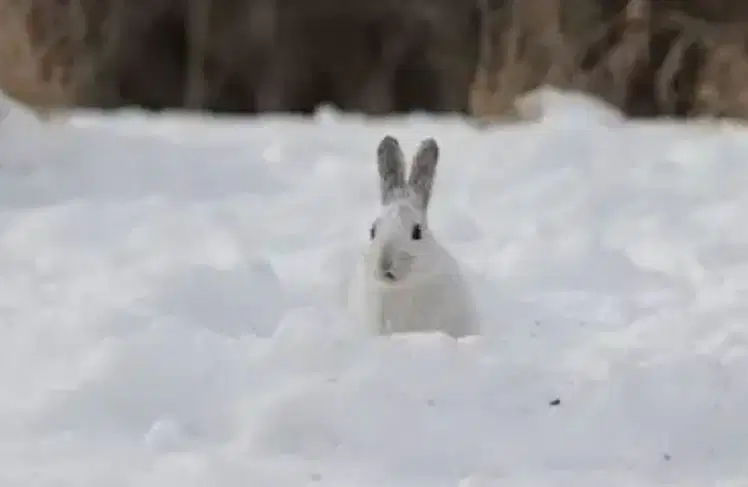
What adaptation allows the Snow Rabbit to survive in this environment?
Sharp Teeth
Sharp Claws
Camouflage
Telepathy
Genetic Variation can be caused by..
Sexual Reproduction and Mutation
Binary Fission and Asexual Reproduction
Asexual Reproduction
Cloning
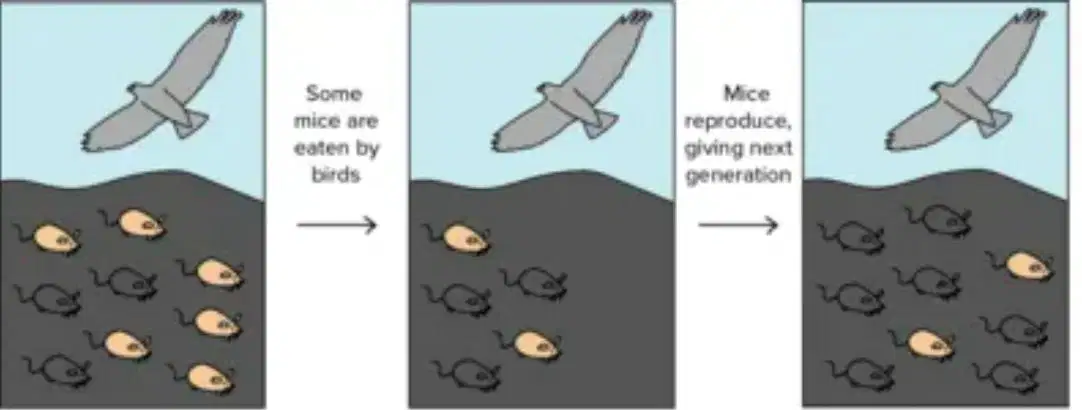
Why is the mouse population changing over time?
The light colored mice can reproduce more successfully than the dark mice
The hawk eats more dark mice than light mice because they taste better
The hawk eats more light colored mice because they can see them more easily than the dark ones
The hawk eats more dark mice because they can see them more easily
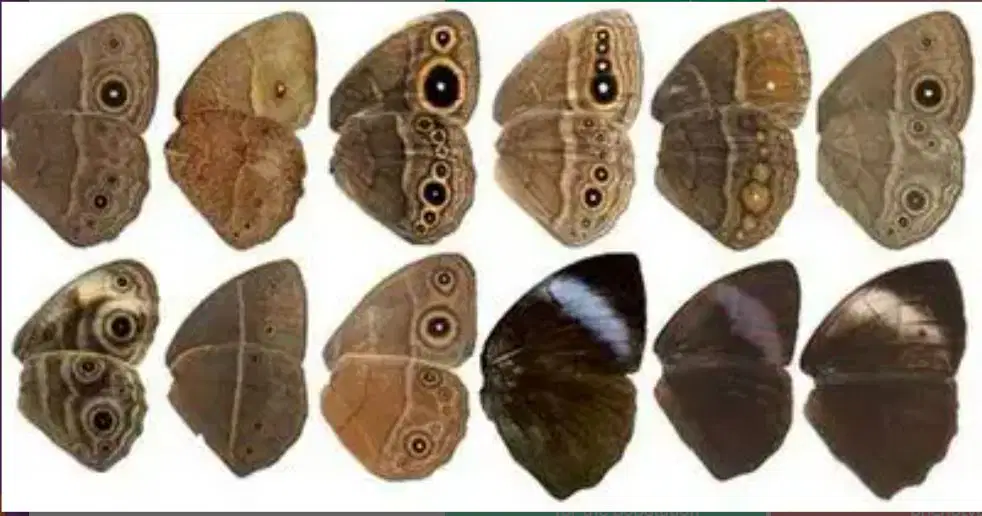
These moths are all the same species. The differences between their wings is an example of ________________
Natural Selection
variation
homeostasis
extinction

