
 Worksheets
Weekly assessment
Total questions: 114
Worksheet time: 2hrs 47mins
What type of molecule is an enzyme?

The diagram shows the structure of something called a triglyceride. A triglyceride is a

If the yellow and blue circles in this diagram represent amino acids, then this whole structure represents
a protein
a fat
a reducing sugar
a simple carbohydrate
None of these
Select the TRUE statement below
Glucose and Lactose are complex carbohydrates
Glucose and Glycogen are simple carbohydrates
Glycogen and Lactose are complex carbohydrates
Glucose and Lactose are simple carbohydrates
Which biological molecules contains the elements carbon, hydrogen and oxygen?
Which of the following biological molecules contains the element nitrogen?
Which of the following statements about starch and glycogen is correct?
Starch is found in plant cells and glycogen is found in animal cells. They are used directly for respiration.
Starch is found in animal cells and glycogen is found in plant cells. They are used directly for respiration.
Starch is found in plant cells and glycogen is found in animal cells. They are storage carbohydrates.
Starch is found in animal cells and glycogen is found in plant cells. They are storage carbohydrates.

Label the picture in order:
phosphate ; sugar ; base
phosphate ; base ; sugar
base ; sugar ; phosphate
base ; phosphate ; sugar
What type of molecule contains amino acids?

The image shows a color change from blue to purple. This indicates that _____ is present
Protein
Fat
Simple sugars
Vitamin C
Negative feedback returns BACK to the set point
False
True

This graph shows an example of...
Blood sugar regulation
Homeostasis
Negative feedback
Positive feedback
A response is
your body's reaction to change
The change in the environment
what happens
The ability to maintain body temperature within a certain range is ...
thermodynamics
thermoregulation
thermostat
thermometer
Identify the STIMULUS.
Scenario: A person begins to exercise which causes their body temperature to increase. The temperature change is noticed and the person begins to sweat and their body temperature decreases.
temperature change is noticed
person begins to sweat
body temperature decreases
person begins to exercise
Ionic bonds are between...
nonmetals and nonmetals
carbon and oxygen
metals and nonmentals
hydrogen and chlorine
Covalent bonds are between...
two or more nonmetals
sodium and chlorine
metals and metals
metals and nonmetals
The elements in group 4A have how many valence electrons?
1
2
3
4
What kind of bond is formed when a sodium and chlorine bond..
Covalent Bond
Ionic Bond
Metallic Bond
Treasury Bond
Chemical bond is ...
the physical mixing of two different atoms.
the force that holds two atoms together
the energy used up when two atoms combined.
the temperature that changes the phase of matter.
What kind of bond is formed when carbon and hydrogen bond..
Covalent Bond
Ionic Bond
Metallic Bond
Treasury Bond
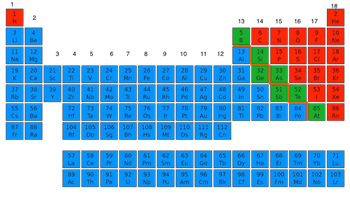
When atoms bond it is called a ___________________ because they make a new substance.
chemical reaction
physical reaction



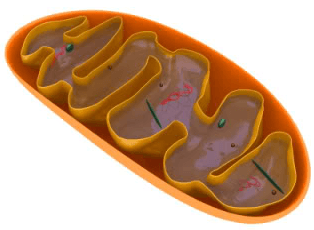
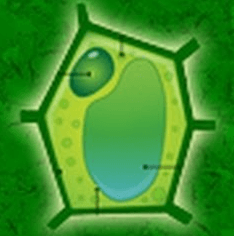

What is a biological molecule?
A carbon containing compound found in living organisms
A nitrogen containing compound found in fertilisers
A gas that causes acid rain
A cell organelle
Which chemical is used to test for the presence of lipids?
Ethanol
Biuret
Benedicts
Iodine
Which of the following biochemical tests must be heated?
Benedict's - simple sugar
Biuret - protein
Ethanol - lipids
Iodine - starch
Which monomer makes up lipids?
Which chemical is used to test for the presence of starch?
Ethanol
Biuret
Benedicts
Iodine
Which type of biological molecule is haemoglobin?
Carbohydrate
Protein
Lipid
Which biological molecule can be tested for using Benedict's solution?
Protein
Starch
Glucose
Lipid
Which test chemical is matched to the correct positive test colour?
Ethanol - white emulsion
Benedict's - purple
Iodine - orange-red
Biuret - blue-black
What colour are both biuret and Benedict's solutions?
A producer
Eats grass
Makes its own food
Does not need food(energy)
Is a primary consumer
A primary consumer
makes its own food
eats other animals
is a carnivore
consumes the producer
An animal that only feeds on plants is called
Vegetarian
Herbivore
Carnivore
Vegan
A secondary consumer
Only eats meat
Only eats plants
makes its own food
eats the primary consumer
Carnivores
Animals that feeds on flesh and plants
An animal that doesn't like meat
An animal that feeds on flesh
A human
The first trophic level is
Carnivore
Producer
Primary Consumer
Herbivore
tertiary consumers
Eat the primary consumer
Eat plants and animals
Consume the producer
eat the secondary consumer
How much energy is moved from one trophic level to the next trophic level?
100%
1/2
10%
25%
A food chain shows ___ feeding relationship(s)
2
multiple
1
all
a primary consumer is always a
omnivore
carnivore
omnivore or herbivore
herbivore
a producer always
eats other producers
gets energy from the sun
is a herbivore
is a plant
Which trophic level makes its own food?
producer
carnivore
herbivore
animals
A large community of organisms in a certain area is
a trophic level
an ecosystem
a family
consumers
A food chain shows more feeding relationships than a food web
true
false
What's an example of a producer?
(a)
What's is an abiotic factor?
a living thing
a non-iving thing
a producer
What's an exampe of a decomposer?
Where do producers get their energy from?
A carnivore eats plants and animals
True
False
Humans are
carnivores
omnivores
herbivores
primary consumers
How many calories will be passed on from 250 to the next trophic level?
2,500
25
2.5
10%
A producer makes its own food.
True
False
Which animal is an omnivore?
Bear
Horse
Shark
Lion
A producer
Eats grass
Makes its own food
Does not need food(energy)
Is a primary consumer
A primary consumer
makes its own food
eats other animals
is a carnivore
consumes the producer
An animal that only feeds on plants is called
Vegetarian
Herbivore
Carnivore
Vegan
A secondary consumer
Only eats meat
Only eats plants
makes its own food
eats the primary consumer
Carnivores
Animals that feeds on flesh and plants
An animal that doesn't like meat
An animal that feeds on flesh
A human
The first trophic level is
Carnivore
Producer
Primary Consumer
Herbivore
tertiary consumers
Eat the primary consumer
Eat plants and animals
Consume the producer
eat the secondary consumer
How much energy is moved from one trophic level to the next trophic level?
A food chain shows ___ feeding relationship(s)
2
multiple
1
all
a primary consumer is always a
omnivore
carnivore
omnivore or herbivore
herbivore
Which trophic level makes its own food?
A large community of organisms in a certain area is
a trophic level
an ecosystem
a family
consumers
What's an example of a producer?
(a)
What's is an abiotic factor?
What's an exampe of a decomposer?
Where do producers get their energy from?
Which animal is an omnivore?
Which of the following equations represents the overall chemical reaction for photosynthesis?
6O2+ 6H2O → C6H12O6+ 6O2
C6H12O6 + 6H2O→ 6O2+ 6O2
6CO2+ 6H2O→ C6H12O6+ 6O2
6O2 + 6H2O→ C6H12O6 + 6CO2
Temperatures that are too high can slow photosynthesis because
stomata stay open
enzymes are ruined
there is not enough CO2
there is too much water
Red and blue light support the highest rates of photosynthesis because …
Chlorophylls absorb light of these wavelengths more than other wavelengths.
These are the only wavelengths that carotenoids cannot absorb.
Light of these wavelengths have the highest energy in the visible spectrum.
Light of these wavelengths activate the ATP synthase enzyme.
The rate of photosynthesis can be influenced by...
Temperature
Carbon dioxide levels
Light intensity
Oxygen concentration
In what organelle of plant cells does photosynthesis occur?
mitochondria
centrioles
chloroplast
ribosomes

The openings that are found in the leaves of plants are called:
Stomata
Chlorophyll
Xylem
Chloroplast



