
 Worksheets
Biology Review: the cell
Total questions: 51
Worksheet time: 29mins
Which of the following converts food into energy for the cell?
vacuole
mitochondria
cytoplasm
cell membrane
a protective layer that surrounds a cell or organelle the controls what may enter or leave
cell
nucleus
cell membrane
cytoplasm
Structures in cells that perform specific functions and are found in all Eukaryotic cells and some Prokaryotic cells.
cell
organelle
cell membrane
cytoplasm
The _____________ holds the DNA, and controls the functions of eukaryotic cells.
Nucleus
Nuclear Membrane
Mitochondria
Chloroplast
This cell part is in ALL cells. It is the gel-like fluid that fills empty space in the cell.
Chloroplasts
Cell membrane
Cytoplasm
Nucleus

A Tree
alive
not alive

A River
alive
not alive
Genes are made of the molecule ______________________.
hydrogen
DNA
oxygen
chromosome
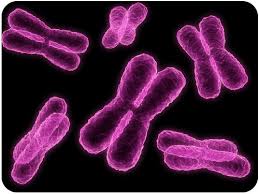
A normal human cell contains how many chromosomes?
16
26
46
14
_______ are the smallest units of life because they grow, reproduce, respond, and use energy.
atoms
elements
cells
all of the above
Where are proteins made?
Golgi Body
Ribosomes
Chromosomes
Mitochondria

What organelle helps with cell digestion?
lysosomes
golgi complex
ribosomes
endoplasmic reticulum

What is the function of the nucleus?
Structure that organizes motion of chromosomes
Membrane that surrounds and protects the cell
Structure that stores genetic information and directs the cell
Stack of membranes that packages chemicals
Match the following organelles
Nucleus
Contains the codes & information for protein synthesis
Rough ER
Transports the proteins
Golgi
Packages the proteins
Mitochodrion
Supplies ATP to all organelles
Ribosomes
Synthesizes the proteins

The organelle that helps the cell maintain its shape and is also involved in movement:
Mitochondrion
Lysosome
Cytoskeleton
Cell Membrane

The organelle that organizes cell division:
Nucleus
Centrioles
Cytoskeleton
Ribosome
Which answer best describes what the cell membrane is made of?
Phospholipids
Proteins
Nitrogen
Glycogen
What is the function of the golgi? The "warehouse" of the cell.
package, sort, and store proteins
synthesize proteins
intracellular digestion
ATP production
Which organelle hugs the nucleus and has ribosomes attached to it?
Rough ER
Cell Wall
Mitochondria
Smooth ER
The head of a phospholipid is attracted to water, and is referred to as:
Hydroscopic
Hydrogenated
hydrophobic
Hydrophilic

Which organelle is found inside the nucleus and produces ribosomes
Nucleolus
Cell Membrane
Lysosome
Golgi Bodies

What is a fun way to remember what lysosomes do?
I clean things up!
Make something sweet
The control center
Tin of information

Chromatin is
tiny strands inside the nucleus that contain the instructions for directing the cell's function
found inside the nucleus
needed to make proteins
How many vacuoles does a PLANT cell have?
1
2
3
4+
Condensed Chromatin
Nucleaus
Microfilaments
Chromosomes
Flagella
The cell membrane main purpose is...
Selective Permeability
Energy Production
Locomotive
Looking good
How many characteristics of life must an organism exhibit to be considered a living thing?
All of them
Some of them
At least three
At least one.
Biology
the study of life
an organism that makes its own energy (self-nourishment)
anything that is NOT living and never was living
the "brain" in the center of eukaryotic cells
Biology is best defined as the study of;
The human body
Living organisms
The environment
Botany
A plant growing towards a light source is an example of which of the following?
attracting a mate
destroying infectious germs
responding to a stimuli
obtaining moisture from the air
when some molecules can cross the membrane while others cannot.
In a lipid bilayer, ___________ fatty acid tails face each other within the bilayer and form a region that excludes water.
A. Hypotonic
B. Hypertonic
C. Hydrophilic
D. Hydrophobic
Long whip-like extensions from the cell
Ribosomes
Microvilli
Flagellum
Cilia

What is E?
cell wall
cell membrane
cilia
flagella
any living thing
mitochondria
chloroplasts
organism
traits
Where is DNA found?
nucleus
endoplasmic reticulum
cytoplasm
golgi body


