wayground logo

Free Printable Worksheets

Font size

S
M
L
XL
Worksheets

Enzyme & Biomolecules Test Retake

Total questions: 85

Worksheet time: 7hrs 5mins

Name
Class
Date
1.

Which of the following biomolecules typically contains both nitrogen and phosphate?

a)

Lipid

b)

Protein

c)

Nucleic acid

d)

Carbohydrate

2.

Enzymes are an example of

a)

Lipids

b)

Carbohydrate

c)

Protein

d)

Nucleic Acid

3.
What is the purpose  of an enzyme?
a)
give permission for the reaction
b)
raise activation energy
c)
speed up reactions
d)
control how many reactions occur
4.
Enzymes are capable of increasing the rate of a chemical reaction within a living cell.  Enzymes accomplish this through which of the following means?
a)
reducing the number of products   
b)
reducing the activation energy
c)
increasing the temperature of the cell
d)
increasing the concentration of reactants 
5.
What 3 letters do enzymes typically end in?
a)
-ose
b)
-ase
c)
-ese
d)
-tic
6.
An enzyme speeds up a reaction by
a)
lowering the activation energy.
b)
raising the activation energy.
c)
releasing energy.
d)
absorbing energy.
7.
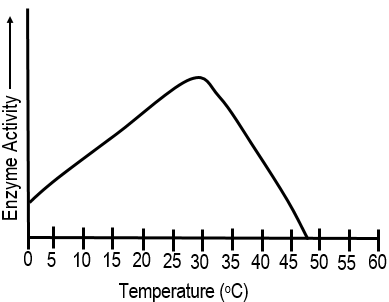
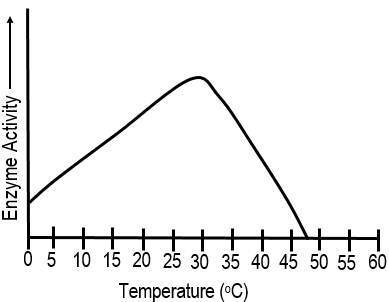
Based on the graph, what is the optimal temperature for this enzyme? 
a)
15oC
b)
40oC
c)
30oC
d)
35oC
8.
Which of these is NOT true?
a)
Enzymes can denature (change shape) when the temperature gets too high.
b)
Enzymes can only be used once in a chemical reaction. 
c)
Extreme pH can denature enzymes.
d)
Enzymes speed up chemical reactions. 
9.

Which of these is most likely an enzyme?  

a)

Sucrose

b)

Galactose

c)

Fructose

d)

Amylase

10.

What is a substance called if it speeds up a chemical reaction?

a)

reusable

b)

catalyst

c)

specific

d)

fragile

11.

Enzyme can be used again and again

a)

True

b)

False

12.

Enzymes are catalyst that speed up chemical reactions

a)

True

b)

False

13.

Enzymes ​ (a)   the rate of chemical reactions by ​ (b)   the amount of activation energy.

Choose from the below words
Increase
lowering
14.

Enzymes are ​ (a)   that ​ (b)   up chemical reactions

Choose from the below words
catalysts
speed
slow
lipids
15.

Enzymes ​ (a)   the activation energy

Choose from the below words
lower
Raise
16.
What is the monomer of a Protein?
a)
Amino Acid 
b)
Fatty acid
c)
Monosaccharide
d)
Nucleotide
17.
Which biomolecule is also known as enzymes?
a)
Carbohydrate
b)
Lipid
c)
Nucleic Acid
d)
Protein
18.
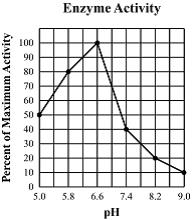
Which of the following conclusions can be drawn from this graph?
a)
The optimum pH of the enzyme is 6.6.
b)
The optimum pH of the enzyme is 5.8
c)
The enzyme’s activity increases as pH increases 5.0 to 9.0
d)
The enzyme’s activity is greater around pH of 8.0 .
19.
What is the primary role of enzymes inside of living cells? 
a)
store genetic information
b)
store energy
c)
they help fight infections
d)
speed up chemical reactions 
20.
Enzymes are able to speed up chemical reactions because they - 
a)
increase the temperature inside the cell
b)
reduce the friction between the reactants
c)
make the raw materials more chemically reactive
d)
lower the activation energy of the reaction
21.
Enzymes are composed of which of the following monomers? 
a)
amino acids
b)
proteins
c)
nucleotides
d)
monosaccharides
22.
The enzyme amylase helps the body breakdown starch in food and functions optimally at body temperature (37 C). A young child runs a fever of 40C for 24 hours.  Predict the effect this may have on his digestion.
a)
Digestion will increase because starch molecules are colliding faster with the enzyme.
b)
Digestion will increase because enzyme activity improves at higher temperature.
c)
Digestion will decrease because starch molecules are colliding faster with the enzyme.
d)
Digestion will decrease because the shape of the enzyme is altered past optimal temperature.
23.
Sucrase has an optimum temperature of 37 C and an optimum pH of 6.2. What would happen if the pH changed to 3?
a)
Sucrase would continue to work the same
b)
The reaction sucrase catalyzes would speed up
c)
The reaction sucrase catalyzes would slow down
24.

What happens when enzymes are cooled down?

a)

The enzymes die

b)
The shapes of the enzyme are altered or denatured
c)

The enzyme slows down

d)

The active site is altered

25.
Based on the graph, what temperature does this enzyme work best? 
a)
15 C
b)
40 C
c)
30 C
d)
47 C
26.
What is a substance called if it speeds up a chemical reaction?
a)
reusable
b)
catalyst
c)
specific
d)
fragile
27.
With what 3 letters do enzymes typically end?
a)
-ose
b)
-ase
c)
-ese
d)
-tic
28.
An enzyme speeds up a reaction by
a)
lowering the activation energy.
b)
raising the activation energy.
c)
releasing energy.
d)
absorbing energy.
29.
The molecule an enzyme is working on is called the:
a)
Substrate
b)
Solvent
c)
Allosteric Inhibitor
d)
CoEnzyme
30.
Based on the graph, what temperature does this enzyme work best? 
a)
15 C
b)
40 C
c)
30 C
d)
47 C
31.
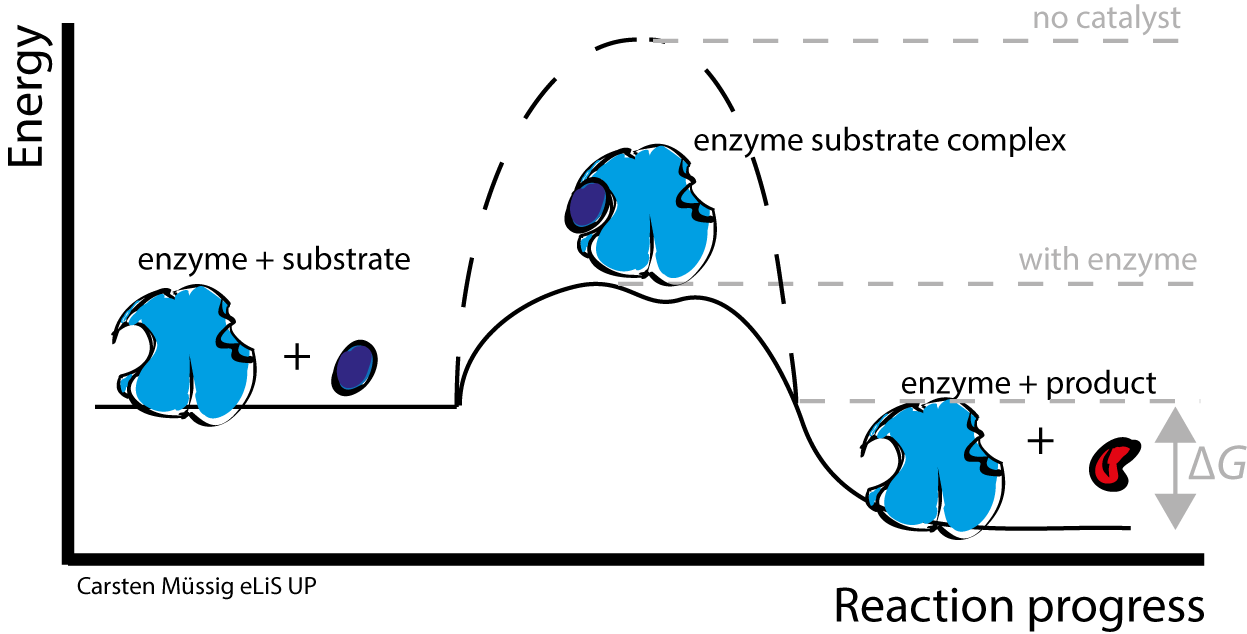
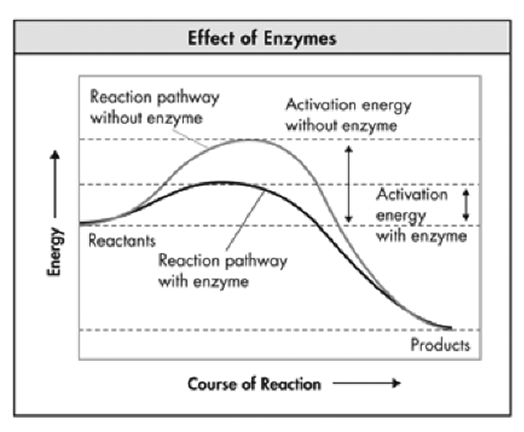
The graph shows how enzymes affect reactions in cells. Which statement best summarizes the information shown in the graph?
a)
Enzymes increase the energy of the reactants.
b)
Enzymes decrease the energy level of the products.
c)
Enzyme decrease the activation energy of the reaction.
d)
Enzymes reverse the direction of the reaction.
32.
What is the function of an enzyme?
a)
enzymes break themselves into small pieces
b)
enzymes slow down chemical reactions
c)
enzymes speed up chemical reactions
d)
enzymes combine products to form reactants 
33.
Enzymes will make a reaction go _______ and use ______ energy.
a)
faster, less
b)
faster, more
c)
slower, less
d)
slower, more
34.

What are two factors that can affect an enzymes ability to function?

a)

No changing

b)

temperature and pH

c)

night and day

d)

hot and cold

35.
What is the function of an enzyme?
a)
enzymes break themselves into small pieces
b)
enzymes slow down chemical reactions
c)
enzymes speed up chemical reactions
d)
enzymes combine products to form reactants 
36.
Enzymes are capable of increasing the rate of a chemical reaction within a living cell.  Enzymes accomplish this through which of the following means?
a)
reducing the number of products   
b)
reducing the activation energy
c)
increasing the temperature of the cell
d)
increasing the concentration of reactants 
37.
What 3 letters do enzymes typically end in?
a)
-ose
b)
-ase
c)
-ese
d)
-tic
38.

What 3 letters do sugars typically end in?

a)
-ose
b)
-ase
c)
-ese
d)
-tic
39.

What 3 letters do sugars typically end in?

a)
-ose
b)
-ase
c)
-ese
d)
-tic
40.
An enzyme speeds up a reaction by
a)
lowering the activation energy.
b)
raising the activation energy.
c)
releasing energy.
d)
absorbing energy.
41.

What happens to an enzyme when it denatures?

a)

The activation energy of the reaction is doubled.

b)

The activation energy of the reaction is lowered.

c)

It's optimal conditions for temperature of the enzyme are doubled.

d)

The shape of the enzyme molecule is changed.

42.

Which protein helps speed up chemical reactions?

a)

Enzymes

b)

Transport Protein

c)

Antibodies

d)

Collagen

43.

Which of the following elements is NOT found in proteins?

a)

Carbon

b)

Hydrogen

c)

Oxygen

d)

Phosphorus

44.

If you change the shape of an enzyme, will it work the same/properly?

a)

Yes

b)

No

45.

At high temperatures, the rate of enzyme action decreases because the increased heat......

a)

neutralizes the acids and bases in the system

b)

alters the shape of the active site of the enzyme

c)

increases the concentration of the enzyme

d)

changes the pH of the system

46.

Enzymes speed up the rate of chemical reactions by.....

a)

giving you extra oxygen.

b)

absorbing water released when polymers are formed.

c)

lowering the activation energy.

d)

combining with excess hydrogen to form a gas.

47.

Which enzyme would you expect to find in bacteria growing in a hot environment?

a)

Enzyme X

b)

Enzyme Y

48.

Both enzymes will have the same amount of activity at 40 degrees Celsius?

a)

True

b)

False

49.

Which enzyme is active over the largest temperature range?

a)

Enzyme X

b)

Enzyme Y

50.

Which enzyme has an optimum temperature of 40 degrees Celsius?

a)

Enzyme X

b)

Enzyme Y

51.
Question Image

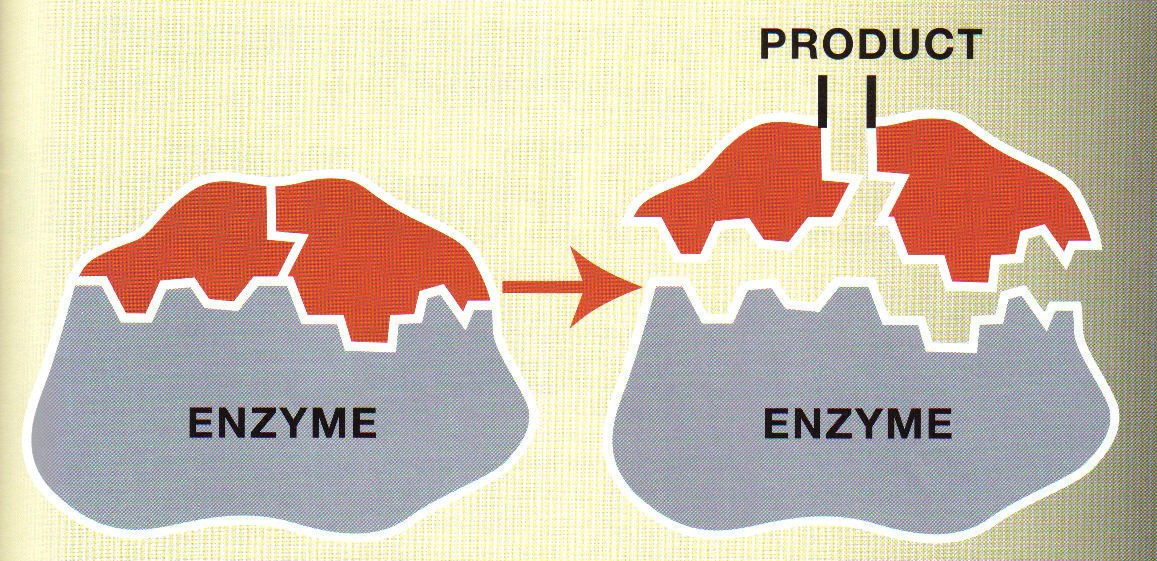
Using the diagram, match the following.

a)

A

1.

Substrate

b)

B

2.

Enzyme

c)

C

3.

Active Site

d)

D

4.

Product

e)

E

5.

Enzyme Substrate Complex

52.

Enzymes are important for the body because

a)

they increase the activation energy needed for a chemical reaction.

b)

keep the activation energy of a chemical reaction at a constant level.

c)

lower the activation energy needed for the chemical reaction.

d)

remove all of the activation energy needed for a chemical reaction.

53.

The optimum pH for this enzyme is approximately

a)

2

b)

3.5

c)

5.5

d)

8

e)

10

54.

A prolonged period of high fever is dangerous to humans because... (choose TWO that apply)

a)

It makes the enzymes work faster

b)

It denatures the enzyme and stops working

c)

It can make the enzyme function better than it did before

d)

It can change the shape of an enzyme so it can not bind to the right substrate

55.
What is the energy needed to start an chemical reaction referred to?
a)
Cascading Energy
b)
Potential Energy 
c)
Kinetic Energy
d)
Activation energy
56.
The enzyme known as ‘catalase’ is involved in the breakdown of hydrogen peroxide molecules into separate water and oxygen molecules. During this reaction, what happens to the ‘catalase’?
a)
The enzyme would become products: O2 and H20
b)
The enzyme would be fully used up and discarded.
c)
The enzyme would remain unchanged in any way.
d)
The enzyme would become a new type of enzyme.
57.
If an enzyme becomes over heated what effect, if any, will the heat have on the enzymatic activity? 
a)
The enzyme will not store much chemical energy.
b)
The enzyme will not be able to catalyze reactions.
c)
The enzyme will lose its net electrical charge.
d)
The enzyme will lose stored genetic information.
58.

What is the function of carbohydrates?

a)

Perform cell's functions/tasks

b)

Fast energy

c)

Energy storage

d)

Alter other biomolecules

e)

Store information for cells

59.

Carbohydrates are primarily made out of...

a)

Carbon

b)

Hydrogen

c)

Oxygen

d)

Nitrogen

e)

Phosphorus

60.

Proteins are primarily made out of... (and sometimes Sulfur)

a)

Carbon

b)

Hydrogen

c)

Oxygen

d)

Nitrogen

e)

Phosphorus

61.

Nucleic acids are primarily made out of...

a)

Carbon

b)

Hydrogen

c)

Oxygen

d)

Nitrogen

e)

Phosphorus

62.

Lipids are primarily made out of...

a)

Carbon

b)

Hydrogen

c)

Oxygen

d)

Nitrogen

e)

Phosphorus

63.

Helicase is an example of a biomolecule that can destroy bonds between DNA strands during DNA replication.


What biomolecule is helicase?

a)

Carbohydrate

b)

Lipid

c)

Protein

d)

Nucleic Acid

64.
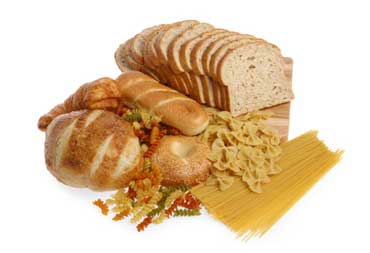
Which biomolecule is found in pasta and bread?
a)
Lipid
b)
Protein
c)
Nucleic Acid
d)
Carbohydrate
65.
Which biomolecule is a main source of quick energy?
a)
Nucleic Acid
b)
Protein
c)
Lipid
d)
Carbohydrate
66.
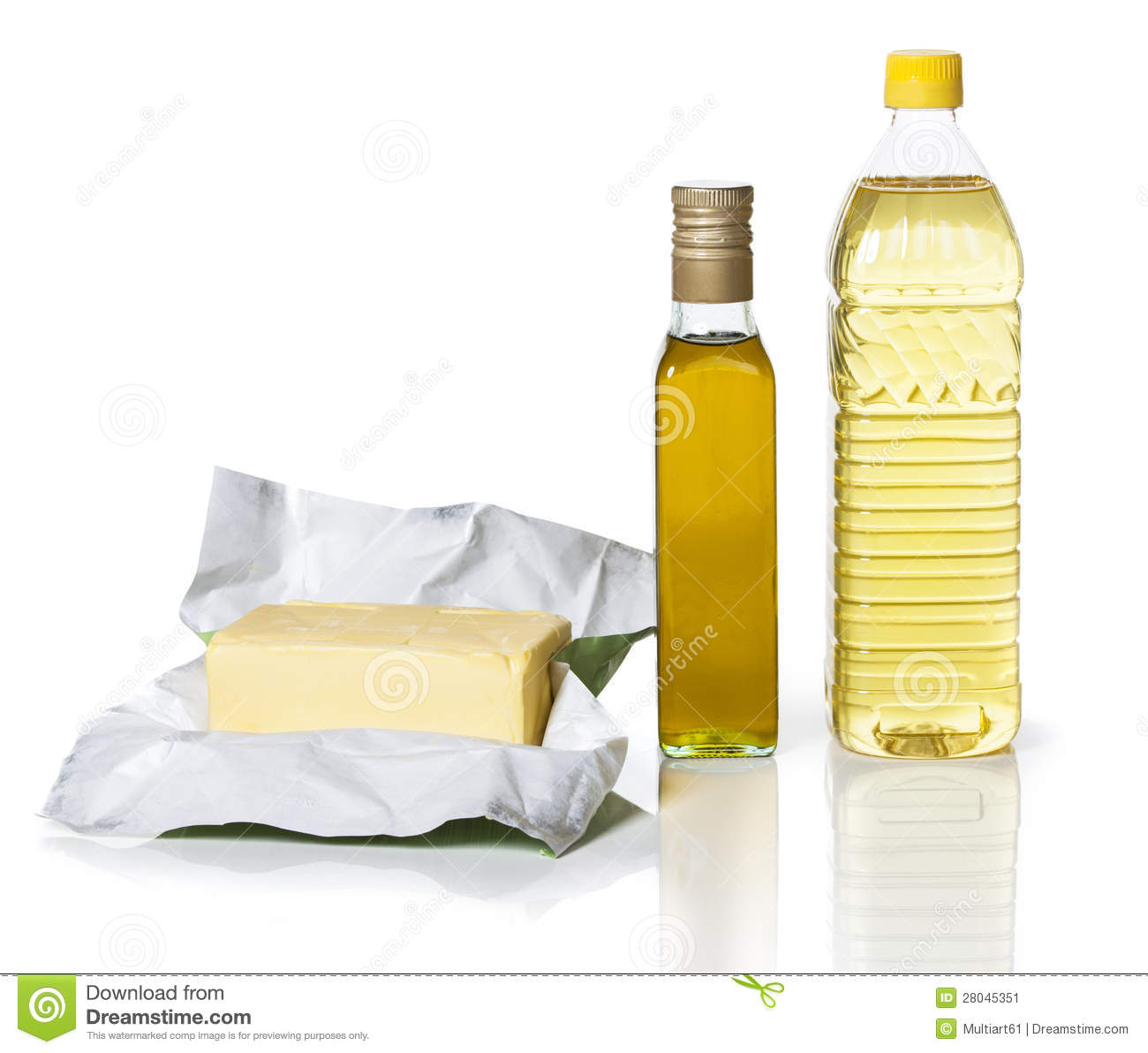
Which biomolecule is found in fats, oils, and waxes and is a source of long-term energy
a)
Proteins
b)
Nucleic Acid
c)
Lipids
d)
Carbohydrate
67.

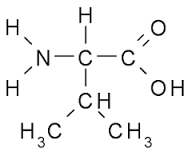
What 3 letters do sugars typically end in?
a)
-ose
b)
-ase
c)
-ese
d)
-tic
68.
Carbon, Hydrogen, Oxygen and Nitrogen are elements in what biomolecule?
a)
Carbohydrate
b)
Lipid
c)
Protein
d)
Nucleic acid
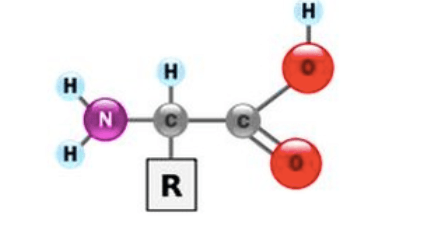
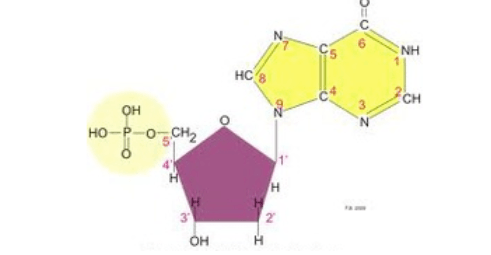
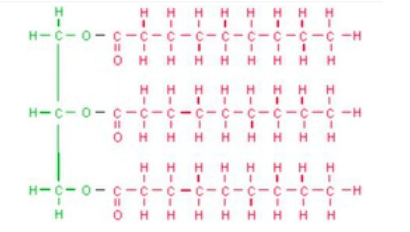
69.
Which biomolecule is this a picture of?
a)
Protein
b)
Nucleic Acid
c)
Lipid
d)
Carbohydrate
70.
Which biomolecule is this a picture of?
a)
Protein
b)
Nucleic Acid
c)
Lipid
d)
Carbohydrate
71.
Which biomolecule is this a picture of?
a)
Protein
b)
Nucleic Acid
c)
Lipid
d)
Carbohydrate
72.
Which biomolecule is made of nucleotides and contain you DNA?
a)
Carbohydrate
b)
Lipids
c)
Protein
d)
Nucleic Acid
73.
Which biomolecule has sugars and starches?
a)
Lipids
b)
Proteins
c)
Carbohydrates
d)
Nucleic Acid
74.
What elements are common to all 4 biomolecules?
a)
Carbon, hydrogen, nitrogen
b)
Carbon, Nitrogen, Phosphorus
c)
Carbon, Hydrogen, Oxygen
d)
Carbon, Hydrogen, Phosphorus
75.
A monomer is ...
a)
a single atom
b)
a building block for polymers
c)
a single element
d)
is an inorganic molecule
76.

Select the biomolecules that contain the elements C,H,O

a)

Lipid

b)

Protein

c)

Carbohydrate

d)

Nucleic acid

77.

Which biomolecules contain the element Nitrogen?

a)

Carb

b)

Protein

c)

Lipid

d)

Nucleic acids

78.

Carbs and lipids are similar because they...

a)

Are a source of energy for living organisms

b)

Help with immune response

c)

build structures such as cellulose and chitin

d)

Contain the same elements (CHO)

79.
Which of the following is NOT a biomolecule?
a)
Water
b)
Nucleic Acid
c)
Protein
d)
Lipid
80.
Which 2 molecules contains the elements C-H-O and function pertains to energy?
a)
Lipids and Protein
b)
Carbohydrates and Nucleic Acids
c)
Protein and Carbohydrates
d)
Carbohydrates and Lipids
81.
What are foods that are high in carbs?
a)
Eggs, fish, poultry
b)
Cheese, meats, vegetables
c)
Bread, potatoes, and pasta
d)
Multitude of oils, butter and condiments
82.
Carbon, Hydrogen, Oxygen and Nitrogen are the elements that make up______?
a)
Carbohydrate
b)
Lipid
c)
Protein
d)
Nucleic acid
83.
What are the four biological molecules?
a)
proteins, carbohydrates, lipids, nucleic acids
b)
A, T, C, G
c)
water, air, earth, and fire
d)
Joe, Nick, and Kevin Jonas
84.

What elements (monomers) make up a protein?

a)

C, H, O

b)

C, H, O, N

c)

C, H, O, N, P

85.

What elements (monomers) make up nucleic acids?

a)

C, H, O

b)

C, H, O, N, (S)

c)

C, H, O, N, P