wayground logo

Free Printable Worksheets

Font size

S
M
L
XL
Worksheets

Geography of Mesopotamia

Total questions: 39

Worksheet time: 20mins

Name
Class
Date
1.
What was a ziggurat in the world of Ancient Mesopotamia?
a)
A large theatre where people performed.
b)
A type of vehicle used for racing
c)
A temple to the local god of the city
d)
A weapon used in war
2.
Where was the ziggurat, or ziggurats, located within a city?
a)
There were numerous ziggurats all around the city.
b)
At the center
c)
No place in particular
d)
There was one at each corner of the city
3.
What did a ziggurat look like?
a)
They all looked very different from each other
b)
Like a pyramid with large steps or levels
c)
It looked like a giant square block
d)
It had a large dome with columns around the outside
4.
What type of material did the Sumerians write on?
a)
Paper
b)
Papyrus
c)
Animal hides
d)
Clay
5.
What was the stylus used for?
a)
To write ink onto the clay
b)
To harden the clay and make the writing permanent
c)
To make wedge-shaped marks in the clay
d)
None of the above
6.
What was the stylus made of?
a)
A stick from a reed plant
b)
Iron
c)
goat hair
d)
Bronze
7.
What was the Code of Hammurabi?
a)
A way of coding secret messages
b)
A type of architecture that allowed for tall pyramids to be constructed
c)
A means of communication using drums
d)
A written set of laws
8.
Who was Hammurabi?
a)
A great scribe who recorded the history of Mesopotamia
b)
The Babylonian god of justice
c)
The first king of the Babylonian Empire
d)
The last prince of the Assyrian Empire
9.
What types of laws were included in the code?
a)
Religious
b)
Business
c)
Laws about slavery
d)
All of the above
10.
Around how many laws were included in the code?
a)
10
b)
12
c)
52
d)
282
11.
What was the punishment for a son who hit his father?
a)
He was spanked three times
b)
He was sent to timeout for 30 minutes
c)
His hands would be cut off
d)
He was thrown off the city walls
e)
12.
True or False: The Code of Hammurabi is important because it tells us a lot about the way the people of Babylon lived
a)
True
b)
False
13.
In which modern-day country is Mesopotamia located?
a)
Greece
b)
Rome
c)
Egypt
d)
Iraq
14.
What does the word Mesopotamia mean in Greek?
a)
The land between the rivers
b)
More than you need
c)
Land of mountains and deserts
15.
What was the large arc of rich, or fertile, farmland called in Mesopotamia?
a)
surplus
b)
division of labor
c)
Fertile Crescent
d)
Land of Plenty
16.
Which two rivers border Mesopotamia?
a)
The Nile and Amazon
b)
The Tigris and Euphrates
c)
The Missouri and Mississippi
17.

What is a patriarchal society

a)
An arrangement in which each worker specializes in a particular task or job
b)

A society controlled by men. Women have very few rights.

c)
having more than is needed
d)
a way of supplying water to an area of land
18.

What is a levee?

a)
An arrangement in which each worker specializes in a particular task or job
b)
having more than is needed
c)

piles of earth between rivers and crops

d)
The Tigris and Euphrates
19.
What is irrigation?
a)
a way of supplying water to an area of land
b)
having more than is needed
c)
An arrangement in which each worker specializes in a particular task or job
d)
a mixture of rich soil and tiny rocks
20.

What is domestication?

a)
a way of supplying water to an area of land
b)
having more than is needed
c)
An arrangement in which each worker specializes in a particular task or job
d)

The process of taming an animal and keeping it as a pet or on a farm.

21.

What is a nomad?

a)
a way of supplying water to an area of land
b)
having more than is needed
c)

A wanderer or hunter gatherer

d)

The process of taming an animal and keeping it as a pet or on a farm.

22.

Define polytheistic

a)

The belief in many gods

b)
having more than is needed
c)

A wanderer or hunter gatherer

d)

The process of taming an animal and keeping it as a pet or on a farm.

23.

What is the next civilization that we will be studying?

a)

Ancient China

b)

Ancient Japan

c)

Ancient Israel

d)

Ancient Egypt

24.

Historians agree that the Hanging Gardens of Babylon were real.

a)

True

b)

False

25.

One major problem caused by the Tigris and Euphrates rivers was:

a)

drought

b)

flooding

c)

hurricanes

d)

earthquakes

26.

What innovation helped Mesopotamians control the flooding of rivers?

a)

aqueducts

b)

bridges

c)

water wells

d)

irrigation systems

27.

What was the climate of Mesopotamia like?

a)

Hot and dry summers, short cool winters

b)

rainy all year around

c)

mild summers, snowy winters

d)

Hot summers, cold winters

28.

Which form of writing was invented by the Mesopotamians?

a)

hieroglyphics

b)

alphabet

c)

pictographs

d)

cuneiform

29.

What was one of the Mesopotamians' achievements

a)

the wheel

b)

the sailboat

c)

the calendar

d)

metal working

e)

all of the above

30.

What type of religion did the Mesopotamians practice?

a)

monotheistic

b)

Buddhist

c)

Judaism

d)

polytheistic

31.

The Mesopotamians believed that their kings got their power from:

a)

military victories

b)

the gods

c)

the people

d)

their ancestors

32.

What was the main occupation of most people in Mesopotamia?

a)

warriors

b)

merchants

c)

farmers

d)

priests

33.

Mesopotamians traded surplus goods with people around:

a)

The Persian Gulf

b)

The Red Sea

c)

The Atlantic

d)

The Caspian Sea

34.

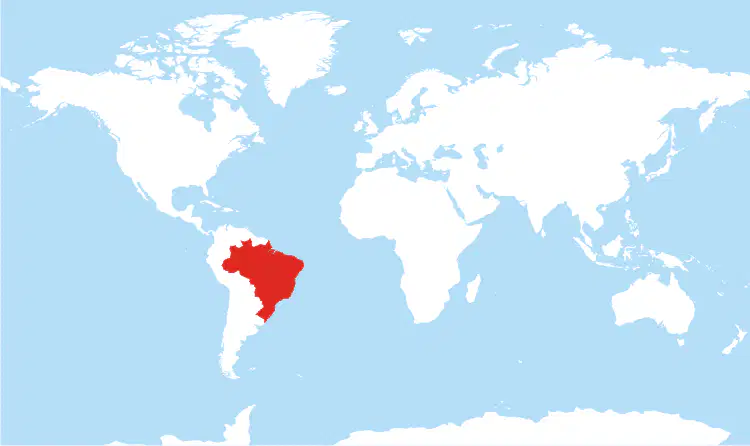
Which map highlights the approximate location of Mesopotamia?
a)

b)

c)

d)

35.

What natural feature made the Fertile Crescent good for farming?

a)

mountains

b)

heavy snow

c)

rich soil from river floods

d)

dry winds

36.

The root word "meso" means"

a)

middle

b)

beginning

c)

above

d)

below

37.

What is an empire?

a)

City-states ruled by different leaders

b)

Brick building

c)

Land under one king over many city-states

d)

Wide-spread religion

38.

What was the main building material used by the Sumerians for their homes?

a)

Marble

b)

Sun-dried mud bricks

c)

Wood

d)

Stone

39.

Which invention helped Mesopotamians transport goods more easily?

a)

The compass

b)

The plow

c)

The wheel

d)

The sailboat