
 Worksheets
Environmental Science Review
Total questions: 119
Worksheet time: 1hrs 26mins
Environmental science is the study of the interaction of humans with the environment. Which of these would NOT be included as part of the environment?
What is the soil made of
Animals and plants is the region and surrounding area
The average temperature, wind, precipitation, and other climate factors.
All of these would be considered a part of the environment
Environmental science is an interdisciplinary field of study. This means that…
It is limited to only one branch of science; ecology.
Each environmental issue is specific to only one type of science.
Multiple branches of science only (biology, chemistry, etc) are covered.
Many science and non-science fields of study, such as economics and politics, are included.
What is made up of all the living and nonliving things which an organism interacts with?
Atmosphere
Water Supply
Ecosystem
Soil
Which of the following is a nonrenewable resource?
Wind
Sunlight
Water
Coal
As the human population grows, resources
decrease
increase
stay the same
increase, then decrease
Which of the following is a renewable resource?
Oil
Solar
Coal
Natural Gas
What is made up of all the living and nonliving things which an organism interacts with?
Atmosphere
Water Supply
Environment
Soil
Environmental science applies to all of the following EXCEPT...
How the natural world works
How much greenhouse gas is produced
How our environment affects us
How we affect our environment
Environmental Science is the study of how the natural world _______ and how humans interact with it.
is created
works
is destroyed
is made
Which scientific discipline is closely related to environmental science and focuses on the interactions between organisms and their environments?
Chemistry
Sociology
Ecology
Economics
How much of the planet is covered by water?
20%
50%
70%
90%
What do we call FRESH water that lies beneath the Earth's surface?
groundwater
lake
river
spring
Which of the following is found in the earths Geosphere
Soil
Rocks
Minerals
All of the Above
How much of the earth's water is considered FRESH water?
90%
97%
3%
30%
Most of the earth's FRESH water is contained where?
Lakes
Rivers
Glaciers
Oceans


Which component of the Earth's ecosystem includes all the living organisms on the planet?
Atmosphere
Lithosphere
Hydrosphere
Biosphere
The (a) is the solid outer layer of the Earth, comprising the continents and ocean floors.
The (a) encompasses all of the Earth's water, including oceans, lakes, rivers, and groundwater.
The (a) consists of a mixture of gases that surround our planet and is essential for supporting life by providing oxygen and regulating climate.
In the (a) , living organisms interact with their environment, forming complex ecosystems in various habitats.
describes how energy and nutrients move through an ecosystem
food chain
predator
energy
none
the nonliving parts of an organism’s environment (physical and chemical)
Biotic
Abiotic
Community
None
Air is
Biotic
Abiotic
both
none
The portion of earth that supports life.
ecology
biosphere
biome
none
The biosphere is made up of many different ecosystems
True
False
None
Maybe
Fish
Biotic
Abiotic
None
both
Which of these is not a natural ecosystem?
Desert
Aquarium
Forest
Sea
Which statement is not true about ecosystem?
Ecosystem provides habitat to wild animal and plants.
Supports various food webs and food chains
Recycling nutrients between biotic and abiotic factors
All statements are true
Abiotic factors or component comprise plants, animals and microorganisms.
True
False
None
Both
study of relationships between organisms and their environment
Biology
Ecology
Real Estate
Amphibians
In the distribution of the world's water, freshwater makes up (a) %.
From the 3% freshwater on earth, majority (79%) is in the __________________.
groundwater
water vapor
ice caps and glaciers
water within living organisms
They are harsh treeless plains characterized by cold temperatures, high winds, and low precipitation. Much of the ground stays frozen year-around
desert
tundra
forest
grassland
The living components of an ecosystem is called__________.
abiotic
biotic
Among the biotic components of the ecosystem, plants belong to this group
decomposers
consumers
producers
omnivores
Fungi and bacteria belong to which group of biotic components of the ecosystem?
producers
consumers
decomposers
Organisms who feed directly on producers are called
consumers
primary consumers
secondary consumers
none
The sequence of eating and being eaten in an ecosystem is called as
food chain
block chain
Key chain
main chain
The Primary Consumers are also called as
Carnivores
Herbivores
Enzymes
None of these
Study of inter-relationship between organisms and their environment is
Ecology
Ecosystem
Phytogeography
Ethology
The presence of which is necessary for photosynthesis
Chloroform
Chlorophyll
Phosphorus
Polymer
The complex network of interconnected food chains is called (a)

What is an ecosystem?
A community of non-interacting organisms and their physical environment.
A biological community of interacting organisms and their chemical environment.
A biological community of interacting organisms and their physical environment.
A community of non-interacting organisms and their chemical environment.

What is a biotic factor?
Any non-living component that affects the population of another organism, or the environment.
Any living component that has a population.
Any living component that affects the population of another country.
Any living component that affects the population of another organism, or the environment.

What is an abiotic factor?
A living condition or thing, that influences or affects an ecosystem and the organisms in it.
A non-living condition or thing, that does not affect an ecosystem and the organisms in it.
A non-living condition or thing, that influences or affects an ecosystem and the organisms in it.
A living condition or thing, that does not affect an ecosystem and the organisms in it.
Temperature, light, air, water, and soil are all _____ parts of the environment
alive
biotic
abiotic
living

An animal that eats both plants and animals.
carnivore
omnivore
herbivore
scavenger

Organisms that breakdown all the dead plants and animals and their waste and are converted into nutrients for plants.
carnivores
consumers
producers
decomposers

All the green plants that provide the energy for consumers.
consumers
producers
decomposers
herbivores


What are animals called in a food chain?
Producers
Consumers
Decomposers
Plants


Which statement is an example of mutualism?
Bees sting other organisms when they sense danger.
Bees pollinate flowers while obtaining nectar.
Bees have black and yellow stripes that warn other organisms of danger.
Bees help maintain an ecosystem’s native cacti species through pollination.
The remora fish attaches onto sharks for transportation, but doesn’t change the shark in any way. Which type of interaction do the remora fish and shark have?
mutualism
commensalism
parasitism
predation
Butterflies obtain nectar, a food source, from flowers. When they fly from one flower to another, they disperse pollen. Which type of interaction do the butterflies and flowers have?
mutualism
commensalism
parasitism
predation

Sharks consume (eat) smaller fish they catch in the ocean. Frogs catch and eat flying insects in ponds. What type of relationship is this?
mutulism
predation
parasitism
interspecific

Which experiences the least change over time?
Pioneer Species
Primary Succession
Aquatic Succession
Climax Community
Which of the following best describes primary succession?
Volcano wipes out ecosystem that gradually grows back from ash covered soil
Volcano creates a new island of rock that must break down to form an ecosystem
Forest fire burns down forest that must bounce back over time
Tornado destroys a crop that must slowly grow back over time.
Which would most likely result in primary succession?
old forest growing
undisturbed prairie
pollution kills mountain lake species
a Newly formed volcanic island
Primary succession occurs in areas with:
very little soil
lots of soil
no soil
soil that has been disturbed

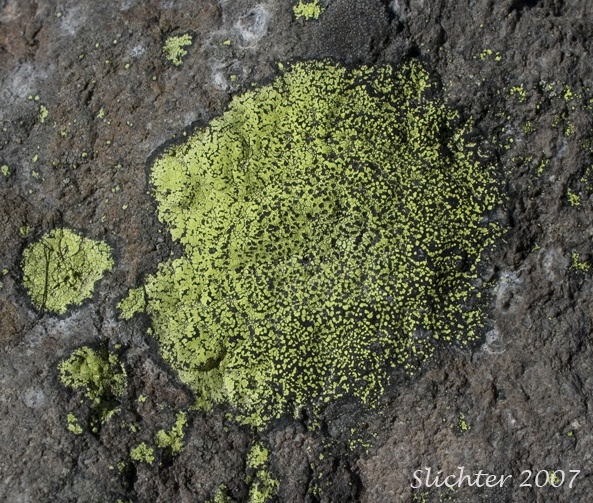
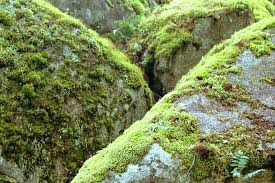


Name this ecosystem
Tundra Ecosystem
Desert Ecosystem
Rainforest Ecosystem

Identify this ecosystem.
Rainforest Ecosystem
Savanna Ecosystem
Desert Ecosystem

Identify this ecosystem.
Rainforest Ecosystem
Savanna Ecosystem
Pond Ecosystem

Identify this ecosystem.
Coral Ecosystem
Pond Ecosystem
Tundra Ecosystem

What is another name for Savanna Ecosystem?
Grassland
Trees
Space
Which best describes a characteristic of both lakes and estuaries?
Both have saltwater.
Both have freshwater
Both have a rocky bottom
Both have brackish water
Which two ecosystems are terrestrial?
ponds and lakes
forests and estuaries
oceans and grasslands
forests and grasslands
Which comparison of ecosystems is true?
Tundras are warmer than grasslands
Grasslands get more rain than deserts
Deserts have more plants than rain forests
Rain forest are rockier than tundras
All of the following are examples of freshwater ecosystems EXCEPT ________________.
ponds
Estuaries
lakes
rivers
Most of the world’s rain forests are found close to the
Arctic circle
equator
Antarctic
desert
What is the water cycle?
How water turns into ice and then back into water.
How rain falls and it is absorbed by the ground
The cycle of water from river to ocean
The path that all water follows as it moves around the planet
What is it called when water falls from the clouds?
Proclomation
Protoplopping
Prevention
Precipitation
When a water changes from a gas to a liquid it it called this.
(a)
Which part of the water cycle best describes when the sun heats the water?
exoskelton
evaporation
entropy
exasperation

What term matches best with #1?
infiltration
precipitation
condensation
groundwater
transpiration
What term matches best with #3?
infiltration
precipitation
condensation
groundwater
transpiration
What term matches best with #5?
infiltration
runoff
condensation
evaporation
transpiration

What is a name for this chemical formula?
Sugar or glucose
Carbon dioxide
Water
Oxygen

What is the name for this chemical formula?
Sugar or glucose
Carbon dioxide
Water
Oxygen


