
 Worksheets
Chapter 2ML Review Biochemistry
Total questions: 128
Worksheet time: 2hrs 43mins
Which pair is incorrect?
carbohydrates - provide energy
lipids - provide insulation
nucleic acids - store hereditary information
proteins - provide energy
Which is false?
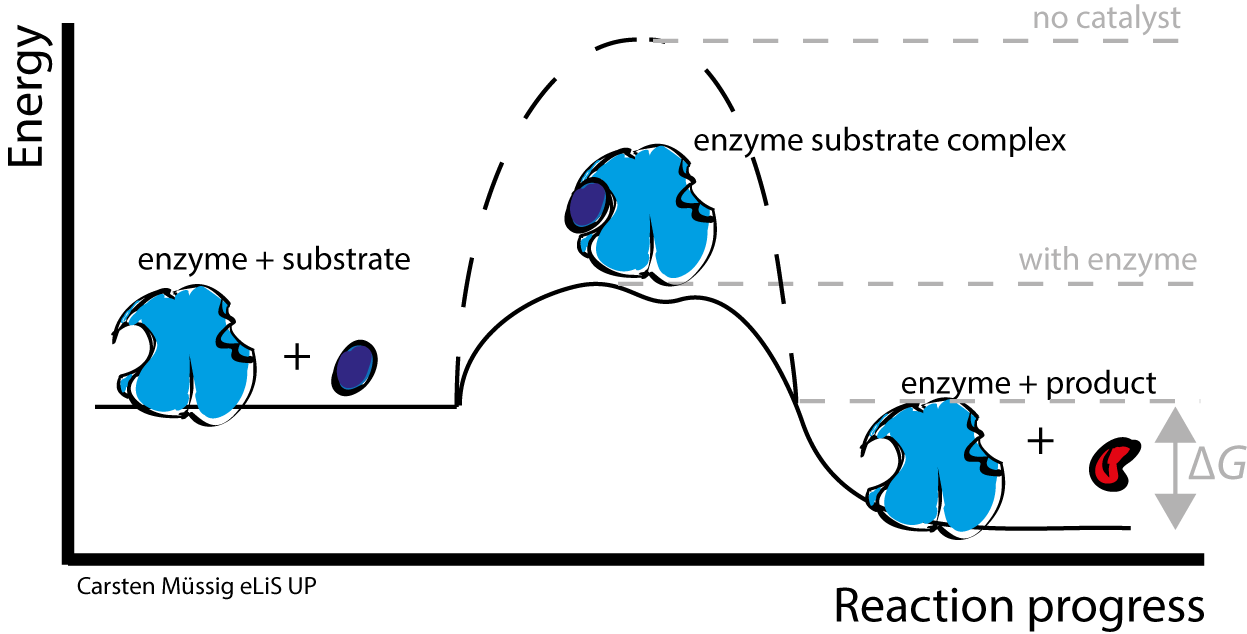
Enzymes bind to a substrate.
Enzymes slow down chemical reactions.
Enzymes lower the activation energy.
Enzymes are affected by temperature and pH.
Which group of organic molecules serve as long-term energy storage and make the cell membrane is?
proteins
carbohydrates
lipids
nucleic acids
Proteins are composed of what smaller building blocks?
amino acids
nucleic acids
fatty acids
nucleotides
Glucose is a _____.
carbohydrate
lipid
protein
nucleic acid
How many different amino acids are there?
4
20
6
46
Carbohydrates are made of...
C H O
C H O N
C H O N P
C H O N S
The type of polysaccharide which serves as a strengthening tissue in the cell wall of plants is
cellulose
glucose
lactose
fructose
What property of water makes it the 'universal solvent'?
it is a polar molecule
it is an ionic compound
it contains hydrogen bonds
it steals electrons from other atoms

What do disaccharides, such as sucrose, and polysaccharides, such as starch, have in common?
They are lipids made of fatty acids.
They are proteins made of amino acids.
They are nucleic acids made of nucleotides.
They are carbohydrates made of simple sugars.
Building blocks of polymers.
monomer
polypeptide
monosaccharide
glycerol
Which of the following binds to the active site of an enzyme?
substrate
product
codon
none of the above
Enzymes are
nucleic acids
proteins
lipids
carbohydrates
Which is the wrong polymer/monomer pair?
nucleic acids : nucleotides
lipids: monosaccharides
carbohydrates: monosaccharides
proteins : amino acids

Both animal fats and plant oils are made up of glycerol and
polar molecules
phospholipids
saturated fats
fatty acids
___________ are the main source of energy for cells.
Proteins
Lipids
Nucleic acids
Carbohydrates
Amino acids are the subunits of ...
proteins
carbohydrates
nucleic acids
lipids
Nucleotides are made up of three parts. The three parts are...
DNA, RNA, and a sugar
a lipid, a fat, and an oil
a carbohydrate, a protein, and a fat
a sugar, a phosphate, and a base
RNA is an example of a ...
nucleic acid
phosphate group
protein
carbohydrate
ATP is...
a unit of energy in the cell
a type of lipid
a molecule of DNA
The building blocks of nucleic acids are called ...
amino acids
nucleotides
carbohydrates
proteins

Why is the structure/order of proteins important?
A change in structure causes a change in the function
The order of proteins is not important
The order determines the effectiveness of the protein
The structure of proteins determines the structure of carbohydrates

The structure labeled E represents-
Products
Enzyme
Substrate
Reactants
Which two bio molecules have only Carbon, Hydrogen, and Oxygen?
Carbs/Nucleic Acids
Lipids/Carbs
Proteins/Nucleic Acids
Carbs/Proteins
DNA and RNA are examples of
Carbohydrates
Lipids
Proteins
Nucleic Acids
Waxes, oils and fats are examples of
Carbohydrates
Lipids
Proteins
Nucleic Acids

Which macromolecule is shown?
View Figure 3 (if not visible)
lipid
protein
nucleic acid
carbohydrate

Which macromolecule is shown?
View Figure 2 (if not visible)
lipid
protein
nucleic acid
carbohydrate
Proteins are made of...
C H O
C H O N
C H O N P
C H O N S
This type of lipid is solid at room temperature and found in animal sources.
oils
enzymes
saturated fats
unsaturated fats
This type of lipid is liquid at room temperature and found in plants.
oils
unsaturated fats
saturated fats
both oils and unsaturated fats
The bond that joins two amino acids together
double bond
hydrogen bond
ionic bond
peptide bond
Which of the following is an organic compound?
H2O
C6H12O6
NH2
OH
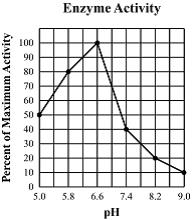
Which of the following conclusions can be drawn from this graph?
The optimum pH of the enzyme is 6.6.
The optimum pH of the enzyme is 5.8
The enzyme’s activity increases as pH increases 5.0 to 9.0
The enzyme’s activity is greater around pH of 8.0 .
What are the four biological molecules?
proteins, carbohydrates, lipids, nucleic acids
A, T, C, G
water, air, earth, and fire
Joe, Nick, and Kevin Jonas
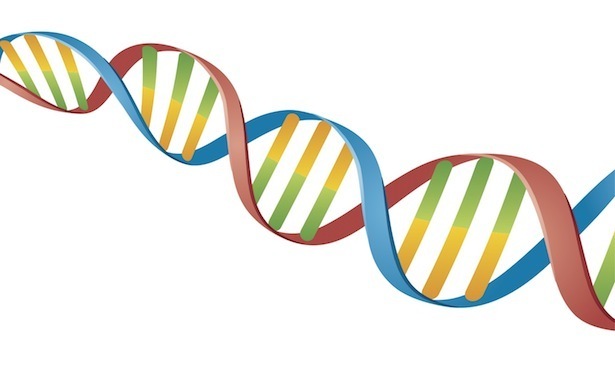
What is the function of a nucleic acid?
Stores genetic information
Stores energy
Quick source of energy
Builds structures
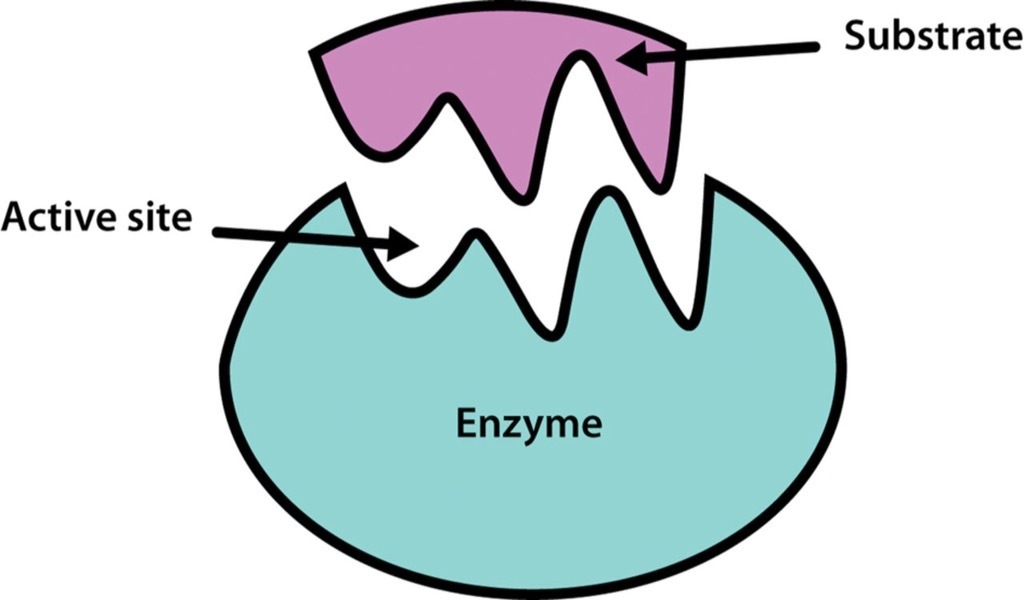
What biomolecule do enzymes belong to?
Carbohydrate
Lipid
Nucleic Acid
Protein

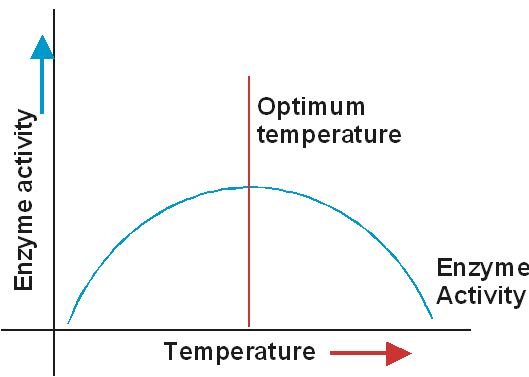
What is this enzymes optimal temperature?
10*C
40*C
50*C
70*C
Which pair of answers correctly matches the monomer and the polymer?
Glucose- Protein
Amino Acid- Nucleic Acid
Nucleotide - Nucleic Acid
Fatty Acid- DNA
Rice, potatoes, bread and legumes are good sources of _________.
carbohydrates
lipids
proteins
nucleotides
Which of the following is not an importance of proteins
Transport
Storage
Energy
Defense
What organic group is the major component of cell membranes?
lipids
carbohydrates
proteins
nucleic acids
Organic compounds always contain what three elements?
Hydrogen
Nitrogen
Carbon
Oxygen
Water is what type of compound?
organic
inorganic
toxic
Fats, oils, waxes, cholesterol, hormones
carbohydrates
lipids
proteins
nucleic acids

Compound Function: Build organelles, build body parts, and helps with body defense
Proteins
Carbohydrates
Nucleic Acids
Lipids
A water molecule is polar. Its bent shape results in the following...
slightly positive charge on hydrogen and slightly negative charge on oxygen
slightly positive charge on hydrogen and slightly positive charge on oxygen
slightly negative charge on hydrogen and slightly positive charge on oxygen
no change because its neutral
Which end of the water molecule has a slightly positive charge?
the oxygen end
the hydrogen end
both ends are slightly positive
neither end is positive
Large bodies of water help to keep nearby climates from being too hot or too cold because they...
absorb heat in the spring and slowly release that heat in the fall
absorb heat in the fall and slowly release that heat in the spring
absorb heat in the summer and slowly release that heat in the winter
absorb heat in the winter and slowly release that heat in the summer
A high specific heat means water ____. (select all that are true)
takes a long time to change temperature.
takes a lot of heat to increase temperature.
holds a lot of heat.
is good at regulating Earth's temperature.
Enzymes are responsible for-
Speeding up reactions
Giving the body energy
Slowing down reactions
Which of these is most likely an enzyme?
Sucrose
Galactose
Fructose
Amylase
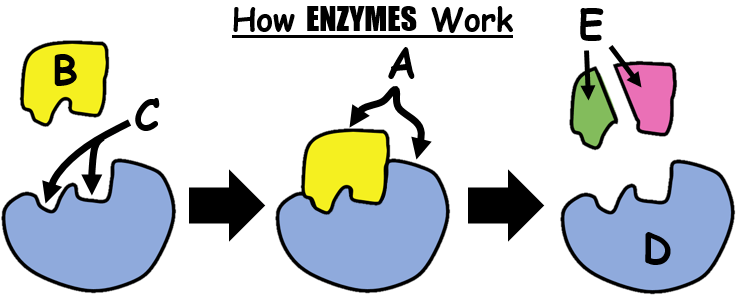
Letter D...
active site
enzyme
substrate
products
What is a substance called if it speeds up a chemical reaction?
reusable
catalyst
specific
fragile
What happens when enzymes are heated to a high temperature?
The enzymes die.
The shapes of the enzyme are altered denature
The enzymes' amino acid sequence changes.
The enzymes remain the same
Label the parts of the enzyme model
Substrate
Products
Enzyme
Active site
Click on the temperature that this enzyme is having optimum activity.
Match the following Macromolecules to its structure

Carbohydrate

Lipid

Nucleic Acids

Protein
Enzyme can be used again and again
True
False
Enzymes act on many different substrates
True
False
Substances with a pH of 7 are
Acidic
Basic
Neutral
Saturated
A base is a substance
That releases OH- ions when dissolved in water
That releases H+ ions when dissolved in water
Does not release any ions when dissolved in water
None of the above
An acid
is a substance that releases H+ ions when dissolved in water
is a substance that does not release any ions when dissolved in water
is a substance that releases OH- when dissolved in water
releases an equal amount of OH- and H+ ions when dissolved in water
Water has a neutral because
it has more H+ ions than OH-
it has more OH- ions than H+
it does not produce any ions
it has an equal amount of H+ and OH- in solution


What is this enzymes optimal temperature?
10*C
40*C
50*C
70*C

Which of the following lines shows the presence of an enzyme?
Black
Red
This is the attraction of water molecules for each other.
cohesion
adhesion
hydrogen bonding
Rice, potatoes, bread and legumes are good sources of _________.
carbohydrates
lipids
proteins
nucleotides
Of all the elements, ________ is the most significant to life.
carbon
hydrogen
nitrogen
gold
The positively charged particle in an atom is the
neutron
proton
ion
electron
(No Charge)
Which of the following is an example of ADHESION?
water sticking to water
water sticking to glass
oil sticking to plastic
hydrogen sticking to oxygen
Which of the following elements are found in all macromolecules? (Select all that apply).


An avocado is an example of a which macromolecule?
Carbohydrate
Lipid/Fat
Protein
Nucleic Acid

4CF2Cl2
C = 4, F = 4, Cl = 2
C = 1, F = 8, Cl = 8
C = 4, F = 8, Cl = 8
C = 1, F = 4, Cl = 8
A ______ is a number written in front of a chemical formula.
Coefficient
Subscript
Exponent
Coordinator
How many atoms of oxygen are in
3Fe2O3
6
9
18
2
How many atoms of oxygen are in
3Fe2O3
6
9
18
2

This molecule is a(n) ____________.
nucleic acid
lipid
protein
carbohydrate


Which organic compound is expressed in this diagram? The "R" stands for an amino group opening.
Carbohydrate
Protein
Lipid
Nucleic Acid
A substance is found to have the following characteristics:
Very bitter taste
Feels slippery to the touch
Produces OH- ions when dissolved in water
In what category would the substance be classified?
acid
base
enzyme
fatty acid

Milk is a very weak acid. What might its pH value be?
6.5
7.8
4.2
12.2

Electrons involved in bonding between atoms are
positively charged
valence elections
inside the nucleus
closest to the nucleus
What is a double bond?
a bond between two atoms
one pair of electrons shared between two atoms
two pairs of electrons shared between two atoms
two pairs of electrons shared between four atoms
When an atom loses an electron, it becomes a
(think about a magnet)
positive ion
negative ion
neutral ion
neutral atom
When an atom loses an electron, it becomes a
(think about a magnet)
positive ion
negative ion
neutral ion
neutral atom
Which subatomic particle has a negative charge?
Proton
Neutron
Electron
Ion
If an atom gains an electron, it becomes
(think about a magnet)
a negatively charged ion
an isotope
an apple
a positively charged ion
How many valence electrons does oxygen have? (It has 8 protons)
6
5
8
1
How many valence electrons does Neon have? (It has 10 protons)
8
1
7
6
When electrons are shared evenly between atoms
a covalent bond is formed
an ionic bond is formed
rusting happens
Coach Weiss smiles because they are sharing
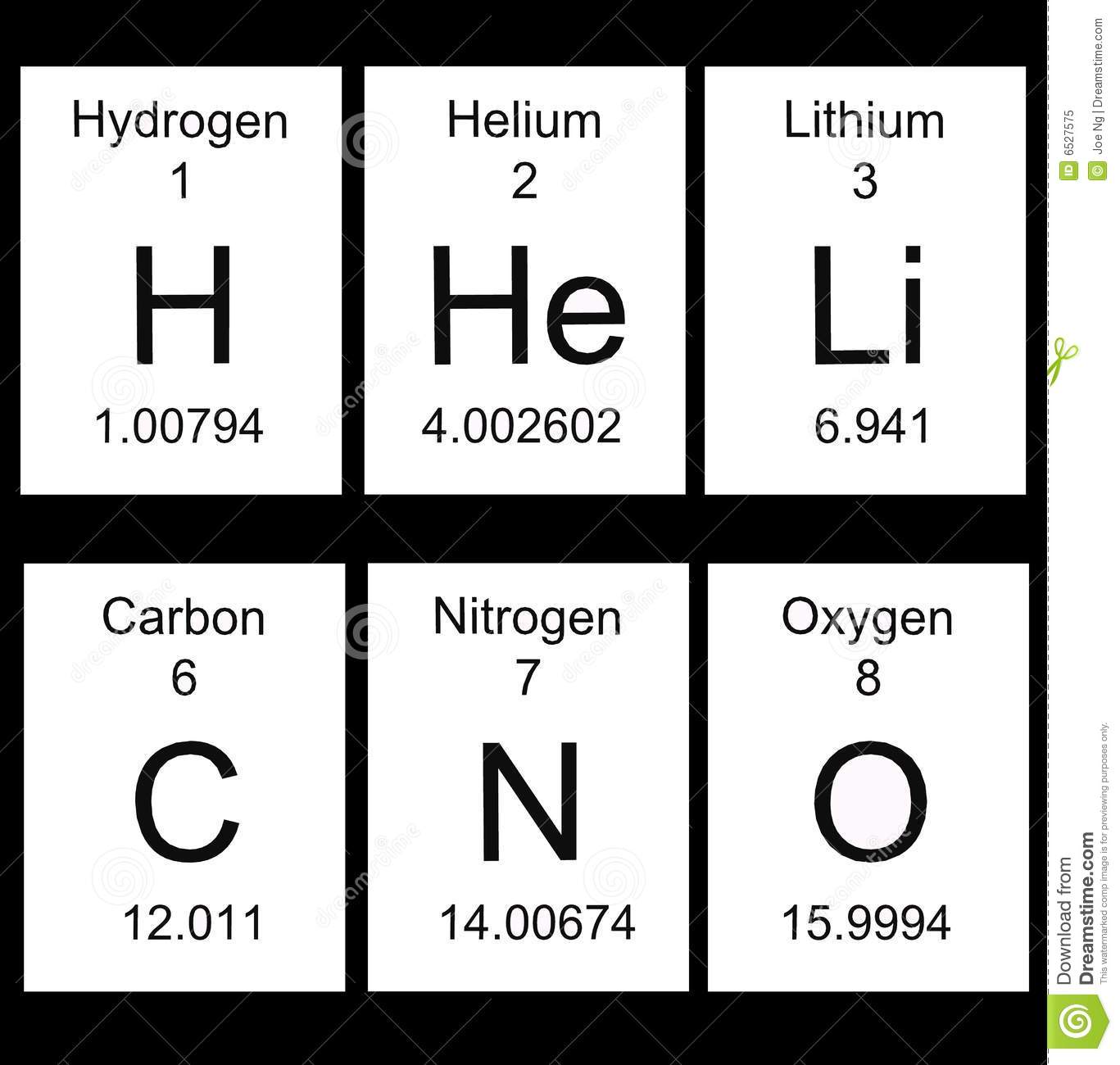
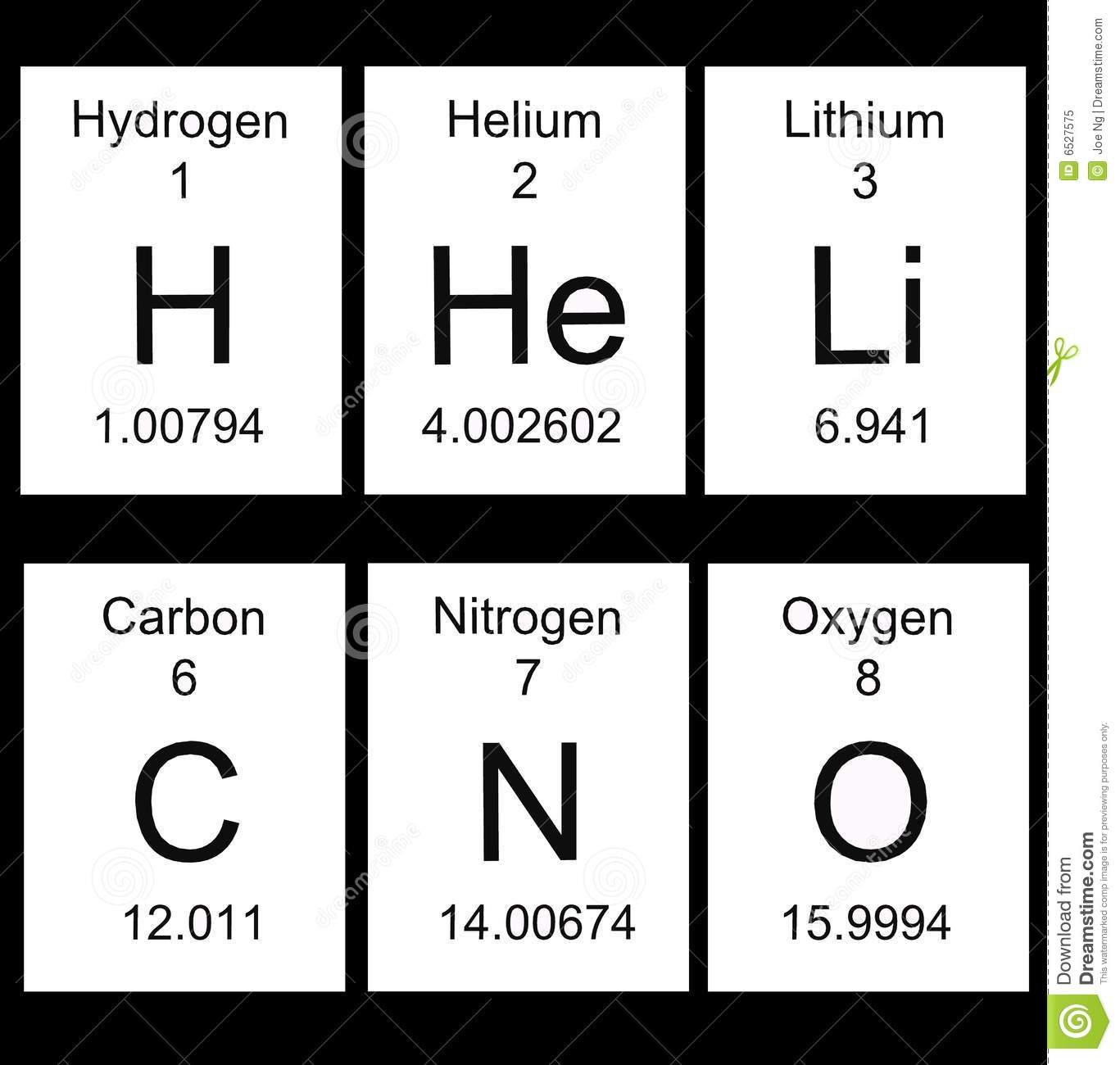
If an element has an Atomic Mass of 12 and has 6 protons, how many neutrons does it have?
12
6
13
24

Electrons involved in chemical bonding.
valence
ionic
covalent
metallic


A _______ is the force that holds atoms together in a compound.
Chemical Formula
Chemical Reaction
Chemical Bond
Synthesis Reaction
According to the Octet Rule, atoms of elements react with each other in order to attain ____ electrons in their outermost energy level or shell.
2
4
8
10

How many valence electrons are shown in the diagram?
16
7
6
2



