wayground logo

Free Printable Worksheets

Font size

S
M
L
XL
Worksheets

Cell Cycle & Protein Synthesis

Total questions: 64

Worksheet time: 1hrs 29mins

Name
Class
Date
1.
During which phase of the cell cycle does the cell spend the most time?
a)
Mitosis
b)
Cytokinesis
c)
Interphase
2.
During which part of the cell cycle does the cell divide?
a)
Interphase
b)
Mitosis
c)
S phase
3.
During which part of the cell cycle is DNA copied?
a)
Mitosis
b)
Cytokinesis
c)
S phase
4.
During which parts of the cell cycle does the cell grow?
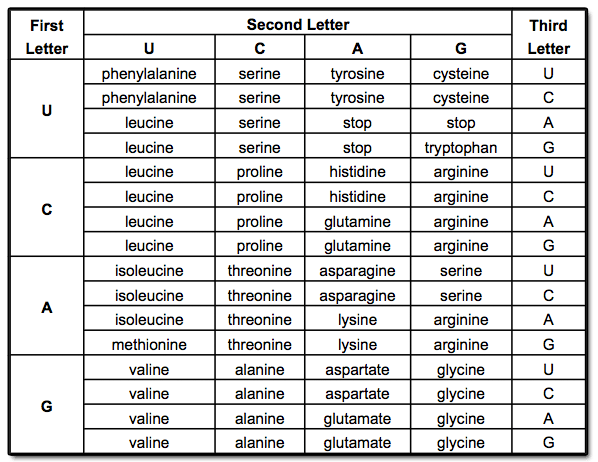
a)
G1 and G2
b)
G1 and S
c)
M phase and cytokinesis
5.
During which phase of the cell cycle does the cell spend the most time?
a)
Mitosis
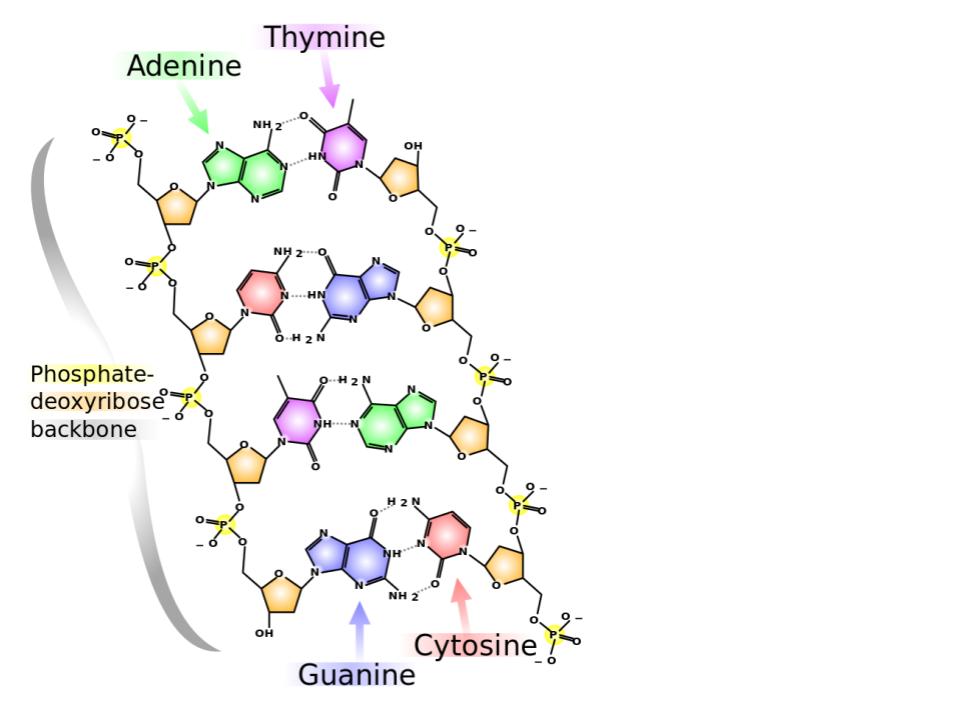
b)
Cytokinesis
c)
Interphase
6.
During which part of the cell cycle does the cell divide?
a)
Interphase
b)
Mitosis
c)
S phase
7.
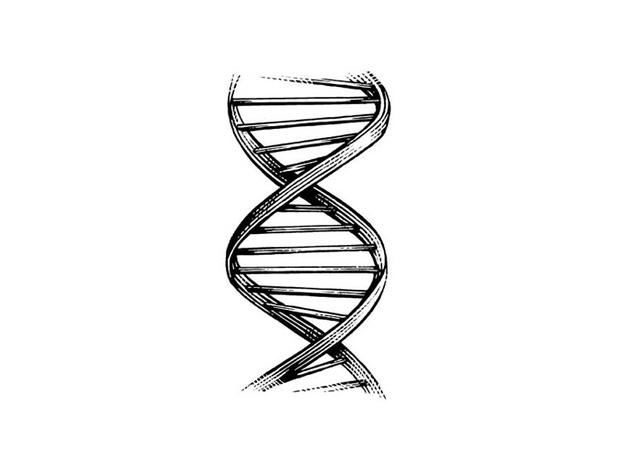
During which part of the cell cycle is DNA copied?
a)
Mitosis
b)
Cytokinesis
c)
S phase
8.
During which parts of the cell cycle does the cell grow?
a)
G1 and G2
b)
G1 and S
c)
M phase and cytokinesis
9.
Which phase of mitosis is shown in the picture?
a)
Prophase
b)
Anaphase
c)
Telophase
10.
Which phase of mitosis is shown in the picture?
a)
Interphase
b)
Metaphase
c)
Telophase
11.
Which phase of mitosis is shown in the picture?
a)
Prophase
b)
Metaphase
c)
Anaphase
12.
Which phase of mitosis is shown in the picture?
a)
Prophase
b)
Telophase
c)
Metaphase
13.
What is shown in the picture?
a)
Mitosis
b)
Interphase
c)
Cytokinesis
14.
What is the purpose of the cell cycle?
a)
To create new daughter cells
b)
To prevent cancer from developing
c)
To help the body fight viruses and bacteria
15.

Uncontrolled cell division which usually leads to tumors and disease is called:

a)

Metaphase

b)

Cytokinesis

c)

Cancer

d)

Diabetes

16.

The phase of mitosis when chromosomes align in the

middle is called ________

a)

anaphase

b)

prophase

c)

telophase

d)

metaphase

17.

The first phase of mitosis is called _______________ .

a)

telophase

b)

metaphase

c)

anaphase

d)

prophase

18.

The stage of mitosis where the sister chromatids separate:

a)

prophase

b)

anaphase

c)

telophase

d)

metaphase

19.

Which is NOT a phase of the cell cycle?

a)

Interphase

b)

Cytokinesis

c)

Mitosis

d)

Duplication

20.
In what phase does chromatin condense to form chromosomes?
a)
Mitosis
b)
Interphase
c)
Prophase
d)
Anaphase
21.
Put the following actions in order: DNA replicates, cell grows, cell divides, cell prepares for mitosis. 
a)
DNA replicates, cell grows, cell prepares for mitosis, cell divides
b)
cell grows, cell prepares for mitosis, DNA replicates, cell divides
c)
cell grows, DNA replicates, cell prepares for mitosis, cell divides
d)
DNA replicates, cell prepares for mitosis, cell grows, cell divides
22.
Which of the following phrases best describes cytokenesis
a)
division of the cytoplasm
b)
division of the nucleus
c)
division of DNA
d)
division of surface area
23.
In the S stage of interphase_______________
a)
the cell grows
b)
the nucleus divides
c)
the cell membrane divides
d)
the DNA is replicated
24.

What is happening in this picture? Hint: What is dividing?

a)

mitosis

b)

interphase

c)

cytokinesis

25.
What does DNA Replication mean?
a)
DNA is made.
b)
DNA makes new cells. 
c)
DNA copies itself.
d)
DNA starts the cell cycle.
26.
During what phase of the cell cycle does cell division occur?
a)
Interphase
b)
M phase
c)
S phase
d)
G2 phase
27.
Why would it be important to replicate DNA before a cell divides in mitosis or meiosis?
a)
In order for genetic information to be transferred into daughter cells.
b)
In order for the cell to be able to increase in size.
c)
In order for the DNA to be contained in the nucleus.
d)
In order for the cell to re-order the DNA sequencing in the new cells.
28.

What is the result of the cell cycle?

a)

Three cells

b)

Four daughter cells

c)

Two identical cells

d)

One clone cell

29.

_____ is the uncontrolled growth of cells, often resulting in a tumor or mass of abnormal cells

a)

Cancer

b)

Apoptosis

c)

Radiation

30.
Which phase of the cell cycle is #4?
a)
Interphase
b)
Prophase
c)
Telophase
d)
Metaphase
31.
Which phase of the cell cycle is #3?
a)
Interphase
b)
Prophase
c)
Anaphase
d)
Metaphase
32.
Which phase of the cell cycle is #5?
a)
Interphase
b)
Prophase
c)
Telophase
d)
Metaphase
33.

What are chromosomes?

a)

They attach to the DNA and pull it to the sides

b)

They contain mitochondria

c)

They contain ribosomes

d)

DNA packaged into threadlike structures

34.

Which organelle is the location where protein is made?

a)

Ribosome

b)

Nucleus

c)

Cytoplasm

d)

Nucleotide

35.

Which organelle is the location where protein is made?

a)

Ribosome

b)

Nucleus

c)

Cytoplasm

d)

Nucleotide

36.

During transcription, this type of ribonucleic acid is responsible for copying the DNA and brining it out of the nucleus.

a)

tRNA

b)

mRNA

c)

rRNA

d)

dRNA

37.

When these bond together, they form a protein

a)

Amino Acids

b)

Peptide Bonds

c)

Ribose

d)

Nucleotides

38.

mRNA occurs during this process

a)

Translation

b)

Transcription

c)

Replication

d)

Delivery

39.

Which of the following is the complementary mRNA sequence to this DNA strand: AACTGAA

a)

UUGACUU

b)

TTGACTT

c)

AACTGAA

d)

AACUGAA

40.
What is the term for a three-nucleotide sequence that codes for an amino acid?
a)
base
b)
codon
c)
amine
d)
serine
41.
The process to go from DNA to mRNA is _______
a)
translation
b)
transcription
c)
replication
42.
The process to go from mRNA to a protein is called ____
a)
transcription
b)
rRNA
c)
replication
d)
translation
43.
Genetic info flows in one direction. Which best represents this flow?
a)
DNA-protein-RNA
b)
Protein-RNA-DNA
c)
RNA-protein-DNA
d)
DNA-RNA-protein
44.
What is the location in the cell for transcription?
a)
nucleus
b)
cytoplasm
c)
ribosome
d)
mitochondria
45.

In what process is mRNA synthesized?

a)

Transcription

b)

Translation

c)

DNA Replication

d)

Mitosis

46.

Which organelle contains rRNA and reads the mRNA to synthesize a protein?

a)

Ribosome

b)

Nucleus

c)

Cytoplasm

d)

Nucleotide

47.

What brings the amino acids to the ribosome to assemble a protein?

a)
mRNA
b)
tRNA
c)
rRNA
d)

DNA

48.

How many nucleotides code for 1 amino acid?

a)

1

b)

2

c)

3

d)

4

49.

What is the location in the cell for translation?

a)

Cytoplasm

b)

Nucleus

c)

Lysosome

d)

Golgi apparatus

50.
The two strands of DNA are held together by:
a)
Hydrogen Bonds
b)
Phosphodiester Bonds
c)
Glycolsyl Bonds
d)
Glycosidic Linkages
51.
In a molecule of double-stranded DNA, the amount of Adenine present is always equal to the amount of
a)
cytosine
b)
guanine
c)
thymine
d)
uracil
52.
What determines the code, or information, of a DNA molecule?
a)
the shape (structure) of the nitrogen bases
b)
the order (sequence) of the nitrogen bases
c)
the color of the nitrogen bases
d)
the frequency (number) of nitrogen bases
53.
A process in which DNA has the unique ability to make an exact copy of itself.
a)
Replication
b)
Translation
c)
Transcription
54.
Replicate the following strand of DNA: 
AATCATGGA
a)
AATCATGGA
b)
TTAGTACCT
c)
UUAGUACCU
d)
GGATAUCUA
55.
RNA contains the sugar
a)
ribose
b)
deoxyribose
c)
glucose
d)
lactose
56.

Transcribe the following DNA strand: CTG AAT

a)

GAC TTA

b)

CTG AAT

c)

GAC UUA

d)

CUG AAU

57.
What is the correct amino acid sequence for the mRNA code AUGCCAGUAUGA
a)
Met-Pro-Ala-Val
b)
Met-Pro-Val
c)
Tyr-Gly-His
d)
Tyr-Gly-Arg-His
58.
One difference between DNA and RNA is that RNA....
a)
is double stranded 
b)
contains the base Thymine
c)
contains the base Uracil 
d)
contained the base Guanine
59.
tRNA is involved in
a)
carrying amino acids 
b)
carrying ribosomes
c)
carrying glucose
d)
carrying lipids
60.
Which process is happening in this picture?
a)
Transcription
b)
Translation
c)
Replication
61.
Which of the following molecules is created during TRANSCRIPTION?
a)
Protein
b)
DNA
c)
mRNA
d)
tRNA
62.
Which of the following molecules is created during TRANSLATION?
a)
Protein
b)
DNA
c)
mRNA
d)
tRNA
63.
DNA has a _____________ structure. 
a)
double helix
b)
single strand
c)
ring 
d)
chain
64.

Which of the following make up a nucleotide?

a)

Sugar, phosphate, and base

b)

Sugar, nitrate, and base

c)

Lipid, phospate, and sugar

d)

Protein, phosphate, and base