
 Worksheets
Homeostasis Mid Unit Review
Total questions: 136
Worksheet time: 4hrs 40mins
Biotic factors are
Living
nonliving

Do the owl and the bird compete for resources?
Yes, for the grasshopper
Yes for the mice
No they do not compete
The factors that limit the size of a population are:
Ecos factor
carrying capacity
limiting factor
abiotic number
An abiotic factor that limits a population size would be?
Food
predators
space
disease
A biotic factor that limits the size of a population would be:
food
space
water
What word describes a trait that helps an organism survive in its environment?
natural selection
mutation
camouflage
adaptation

Kelp
Producer
Consumer

Sea Otter
Producer
Consumer

Sea Urchin
Producer
Consumer

The largest number of individuals that an environment can support long term is...
carrying capacity
emigration
immigration
population density

What happens if a population grows past its carrying capacity?
The population keeps growing
The population starts to die off
The entire species will go extinct
The carrying capacity just increases
This may cause a population to increase
increase of food supply
removal of predators
removal of disease
all of these

What is the carrying capacity of the graph?
1000
8000
800
600
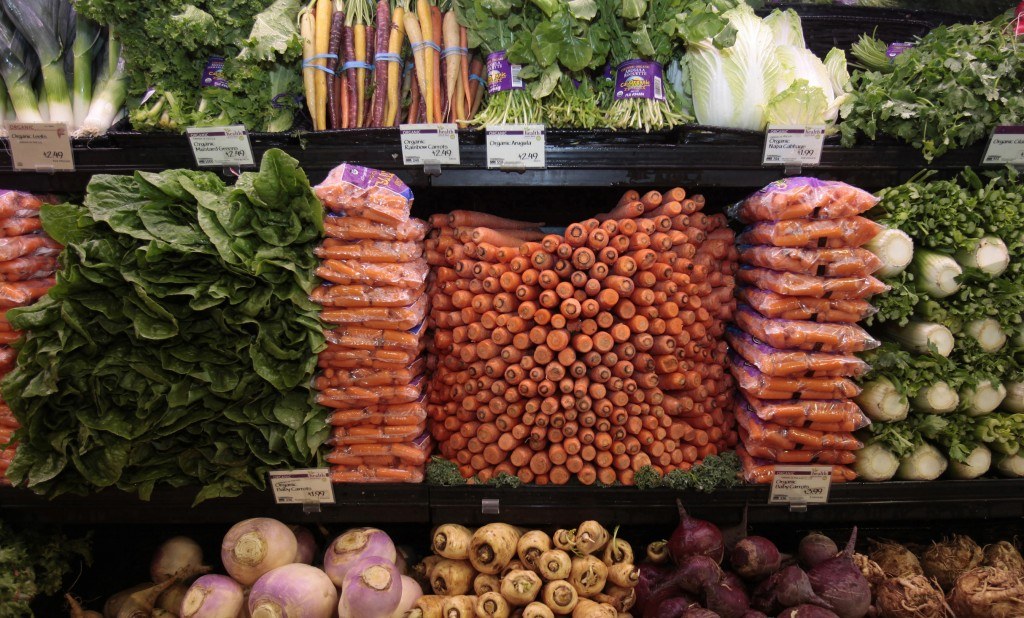


Animals that only eat producers (also known as herbivores)
Producers
Primary Consumers
Secondary Consumers
Tertiary Consumers

What is this called?
Food Web
Food Chain
Trophic Level
First trophic level of a ecological pyramid includes
producers
primary consumers
secondary consumers
tertiary consumers

Which of the following are products in the process of cellular respiration?
carbon dioxide and oxygen
carbon dioxide and water
glucose and oxygen
glucose and water
Cellular respiration is carried out by which of the following?
plants only
plants and animals
plants, algae, and cyanobacteria
all living organisms
Which of the following are reactants in the process of cellular respiration?
carbon dioxide and water
glucose and oxygen
carbon dioxide and oxygen
glucose and water
Which of these word formulas for cellular respiration is correct?
Glucose + Water --> Carbon dioxide + Oxygen + Energy
Carbon dioxide + Water + Energy --> Glucose + Oxygen
Energy + Water + Oxygen --> Glucose + Carbon dioxide
Glucose + Oxygen --> Carbon dioxide + Water + Energy
Which of the following represents the correct cycling of gases?


Which of the following represents the correct cycling of gases?
What are the TWO inputs of photosynthesis?
ATP
carbon dioxide
glucose
oxygen gas
water
What are the TWO outputs of photosynthesis?
ATP
carbon dioxide
glucose
oxygen gas
water
What are the TWO inputs of cellular respiration?
ATP
carbon dioxide
glucose
oxygen gas
water
What are the THREE outputs of cellular respiration?
ATP
carbon dioxide
glucose
oxygen gas
water



Carbon dioxide (CO2) is also produced in the ocean by ______________________________.
photosynthesis of marine plants
cellular respiration of marine organisms
sea water freezing
increased alkalinity

Ocean acidification occurs when too much _______________________________ enters the ocean from the atmosphere.
calcium carbonate
carbon dioxide
sulfur dioxide
nitrogen gas

______________________ is needed by corals, mollusks, sponges, and crustaceans to make their skeletons, shells, spicules, and structures.
calcium carbonate
sodium chloride
carbon dioxide
nitrogen gas
According to your data, the lower the pH of the solution the more it ___________ from the sea shell.
Dissolved the calcium carbonate
Added calcium carbonate
Did nothing to the shell

This image demonstrates that
There is a direct correlation with the atmospheric CO2 and the CO2 in seawater
That pH of the ocean increases as the atmospheric CO2 increases
That there is no correlation between pH of the ocean and atmospheric CO2
Burning carbon-based fossil fuels releases what gas into the atmosphere?
acid gas
chlorine gas
oxygenated hydrogen
carbon dioxide
All carbon dioxide gas found in the ocean is there because humans are causing pollution from burning fossil fuels.
True
False
Ocean acidification raises the pH of the ocean .
True
False

What does the blue line show?
CO2 in the water
Air temperature
Carbon emissions
pH of the water

As the pH decreases, what happens to the ocean?
It becomes more acidic.
It becomes more basic.
When humans EXHALE, we release ____________________.
Oxygen
Nitrogen
Water
Carbon Dioxide

How does carbon get from the atmosphere into organisms?
Decomposition
Respirataion
Photosynthesis
Deposition

How does carbon get from underground deposits (fossil fuels) into the atmosphere?
Decomposition
Deposition
Photosynthesis
Combustion
If the plant population decreased, the amount of carbon dioxide in the atmosphere would _________.
Stay the same
Increase
Decrease

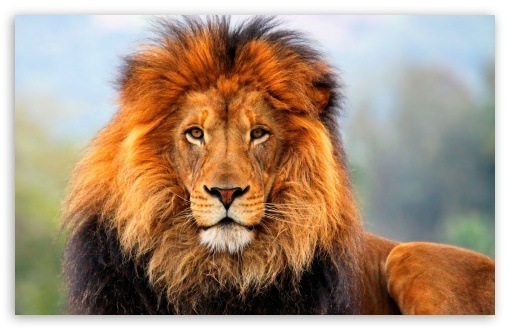

One of the most common examples of homeostasis is body temperature. When your body temperature rises above normal, how does your body respond?
shivers
sweats
coughs
Plants absorb the gas _______________ from the atmosphere through the process of _____________________.
carbon dioxide;
photosynthesis
oxygen;
diffusion
nitrogen;
cellular respiration
hydrogen;
evaporation
Plants release the gas _________________ into the atmosphere through the process of _____________________.
hydrogen;
transportation
nitrogen;
evaporation
carbon dioxide;
cellular respiration
oxygen;
photosynthesis
What are the inputs required for cellular respiration to occur? (Select all correct responses.)
Oxygen
Carbon Dioxide
Water
Glucose (Sugar)
Sunlight
Which organisms use cellular respiration to create energy?
Producers
Consumers
Both Producers and Consumers
Rabbits eat only carbohydrates (carbon, hydrogen, and oxygen), but need nitrogen to build muscle. Where do they get nitrogen?
They must eat protein to get nitrogen.
The breathe it in.
It has been absorbed by the plants that they eat.
They get it through the soil.
Which nutrient cycle requires bacteria in order for the nutrient to be available to plants and animals?
Carbon Cycle
Nitrogen Cycle
Water Cycle

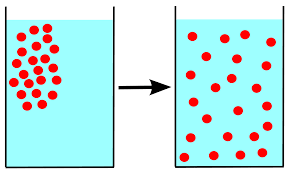
Which word matches this image?
Diffusion
Cellular Respiration
Digestion
Cycle

Sea Lion
Producer
Consumer

What do these graphs suggests in regards to which sized urchins are preferred by otters?
Otters prefer to eat small sea urchins.
Otters prefer to eat mid-sized to large urchins.
Otters do not have a preference for urchin size.
Otters refuse to eat medium sized urchins.

Sea otter consumption of different species of prey in the wild.
Based on this graph which species of prey do the sea otters prefer?
Purple urchins
Red urchins
Kelp
Crabs
Why are kelp and otter populations decreasing?
Otters decrease due to not enough food & kelp decreases because of lack of sunlight
Orcas are hunting too many otters which increases urchin populations to eat too much kelp
Otters increase and eat too many urchins & kelp population decreases due to urchins eating
Orcas don't eat otters & urchins are eating too much kelp


Steve used a ruler to measure the length of a cube. He found the cube to be 3 cm. This is an example of a observation.
Quantitative
Qualitative
Neither qualitative nor quantitative

What kind of observation is in the picture?
Quantitative
Qualitative
Neither quantitative nor qualitative

What kind of observation is this: A large ball rolling
Quantitative
Qualitative
Neither quantitative nor qualitative
T/F: A quantitative observation always includes a number and a unit.
True
False
A observation requires your senses (sight, smell, taste, hearing, and feel)
Quantitative
Qualitative
Neither quantitative nor qualitative
"Leaves turn red in the fall" is an example of a observation
Quantitative
Qualitative
Neither quantitative nor qualitative

Select the best answer based on the image.
Gene Flow
Genetic Drift

This is a scale used to measure the acidity of a liquid.
Logarithmic Scale
Acid Scale
pH Scale
Basic Scale

Which would be the strongest acid?
Lemon (pH 2.0)
Orange (pH 3.3)
Soda (2.5)
Coffee (4.5)

How are humans adding CO2 to the air?
Building houses
Using fossil fuels
Causing chemical spills
Growing trees
This image demonstrates that
There is a direct correlation with the atmospheric CO2 and the CO2 in seawater
That pH of the ocean increases as the atmospheric CO2 increases
That there is no correlation between pH of the ocean and atmospheric CO2
Ocean acidification is related to...
climate change
human impact
fossil fuels
all of the above
What happens to water when it is dissolved with carbon dioxide?
it becomes more acidic
it becomes more basic
it becomes healthier to drink
it turns into coal
The process in which nitrogen circulates and is recycled is called
The nitrogen cycle
The carbon cycle
The water cycle
The phosphorus cycle

Organisms that need nitrogen to survive.
only plants
only animals
only bacteria
all living things

How do animals get the nitrogen they need?
From the air they breathe
From the water they drink
From the food they eat
From the sun
Bacteria fix nitrogen from the atmosphere into a form plants can use.
True
False

What is the process where bacteria turns Nitrogen gas from the atmospheres into usable compounds?
nitrogen composition
nitrogen fixation
ammonia
denitrification


What happens when too much Nitrogen finds its way to the ocean?
Algae Bloom
Acid Precipitation
Nitrogen Fixation
Decomposition
How does most of the water needed by the plant get into its leaves?
It enters through the stomata
The roots absorb it and then it travels up the stem
It's made during a chemical reaction in the leaf
The flowers capture water and deliver it to the leaves

_________ provides most of the oxygen on earth.
Decomposition
Cellular Respiration
Photosynthesis
Nitrogen Fization
Nitorgen can not be used when it is in the atmosphere, what is the name of process that changes nitrogen so it can be used?
proliferation
denitrification
nitrogen fixation
bacteria

According to the graph, what is causing the deer population to decrease
They got sick
The wolf population is decreasing
The wolf population increased
They ran out of food

Examine the graph below of two animal populations. Which animal must be the prey species?
A
B

In an energy pyramid, how much of the energy in each level gets passed to the next level above it?
80%
90%
10%
20%


If producers in this food web have 2,000kCal of energy, how much of that would end up going to the herring (secondary consumers)?
200 kCal
20 kCal
2 kCal
0.2KCal

Which of the following is not a biotic factor in an ecosystem?
wind
algae
dead skunk
oak tree
What is a tropic cascade?
an ecological process triggered by the removal or addition of a top predator that causes changes throughout the food chain.
an ecological process triggered by the removal or addition of a top predator that causes no changes throughout the food chain.
an ecological process triggered by the removal or addition of a vegetation that causes no changes throughout the food chain.
an ecological process triggered by the removal or addition of a primary consumer that causes changes throughout the food chain.

What is another word that can be used to describe "homeostasis"?
STABLE
EQUAL
COMPLETE
CORRECT

Which of these is true of the mammalian dive response?
The longer a mammal dives, the more oxygen it has
The longer a mammal dives, the slower its heart beats
The longer a mammal dives, the faster its heart beats
The longer a mammal dives, the harder the heart beats
Choose the best answer: The point of us breathing oxygen is
to stay alive
to fill our lungs
to make ATP(energy)
to feel refreshed

Cellular Respiration's goal is to
make water
make ATP(energy)
make glucose
make oxygen

Where do Emperor Penguins store most of their oxygen?
lungs
digestive system
blood
muscles
No breathing is:
eupnea
apnea
tachypnea
hyperventilation

