
 Worksheets
Sci8_Circulatory and Respiratory System
Total questions: 72
Worksheet time: 55mins
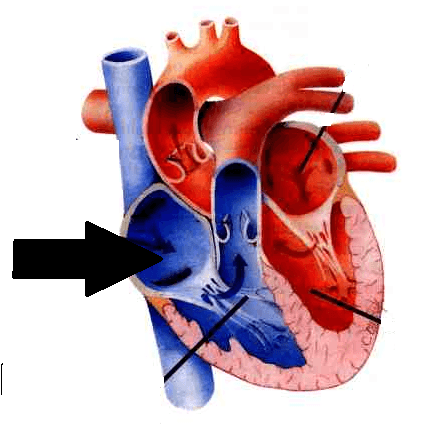
Identify the structure pointed by the arrow
Left atrium
Right atrium
Left ventricle
Right ventricle
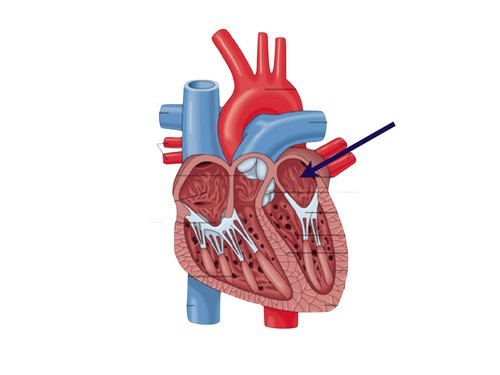
Identify the structure pointed by the arrow
Left atrium
Right atrium
Left ventricle
Right ventricle
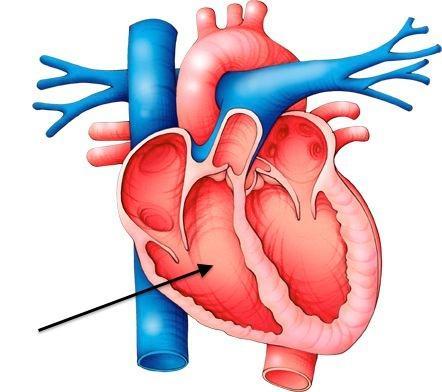
Identify the structure pointed by the arrow
Left atrium
Right atrium
Left ventricle
Right ventricle
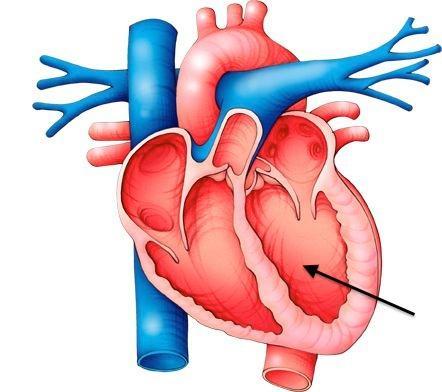
Identify the structure pointed by the arrow
Left atrium
Right atrium
Left ventricle
Right ventricle

Arteries carry oxygen rich blood away from the heart.
True
False

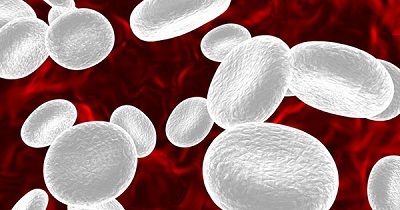

Which of the following is not part of the circulatory system


Which of the following is not part of the valves in heart
Vein valves
Pulmonary valves
Tricuspid valves
Mitral valves
The statement below is a function of the circulation system in humans except ...
circulates oxygen throughout the body's tissue
transports nutrients to all body tissues
deliver impulse stimulation
transporting metabolic waste to excretion devices

The part of the heart that contains only oxygen-rich blood is. . . .
1 and 2
1 and 3
2 and 4
2 and 3
Blood that has circulated from the body's tissues will enter the heart chambers first in the ...
Right atrium
Right ventricle
Left ventricle
Left atrium

The aorta and the left ventricle are indicated by numbers ...
6 & 3
3 & 9
2 & 10
1 & 9
The part of the heart that functions to keep blood from the right chamber (right atrium and right ventricle) does not return to the right atrium is called ??
Mitral valve
Tricuspid valve
Aortic valve
Pulmonary valve

The part of the heart that contains only oxygen-rich blood is. . .
3 and 4
1 and 2
2 and 3
1 and 3
Blood from the lungs to the left atrium rich in contain
Less oxygen and more carbon dioxide
Rich carbon dioxide
Rich oxygen
More oxygen and less carbon dioxide
What is the correct path through the circulatory system which describes the passage of blood originating in the left leg?
Vena cava-> right atrium-> right ventricle-> lungs-> left atrium-> left ventricle-> aorta
Vena cava-> left atrium-> left ventricle-> lungs-> right atrium-> right ventricle-> aorta
Vena cava-> right atrium-> left atrium-> lungs-> right ventricle-> left ventricle-> aorta
Vena cava-> left atrium-> right atrium -> lungs-> left ventricle-> right ventricle-> aorta
What is the purpose of the respiratory system?
takes in oxygen and release carbon dioxide
takes in carbon dioxide and releases oxygen
takes in nitrogen and releases carbon dioxide
takes in oxygen and releases nitrogen
Where does oxygen initially enter into the body?
nose and mouth
eyes
brain
throat
This area warms, moisturizes, and filters air before going to the lungs. What is it?
nasal cavity
nose
mouth
trachea
What is the formal name for your throat area?
pharynx
larynx
throat
esophagus
Where are your vocal chords housed and what is this area called?
pharynx
larynx
throat
trachea
Your windpipe is also called the...
trachea
larynx
pharynx
esophagus
What are the two branches called that branch off from your trachea and into your lungs?
bronchus (bronchi)
alveoli
lungs
trachea
What are the smaller branches of the bronchi called?
bronchioles
alveoli
ravioli
lungs
These tiny grape-like air sacs is where the gas exchange of oxygen and carbon dioxide happen in the lungs. What is it?
alveoli
lungs
ravioli
bronchioles
The elastic sponge-like organs are where gas exchange occurs.
lungs
alveoli
ravioli
trachea
This condition occurs when the airway is narrowed due to inflammation of the bronchi. Which condition is this?
alveoli
asthma
lung cancer
emphysema
What do humans need to breathe in from the air?
oxygen
nitrogen
carbon dioxide
ammonia
What gas do plants take in that animal/humans breathe out?
carbon dioxide
oxygen
nitrogen
phosphorus
What happens during pneumonia?
the alveoli fill with fluid making it harder to breathe
a blockage in the brain prevents blood from being delivered
the heart stops beating
the uncontrolled growth of abnormal cells in one or both lungs
What is the function of the diaphragm?
the muscle that contracts and relaxes when you breathe
the muscle that regulates your heart beat
no function
Which is not a job of the respiratory system?
taking in oxygen
taking in carbon dioxide
moisten air
transport glucose
What is oxygen needed for?
energy releasing chemical reactions
to make glucose
to take in sunlight
none of the above
Which one accurately describes the difference between respiration and cell respiration?
respiration produces glucose while cell respiration does not
cell respiration is a process in cells where energy is made, while respiration is breathing
respiration occurs in cells while cell respiration produces glucose
none of the above
What does the respiratory system release?
oxygen
glucose
carbon dioxide
ATP
What does the digestive system do?
brings in oxygen
gets rid of carbon dioxide
absorbs glucose from food
none of the above
Which is not a job of the nose?
warm air
moisten air
traps particles like dust and bacteria
bring in carbon dioxide
Tiny hairs that move particles in the nose are called
mucus
vocal cords
cilia
flagella
After the nose, air passes into the
larynx
pharynx
bronchi
bronchioles
Where does air go after the pharynx during inhalation?
nose
trachea
bronchi
alveoli
Which system shares the pharynx with the respiratory system?
circulatory
digestive
excretory
skeletal
The "windpipe" is known as the
alveoli
esophagus
trachea
bronchi
When you exhale, air goes out of the trachea to the
bronchi
alveoli
pharynx
esophagus
A small flap of tissue that covers the trachea is called the
bronchi
larynx
pharynx
epiglottis
Where would you find cilia?
nose and alveoli
bronchioles and mouth
trachea and nose
all of the above
Where is carbon dioxide and oxygen exchanged at capillaries?
trachea
larynx
alveoli
bronchi
Which properly describes inhalation?
ribs go down and out
pressure is low causing air to rush in
pressure is high causing air to rush in
volume is low
When you exhale, the diaphragm
moves upwards
moves downwards
flattens
none of the above
Which is known as the voice box?
pharynx
larynx
trachea
bronchi

What is labeled F?
bronchioles
trachea
bronchi
diaphragm

What is labeled at E?
bronchi
trachea
pharynx
none of the above
Passive Transport uses ____ energy
no
a lot of
a little bit of
some

How do cells move stuff through the cell membrane?
(a)
How are proteins used in active transport?

