
 Worksheets
Unit 2 Test
Total questions: 122
Worksheet time: 3hrs 51mins

What is the function of the cell membrane?
To control what comes in and out of the cell
To break down food inside the cell
to serve as a barrier
to eat the cells food

Which organelle produces the energy a cell needs to carry out its function
Mitochondria
Golgi Bodies
Cytoplasm
Nucleus

What is the function of the Vacuoles
Store food, water and waste
Receive proteins
Assembles amino acids
Found inside the nucleus

Which organelle receives proteins and materials from the ER, packages them and distributes them
Vacuoles
Golgi Bodies
Nucleus
Chromatin

Which cell contains Chloroplasts?
Animal
Plant

The control center of cell is
the nucleus
ribosomes
chromatin
Which organelle contains genetic material?
Endoplasmic Reticulum
Golgi Complex
Nucleolus
Nucleus



What type of solution is a cell in when it gets bigger than normal while in tap water?
hypertonic
isotonic
hypotonic
What type of solution is a cell in when it shrinks while in salt water?
hypertonic
isotonic
hypotonic
This regulates the movement of molecules from one side of the membrane to the other.
cell membrane
equilibrium
passive transport
diffusion


What molecule is pictured?
Integral Protein
Carbohydrate chain
Phospholipid


What molecule is pictured?
Integral Protein
Carbohydrate chain
Phospholipid

The cell membrane is composed of a ...........
phospholipid bilayer
single layer of phospholipids
carbohydrate bilayer
single layer of carbohydrates

The heads of the phospholipids in the cell membrane are considered to be?
hydrophobic: water loving
hydrophilic: water loving
hydrophobic: water hating
hydorphilic: water wating
The tails of the phospholipids in the cell membrane are considered to be?
hydrophobic: water loving
hydrophobic: water hating
hydrophilic: water loving
hydrophillic: water hating

Select ALL that describe the cell membrane.
Selectively Permeable
Fluid Mosaic
Nucleus
Phospholipid Bilayer

Cell membrane structures that are embedded in the phospholipid bilayer that identify and communicate with extracellular surroundings.
Cholesterol
Carbohydrate Chains
Proteins

Identify what part of the cell membrane that is represented by letter A.
Phospholipid Bilayer
Integral Protein
Cholesterol
Carbohydrate Chain

Analyze the cell membrane diagram. Identify the letter that is considered hydrophobic.
F
G
H
B

The 'membrane' pictured below would not be able to form because
the 'heads' would repel each other
the 'tails' would repel water on either side
the cell membrane isn't a bilayer
the membrane does not contain phospholipids

The cell membrane is selectively permeable, which means...
All materials can enter and leave the cell
Certain things can enter while others cannot
The cell manually sorts through all materials
Only certain cells can interact with the cell.

The majority of the cell membrane is made of which macromolecule?
Phospholipids
Carbs
Proteins
Nucleic acids

The term "mosaic" applies to the cell membrane because...
cell membranes are able to bend, stretch and change shape
Cell membranes are able to flow
Cell membranes are made from a variety of different molecules
The term "fluid" applies to the cell membrane because...
Cell membranes only allow SOME molecules to pass across the membrane
Cell membranes are able to flow
Cell membranes are made from a variety of different molecules

True or false: Regulating what enters and leaves the cell helps the cell maintain homeostasis.
True
False

All cells have a cell membrane
True
false
Phospholipids are made up of two parts. Which of the following correctly describes these two parts?
hydrophobic head, hydrophilic tail
hydrophobic head, hydrophobic tail
hydrophilic head, hydrophobic tail
hydrophilic head, hydrophilic tail
Which image correctly shows the way phospholipids arrange themselves in the cell (plasma) membrane?


Hydrophobic means...
water-loving
water-fearing
nonpolar
lipid soluble


Describe the movement of molecules in the illustration.
Molecules are moving from a lower concentration to a higher concentration.
Molecules are moving from a higher concentration to a lower concentration.
Molecules are moving from a higher concentration to a lower concentration and then from a lower to higher concentration.
Molecules are moving from a lower concentration to a higher concentration and then from a higher concentration to a lower concentration.


When a cell forms a vesicle around unwanted particles and expels it OUT of the cell.
Pinocytosis
Endocytosis
Receptor-mediated
Exocytosis
Which type of active transport uses a vesicle to allow a large molecule to exit the cell?
Endocytosis
Exocytosis


Which type of active transport is displayed?
Endocytosis
Exocytosis
In which osmotic state does the cell shrink?
hypertonic
isotonic
hypotonic
In which osmotic state does the cell look normal?
hypertonic
isotonic
hypotonic
During which osmotic state does the cell swell and get bigger?
Hypertonic
Isotonic
Hypotonic
In a hypotonic solution, where is most of the water?
inside the cell
outside of the cell
In a hypotonic solution, where are most of the solutes?
inside the cell
outside of the cell
In a hypotonic solution, which direction does water want to move to create equilibrium?
into the cell
outside of the cell
In a hypertonic solution, where is most of the water?
inside the cell
outside of the cell
In a hypertonic solution, where are most of the solutes?
inside the cell
outside of the cell
In a hypertonic solution, which direction does water want to move to create equilibrium?
into the cell
outside of the cell
In which solution the cell happy and in a state of equilibrium?
hypertonic
hypotonic
isotonic

What is the stimulus in the blood clotting model?
Clotting occurs from platelets
Break or tear in blood vessel wall
Clotting proceeds until break is sealed by clot
Released chemicals attract more platelets.
What type of feedback is shown in the blood clotting model?
Positive
Negative

According to the model, what is the response to HIGH blood glucose (sugar)?
Pancreas releases insulin into blood
Pancreas releases glucagon into blood
According to the model, what would happen if the pancreas did NOT detect rising blood glucose (sugar) level?
Blood sugar would return to normal
Most body cells would take up more glucose
Blood sugar would stay above normal
The liver would get the message to store glucose as glycogen
The ability to maintain body temperature within a certain range is ...
thermodynamics
thermoregulation
thermostat
thermometer
is the maintenance of a relatively stable internal environment
is the maintenance of a relatively stable external environment
How does the body respond when more oxygen is required?
Decreasing heart rate
Increasing heart rate
Decreasing blood pressure
Increasing blood pressure

One of the most common examples of homeostasis is body temperature. When your body temperature rises above normal, how does your body respond?
shivers
sweats
coughs
What is the point of a feedback loop?
To provide the body with more energy
To provide the body with more food
To make sure the conditions in the body are always changing
To make sure the conditions in the body remain stable

Loops that cause a response to build up and build up until something big happens are called ____________ loops
positive
negative
The heater kicks on and the house warms up, so it kicks off. Then the house cools a bit and the heater kicks back on. This continues all day. It's a _____________ loop.
positive
negative
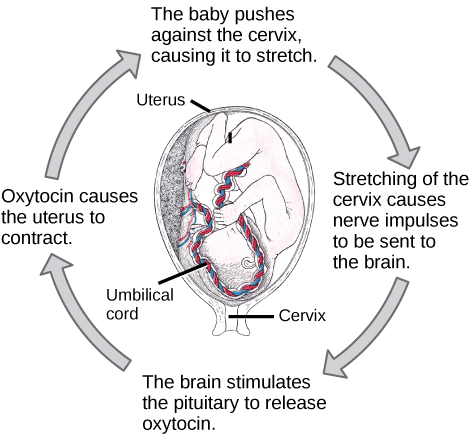
Labor during pregnancy is an example of a ____________ feedback loop
positive
negative
Blood clotting is an example of a ____________ feedback loop
positive
negative
Blood sugar regulation is an example of a ______________ loop
positive
negative
The group of organisms that use the process of homeostasis includes
mammals, only
animals, only
plants and animals
all living things

Which of the following is most likely to cause a person's blood cells to burst?
eating many salty foods
eating many greasy foods
drinking small amounts of water
drinking very large amounts of water
Which of the following is not regulated by homeostasis?
body temperature
blood sugar
blood pH
body movements

This graph shows an example of...
Blood sugar regulation
Homeostasis
Negative feedback
Positive feedback
What detects that the system is outside of homeostasis and adjustments need to be made?
effector
response
control center
stimulus
The body part that senses the change inside the organism ...
receptor
control center
effector
response
Identify the stimulus event.
Scenario: A person begins to exercise which causes their body temperature to increase. The temperature change is noticed and the person begins to sweat and their body temperature decreases.
body temperature increases
person begins to sweat
temperature change is noticed
person begins to exercise
Identify the response.
Scenario: A person begins to exercise which causes their body temperature to increase. The temperature change is noticed (sensed) and the person begins to sweat and their body temperature decreases.
the person begins to sweat
the person begins to exercise
change in temperature
body temperature increases

