
 Worksheets
Ecology part 2 Review
Total questions: 63
Worksheet time: 48mins
Which is considered an abiotic resource
Bones
Fallen Leaves
Water
Shrubs
Which is considered a biotic resource
sunlight
water
air
trees
During the winter, there is a loss of grass population. Which is the most likely result to the ecosystem
Primary consumer population will rise
Producer population will rise
Secondary consumer population will rise
Populations will have limited resources
Parasitism is a relationship in which
An organism hunts a prey, like a lion hunts a zebra
An organism draws its energy from the sun, like a flower
An organism provides source of energy for another organism, like dog with fleas
An organism flees from another organism, like a rabbit running from a dog
A host
provides energy and shelter for another organism
takes energy and shelter from another organism
provides directions for organisms
takes directions from organisms
What is an ecological community?
two or more of the same species living in an area
all of the abiotic and biotic factors in an area
one single organism in an ecosystem
all of the living parts of an ecosystem
A niche ________________.
is the function that an organism performs in the food web of that community.
includes everything else the organism does and needs in its environment.
is specific to each individual animal and plant.
All of the above.
What else could low biodiversity mean?
The organisms that live here suffer
Our ecosystem is healthy and can recover from disruption quickly
A disruption to our ecosystem won't recover as quickly
Disruptions happen all the time and can easily be fixed
Biodiversity, aka biological diversity, usually refers to
the number of people on Earth
the variety of species on Earth
the number of animal species in a specific area
the number of plant species in a specific area

Ticks feed on deer blood with harms the deer.
Mutualism
Commensalism
Parasitism
Mistletoe extracts water and nutrient from the spruce tree it is attached to.
Mutualism
Commensalism
Parasitism
In order for a parasite to survive it needs a...
abiotic factors
mutualism
none of these
A relationship where two organisms help each other and benefit?
parasitism
mutualism
commensalism
predation
A relationship where one organism eats another is called
competition
commensalism
mutualism
predation
A relationship where two organisms want the same resource
commensalism
competition
mutualism
predation
A relationship were one organism benefits and the other is unaffected
mutualism
predation
commensalism
competition
A relationship were one organism uses another to survive; often harming it in the process
parasitism
mutualism
commensalism
competition
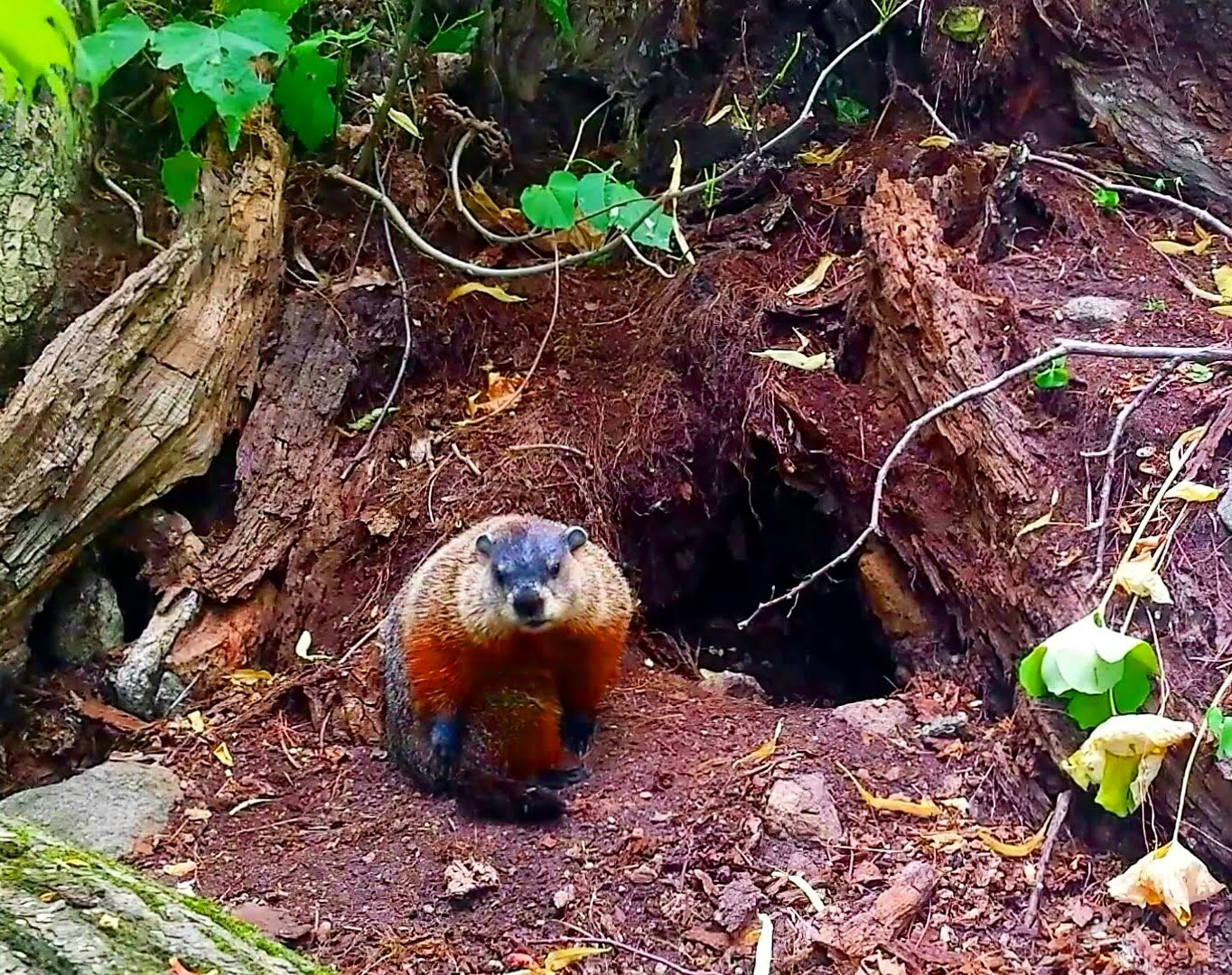
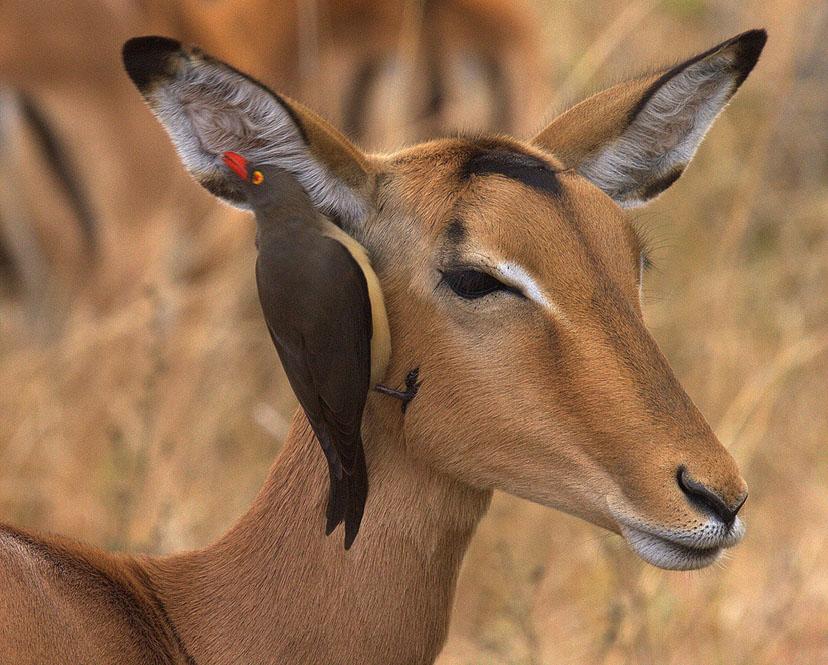

Clown fish live among anemones, acting as a lure for the sea anemone's prey. The clown fish get protection and shelter from the anemone. This is an example of which type of symbiosis?
Commensalism
Mutualism
Parasitism
large areas of similar ecosystems
astrodomes
food chain
biomes
food web
Rainforest, Deciduous Forest & Taiga
3 Grassland Biomes
3 Desert Biomes
3 Marine Biomes
3 Forest Biomes
Identify the biome based on the characteristics below
large, open spaces where mostly grass grows. Trees only grow near rivers or streams. The soil is very rich. The largest land animals live in this area
marine
grasslands
forest
tundra
Identify the biome based on the characteristics below
very, very dry. During the day, it can get above 100 degrees Fahrenheit (F), but at night the temperature can drop into the 40s & 50s( F): have very little rainfall.
taiga
deserts
tundra
grasslands
Identify the biome based on the characteristics below
found near the equator. They have the largest variety of plant and animal life. They are very warm and very wet. Some of them can get as much as 400 inches of rain every year.
desert
tropical rain forest
tundra
coniferous forest/taiga
Identify the biome based on the characteristics below
contain forests where the seasons change. The leaves change color in the autumn and fall off in the winter. Summers are warm and winters are cold.
coniferous forest
temperate deciduous forest
tropical rainforests
savannah
Identify the biome based on the characteristics below
located near the North Pole. A thin layer of soil covers something called permafrost, a layer of ground that is permanently frozen, so it never thaws. Most of the year the temperature is below freezing, and very little rain falls there. It is the coldest biome.
taiga
arctic
tundra
subpermafrost
Identify the biome based on the characteristics below
largest land biome-found between temperate forests and the Tundra-largest land biome-Plants include Coniferous evergreen trees.
Deciduous Forest
Grassland
Taiga
Tropical Rainforest
Identify the biome based on the characteristics below
cover 70% of the Earth
saltwater biome
freshwater biome
mariner biome
marine biome
Identify the biome based on the characteristics below
include rivers, lakes, streams and ponds. They are home to animals like fish, frogs and birds. Many plants grow in or near
saltwater biome
brackish biome
freshwater biome
brine bioms




A group of individuals that belong to the same species that live in the same area at the same time.
age structure
population
density

The number of individuals per unit area.
density
dispersion
age structure

The number of individuals in the population.
population size
density
dispersion
A mouse with a short life span, produces more offspring than can survive, and gives little or no parental care is a
R-selected species
K-selected species
An elephant that has only 1 offspring at a time, has a long life span, and provides parental care throughout maturity is a
K- selected species
R-selected species

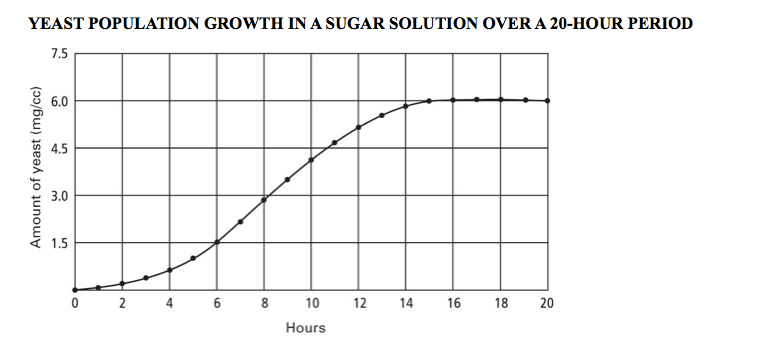
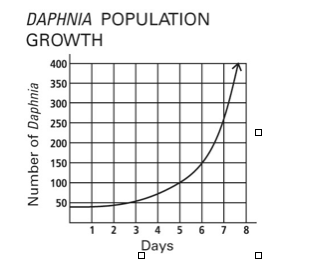
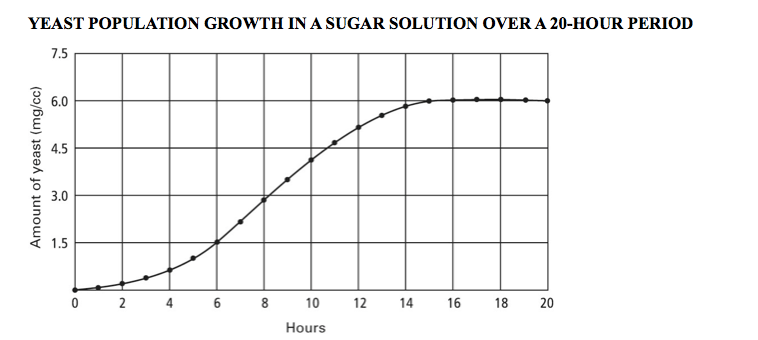
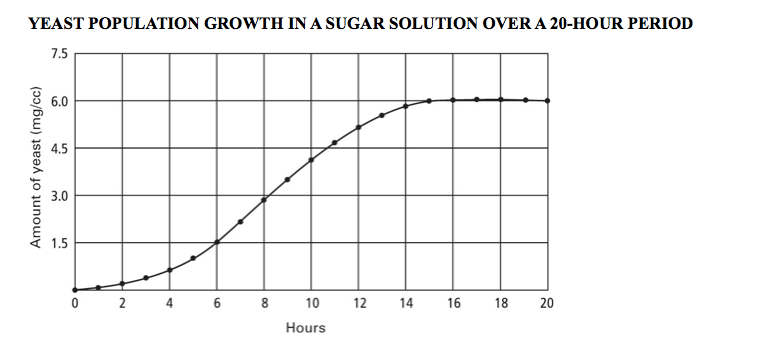
This graph represents the _______ growth curve.
Exponential
Logistic
These organisms have:
Long life span
Long period of gestation-pregnancy
Long term care of babies until maturity
Have few babies
K-strategist
R-strategist
H-strategist
These organisms have:
Short life span
Short gestation-pregnancy
Very little care for babies
Produce more offspring that can survive
R-strategist
K-strategist
H-strategist
After land is cleared for farming, what type of succession might occur?
Primary
secondary
tertiary
What is a climax community? Select 2
The final community in an ecosystem
The first species to appear after a forest fire
Moss and lichen
Tall hardwood trees
Which type of succession reaches the climax community faster?
primary succession
secondary succession
Which type of succession happens when a new island is formed by a volcano erupting?
primary succession
secondary succession
After a volcanic eruption, lava covers the land. What is the order that plants grow to repopulate the area?
Lichens → Shrubs → Grasses → Trees
Lichens → tree → shrubs→Grasses
Grasses → Lichens → Shrubs → Trees
Lichens → Grasses → Shrubs → Trees

