Wayground logo

Free Printable Worksheets

Font size

S
M
L
XL
Worksheets

Mini Test: Atoms and Subatomic Particles Review

Total questions: 92

Worksheet time: 1hrs 13mins

Name
Class
Date
1.

What do you think the overall charge of the NUCLEUS will be?

a)

+1

b)

0

c)

-1

2.

What is the center of the atom called?

(a)  

3.

Which picture do you think of when you hear the word 'atom'?

a)
b)
c)
d)
4.

What do you think the overall charge of the NUCLEUS will be?

a)

+1

b)

0

c)

-1

5.

What is the overall charge of the NUCLEUS?

a)

+1

b)

0

c)

-1

6.

What is the center of the atom called?

(a)  

7.

Which subatomic particle has a +1 charge?

(a)  

8.

Which subatomic particle has no charge (neutral)?

(a)  

9.

Quarks are the building blocks for which 2 particles?

a)

protons

b)

neutrons

c)

electrons

10.

What charge do electrons have?

a)

+1

b)

0

c)

-1

11.

If the electrons are the only particles in the electron cloud, what will the overall charge of the electron cloud be?

a)

+1

b)

0

c)

-1

12.

What is the overall charge of an ATOM?

a)

+1

b)

0

c)

-1

13.

The nucleus of an atom contains which subatomic particles?

a)

protons and electrons

b)

protons and neutrons

c)

electrons and neutrons

d)

protons, electrons, and neutrons

14.

Typically in an atom, which two subatomic particles are equal in number?

a)

protons and neutrons

b)

all subatomic particles are equal in number

c)

neutrons and electrons

d)

protons and electrons

15.

Which subatomic particle is counted to determine the type of element the atom represents?

a)

proton

b)

neutron

c)

electron

d)

boron

16.
Particles in an atom that are neutral and have no charge are 
a)
negatrons 
b)
electrons 
c)
neutrons 
d)
protons 
17.

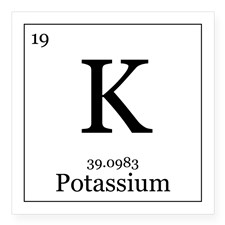
How many neutron are in the atom "K"?

a)

29

b)

19

c)

58

d)

20

18.
The atomic number is equal to _.
a)
the number of protons and electrons
b)
the number of neutrons only
c)
the total number of protons and neutrons
d)
the number of protons neutrons and electrons
19.
Adding or subtracting neutrons (charge = 0, mass = 1) makes the element change into an...
a)
ion
b)
mixture
c)
isotope
d)
neutral atom
20.
The atomic mass is equal to _.
a)
the number of protons only
b)
the number of neutrons only
c)
the total number of protons and neutrons
d)
the number of protons, neutrons, and electrons.
21.
An atom becomes _________ when it gains electrons.
a)
Positive
b)
Negative
c)
Neutral
d)
Invinsible
22.
An atom that has gained or lost electrons is called ...
a)
a winner
b)
an isotope
c)
an ion
d)
a loser
23.

When an atom loses an electron, it becomes a

a)

positive ion

b)

negative ion

c)

neutral ion

d)

neutral atom

24.

Which subatomic particle has a positive charge?

a)

proton

b)

neutron

c)

electron

d)

midichlorian

25.

Which subatomic particle has a negative charge?

a)

proton

b)

neutron

c)

electron

d)

cybertron

26.

What is the center of an atom called?

a)

The headquarters

b)

The centrometer

c)

The hypothesis

d)

The nucleus

27.

The nucleus of an atom contains which subatomic particles?

a)

protons and electrons

b)

protons and neutrons

c)

electrons and neutrons

d)

protons, electrons, and neutrons

28.

Typically in an atom, which two subatomic particles are equal in number?

a)

protons and neutrons

b)

all subatomic particles are equal in number

c)

neutrons and electrons

d)

protons and electrons

29.

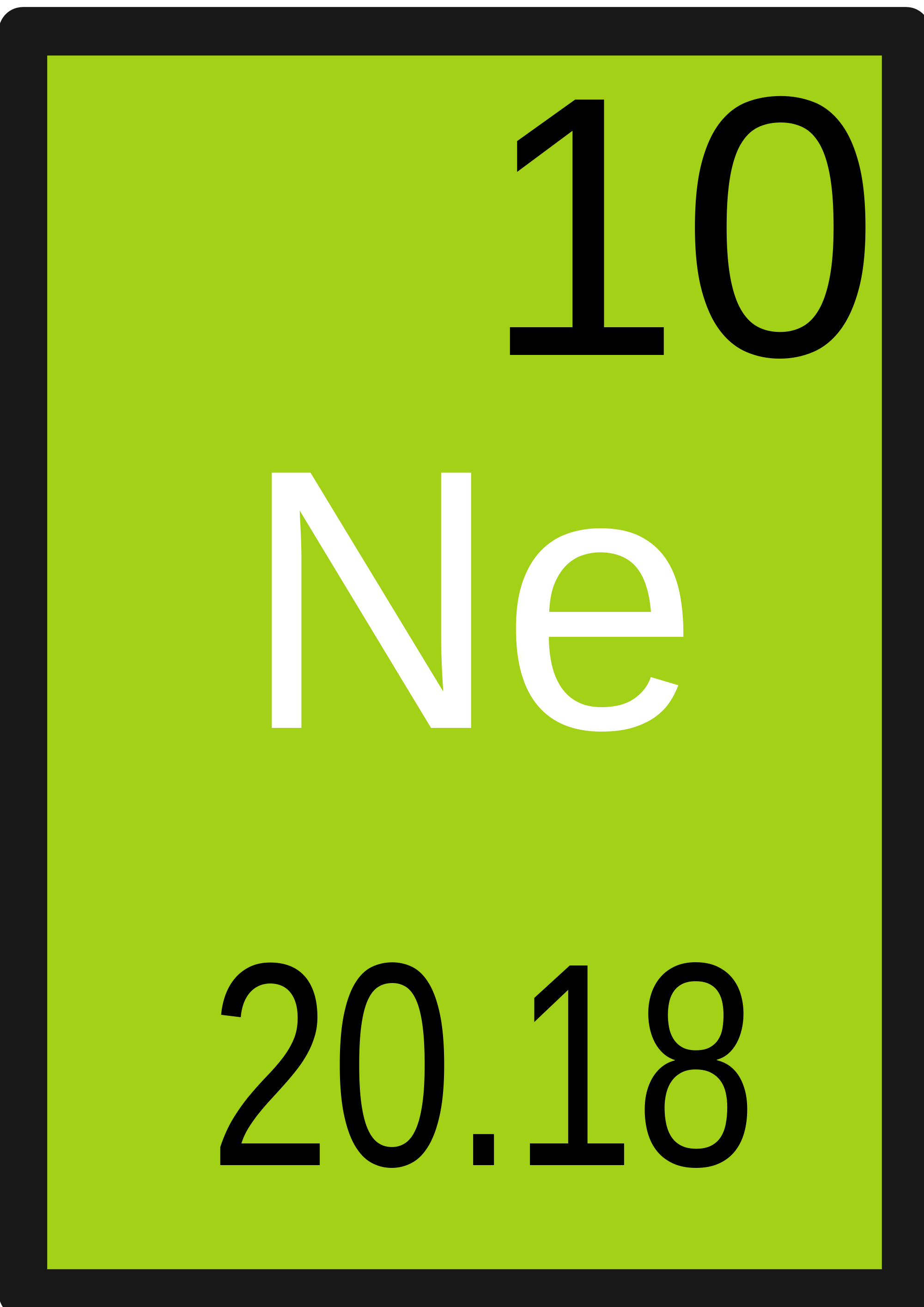
What is the atomic mass of Neon?

a)

10

b)

20.18

c)

10.18

d)

30.18

30.

How many electrons does a Copper atom have?

a)

63

b)

29

c)

92

d)

34

31.

How many electrons does a neutral Hydrogen atom have?

a)

1

b)

2

c)

3

d)

0

32.

How many electrons does an atom of Krypton have?

a)

36

b)

83.80

c)

48

d)

119.80

33.
What is the atomic number for an element with 41 neutrons and a mass number of 80?
a)
39
b)
41
c)
80
d)
121
34.

How many protons are present in phosphorus?

a)

15

b)

16

c)

31

d)

46

35.

How many neutrons does this lithium have?

a)

8

b)

3

c)

4

d)

5

36.
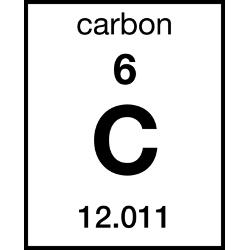
What does the 6 represent above the C
a)
Symbol 
b)
Name 
c)
Mass Number 
d)
Atomic Number 
37.

An element is defined by its number of ...

a)

protons

b)

electrons

c)

neutrons

d)

protons + electrons

38.

An atom with atomic number 6 would have how many neutrons?

a)

6

b)

12

c)

3

d)

cannot be determined

39.
What is the atomic number for an element with three protons?
a)
2
b)
1
c)
3
d)
6
40.

A neutral atom of the element sodium has ____ electrons.

a)

22

b)

23

c)

8

d)

11

41.
How many neutrons does an element have with the atomic number of 36?
a)
36
b)
84
c)
48
d)
18
42.
Adding or subtracting neutrons (charge = 0, mass = 1) makes the element change into an...
a)
ion
b)
mixture
c)
isotope
d)
neutral atom
43.

Adding or subtracting electrons changes the elements overall charge and makes the element change into an...

a)

ion

b)

mixture

c)

isotope

d)

neutral atom

44.
An atom becomes _________ when it gains electrons.
a)
Positive
b)
Negative
c)
Neutral
d)
Invinsible
45.
Cations are...
a)
Positive
b)
Negative
c)
Neutral
d)
Purring
46.
Anions are...
a)
Positive
b)
Negative
c)
Neutral
d)
Crying
47.
An atom becomes _______ when it loses electrons.
a)
Positive
b)
Negative
c)
Neutral
d)
Invinsible
48.
Which particles change the charge in atoms when ions are formed?
a)
Protons
b)
Electrons
c)
Neutrons
d)
Kittens
49.

What property determines if an atom is identified as Chlorine?

a)

it has 18 neutrons

b)

it has an atomic mass of 35

c)

it has 17 protons

d)

Its element symbol is Cl

50.

How many protons are in a Chlorine atom?

a)

17

b)

35

c)

35.45

d)

18

51.

How many electrons are in a Chlorine atom?

a)

17

b)

35

c)

35.45

d)

18

52.

How many neutrons are in an average Chlorine atom?

a)

17

b)

35

c)

35.45

d)

18

53.
What is the atomic mass of Neon?
a)
10
b)
20.18
c)
10.18
d)
30.18
54.

How many electrons does a Copper atom have?

a)

63

b)

29

c)

92

d)

34

55.

How many neutrons does a Hydrogen atom have?

a)

1

b)

2

c)

3

d)

0

56.

How many protons are in a phosphorus atom?

a)

15

b)

16

c)

31

d)

46

57.

The nucleus of an atom contains which subatomic particles?

a)

protons and electrons

b)

protons and neutrons

c)

electrons and neutrons

d)

protons, electrons, and neutrons

58.
The atomic number is equal to _.
a)
the number of protons and electrons
b)
the number of neutrons only
c)
the total number of protons and neutrons
d)
the number of protons neutrons and electrons
59.

How many neutrons are in a Phosphorus atom?

a)

15

b)

30.9738

c)

16

d)

31

60.

An element has 5 protons, 6 neutrons, and 7 electrons. What is the charge of the atom?

a)

+2

b)

-1

c)

+1

d)

-2

61.

An element has 5 protons, 6 neutrons, and 5 electrons. What is the mass number?

a)

5

b)

10

c)

11

d)

16

62.

An element has 5 protons, 6 neutrons, and 7 electrons. What is the charge of the atom?

a)

+2

b)

-1

c)

+1

d)

-2

63.

How many protons are in an average Chlorine atom?

a)

17

b)

35

c)

35.45

d)

18

64.

How many electrons are in an average Chlorine atom?

a)

17

b)

35

c)

35.45

d)

18

65.

How many neutrons are in an average Chlorine atom?

a)

17

b)

35

c)

35.45

d)

18

66.

The chlorine ion represented by the symbol Cl- has how many protons?

a)

17

b)

35

c)

35.45

d)

18

67.

The chlorine ion represented by the symbol Cl- has how many electrons?

a)

17

b)

35

c)

35.45

d)

18

68.
How many protons are in lead?
a)
207
b)
82
c)
298
d)
125
69.
How many neutrons are in sodium?
a)
23
b)
11
c)
34
d)
12
70.
How many electrons are in barium?
a)
56
b)
137
c)
193
d)
81
71.
What does the atomic mass stand for?
a)
number of protons
b)
number of electrons
c)
number of neutrons
d)
number of protons and neutrons
72.
What does the atomic number stand for?
a)
number of protons
b)
number of neutrons
c)
number of electrons
d)
number of protons and neutrons
73.
If you know the atomic number of an element, what other two values do you know?
a)
the number of protons, the number of neutrons
b)
the number of protons, the number of electrons
c)
the atomic mass, the number of protons
d)
the number of neutrons, the number of electrons
74.
How many protons are in cobalt?
a)
27
b)
59
c)
32
d)
86
75.
What is the atomic number for nickel?
a)
59
b)
28
c)
31
d)
87
76.
How many neutrons are in chlorine?
a)
52
b)
35
c)
17
d)
18
77.
What is the atomic mass of osmium?
a)
76
b)
190
c)
266
d)
114
78.
How do you calculate the number of neutrons in an atom?
a)
It's the same as the number of protons.
b)
It's the same as the number of electrons.
c)
It's the same as adding the number of protons and neutrons.
d)
Round the mass, and subtract the atomic number.
79.
If an atom contains 55 electrons, how many protons will it have?
a)
55
b)
133
c)
30
d)
25
80.
Which element has atomic number 24?
a)
chromium
b)
magnesium
c)
vanadium
d)
manganese
81.
What is the name of this element?
a)
Lisbon
b)
Librarium
c)
Lithium
d)
Lithuania
82.
What is the name of this element?
a)
Cool
b)
Creepy
c)
Car
d)
Carbon
83.
How many neutrons are in potassium?
a)
20
b)
39
c)
19
d)
58
84.
What is different between these two atoms of oxygen?
a)
They have a different number of protons.
b)
They have a different number of neutrons.
c)
They have a different number of electrons.
d)
They don't have anything different.
85.
Using the diagram, what is a good definition of an isotope?
a)
Isotopes are atoms that have different amounts of electrons.
b)
Isotopes are atoms that have different amounts of protons.
c)
Isotopes are atoms that have different amounts of neutrons.
d)
Isotopes are atoms that have a different atomic number.
86.
How many electrons does neon have?
a)
20
b)
10
c)
30
d)
5
87.
How is the periodic table organized?
a)
by number of neutrons
b)
by number of electrons
c)
by atomic mass
d)
by atomic number
88.
Why are normal atoms neutral?
a)
The number of protons and electrons are the same.
b)
The number of protons and neutrons is the same.
c)
The number of electrons and neutrons is the same.
89.
What is the symbol for beryllium?
a)
be
b)
BE
c)
Be
d)
bE
90.
What is the symbol for zinc?
a)
Zn
b)
Z
c)
Zi
d)
Zc
91.
What is the symbol for mercury?
a)
Me
b)
Mr
c)
Hg
d)
My
92.
How many electrons are in iridium?
a)
77
b)
192
c)
115
d)
269