
 Worksheets
Second Quarter Exam (Reviewer)
Total questions: 100
Worksheet time: 1hrs 5mins
La reaches the grocery after traveling 10 km northward. She went back home after, what is her distance in km?
(a)
A car travels 15 680 meters at a constant speed of 88.6 m/s. How long does it take for the car to complete its journey in hour? (Express your answer up to 2 decimal places)
(a)

Wave 1
Infrasound
sonic
ultrasound
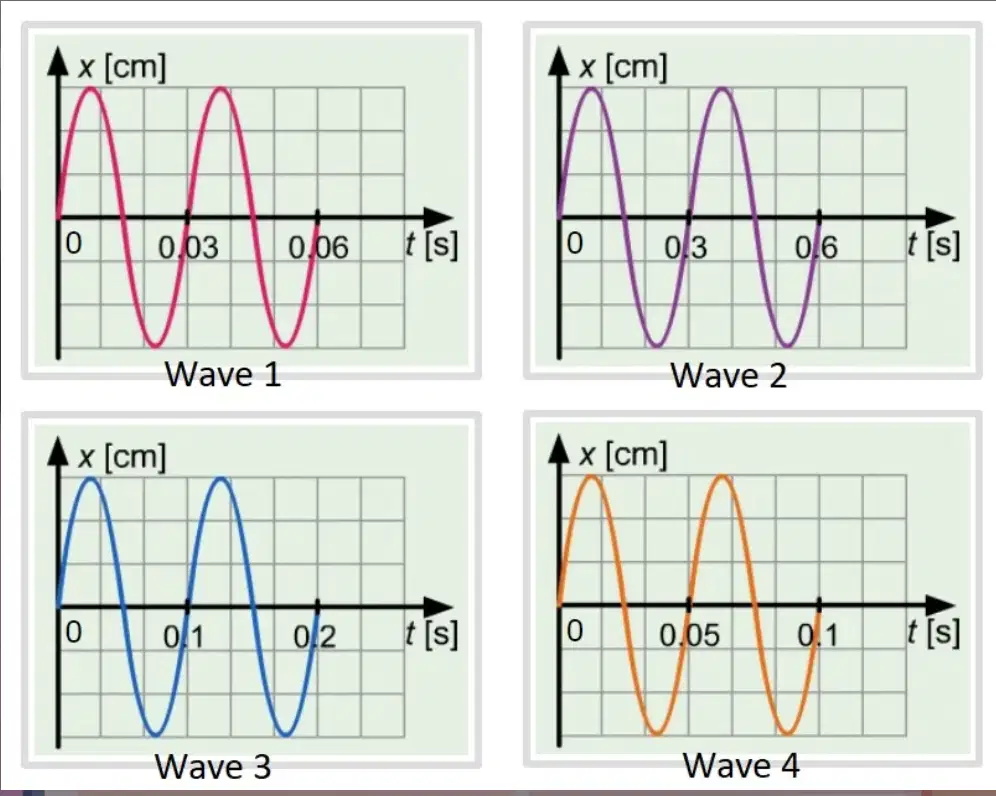
Wave 2
infrasound
ultrasound
sonic
Wave 3
infrasound
ultrasound
sonic
Wave 4
infrasound
ultrasound
sonic
An object traveling in one straight path and goes back to its original position will have a displacement of zero.
True
False
A device that can detect either a change in the position of an object is called _______
motion sickness
motion detector
ticker timer
speedometer
How far can a boat travel in 2.5 h if its average speed is 43 km/h (in km)?
(a)
The school elevator operates at a speed of 5.8m/s. If the 5th floor is 4.3 m from the ground, how long (seconds) does it take the elevator to reach the 5th floor from the ground floor?
(a)

Read the problem
Constant speed
Decreasing speed
At rest
Increasing speed
Speed is a vector quantity that refers to how far an object moves in a given time interval.
True
False
Object traveling in uniform motion will have an average speed which is equal to any of its speeds at any point in time.
True
False
A motorbike travels 2 km East, then 2 km South, and 2 km West. What is the direction of the displacement?
East
West
North
South
Linda reaches the grocery after traveling 10 km northward. she went back home, what is her displacement?
(a)
An object is not changing its velocity, it is accelerating.
True
False
Automatic doors, security cameras, and smoke detectors have motion detectors.
True
False
At the start of a journey, the odometer (a device that tracks the total distance a car has traveled) showed an initial reading of 50, 300 km. At the end of the journey, the odometer reading was 50, 800 km. How long was the distance traveled by the car in km?
(a)

at rest
uniform speed
slowing down
uniformly accelerating
What acceleration is needed to slow down a bus from 55 km/h to 30 km/h in half an hour in km/h2 (2 decimal places)?
(a)
What is Ramon’s average velocity if his position changes from 20 m East to 60 m East during a five-second time interval in m/s?
(a)
How far (km) can a cyclist travel in 3.5 hours if his average speed is 14 km/h?
(a)
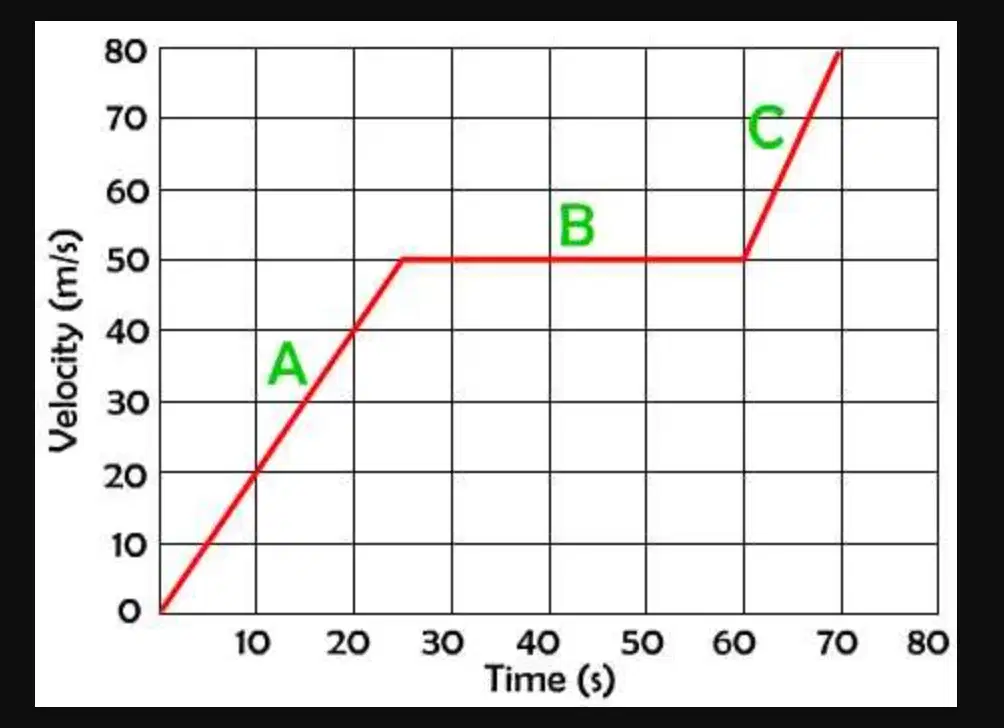
What is the acceleration of the object from 25 s to 60 s?
0 m/s2
0.83 m/s2
50 m/s2
59.40 m/s2
What is the final velocity of the object?
0 m/s
50 m/s
80 m/s
59.40 m/s
What is the acceleration of the object in m/s2?
(a)

0 m
5 m
10 m
15 m

6 s
7 s
8 s
9 s

1.7 m/s
2.5 m/s
1.5 m/s
1 m/s
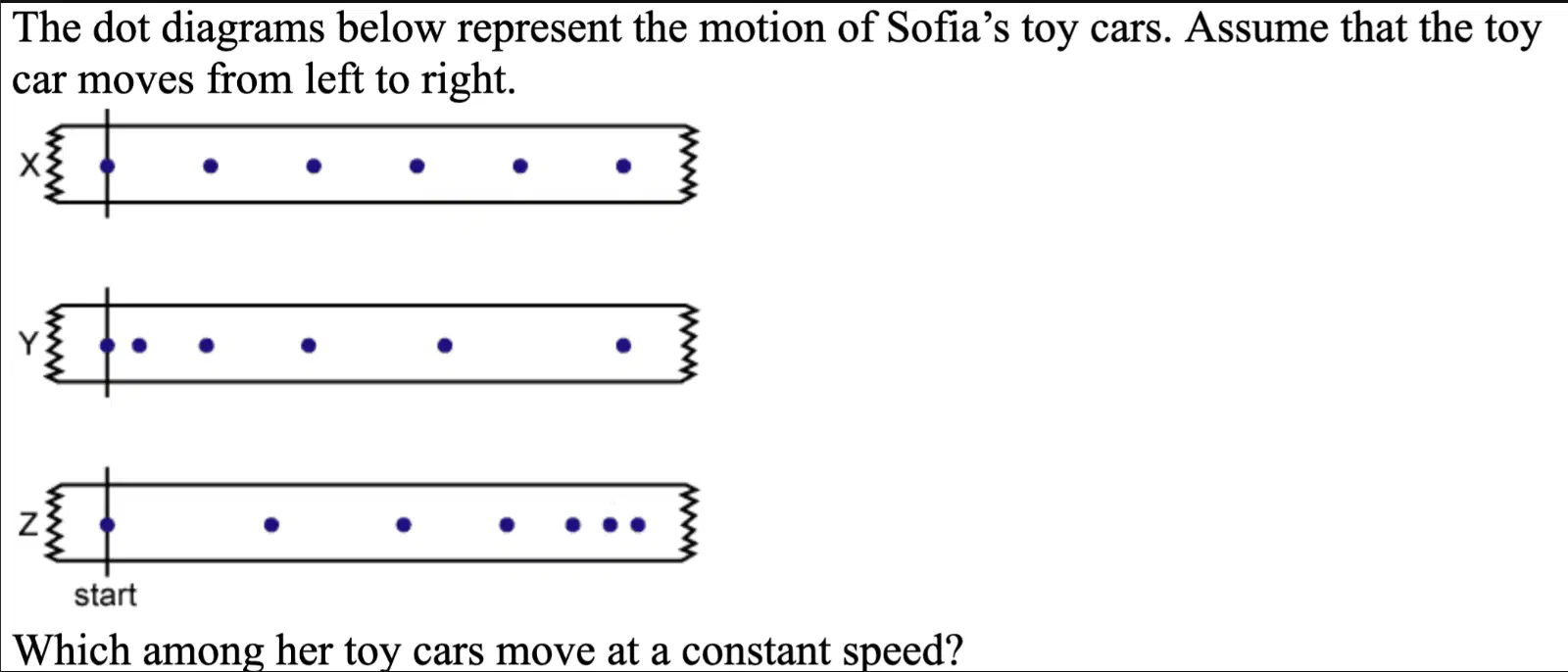
X
Y
Z
XYZ
When two objects travel at the same time, the one which has a shorter distance covered to complete the journey has the greater speed.
True
False
An object is in motion when its distance changes with respect to a point of reference.
True
False
An object is not changing its velocity, it is accelerating.
True
False
In which property of EM waves is the energy it carries directly related?
wavelength
loudness
frequency
pitch
Radio wave is a mechanical wave.
True
False
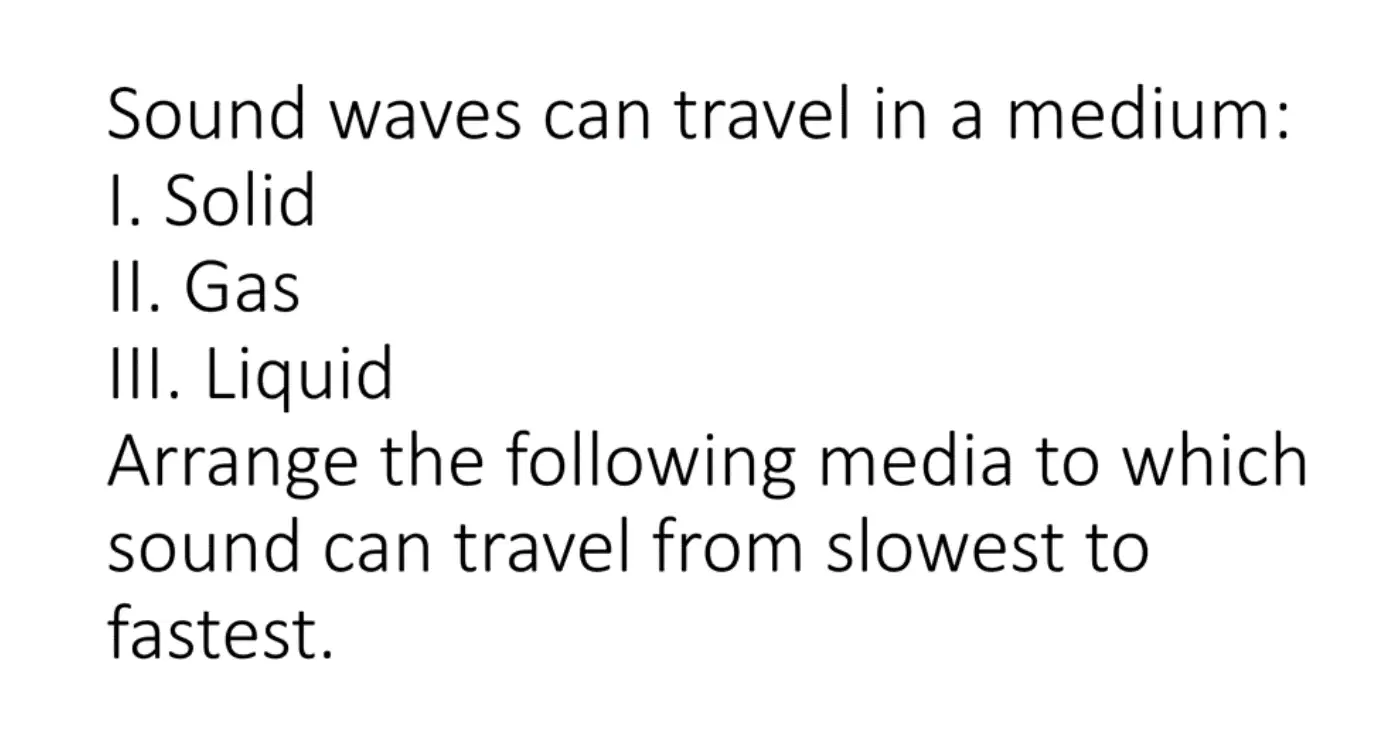
I-II-III
III-II-I
II-III-I
II-I-III
Sound can travel in any of the following except:
space/vacuum
gas
liquid
solid
A wave has a speed of 245 m/s and a wavelength of 12 m. What is the wave's frequency (Hz)?
(a)
A wave has a speed of 340 m/s and a frequency of 15 Hz. What is the wavelength of the wave?
(a)
Short wavelengths wave have __________ frequency.
short
no effect
high
all of the choices
The higher the amplitude of the sound, the __________ it is.
quieter
louder
no effect
all of the choices

Which has greater energy?
Wave C
Wave D
both Wave C and D
none of the choices
Which has longer wavelength?
Wave C
Wave D
both Wave C and D
none of the choices
When wavelength increases, frequency __________.
increases
decreases
stays the same
no effect
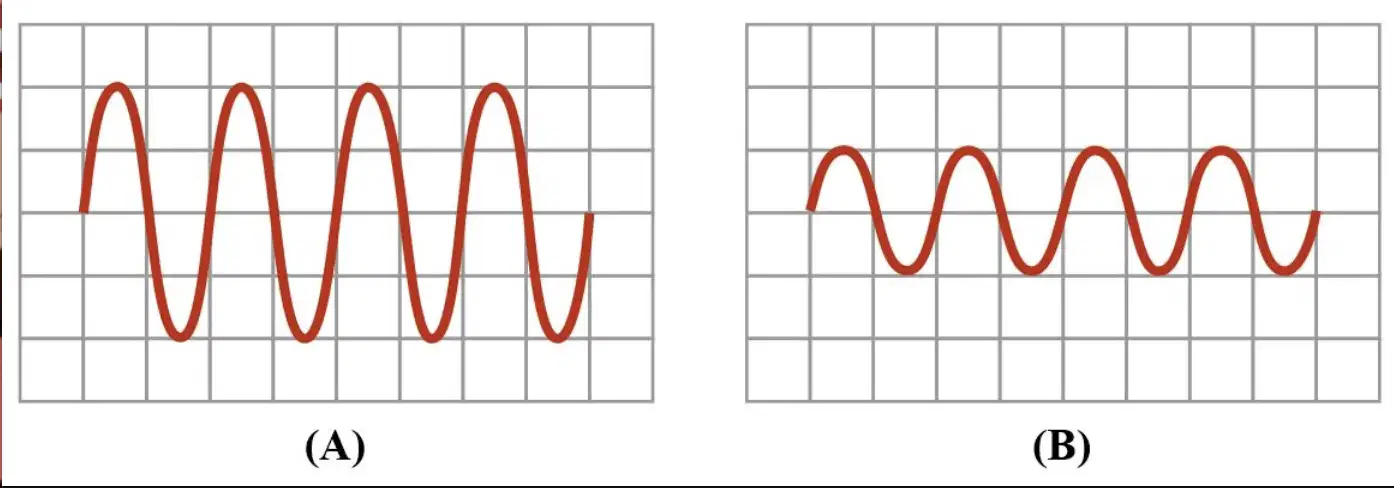
Wave A has higher amplitude than wave B.
True
False
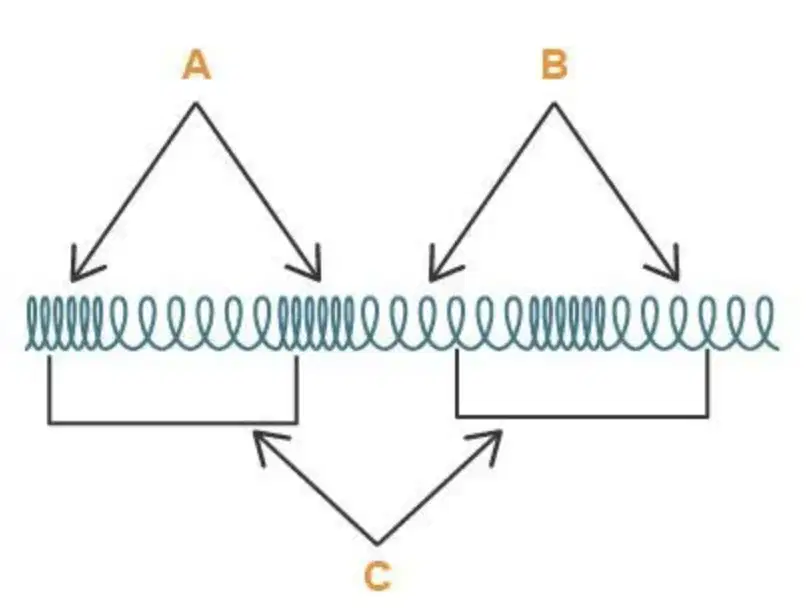
A is ____________
compression
rarefaction
crest
trough
B is ____________
compression
rarefaction
crest
trough
C is ____________
Wavelength
frequency
amplitude
A car is slowing down from 25 m/s to 15 m/s for a period of 5 s. The car’s acceleration is -2 m/s/s.
True
False
The unit of acceleration is _________.
meters
m/s2
seconds
hours
Jon jogs in Arellano gymnasium, he starts by covering 5 km west, then 5 km north, 3 km east, and finally 2 km South. What is the total distance covered by Jon in km?
(a)
Jon jogs in Arellano gymnasium, he starts by covering 5 km west, then 5 km north, 3 km east, and finally 2 km South. What is his speed if he completed it in 0.5h?
5 km/h
10 km/h
15 km/h
20 km/h
30 km/h
Jon jogs in Arellano gymnasium, he starts by covering 5 km west, then 5 km north, 3 km east, and finally 2 km South. What is his average velocity if he goes back to the starting point?
5 km/h
10 km/h
15 km/h
20 km/h
0
Junard's car is in a negative acceleration. This means that the car is ____
speeding up
at rest
slowing down
constant speed
Positive acceleration means that the object is __________
at rest
slowing down
speeding up
constant
The following are examples of acceleration except:
a bicycle slowing down
a train speeding up
an object falling from a bridge to the ground
a kalesa without a change in velocity
Velocity is used to describe the movement of the typhoon.
True
False
Which among the following choices is correctly matched?
speed: scalar quantity
distance: vector quantity
velocity: scalar quantity
displacement: scalar quantity
The distance between your house and school is 200 km. If your car's speed is 50 km/h, how long is your travel time in minutes?
(a)
You can run for an ave. speed of 5 m/s. If your distance covered is 4056 m. What is your estimated time travel?
12 to 14 mins
10 to 11 mins
9 mins
6 to 10 mins
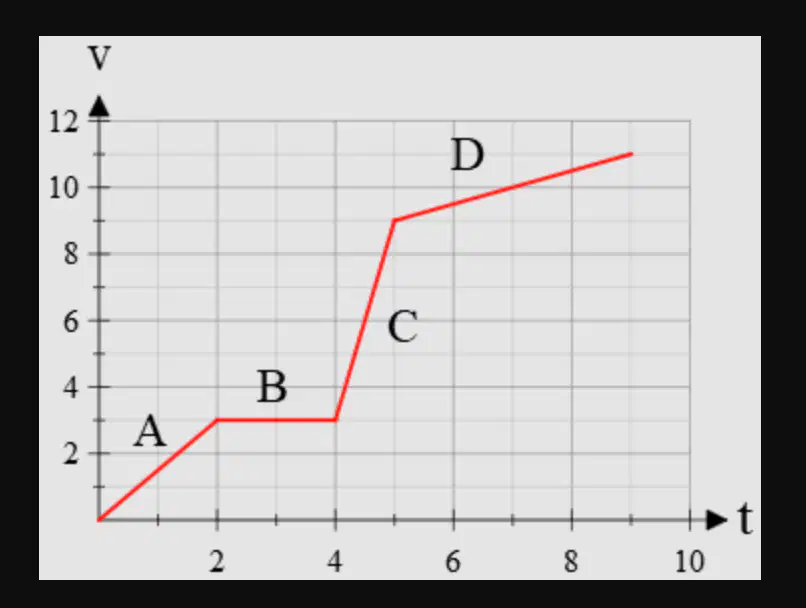
What is the object doing in segment B?
speeding up
slowing down
resting
none of the choices
What is the object doing in segment A?
speeding up
slowing down
resting
none of the choices
A car driving at 50 km per hour drives for 3 hours. What distance did it cover?
150,000 km
150 m
150,000 m
150 km/h
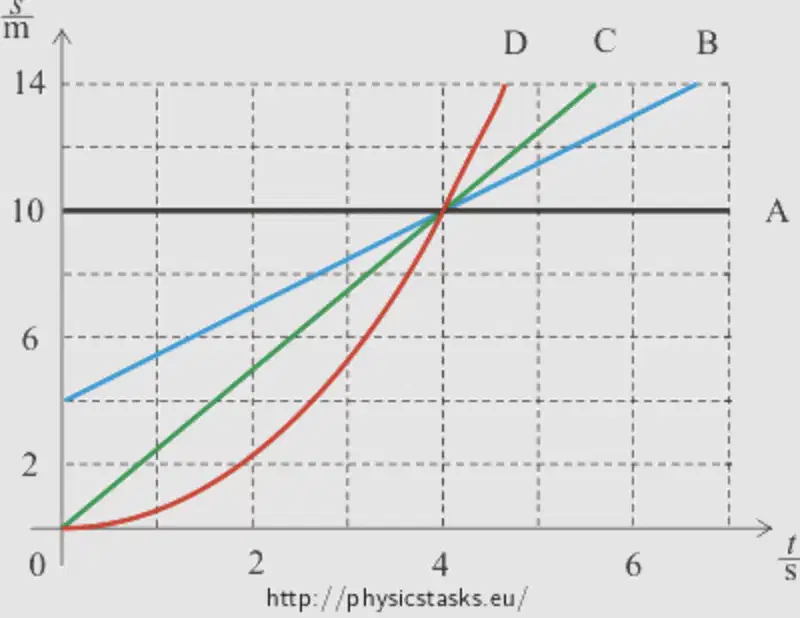
What is the speed of A in m/s?
(a)
What is the speed of B in m/s?
(a)
What is the speed of C in m/s?
(a)
What is the speed of D in m/s?
(a)
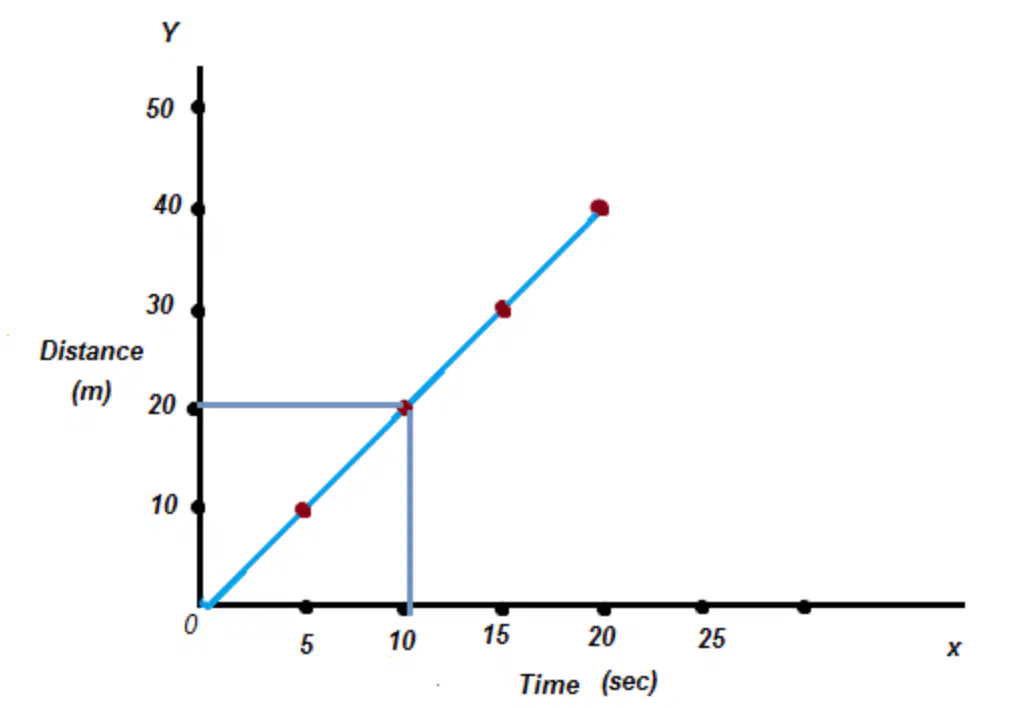
What is the distance covered after 5 seconds?
0 m
10 m
20 m
30 m
What is the speed of the object?
0 m/s
2 m/s
4 m/s
5 m/s
What is the travel time (in minutes) of the object in 30 meters?
(a)
How will you describe the motion of the object?
The object is accelerating.
The object is moving in a uniform motion.
The object is decelerating.
It is at rest

What is the initial velocity of the object?
20 m/s
14 m/s
0 m/s
0.71 m/s
What is the final velocity of the object?
20 m/s
14 m/s
0 m/s
0.71 m/s
What is the initial velocity of the object?
20 m/s
14 m/s
0 m/s
0.71 m/s
What is the acceleration of the object (m/s2)?
(a)
Distance covered from 11 s to 19 s
20 m
14 m
0 m
0.71 m
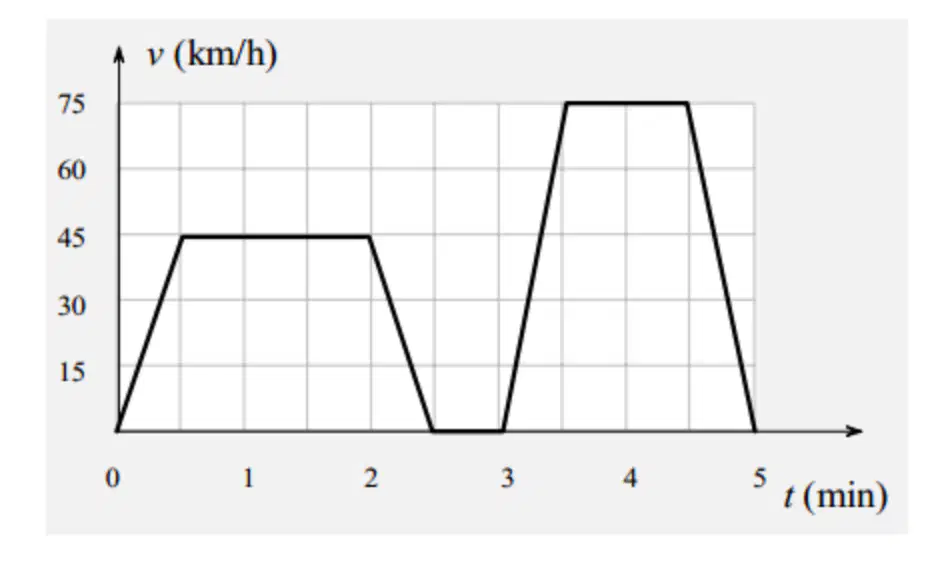
In the graph below, how many segments is the object not moving?
1
2
3
4
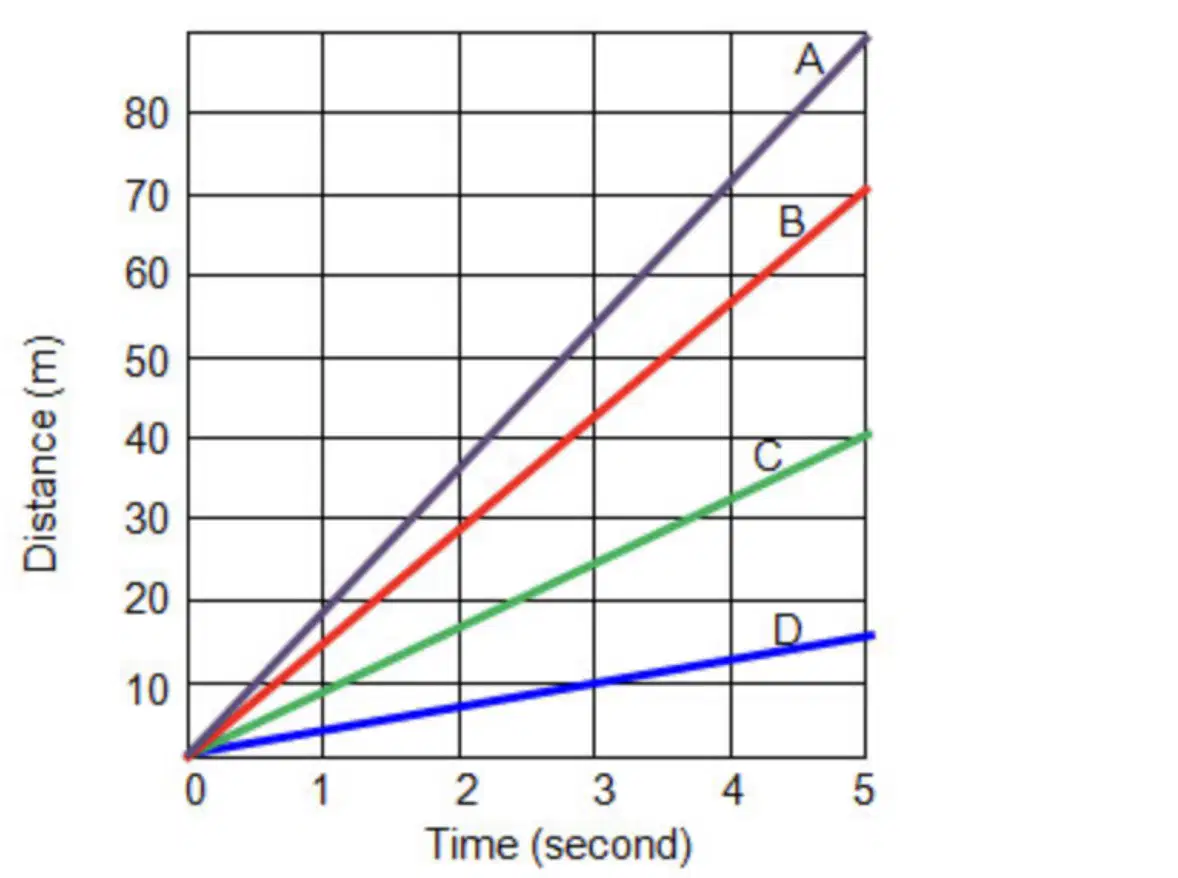
Which object has the fastest speed?
A
B
C
D

What is happening between segment C to D?
The object is speeding up
The object is at rest
The object is decelerating
The object is moving at a constant velocity
Which segment/s did the bus stop?
B-C
D-E
F-G
all of the choices
Which of the waves needs medium to propagate?
radiowave
visible light
xray
sound wave
Which of the following is an example of scalar quantity?
A ball rolls from rest to 2 m/s East.
A marble accelerates for 1.2 m/s.
Martha walks 25 meters.
Margarita swims with a speed of 20 m/s.
Which of the following is an example of vector quantity.
A kalesa with a displacement of 10 m North
A bicycle covered 5 km.
A motorcycle with a speed of 1.5km/h
A car with an acceleration of 10 km/h
Which of the following colors of visible light is arranged in increasing wavelength?
Violet, blue, green, yellow, orange, red
red, orange, yellow, green, blue, violet
yellow, orange, red, blue
violet, green, blue, yellow, orange, red
Which of the following colors of visible light is arranged in increasing frequency?
Violet, blue, green, yellow, orange, red
red, orange, yellow, green, blue, violet
yellow, orange, red, blue
violet, green, blue, yellow, orange, red
A disturbance that transfers energy from one place to another without transferring matter.
wave
crest
trough
Which medium will transmit sound the fastest?
ocean water
solid iron
perfumed air
a sponge
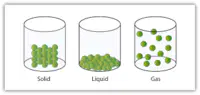
What state of matter allows sound to travel the slowest?
solid
liquid
gas
In ROYGBIV, which color has the longest wavelength?
red
blue
violet
orange
What can electromagnetic waves travel through (select all that apply)?
solid
liquid
gas
empty space
ROYGBIV is the basic component of visible light. Which color of light
carries the highest energy?
violet
green
yellow
red
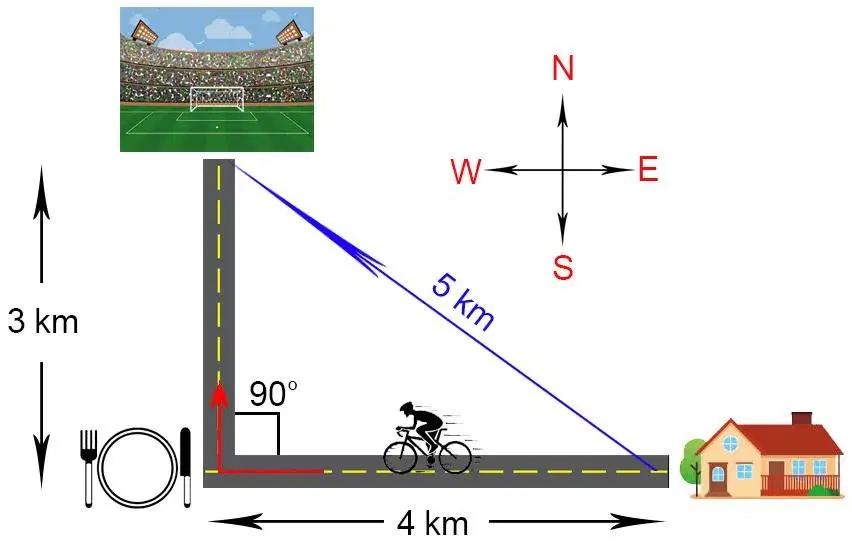
The restaurant is 4 km away from home.
Scalar
Vector
The biker is moving 4km/hr West.
Scalar
Vector
The stadium is 3 km North from the restaurant.
Scalar
Vector
Maloi and Sheena want to ride their bikes from their house to their Tita Lisa's house which is 16.00 kilometers away. It takes Maloi 30 minutes to arrive at Tita Lisa's house. Sheena arrives 15 minutes after Maloi.
How long did it take for Maloi to reach Tita Lisa's house? Note: 1 minute= 60 seconds; 1 hour= 60 minutes
2.00 hours
0.50 hour
1.00 hour
0.75 hour
Maloi and Sheena want to ride their bikes from their house to their Tita Lisa's house which is 16.00 kilometers away. It takes Maloi 30 minutes to arrive at Tita Lisa's house. Sheena arrives 15 minutes after Maloi.
How long did it take for Sheena to reach Tita Lisa's house? Note: 1 minute= 60 seconds; 1 hour= 60 minutes
2.00 hours
0.50 hour
1.00 hour
0.75 hour
Maloi and Sheena want to ride their bikes from their house to their Tita Lisa's house which is 16.00 kilometers away. It takes Maloi 30 minutes to arrive at Tita Lisa's house. Sheena arrives 15 minutes after Maloi.
How far is Tita Lisa's house from the house of Maloi and Sheena? Note: 1 km = 1000 m
(a)
Marco is on his skateboard and starts skating down a ramp. After 0.20 minutes he is travelling at 24 m/s.
What is Marco's initial velocity in m/s?
(a)
Marco is on his skateboard and starts skating down a ramp. After 0.20 minutes he is travelling at 24 m/s.
What was Marco's acceleration in m/s²?
(a)
Marco is on his skateboard and starts skating down a ramp. After 0.20 minutes he is travelling at 24 m/s.
What is Marco's final velocity in m/s?
(a)
0.20 minutes is equivalent to (a) seconds.

