
NEW
Font size
 Worksheets
Unit 4: Practice Test: Earth's Systems & Changing Surface
Total questions: 60
Worksheet time: 42mins
Which is a cause of PHYSICAL WEATHERING, but not chemical weathering?
salt
wind
acids
bases
Which is a cause of chemical weathering?
lce
Wind
Oxygen
Carbon
Leaves release acids into the soil as they decay.
How could the decaying leaves affect the rocks in the soil underneath them?
They could increase the amount of physical weathering.
They could decrease the amount of physical weathering.
They could increase the amount of chemical weathering.
They could decrease the amount of chemical weathering.
Landslides, rockfalls, and mudslides are responsible for both erosion and deposition.
What condition is MOST LIKELY to create a mudslide.
Ice
Rain
Wind
Sleet
Water moves under Earth's surface to fill in open spaces in rocks or soil.
What is this type of water called?
Watershed
Water Table
Groundwater
Fresh water
Wind and rain can break down exposed rock.
True
False
What happens when sediment eroded by water, ice, and wind slows down or stops moving?
The sediment is deposited in a new location.
The sediment continues to erode.
The sediment instantly turns into soil.
The sediment mixes with other sediment to become rock.
Where do erosion and deposition occur in a river?
Erosion occurs where fast-moving river water picks up soil and moves it downstream. Deposition occurs where a river current slows as it enters a larger body of water and drops the soil.
Deposition occurs where fast-moving river water picks up soil and moves it downstream. Erosion occurs where a river current slows as it enters a larger body of water and drops the soil.
A river erodes land. There is no deposition.
A delta forms at the mouth of a river from deposition. There is no erosion.
How is water a weathering agent?
It dissolves minerals in rocks.
It grinds and polishes rock by moving particles against it.
It grows on rocks to break the rock apart.
It is not a weathering agent.
Mechanical weathering ____.
breaks apart rocks by physical processes
occurs when chemical reactions dissolve or change the minerals in rocks
occurs when iron is exposed to oxygen and water
none of the above
Chemical weathering ____.
is caused by freezing and thawing
breaks apart rocks by physical processes
occurs when chemical reactions dissolve or change the minerals in rocks
none of above

What type of weathering is responsible for the formation of caves?
Physical Weathering
Chemical Weathering

Which statement best explains how this rock formation (The Lighthouse of Palo Duro Canyon State Park) likely formed over time?
The Lighthouse formed as water erosion carved away the softer rock around the structure over time
The Lighthouse formed from multiple episodes of wind erosion and deposition over time
The Lighthouse formed as repeated flash floods deposited sediments and rocks on the structure over time
The Lighthouse formed as desert plants protected some of the rock layers from erosion over time

What shaped valleys do glaciers carve into mountains?
L-shaped
U-shaped
T-shaped
S-shaped
Which of these is NOT a land feature formed by wind erosion
Sand Dunes
Arches
Caves
Scoured and Sandblasted Rocks
Which natural systems cause Earth's surface to change?
Gravity and living organisms
Water and wind
Ice and atmosphere
All of the above
What is erosion?
The process of breaking down large objects
The process of moving sediment from one place to another
The process of depositing sediment in a new location
The process of volcanic eruptions
DELTAS forming at the mouths of rivers
Weathering
Erosion
Deposition

A metal statue slowly turning green after years of being outside is an example of:
physical weathering
chemical weathering
Water found under Earth's surface, in spaces between rocks, or in soil.
Surface Water
Ground Water
Aquifer
Watershed
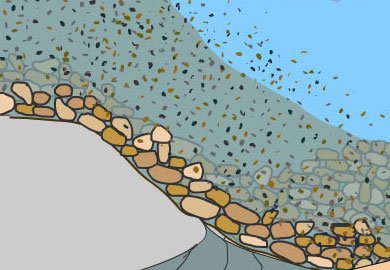


This "sphere" has Earth's water
Geosphere
Hydrosphere
Atmosphere
Biosphere
This "sphere" has Earth's rocks
Geosphere
Hydrosphere
Atmosphere
Biosphere
This "sphere" has Earth's living things
Geosphere
Hydrosphere
Atmosphere
Biosphere
This "sphere" has Earth's air
Geosphere
Hydrosphere
Atmosphere
Biosphere
Humans are living things. Humans are part of Earth's ___.
Geosphere
Hydrosphere
Atmosphere
Biosphere
Mountains are made of rocks. Mountains are part of Earth's ___.
Geosphere
Hydrosphere
Atmosphere
Biosphere
Oxygen is the air we breathe. Oxygen is part of earth's _____.
Geosphere
Hydrosphere
Atmosphere
Biosphere
The oceans are made of water. The oceans are part of Earth's _____.
Geosphere
Hydrosphere
Atmosphere
Biosphere

A large moving piece of ice.
glacier
wind
mountain
tectonic plate

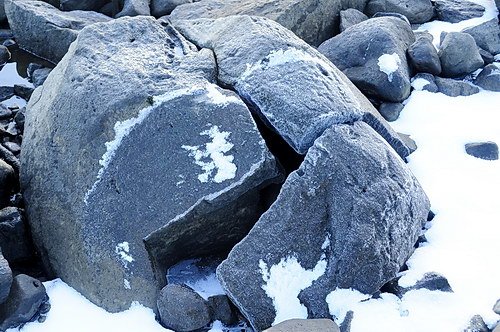
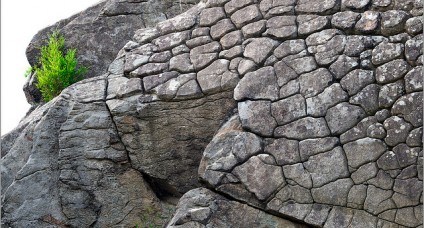
What process is occurring here?
exfoliation
ice wedging
erosion
abrasion
Gradual changes take___.
Moments
Days
Months
Hundreds and Thousands of years
Catastrophic changes take___.
Moments
Days
Months
Hundreds and Thousands of years
Is costal erosion catastrophic or gradual?
Catastrophic
Gradual
Is Flooding catastrophic or gradual?
Catastrophic
Gradual
Is river erosion catastrophic or gradual?
Catastrophic
Gradual
Is a glacial erosion catastrophic or gradual?
Catastrophic
Gradual

A _____ is a mass of snow and ice that moves slowly over the land.
moraine
glacier
till
u-shaped valley
_____ is the removal of large chunks of rock picked up by the glacier
Plucking
Abrasion
Weathering
Erosion

_____ is the material that is deposited by the melting glacier.
kettles
cirque
horn
till
_____ are piles of till deposited at the bottom of glaciers.
cirque
end moraine
lateral moraine
erratics
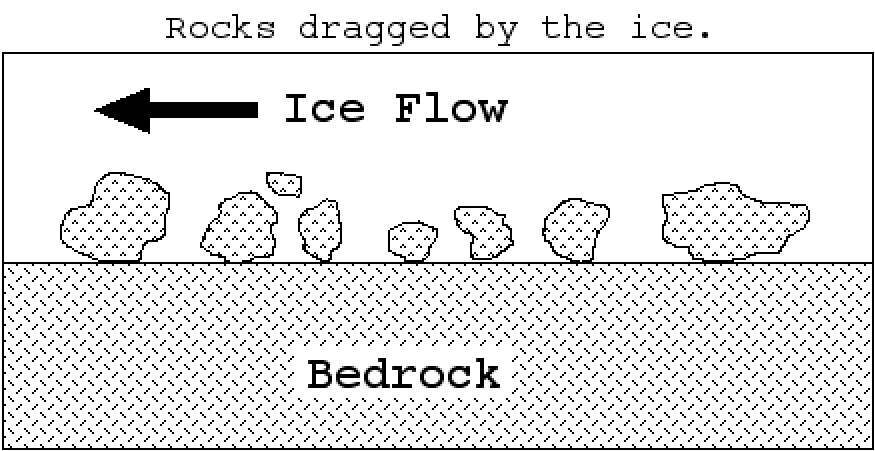


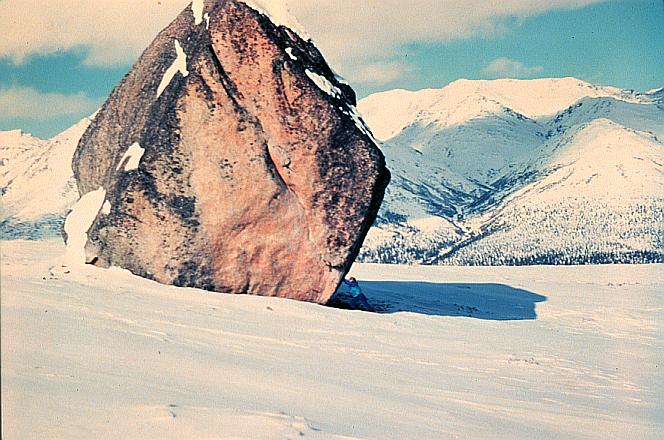
Erratic

