
 Worksheets
evolution practice.. LONG
Total questions: 157
Worksheet time: 3hrs 43mins
What is Natural Selection?
Favorable traits that will help one survive in the environment are passed on to offspring.
All of the species surviving in their environment.
Species being selected to fight.
The weaker traits are passed down to offspring.
What SOURCES of evidence do scientists use today to show evolutionary relationships?
Trees
Cladograms
Phylogenetic Trees
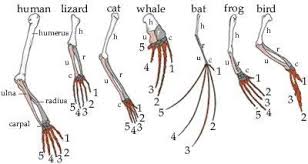
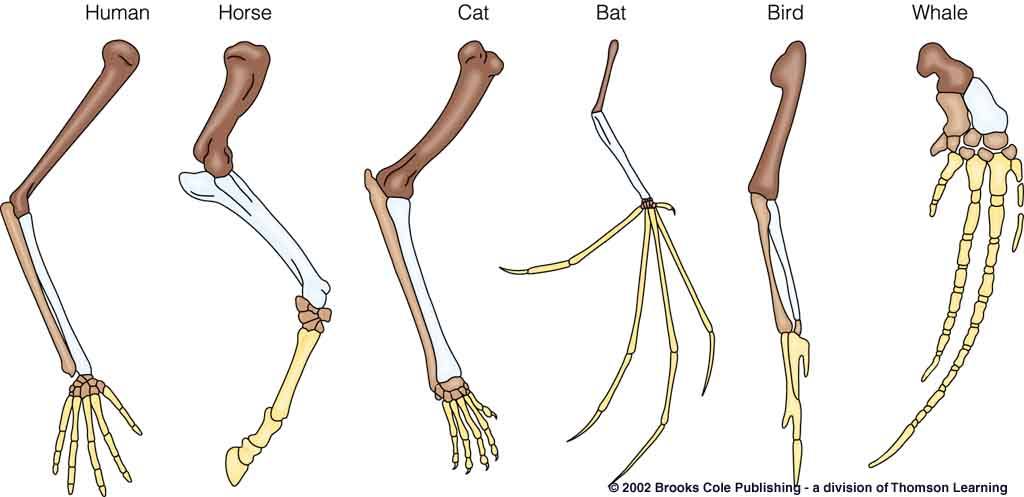
Homologous
What is the difference between Homologous and Analogous structures?
Homologous: same structure, different function.
Analogous: same structure, same function.
Homologous: different structure, same function.
Analogous: different function, same structure.
Homologous: Cladograms, Poly.
Analogous: Vial, Friend.
Homologous: same structure, different function.
Analogous: same function, different structure.
The study of prehistoric life.
Mutations
Coevolution
Paleontology
Embryology
The movement of alleles in or out of a population
Genetic Drift
Genetic Flow
Non-Random Mating
Natural Selection
A change in the frequency of existing genes due to a random event/change
Genetic Flow
Extinction
Speciation
Genetic Drift
What is extinction?
Species gradually evolving throughout time.
The elimination of a species mostly caused by a gradual or sudden change in the environment.
When two or more species affect each other's evolution through the process of natural selection.
The formation of a new distinct species from preexisting population.
What is coevolution?
The study of prehistoric life.
The study of the structures of organisms.
When two or more species affect each other's evolution through the process of natural selection.
Over generations, organisms evolve a variety of characteristics that allow them to survive in different environments.
Homologous structures?
This type of structure has the same physical structure across multiple species.
This type of structure has the same function in multiple species, but different structures.
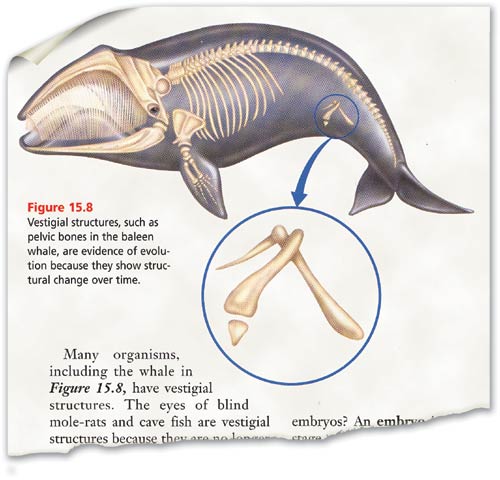
This type of structure has no use in a species, but had a purpose to its ancestors.
Homologous, Analogous, & Vestigial structures are all used as comparison data fir thus field of science.
Analogous structures
This type of structure has the same physical structure across multiple species.
This type of structure has no use in a species, but had a purpose to its ancestors.
This type of structure has the same function in multiple species, but different structures.
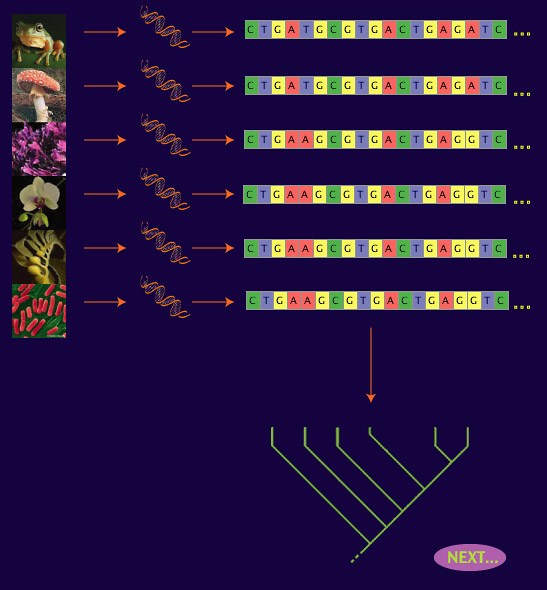
gene sequences of organisms to determine evolutionary relationships.

(a) structures have the same structure, but a different function.
What is gene mutation?
Favorable traits chosen
Alteration of DNA that could be helpful or harmful.
(could cause evolution)
Movement of genes into and out of a population
An elimination of a species after a change in their DNA.
What is speciation?
Occurs when a catastrophic event changes an environment suddenly
A number of different species split-off from a common ancestor.
Development of a new species.
Over many generations, organisms evolve a variety of characteristics to survive.
Divergent Evolution
There must be no movement into or out of a population
There must be no natural selection
A number of different species split-off from a common ancestor
When two species living close together change in response to each other
similar structures that evolved independently in different organisms due to serving similar purposes
(a)
A number of different species arise from one common ancestor
- New environments caused differences to evolve in populations
Convergent Evolution
Divergent Evolution
Coevolution
Gradualism
This structure could be leftover from an ancestor that had used the structure, and thus could provide evidence of divergent evolution. This structure no longer has a function, but is still present.
Homologous
Analogous
Vestigial


because environmental conditions have to be just right (for formation & to prevent decay)

In the Picture - Where are the oldest fossils of the organisms that lived longest ago found?
At the bottom
At the top
In the middle


Eukaryote


A placental squirrel in North America resembles a marsupial squirrel in Australia. They are genetically and geographically separated. This is best explained by ___.
convergent evolution
divergent evolution
spontaneous generation
vestigial structures
The average individuals in a population are favored in _____ selection.
directional
stabilizing
disruptive
natural
The scientist who came up with the current classification system
Darwin
Newton
Mendel
Linnaeus
A ________ can be used to classify organisms based on characteristics.
punnet square
phylogenetic chart
trophic pyramid
dichotomous key
Which taxonomic level would include the LEAST number of organisms?
species
genus
order
phylum
Which of the following is the CORRECT form of a scientific name?
canis lupus
Canis Lupus
Canis lupus
canis lupus
The science of grouping and naming organisms
Phylogeny
Dichotomy
Taxonomy
Genetics
_____ selection favors one extreme form of trait in a population.
directional
stabilizing
disruptive
natural
In _____ selection, individuals with both extreme forms of the trait are at a selective advantage.
directional
stabilizing
disruptive
natural
The average individuals in a population are favored in _____ selection.
directional
stabilizing
disruptive
natural
Any trait that increases an organism’s chance of survival.
Evolution
Adaptation
Fossil Record
Epigenetics

A placental squirrel in North America resembles a marsupial squirrel in Australia. They are genetically and geographically separated. This is best explained by ___.
convergent evolution
divergent evolution
spontaneous generation
vestigial structures
The average individuals in a population are favored in _____ selection.
directional
stabilizing
disruptive
natural
In _____ selection, individuals with both extreme forms of the trait are at a selective advantage.
directional
stabilizing
disruptive
natural
_____ selection favors one extreme form of trait in a population.
directional
stabilizing
disruptive
natural
What is the movement of genes into and out of a gene pool called?
random mating
nonrandom mating
gene flow
direct evolution
Tetrapods (4 limbs) have very similar bone structures. This leads biologists to believe:
They all had a common ancestor
Their common ancestor was probably a lamprey
Their limbs are convergent evolution
If humans and penguins share similarities in an enzyme this could be an example of:
Biochemical/molecular evidence
Embryological evidence
Anatomical Evidence
Which is artificial selection?
Breeding dogs for specific traits.
Coyote species diverging from the wolves.
An animal has several inherited characteristics that makes it much fitter than its rivals. According to Natural Selection it should:
Help the others that are less fortunate
Survive longer, have more and better babies.
Be equals with its kin
Genetic variation in a population can be increased with:
Mutations
Genetic drift
Founders effect
Genetic bottleneck.
High fitness individuals in a population:
Live longer and have more offspring
Live longer but have less offspring
Neither live longer nor have more offspring

Which species’ DNA is most similar to the DNA of the toothed whale?
Hippopotamus
Baleen Whale
Grazing Mammals
Camels
What word describes a trait that helps an organism survive in its environment?
natural selection
mutation
camouflage
adaptation
Which of the following conditions are necessary for natural selection to occur?
overproduction of offspring
variation within a population
variation of fitness among the population
all of the above
The belief that speciation occurs sporadically with long periods of no speciation and brief periods of rapid speciation.
Gradualism
Punctuated Equilibrium
Microevolution
Speciation
The belief that speciation occurs at a constant stable rate.
Gradualism
Punctuated Equilibrium
Microevolution
Speciation
A structure that is anatomically and genetically similar between organisms belonging to different species.
Homologous Structure
Analogous Structure
Vestigial Structure
Archaic Structure
A structure that an organism has but no longer serves a function.
Homologous Structure
Analogous Structure
Vestigial Structure
Archaic Structure
Structures that are superficially similar between organisms but arose by different evolutionary pathways (ex: bird wing and bat wing).
Homologous Structure
Analogous Structure
Vestigial Structure
Archaic Structure
The name of the scientist who proposed the theory of evolution by natural selection.
Charles Darwin
Jean Baptist Lamarck
Greggor Mendel
Carolus Linneaus
The name of the scientist who proposed the theory of evolution by acquired traits.
Charles Darwin
Jean Baptist Lamarck
Greggor Mendel
Carolus Linneaus
When a population develops a different genetic makeup that is not reflective of the majority of other populations of the same species. The change is unrelated to evolution.
Genetic Drift
Natural Selection
Population Bottleneck
Founder Effect
When a very small subgroup of a population forms its own population leading to a change in the genetics of the population.
Genetic Drift
Natural Selection
Population Bottleneck
Founder Effect
The mechanism that is believed to cause evolution. Also known as survival of the fittest.
Genetic Drift
Natural Selection
Population Bottleneck
Acquired Traits
The disproven mechanism of evolution that states organisms can pass on physical traits gained through behaviors in their lifetimes.
Genetic Drift
Natural Selection
Population Bottleneck
Acquired Traits
The idea that species will change over time to form new species.
Evolution
Adaptation
Fossil Record
Epigenetics
Any trait that increases an organism’s chance of survival.
Evolution
Adaptation
Fossil Record
Epigenetics
The main form of evidence for evolution.
Evolution
Adaptation
Fossil Record
Epigenetics
Why has Charles Darwin’s theory of evolution continued to be accepted a scientific fact?
His mechanism of natural selection has continuously stood up to scientific inquiry, unlike other theories of evolution.
He helped Mendel with his pea plant experiments.
He stated that mutations in genes are passed between organisms.
It isn’t. It is a massive conspiracy by the extreme liberal left wing to convince people that a pseudo-scientific theory is correct.
According to Lamarck’s theory of acquired traits, evolution occurs:
In warm blooded animals only.
In cold blooded animals only.
In individuals
In populations
Which of these would NOT be a vestigial structure?
Remains of a second eyelid in humans.
Humans having an appendix.
Snakes having a pelvic girdle for leg attachment.
Octopi having a beak for grinding food.
Why is natural selection important for the theory of evolution?
It keeps evolution from moving too quickly.
It slows down evolution.
It is the driving force for evolution.
It is unrelated to evolution.
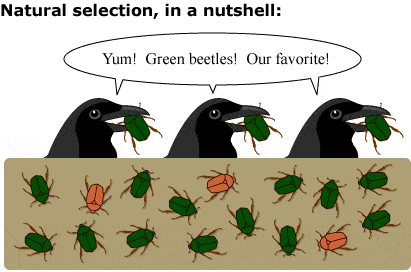

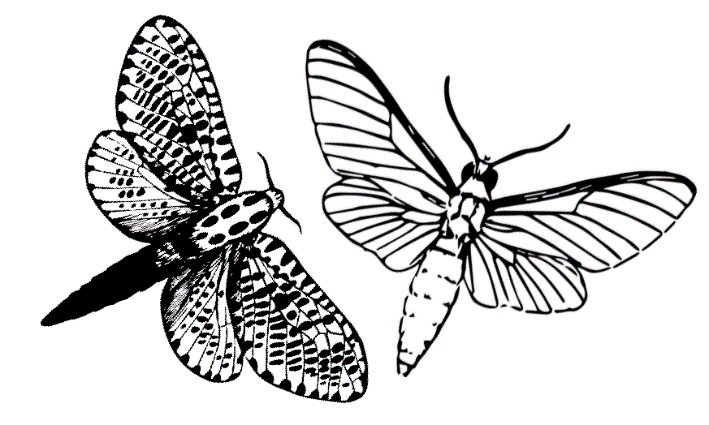
According to natural selection, light colored tree trunks would favor
light colored moths
dark colored moths
red colored moths
red and light colored moths
Natural Selection is driven by a change in the environment and survival of the
Earth
Fastest
Fittest
Biggest

Who established the "Theory of Evolution by Natural Selection"?
Mendel
Pasteur
Darwin
Lamark
What was the name of Darwin's Book
Origin of Species
Natural Selection
My visit to the Galapagos Islands
5 years on the HMS Beagle
What island is famous for it's relationship to the Theory of Evolution?
Hawaiian Islands
Canary Islands
New Zealand
Galapagos Islands

How are the finches on the Galapagos islands similar?
Same common ancestor that came from the mainland
They all have the same beaks
They all came from different places on the mainland
They all ate the same food
How did the finches on the Galapagos Islands develop to be so different?
They all had the same food available to them
Different Islands had different food. The one's that could get food passed on their traits.
The food they ate changed their beaks
All the finches were the same.
Besides finches, Darwin also studied _ on the Galapagos Islands.
Alligators
eagles
Tortoises
Kangaroos
Larmarks Theory of Evolution was based on _ in a species.
Natural Selection
Acquired Traits
Biodiversity
Adaptations
Lamark's Theory of Evolution was proven to be correct
True
False

The change in species over time is called
Biodiversity
Evolution
Natural Selection
Fitness
The ship that Darwin sailed on for his long voyage.
England Top Cat
SS Minnow
HMS Beagle
The Origin of Species
Which of the following would an animal breeder use to increase the number of cows that give the most milk?
Natural selection
Stabilized selection
Disruptive selection
artificial selection
An inherited characteristic that increases an organism's ability to survive and reproduce in its specific environment is called (n)
vestigial structure
adaptation
speciation
analogous structure
How well an organism survives and reproduces in its environment can be described as its
fitness
homologous structure
common ancestor
analogous structure
Which of the following conditions are necessary for natural selection to occur?
overproduction of offspring
variation within a population
variation of fitness among the population
all of the above

Same structures different functions
analagous
adaptations
homologous
fossils


Which is artificial selection?
Breeding dogs for specific traits.
Coyote species diverging from the wolves.
High fitness individuals in a population:
Live longer and have more offspring
Live longer but have less offspring
Neither live longer nor have more offspring
The arrangements of DNA can determine how close organisms are.
DNA sequencing
Fossil records
Comparative Anatomy

Man that proposed the theory of evolution by natural selection
Darwin
Lyell
Lamark
Malthus
The idea that earth's processes that formed the Earth long ago are still happening today is called ___
erosion
biogeography
uniformitarianism
geology
The geologists that suggested that Earth is much older than previously thought were
Lyell and Hutton
Wallace and Darwin
Malthus and Lamark
Marshall and Evans
The economist that thought that populations would continue to grow until they ran out of resources was ___
Darwin
Malthus
Wallace
Lamark
Lamark came up with what idea?
Populations outgrow their resources
The theory of evolution by natural selection
the inheritance of acquired characteristics
biogeography
The study of the past and present distribution of organisms is called __
biology
ecology
environmentalism
biogeography
This molecule contains the same 4 basic components for every single species on Earth.
carbohydrates
DNA
proteins
lipids
The study of ________ development points to the fact that ALL vertebrates have the same basic type of development at the early stages.
embryo
molecular
brain
bone

