
 Worksheets
Unit 7 Review
Total questions: 158
Worksheet time: 2hrs 42mins


Abiotic parts of an ecosystem are
Living
Non-living
Alive
Observable with human eye
Biotic parts of an ecosystem are
Living
Non-living
Green
Multi-cellular
Which of the following is ABIOTIC
Plants
Animals
Sunlight
Algae
Which of the following is BIOTIC
Car
Bacteria
Table
Water
Ecology is the study of
interactions between non-living things and their relationship with the sun
interactions between living things and their relationship with the environment
interactions between non-living things and their relationship with the environment
interactions between living things and their relationship with each other
An ecosystem
is a community of organisms and their environment.
is made of both biotic and abiotic factors
can come in many shapes and sizes
All answers are true
An ecosystem needs both abiotic and biotic factors to survive
True
False
An individual plant, animal or single-celled bacteria
Organism
Species
Population
Biome
Closely related organisms that can reproduce
Organism
Population
Species
Pride
All the populations of different species that interact in an ecosystem
Population
Species
Community
Ecosystem
The Amazon Rainforest is an example of a
Biosphere
Biome
Population
Species
Which one of these is NOT one of Earth's spheres?
Atmosphere
Biosphere
Urbansphere
Geosphere

Hot Soup
Abiotic
Biotic

Dead Leaf
Abiotic
Biotic

Electric Car
Abiotic
Biotic

Sea Sponge
Abiotic
Biotic

Mold on your cheese
Abiotic
Biotic

Clouds
Abiotic
Biotic

A Clown Fish lives in an anemone to product it from predators. The anemone is the fish's
Biome
Species
Habitat
Food

Giraffes' long necks help them reach leafs at the top of trees. This is an example of a
Habitat
Population
Niche
Species

Each organism has a relationship with every element of its environment.
True
False
What is the correct order of the levels of ecological organization from smallest to largest?
Biosphere, biome, population, community, organisms, ecosystems
Biosphere, biome, ecosystem, community, population, organisms
Organisms, ecosystems, community, biosphere, biome, population
Organisms, population, community, ecosystem, biome, biosphere
A single living thing is a(n) __________.
Organism
Population
Community
ecosystem
A group of living things of the SAME species in the same area at the same time.
Organism
Population
Community
Ecosystem
All biotic (living) things in an environment. Groups of DIFFERENT species in the same place at the same time.
Organism
Population
Community
Ecosystem
Biotic (living) and abiotic (nonliving) factors in an environment.
Organism
Population
Community
Ecosystem
What does an energy pyramid show?
Which animal is the biggest in a food chain
Which animal eats the most in a food chain
The amount of energy in each trophic level
The amount of food available at each trophic level

What organisms occupy level A?
Producers
Primary Consumers
Secondary Consumers
Tertiary Consumers
What organisms occupy level B?
Producers
Primary Consumers
Secondary Consumers
Tertiary Consumers
What organisms occupy level C?
Producers
Primary Consumers
Secondary Consumers
Tertiary Consumers
What organisms occupy level D?
Producers
Primary Consumers
Secondary Consumers
Tertiary Consumers
For each level of the energy pyramid, how much energy gets transferred to the next level?
10%
25%
50%
100%
Which of the following is NOT represented by a food web?
The directional flow of energy in an ecosystem
What things eat in an ecosystem
The order of organisms in an ecosystem from smallest to largest
Multiple food chains

Which of the following would NOT be considered a producer in the food web?
Grasses
Birds
Grains
Carrots
Which organisms would be considered top consumers?
Rabbits and Mice
Grains and Grasses
Owls and Foxes
Grasshoppers and Birds
What is an example of an organism that would be found in Level A?
Grass
Bunnies
Deer
Wolves


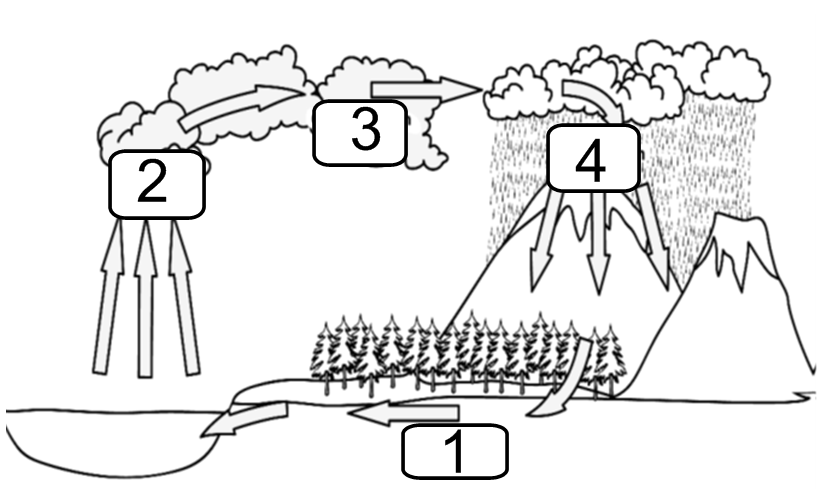


Emigration is
the movement out of an area
the movement into an area
movement in and out of an area
migration

What are survivorship curves?
curves that describe the number of survivors over time
curves that tell us what the limiting factors are
curve that tells us about the carrying capacity
a curve
Why don't populations grow indefinitely?
limiting factors
only biotic factors
only abiotic factors
none of the above

What is an example of a density-independent (Abiotic) limiting factor?
food
parasites
disease
pollution

What is the arrow pointing at?
carrying capacity
biotic potential
density-independent
density dependent

parasites, disease, predators, are examples of what type of limiting factors?
density dependent
density independent
survivorship
type 1 curve

What is the carrying capacity mean?
The number of individuals an area can carry
the number of births
The number of deaths an area has
not sure
(Im)migration is ...
the movement into an area
The movement out of an area
The migration process
exponential graph
The exponential graph is a graph that shows us population size increasing quickly, which one below shows us that


One of the factors that can change the size of population is....
Name of schools
Number of dezs
Jobs
Numbers of births
Why don't populations grow indefinitely?
limiting factors
only biotic factors
only abiotic factors
none of the above
the number of people in a defined area such as a square kilometre
population density
birth rate
death rate
population
Why would an area be sparsely populated?
lack of natural resources
land is covered with ice
land cannot be developed
all of the above


Which of the following are density dependent factors?
competition for resources
predation
disease
natural disasters
Which of the following are examples of a density independent factors?
forest fire
seasonal cycles
storms
disease
As a population of a species increases within a territory, which of the following most likely also increases?
Immigration
Food supply
Carrying capacity
Competition
If a population grows larger than its environmental carrying capacity, then
death rate may rise.
death rate may fall significantly.
birth rate may rise significantly.
immigration rate may increase.
What does the term carrying capacity describe?
The maximum number of birth rates for a population.
The ability of a population to accept new immigrants.
The ratio of birth rates to death rates in a population.
The population size that the environment can sustain.

Which experiences the least change over time?
Pioneer Species
Primary Succession
Aquatic Succession
Climax Community
Which of the following best describes primary succession?
Volcano wipes out ecosystem that gradually grows back from ash covered soil
Volcano creates a new island of rock that must break down to form an ecosystem
Forest fire burns down forest that must bounce back over time
Tornado destroys a crop that must slowly grow back over time.
If farmers use a controlled burn to prevent forest fires, what would most likely be the first plants to return?
trees
shrubs
mosses
grasses
Which would most likely result in primary succession?
old forest growing
undisturbed prairie
pollution kills mountain lake species
a Newly formed volcanic island
Primary succession occurs in areas with:
very little soil
lots of soil
no soil
soil that has been disturbed

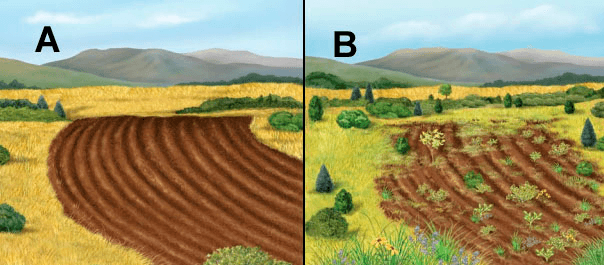
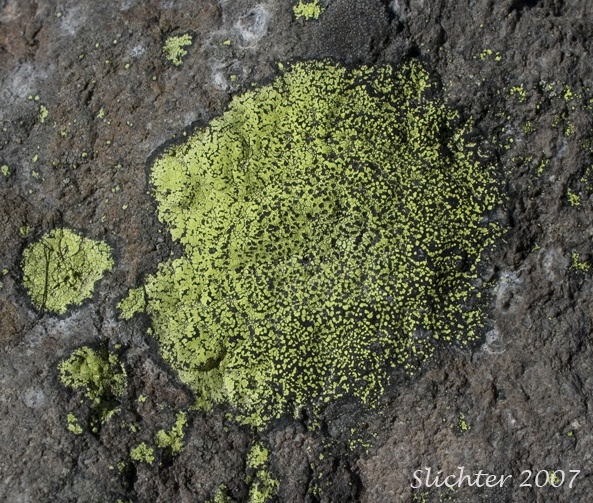
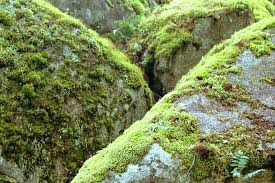


What is an example of a disturbance that could bring about secondary succession?
Humans cut down many trees in a small region
A volcanic eruption covers a village in lava.
What type of disturbance can be beneficial to ecosystems and communities?
Volcanic Eruption
Fire
Invasive Species
Flood
Why don't populations grow indefinitely?
limiting factors
only biotic factors
only abiotic factors
none of the above
What is the arrow pointing at?
carrying capacity
biotic potential
density-independent
density dependent
parasites, disease, predators, are examples of what type of limiting factors?
density dependent
density independent
survivorship
type 1 curve
What is the carrying capacity mean?
The number of individuals an area can carry
the number of births
The number of deaths an area has
not sure
The exponential graph is a graph that shows us population size increasing quickly, which one below shows us that
One of the factors that can change the size of population is....
Name of schools
Number of dezs
Jobs
Numbers of births
Takes place when individuals move into a population’s range.
Immigration
Emigration
When individuals leave a particular area.
Emigration
Immigration
When a population continues to grow at a fast rate.
Exponential Growth
Logistic Growth
Carrying Capacity
Infinity Growth
This type of growth happens when an organism reaches its carrying capacity.
Exponential growth
Logistic growth
infinity growth
none of the above
Factors that do NOT depend on the number of individuals living near each other.
Density Independent Limiting Factors
Density Dependent Limiting Factors
Biotic Potential
Environmental Resitance
Which of the following would not be an example of a density dependent limiting factor?
fire
disease
lack of food
space
Which of the following would not be an example of a density independent factor?
predation
tornado
hurricane
fire

What does the yellow line represent?
exponential growth
logistic growth
carrying capacity
none of the above

This graph has an S shape. What type of growth does this represent?
Exponential
Logistic

This graph is a J shape. What type of growth does this represent?
Exponential
Logistic


A symbiotic relationship in which both species benefit:
commensalism
mutualism
predation
parasitism
A habitat is ___________________.
the place or kind of place in which an animal or plant naturally lives.
is how plants produce their own food.
is an animal that only eats meat.
the place where only one animal lives.
The ecological role an organism performs in their specific environment is considered the organism's...
Habitat
Population
Biome
Niche
A relationship in which two different organisms live in close association with each other
interspecific competition
Mutualism
Symbiosis
Commensalism

The study of the interactions of living organisms with one another and with their environment
Taxonomy
Genetics
Ecology
Botany
A community of organisms and their abiotic, or nonliving, environment
Ecosystem
Habitat
Community
Biosphere
A group of organisms of the same species that live in a specific geographical are
Ecosystem
Habitat
Community
Population
All of the populations of species that live in the same habitat and interact with each other.
Ecosystem
Habitat
Community
Population
The part of Earth where life exists; includes all of the living organisms on Earth
Ecosystem
Biosphere
Community
Population
A relationship between two species in which both species benefit.
Mutualism
Competition
Commensalism
Symbiosis
A relationship between two species in which one species, the parasite, benefits from the other species, the host, which is harmed
Mutualism
Parasitism
Commensalism
Symbiosis
A relationship between two organisms in which one organism benefits and the other is unaffected.
Mutualism
Parasitism
Commensalism
Symbiosis
A relationship in which two different organisms live in close association with each other
Mutualism
Parasitism
Commensalism
Symbiosis
A large region characterized by a specific type of climate and certain types of plant and animal communities
Biome
Biosphere
Community
Population
An interaction between organisms or species in which both the organisms or species are harmed competing over the same resources.
Mutualism
Parasitism
Competition
Symbiosis
An organism that kills and eats all or part of another organism
Prey
Predator
Autotroph
Heterotrophs
An organism that is killed and eaten by another organism.
Prey
Predator
Autotroph
Heterotrophs

