
 Worksheets
1.3 Properties and Changes in Matter
Total questions: 86
Worksheet time: 1hrs 26mins
A characteristic of matter that can be observed and/or measured without changing the identity of the substance.
Physical Properties
Chemical Properties
The amount of mass in an object or substance compared to its volume.
Density
Solubility
Luster
Physical properties
Chemical properties
________ conductivity is how well an electrical current can move through a substance.
Electrical
Thermal
Physical
Chemical
The ability of one substance to dissolve when put into another substance.
Physical property
Chemical property
Melting point
Solubility
Malleability
Luster is_______________.
an object's melting point
an object's boiling point
how shiny an object is
an object's magnetic attraction
The temperature at which a substance boils.
Melting point
Boiling point
Thermal conductivity
Electrical conductivity
An object's melting point is_____________________.
the temperature at which a substance boils
the temperature at which a substance goes from a solid to a liquid
a physical characteristic
a chemical charateristic
_______________ is a substance's ability to burn or not burn.
Malleability
Magnetic attraction
Flammability
Reactivity
_______________ is how a substance reacts to things like water, oxygen, and acids.
Malleability
Magnetic attraction
Flammability
Reactivity
How can chemical properties be identified?
By observing how it reacts.
By the change a substance goes through.
By looking at its size and shape.
By changing its shape.
A physical property__________________.
can be observed by trying to change the identity of an object or substance
can be observed without changing the identity of an object or substance
An object or substance has either physical OR chemical properties, but not both.
True
False
An object or substance always has both physical and chemical properties.
True
False
A log has the ability to burn and turn to ash.
A physical property
A chemical property
Water boils at 100 degrees Celsius.
Physical property
Chemical property
Aluminum is shiny on one sde, and has a dull shine on the other side.
Physical property
Chemical property
Luster
Thermal conductivity
Solubility
Kool-Aid mixes with water.
Physical property
Chemical property
Solubility
Malleability
Match the images with their property. I'll give you a hint also...

Luster

Malleability

Flammability

Chemical reactivity
Mass, relative density, solubility, color, texture, state of matter, conductivity, etc.
What are examples of physical states?
What are examples of insulators?
What are examples of physical properties?
What are examples of chemical properties?
What effect does observing an object's physical properties have on the substance?
There is always a chemical reaction
The substance changes into a new substance
It produces an exothermic reaction
None, the substance does not change its identity

What is the definition of intensive property?
Properties that vary depending on the amount of matter
Properties that do not change with amount of matter
Match the following properties and their definitions
Density
The amount of mass in a given volume
Volume
The amount of space an object takes up
Mass
The amount of matter in an object
Size
How big or small on object is
Luster
How shiny on object is or can be
Solubility
State of matter (solid, liquid, gas)
Color
Electrical conductivity
Melting point
Magnetism
Flammability
Oxidation
Reactivity
Chemical stability
A property where the size or amount of matter does not change the property is called an
(a) property.
You're gathering materials you need to build a raft to cross a fast-moving river. Choose which physical and chemical properties would be good for a raft and avoid those that would not
Buoyancy (floats in water)
Malleable
Soluble in water
Reactivity to water
Light weight
Solid (state of matter)
Absorbs water
Ice melting is what kind of change?
physical
chemical
Powder dissolving is what kind of change?
physical
chemical
Production of heat/light is what kind of change?
physical
chemical
You cut a piece of paper into small pieces. Is this a physical or chemical change? Why?
A chemical change because you are cutting
A physical change because it is melting.
A physical change because it changes size/shape
A chemical change because it's a new substance.
You find a nail on the ground in a small puddle of water. Rust has formed on the outside of the nail. Was this a physical or chemical change and why?
physical change because rust formed on the nail.
physical change because the nail is shaped differently
chemical change because the nail is wet.
chemical change because there is a new substance and a color change on the nail.
You put gasoline in your car and the car burns the fuel. Is this a physical or chemical change and why?
Physical change because the car is moving locations.
Physical change because the fuel smells bad.
Chemical change because the fuel is burning.
Chemical change because the fuel is changing shape.
A characteristic of matter that can be observed and/or measured without changing the identity of the substance.
Physical Properties
Chemical Properties
The amount of mass in an object or substance compared to its volume.
Density
Solubility
Luster
Physical properties
Chemical properties
________ conductivity is how well an electrical current can move through a substance.
Electrical
Thermal
Physical
Chemical
The rate at which a substance transfers heat.
Electrical conductivity
Thermal conductivity
Malleability
Melting point
Boiling point
The ability of one substance to dissolve when put into another substance.
Physical property
Chemical property
Melting point
Solubility
Malleability
Luster is_______________.
an object's melting point
an object's boiling point
how shiny an object is
an object's magnetic attraction
The temperature at which a substance boils.
Melting point
Boiling point
Thermal conductivity
Electrical conductivity
An object's melting point is_____________________.
the temperature at which a substance boils
the temperature at which a substance goes from a solid to a liquid
a physical characteristic
a chemical charateristic
The chemical properties of matter_____________________.
refers to a substance's ability to change into a new and different substance.
a change to a subject without changing what it is
is a change to how a substance looks
_______________ is a substance's ability to burn or not burn.
Malleability
Magnetic attraction
Flammability
Reactivity
_______________ is how a substance reacts to things like water, oxygen, and acids.
Malleability
Magnetic attraction
Flammability
Reactivity
How can chemical properties be identified?
By observing how it reacts.
By the change a substance goes through.
By looking at its size and shape.
By changing its shape.
A physical property__________________.
can be observed by trying to change the identity of an object or substance
can be observed without changing the identity of an object or substance
A chemical property__________________.
can be observed by trying to change the identity of an object or substance
can be observed without changing the identity of an object or substance
An object or substance has either physical OR chemical properties, but not both.
True
False
An object or substance always has both physical and chemical properties.
True
False
A log has the ability to burn and turn to ash.
A physical property
A chemical property
Water boils at 100 degrees Celsius.
Physical property
Chemical property
Aluminum is shiny on one sde, and has a dull shine on the other side.
Physical property
Chemical property
Luster
Thermal conductivity
Solubility
Kool-Aid mixes with water.
Physical property
Chemical property
Solubility
Malleability
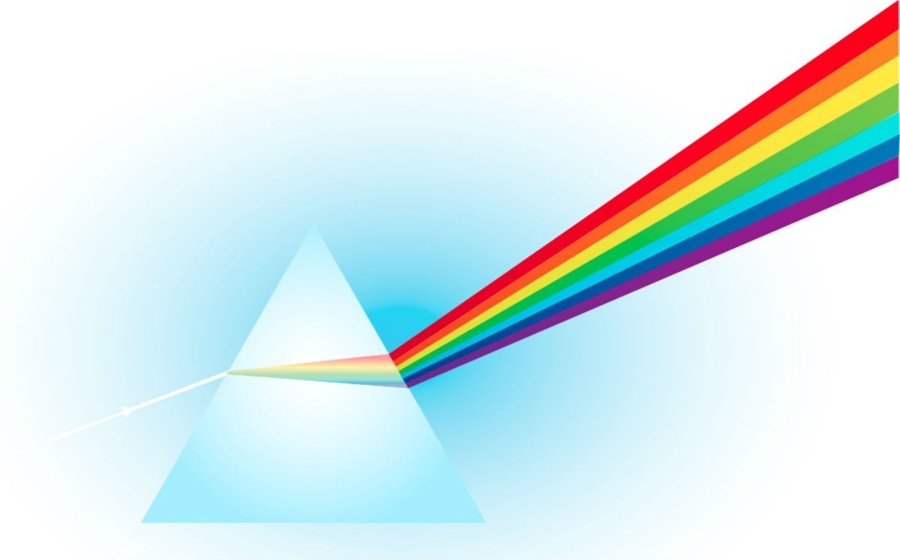
Color is what type of property?
Physical
Chemical
Reactivity is what type of property?
Physical
Chemical
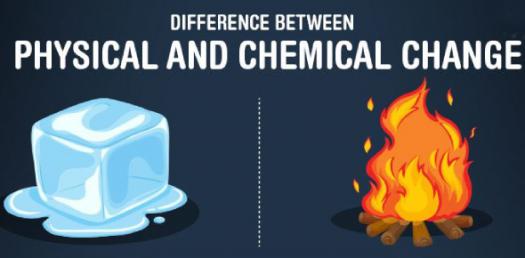
What is a sign of a physical change?
Bubbles forming
Color changing
Stretching
Producing heat

What is a sign of a chemical change?
Stretching
Tearing
Compressing
Bubbles
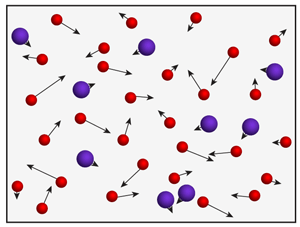
What happens to the atoms of a substance in a physical change?
Atoms get bigger
Atoms change their arrangement and motion
Atoms get smaller
Atoms bond together differently
What happens to the atoms of a substance in a chemical change?
Atoms get bigger
Atoms change their arrangement and motion
Atoms get smaller
Atoms bond together differently
Which of the following changes is a physical change of matter?
water evaporating
paper burning
a nail rusting
a silver spoon tarnishing
Which of these observations would likely be an indication of a chemical change?
A change in odor when two substances are mixed
A change in temperature when a hot substance is left standing in air
A change in volume as a substance is heated
The disappearance of a liquid as it boils

You mixed two liquids and a precipitate formed, what kind of change occured?
Physical
Chemical
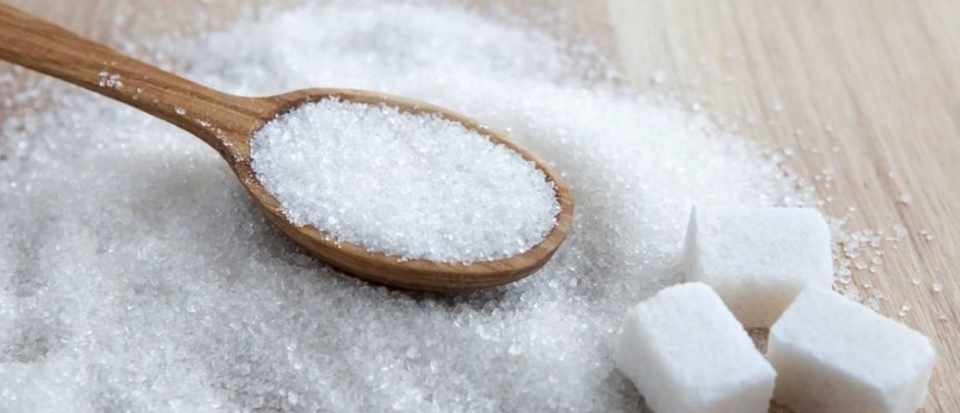
What happens when sugar dissolves in water?
Physical change because a new substance is formed
Chemical change because a new substance is formed
Physical change because the sugar is just getting smaller
Chemical change because the sugar is just getting smaller
Signs of a physical change:
Compress
Shatter
Tear
Precipitate
Signs of a chemical change:
Precipitate
Light
Heat
Shatter
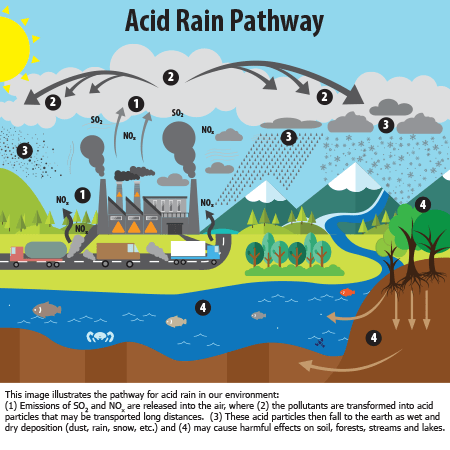
Acid Rain
Physical Change
Chemical Change
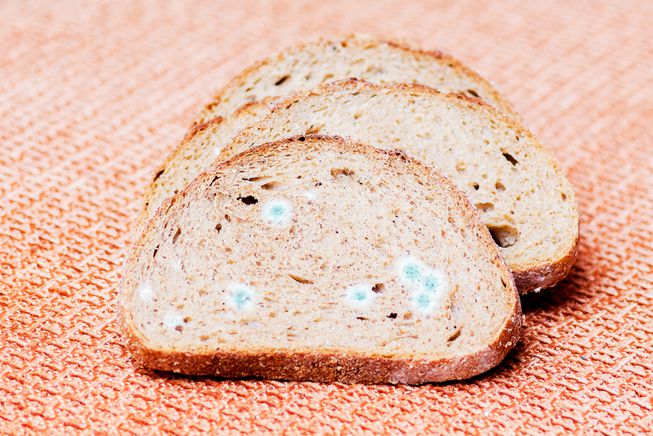
Moldy Bread
Physical Change
Chemical Change
Properties that DO depend on the amount of matter present.
Mass
Hardness
Extensive
Intensive
Properties that depend on the identity of substance.
Mass
Hardness
Extensive
Intensive
Properties that DO depend on the amount of matter present.
Mass
Hardness
Extensive
Intensive
Properties that depend on the identity of substance.
Mass
Hardness
Extensive
Intensive
Which of the following is an extensive property?
Color
Mass
Odor
Luster
Which of the following is an extensive property?
Hardness
Boiling Point
Density
Weight
How shiny a substance is.
Luster
Conductivity
Hardness
Volume
The ability of a substance to be beaten into thin sheets.
Malleability
Hardness
Weight
Density
The ability of a substance to allow the flow of energy or electricity.
Conductivity
Odor
Hardness
Ductility
The ability of a substance to be drawn into thin wires.
Hardness
Color
Conductivity
Ductility
The mass of a substance divided by its volume.
Volume
Density
Mass
Length
Which of the following is an intensive property?
Color
Mass
Volume
Weight
2) True or False: Extensive Properties change as the amount of substance changes.
True
False
8) Intensive or Extensive Property: Volume
Intensive
Extensive
9) Intensive or Extensive Property: Density
Intensive
Extensive
9) Intensive or Extensive Property: Malleability
Intensive
Extensive
What kind of physical property is this? Number of Atoms
intensive
extensive
What kind of physical property is this? Color
intensive
extensive
What kind of physical property is this? Odor
intensive
extensive
What kind of physical property is this? Length
intensive
extensive

