
 Worksheets
Unit 4 Transport Review
Total questions: 87
Worksheet time: 1hrs 29mins
The FREQUENCY of heart contractions is...
heart rate
blood pressure
respiratory rate
voluntary muscle contraction
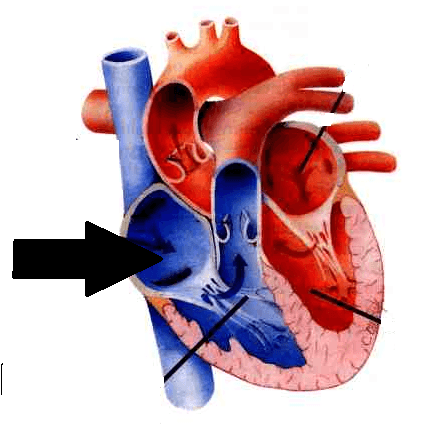
This chamber of the heart RECEIVES oxygen rich blood back from the lungs
Right Atrium
Left Atrium
Right Ventricle
Left Ventricle
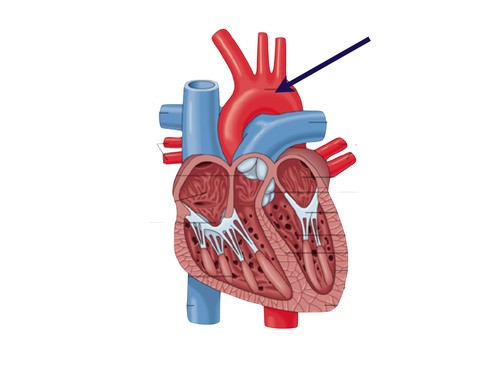
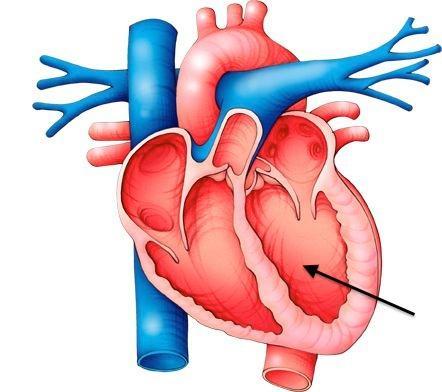
This chamber of the heart pumps the blood back out to the body cells through the Aorta
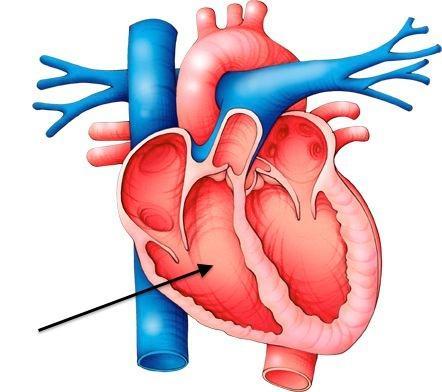
Right Atrium
Left Atrium
Right Ventricle
Left Ventricle

The main vein(s) that brings blood to the right atrium?
Aorta
Pulmonary veins
Superior and Inferior vena cava
Jugular vein
The sac that surrounds and protects the heart?
endocardium
epicardium
myocardium
pericardium
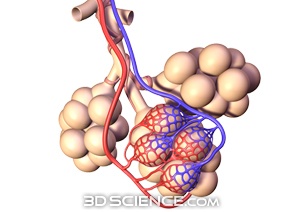
The process of diffusing oxygen from the blood, into the interstitial fluid and into the cells.
inspiration
expiration
internal respiration
external respiration
The only externally visible part of the respiratory system
Eyes
Nose
Pharynx
Larynx
In order to carry air to both lungs, the trachea branches into two tubes called ____.
bronchioles
bronchi
terminal bronchioles
alveoli
The correct name for the voice box is the ____.
pharynx
trachea
larynx
alveolus


Red blood cells hold onto O2 with the protein ________ which needs the element ________.
hemoglobin, phosphorus
hemoglobin, iron
myoglobin, phosphorus
myoglobin, iron

What happens in the systemic circulation?
circulation to digestion system only
circulation in the heart only
circulation heart and lungs
circulation for the entire body
Ms. Romanoff went to see a physician to have a breathing test done. The doctor told her that her expiratory volume was too low. Which of the following are factors that she can change to improve her vital lung capacity
gender
breath through her mouth
amount of aerobic activity
amount of weightlifting & stretching

Hematopoiesis
Structure of blood
Dilation of blood
Production of blood
Protection of blood
Which of the following is FALSE about pacemaker cells?
They allow the heart to beat on its own
They create their own electrical impulses
They are part of the sinoatrial node and the atrioventricular node
They require depolarizing stimulation from the brain
Which best explains why capillary walls are so thin?
because they do not need to pump blood
because they are found only in the smallest organs and tissues
because they maximize diffusion of nutrients
because blood only travels through them slowly
The relaxing of the heart is known as
Diastole
Systole
Heart Rate
Cardiac Arrest
The contraction of the heart is known as?
Stroke volume
Diastole
Cardiac cycle
Systole

The purpose of the four valves of heart is to ___________________.
control the rate of blood flow
ensure one-way blood flow
keep the blood in the correct chamber
maintain blood pressure
generate rhythmic contractions

Which valve is between the left atrium and left ventricle?
Tricuspid
Bicuspid
Pulmonary semilunar
Aortic semilunar
Right atrioventricular

Which part of the cardiac conduction system is known as the pacemaker of the heart:
SA node
AV node
Bundle of HIS
Purkinje fibers
Bundle branches
Capillaries are located:
in alveolar sac
above arteries and veins
oxygen-poor
in between arteries and veins
Blood cell that protects the body against infection
Erythrocyte
Capillaries
Leukocyte
Blood


Pulmonary Veins
when blood leaves this chamber of the heart, it heads out to the body
the point the blood vessel splits in two and sends oxygen-poor blood to the lungs.
blood vessels that carry oxygen-rich blood from your lungs to your heart
chamber in the heart that contracts and pushes blood through the tricuspid valve
Aorta
main artery of the body, supplying oxygenated blood to the circulatory system
responsible for distributing
one of the largest blood vessels that transports blood from the body region below the diaphragm to the heart
chamber in the heart that receives oxygenated blood from the lungs
What is the function of the pericardium?
Oxygenates blood
Contains fluid reducing friction
Encloses the heart and reduces friction
Eliminates carbon dioxide
Which layer of the heart is mostly made of cardiac muscle?
Epicardium
Myocardium
Endocardium
Pericardium
What is the purpose of the septum in the heart?
Encloses the heart and reduces friction
Receives blood returning to the heart through veins
Pumps blood out of the heart through arteries
Separates the right and left sides of the heart
Which valve is located between the left atrium and the left ventricle?
Aortic valve
Tricuspid valve
Mitral (Bicuspid) valve
Pulmonary valve
What is the purpose of the pericardial cavity?
Eliminates carbon dioxide
Delivers blood to all body cells
Contains fluid reducing friction
Encloses the heart and reduces friction
Which valve is located between the right atrium and the right ventricle?
Aortic valve
Mitral (Bicuspid) valve
Tricuspid valve
Pulmonary valve

Which component of blood is responsible for carrying oxygen to the cells of the body?
Red Blood Cell
White Blood Cell
Platelets
Plasma

The proteins found on the surface of RBCs that allow us to type blood as A, B, O or AB are called
antigens
antibodies
aggluntates
Rh factors

What is the reaction between antigens and antibodies that allow you to determine blood type?
clotting
agglutination
aggregation
antibody production
Which blood type has Type A antibodies?
Type AB
Type O
Type B
Type B and Type O
Destiny has blood type B, what antigen is present?
None
A
B
A and B

Blood type is determined by the antigens present on the surface of RBCs.
True
False
Where are antibodies located?
surface of red blood cells
surface of white blood cells
plasma
surface of platelets
What type of antigens can be found on the surface of RBC's when someone has blood type AB?
A
B
AB
none
What type of antigens can be found on the surface of RBC's when someone has blood type O?
A
B
AB
none
Name the proteins on the surface of red blood cells.
Antibodies
Antigens
Plasma
Collagen

What type of blood has B antibodies in the plasma?
Type B
Type A
Type O
Type AB

Which blood type has both A and B antigens?
Type O
Type AB
Type B
Type A

Which blood type doesn't have A or B antigens?
Type A
Type B
Type AB
Type O

