
Font size
 Worksheets
Sustainability
Total questions: 35
Worksheet time: 36mins


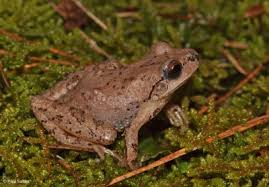

How are humans impacting the levels of salt that are in streams?
Humans are not impacting the levels of salt in streams
Humans are using salt in the food that they make which ends up in the streams through sewage
Humans are using salt to help melt the ice that are on roads and end in the stream through runoff
Humans are using salt to melt ice in the streams and eventually it will end up on the roads
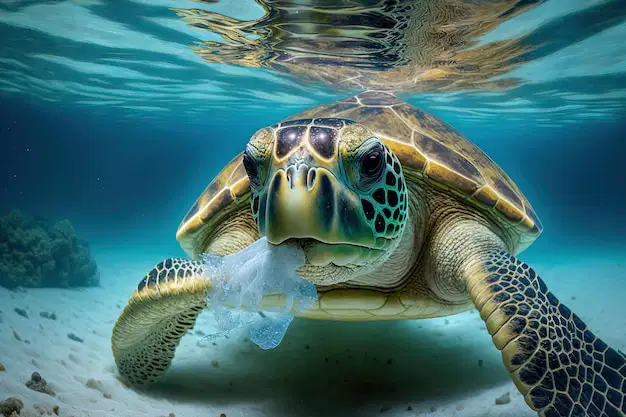
How does plastic effect sea life?
Microplastics create dead zones in the oceans.
Plastics provide habitats for marine life.
Wildlife such as dolphins, seals and seabirds often eat plastic, mistaking it for food.
None of the above

As the human population grows, the demand for natural resources increases. Which activity wastes a natural resource?
riding the bus
keeping the lights turned off
cooling a car or house by opening windows
throwing an aluminum can in the trash
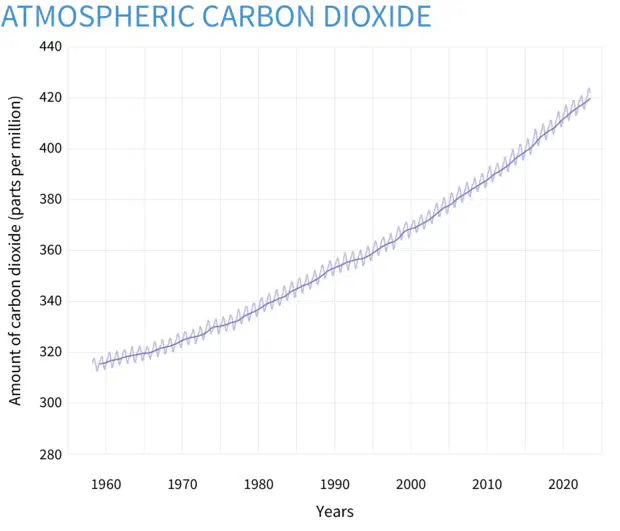
What is the best explanation for the rise in atmospheric CO2 levels since the 1800's?
natural fluctuations of the climate
eruptions of large volcanoes
increased use of fossil fuels by humans
photosynthesis by algae
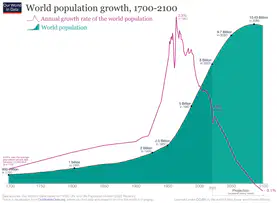
What will most likely happen if the human population continues to grow at current rates?
There will be an decrease in the number of strong hurricanes
There will be a decrease in water pollution
There will be an increase in nitrogen levels in the atmosphere
There will be fewer natural resources available for future generations
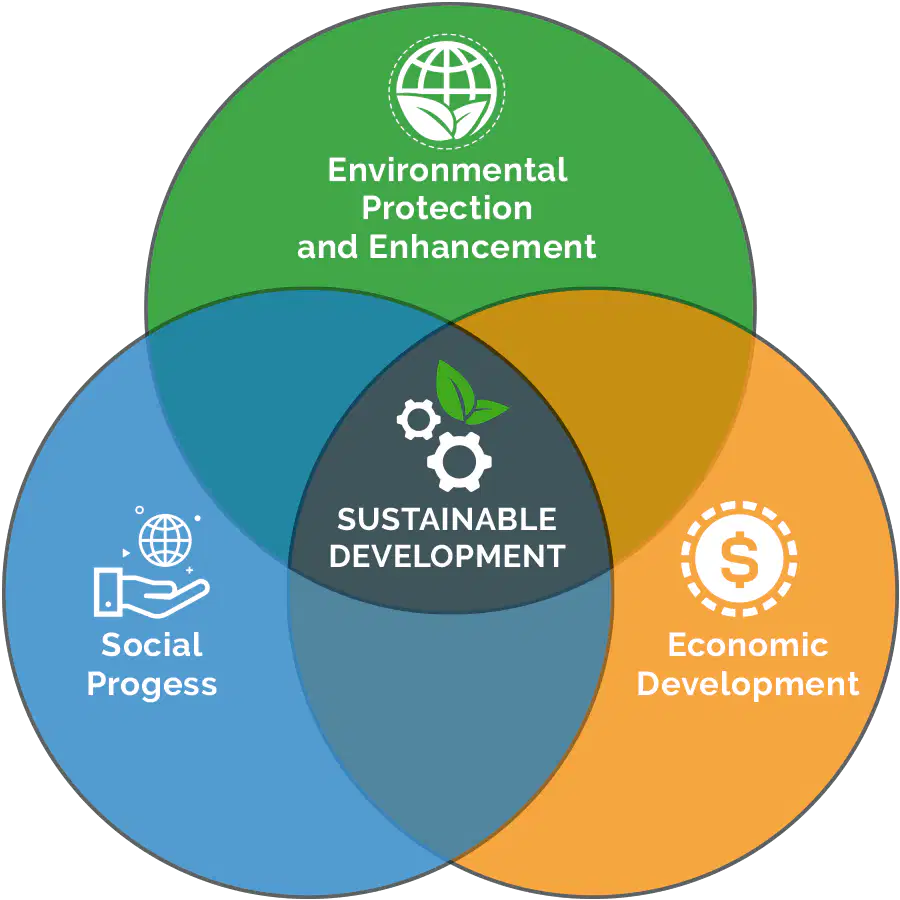
Sustainability is...
how much of a resource that can be used
using up of a resource
making a resource last
reusing a resource

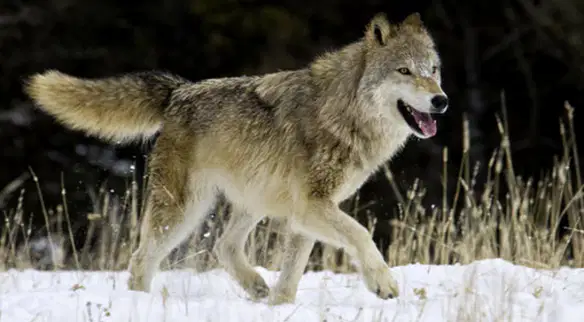
Where in Michigan are wolves commonly found?
Ann Arbor
Upper Peninsula
Detroit
Grand Rapids
What is the primary diet of Michigan wolves?
Fish and other aquatic animals
Large herbivores such as deer and moose
Small rodents and insects
Berries and plants
How do Michigan wolves contribute to the ecosystem?
By causing the extinction of other species
By disrupting the balance of the ecosystem
By controlling the population of prey species
By contributing to the overpopulation of prey species
What is the current conservation status of Michigan wolves?
Endangered
Threatened
Extinct
Least Concern
What are the main threats to the conservation of Michigan wolves?
Legal hunting, urbanization, and natural disasters
Climate change, overpopulation, and disease
Lack of food, genetic mutations, and old age
Habitat loss, human-wolf conflict, and illegal poaching

Which Michigan Great Lake is most likely to be home to the state wildflower, Dwarf Lake Iris?
Lake Michigan
Lake Erie
Lake Superior
Lake Huron

Plastic:
takes hundreds of years to biodegrade
doesn't biodegrade, but breaks into smaller pieces
cannot be effectively recycled
none of the above are true
466,000 particles/km2 is the abundance of plastic found in:
the Atlantic Ocean
the Pacific Ocean
the Great Lakes
all of the above

In 2015, Congress passed ____ to eliminate microbeads in cosmetics.
The Microplastic Elimination Law
The Microbead-Free Waters Act
The Plastic Pollution Act
The Cosmetic Plastic Law

80% of ocean pollution originates _________
from spills on the ocean
on land
from human wastewater
all of these combined
Point source water pollution: ______________
is diffused from many sources into the water
originates from one human being
originates from one single source
depends on the type of pollution
Nonpoint source pollution is _______________.
contamination from one source
contamination from many sources
contamination from one person
depends on what the type of pollution is

Fertilizer runoff includes
nutrient pollution of nitrates and phosphates
extra CO2 entering the water from the atmosphere
overheating water that creates algae blooms
increasing the salinity (saltiness) of water
Which of the following is not an example of surface water?
streams
aquifers
lakes
rivers
Groundwater is ___________
underground water in the spaces between rocks
water above ground like lakes and rivers
wastewater like sewage and human fecal matter
oceans

Which of the following is not a water pollutant?
radioactive materials
pathogens
contaminants
precipitation

The flow of the great lakes to the Atlantic Ocean goes as follows....
Lake Superior, Michigan, Huron, Erie, Ontario, St. Lawrence River
Lake Erie, Superior, Michigan, Ontario, Huron, Ohio River
Lake Ontario, Michigan, Erie, Superior, Landawanna River
Lake Ontario, Erie, Superior, Eddelston, Michigan, Mississippi River

An invasive species to the great lake system is which of the following......
Sea dragon
Sea turtle
Sea Lamprey
Sea bass


What are these called?
Maio
Maoi
Moai
Omai

Easter Island has...
High Biodiversity
Very Low Biodiversity

Why did the native population decrease?
Deforestation, diseases brought by Europeans, and rats

