
Font size
 Worksheets
Types of Rocks
Total questions: 128
Worksheet time: 2hrs 38mins
Which of the following is NOT one of the three types of rock?
Metamorphic
Magma
Sedimentary
Igneous

The interlocking crystals of igneous rock help to classify it since these crystals are evidence of how the rock formed. The crystals are a result of–
sediments being deposited.
particles forming layers.
chemical reactions of minerals.
melted rock that cooled.

Which of the following processes produces metamorphic rocks?
Rapid burial
Gradual cooling
Regular deposition
Extreme pressure

Which of the following processes is one of the first steps in the formation of some sedimentary rock?
Rock is broken down into pieces.
Liquid magma cools and hardens.
Rock melts deep underground.
Minerals change due to pressure.
In order to be classified as metamorphic, a rock must–
have been completely melted.
change with heat and pressure.
be made of small bits of larger rock.
have formed very quickly.
What is one of the most common processes that turns sediments into sedimentary rocks
Organisms in the soil breaking down organic matter into useful chemicals
Minerals within rock layers growing into large crystals over time
Layers made of bits of broken rock pressing down on other layers
Magma cooling under the surface of Earth, crystallizing to form rock
Lava that cools so quickly that crystals do not have time to form will lead to igneous rocks with a...
Porphyritic texture.
Coarse-grained texture.
Glassy texture.
Fine-grained texture.

Each rock type can follow only one pathway of the rock cycle.
True
False

Which rock is formed form the cooling of volcanic ash on Earth's surface?
Intrusive Igneous Rock
Extrusive Igneous Rock
Foliated Metamorphic Rock
Organic Sedimentary Rock

The process in which dissolved minerals crystallize and glue sediment together.
Compaction
Deposition
Organic Rock
Cementation

True or False: A metamorphic rock that has grains arranged in bands is said to be nonfoliated.
True
False

True or False: Once a rock is sedimentary, it cannot become an igneous rock.
True
False

True or False: Molten rock inside of a volcano is called lava
True
False
Rocks are generally classified as igneous, (a) , or metamorphic.

A rock with large mineral grains in it would probably be an (a) rock.
Sedimentary rock transforms into metamorphic rocks by (a)
What is the process that forms igneous rocks? Include the original materials, the processes involved, and the environment that produces this kind of rock.
What is the process that forms metamorphic rock? Include the original materials, the processes involved, and the environment that produces this kind of rock.
What is the process that forms sedimentary rock? Include the original materials, the processes involved, and the environment that produces this kind of rock.

Construct an explanation of the Rock Cycle.
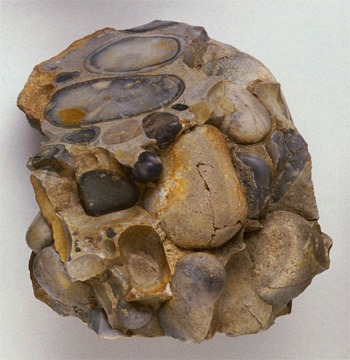
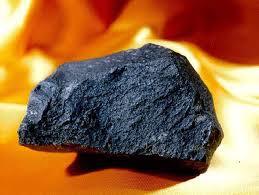


What type of rock is this?
Sedimentary
Igneous
Metamorphic
Sand

What type of rock is made from magma?
SEDIMENTARY
METAMORPHIC
IGNEOUS

What type of rock is made of tiny fragments of rocks?
SEDIMENTARY
IGNEOUS
METAMORPHIC

Which rocks are made by heat and pressure?
IGNEOUS
SEDIMENTARY
METAMORPHIC
igneous rock formed from lava that erupted onto Earth's surface
extrusive
intrusive
clastic
biogenic
igneous rock that formed when magma hardened beneath the surface of Earth
extrusive
intrusive
clastic
biogenic
constantly broken apart by freezing and thawing, plant roots, acid, and other forces on rock
weathering
erosion
compaction
cementation
the process by which running water, wind, or ice carry away bits of broken-up rock
weathering
erosion
compaction
cementation
the process by which sediment settles out of the water or wind carrying it
deposition
erosion
compaction
cementation
the process that presses sediments together
deposition
erosion
compaction
cementation
the process in which dissolved minerals crystallize and glue particles of sediment together
deposition
erosion
compaction
cementation
a sedimentary rock formed when rock fragments are squeezed together
clastic
organic
chemical
extrusive
a sedimentary rock formed where the remains of plants and animals are deposited in layers
clastic
organic
intrusive
extrusive
a sedimentary rock formed when minerals dissolved in a water solution crystallize
extrusive
organic
intrusive
chemical
metamorphic rock with thin, flat layers
foliated
nonfoliated
intrusive
extrusive
metamorphic rock with mineral grains arranged randomly and not in layers
foliated
nonfoliated
intrusive
extrusive
What type of rock is this?
Sedimentary
Igneous
Metamorphic
Sand

How do extrusive igneous rocks differ from intrusive igneous rocks?
Extrusive rocks are larger in size.
Intrusive rocks break down quicker.
Extrusive rocks are arranged in layers.
Intrusive rocks have larger crystals.
In which location would you most likely find an igneous rock?


Which force plays a major role in the formation of metamorphic rock?
Acceleration
Friction
Pressure
Centrifugal force

Compaction and cementation are two common processes associated with:
Extrusive igneous rocks
Intrusive igneous rocks
Sedimentary rocks
Metamorphic rocks

Which of the following is a TRUE statement?
Magma is called lava after it emerges from the ground
Lava cools off to form magma
Magma and lava form sedimentary rocks
Magma and lava are two types of metamorphic rock

Place the following events in sequence: A) Mineral grains are formed; B) A volcano erupts; C) Lava begins cooling
A, B, C
B, A, C
B, C ,A
C, A, B

Sedimentary rocks often form horizontal strata. What are strata?
Crystals
Layers
Mineral grains
Pieces of older rocks

What process is used to form metamorphic rocks?
Lava cools and hardens to form a rock.
Bits of sand gravel form layers that turn into rock from pressure.
I don't know :(
Extreme heat and pressure from inside the Earth turns rocks into new rocks.

Metamorphic rocks undergo metamorphosis. What is another example of metamorphosis?
A candle burning
A caterpillar turning into a butterfly
A volcano erupting
A five-story building being constructed
How long have rocks been around?
a few months
a few years
millions and billions of years
How many sizes can rocks come in?
many sizes
one size
three sizes
What can a very tiny rock be called?
boulder
sand
mountain
What are small, smooth rocks that you can hold in your hand called?
clay
mountains
pebbles
A scientist who studies rocks is called a
. . .
geographer
geographist
geologer
geologist
How many main kinds of rocks are on earth?
one
two
three
too many to count
The THREE main types of rocks on earth are named . . .
eggneous, sedamentary, metamorfic
igneous, sedimentary, metamorphic
igneus, sedamantary, metemorphic
igneaus, sadimentary, matemorfic
I am the main type of rock that is created from hot lava that cools. What type of rock am I?
metamorphic
sedimentary
igneous
I am the main type of rock that is created from layers of sediment. What type of rock am I?
metamorphic
sedimentary
igneous
I am the main type of rock that has been changed by extreme heat or pressure. What type of rock am I?
metamorphic
sedimentary
igneous
A rock deep within the Earth experiences extreme temperature and pressure. After a long period of time it becomes which rock?
Magma
Igneous
Metamorphic
Sedimentary
What must happen to a metamorphic rock before it becomes a sedimentary rock?
It must be broken down into sediment
It must be melted into magma
Its minerals must dissolve in water
It must be exposed to high temperature and pressure

This rock formed when bits of other rocks became pressed into a solid. What type of rock is it?
Sedimentary Rock
Metamorphic Rock
Igneous Rock
This rock was formed by smaller pieces of rock that settled at the bottom of a lake millions of years ago. What type of rock is this?
Sedimentary
Igneous
Metamorphic
This rock was found near the mouth of a volcano. What type of rock is this?
Sedimentary
Igneous
Metamorphic

When sediments are pressed together tightly, this is called ____________.
Compaction
Cementation
Weathering
Erosion
The process in which sediment are fused or glued together.
compaction
deposition
organic rock
cementation


In which location would you most likely find an igneous rock?
Compaction and cementation are two common processes associated with:
Extrusive igneous rocks
Intrusive igneous rocks
Sedimentary rocks
Metamorphic rocks


Formed when magma and lava cool and crystalize
Igneous
Sedimentary
Metamorphic
Fossils and sea shells can be found in this rock type.
Igneous
Sedimentary
Metamorphic
What type of rock is classified as Foliated, minerals are arranged in bands or layers.
Igneous
Sedimentary
Metamorphic
The molten rock found Inside the Earth
lava
magma
sediments
Sediments (pieces) are cemented under water.
Igneous
Sedimentary
Metamorphic
This type of rock is formed through intense heat and pressure
Igneous
Sedimentary
Metamorphic
Extrusive rocks are cooled outside of the earth; have no crystals; and may have air pockets
Igneous
Sedimentary
Metamorphic
Minerals NOT arranged in bands or layers are called Non-Foliated. What kind of rock is this?
Igneous
Sedimentary
Metamorphic
This type of molten rock is found on the Earth's surface
magma
lava
sediment
I am formed by bits and pieces of rocks and pebbles.
Igneous
Sedimentary
Metamorphic
Large crystals are visible
Igneous
Sedimentary
Metamorphic
These rocks have minerals that are arranged in bands or layers and called Foliated.
Igneous
Sedimentary
Metamorphic
Rocks with large crystals that have cooled inside of the Earth and classified as Intrusive.
Igneous
Sedimentary
Metamorphic
What type of rock is made from magma?
SEDIMENTARY
METAMORPHIC
IGNEOUS
What type of rock is made of tiny fragments of rocks?
SEDIMENTARY
IGNEOUS
METAMORPHIC
Which rocks are made by heat and pressure?
IGNEOUS
SEDIMENTARY
METAMORPHIC

The hot liquid inside the Earth is called ...
CRUST
BEDROCK
MAGMA
VOLCANO

Liquid that flows when a volcano erupts
WATER
MUD
LAVA
MAGMA

How are rocks classified?
Based on the way they are formed
Based on their colors
Based on their temperature
Based on their size

Look at the image. These are .... rocks.
Igneous
Sedimentary
Metamorphic

Look at the image. These rocks are ...
Igneous
Sedimentary
Metamorphic



