
 Worksheets
Make up Assignment
Total questions: 127
Worksheet time: 6hrs 58mins
Why are advantageous traits more likely to be passed onto offspring?
Because they are more likely to survive and reproduce.
Because they come from dominant alleles.
Because they come from recessive alleles.
Because the organism knew it needed that trait, survives, and passes it on.
Mutations are a change in what?
DNA
tRNA
protein
rRNA
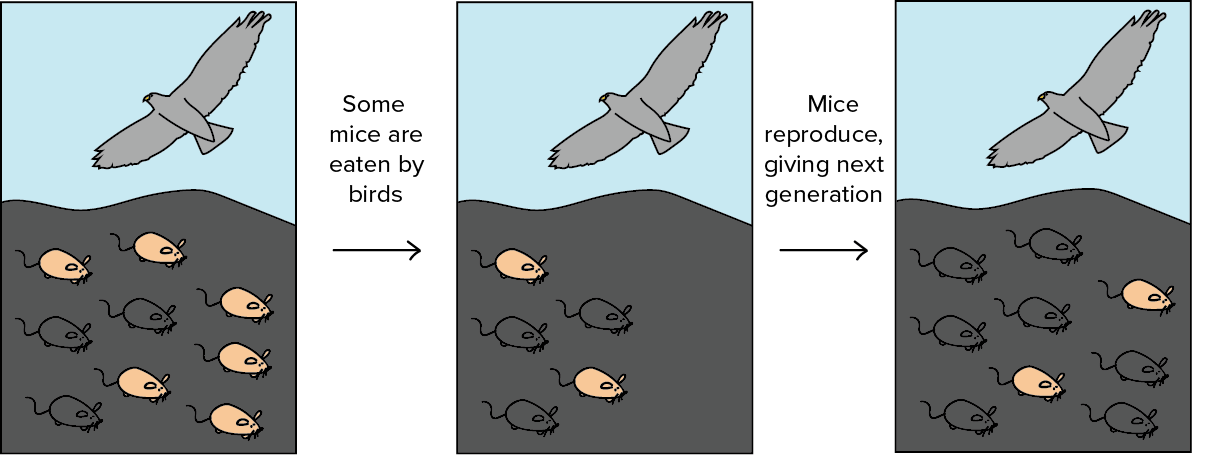
"Organisms that are better adapted to the environment survive to pass traits to their offspring" is the definition of
Natural Selection
Evolution
Selective Breeding
Artificial Selection
Which best describes the role of mutations in natural selection?
Mutations help an organism to better survive in their environment
An organism may acquire a helpful mutation by interacting with the environment
A mutation may result in a beneficial trait that makes an organism more likely to survive and reproduce
Organisms with certain traits are more likely to win competitions for mutations
The more genetic variation a population has,
the more likely it is for some individuals to
evolve
migrate
survive
mutate
Mutations are important because they bring about
death of the organism in which they develop
genetic variation needed for a population to evolve
benefits for the individual, not for the population
changes in genotype, but not phenotype

A harmless scarlet king snake and a venomous eastern coral snake have similar band patterns, as shown below. For the scarlet king snake, the adaptation of having a banding pattern like the eastern coral snake's is known as mimicry.
The outcome of this adaptation in the scarlet king snake is to —
make it easier for the scarlet king snake to attract prey
make it easier for the scarlet king snake to interbreed with the other snake
allow the scarlet king snake to blend in with its environment
protect the scarlet king snake from predators

The diagram shows two frogs from the same species. A mutation created a new allele that results in spots on the back as seen in frog 2. Which of the factors below will have the greatest effect on whether or not the frequency of this gene increases in the population?
it is a more elaborate coloration
it increases the rate of survival
it increases the pigment in certain cells
it does not attract more females
Scientists estimate that there are more than 20,000 species of ants. The species range in size from 1 mm long to 38 mm long and live in most environments. The diets of ants range from flowers and seeds to fluids from their own larvae. Ants have been able to successfully inhabit so many different environments because their populations have been able to —
hybridize with other species of insects
adapt to a variety of habitats and food sources
fill niches usually occupied by mammals
occupy habitats that have no other life-forms

Plants have developed many methods of seed dispersal. The table below shows seeds of two different plants.
How has the seed dispersal method developed by these plants given them a reproductive advantage?
The method ensures that offspring will be dispersed and reduces competition for resources.
The method reduces the chance that herbivores will consume the seeds.
The method lengthens the life cycle of each of these plants.
The method reduces the plants' need for water and other nutrients.
Why can ecosystems only support a limited number of organisms?
limited resources
human activity
changing climate
too much diversity
The maximum size of a population that an ecosystem can support is called _________________________________.
overflow amount
holding pattern
full support
carrying capacity
Why is there less competition when a population is small?
animals are nicer
animals have enough resources
animals are too far apart
animals establish dominance
When does competition for resources increase?
when populations die off
as populations get smaller
as populations get larger
when populations stay the same
Which organisms survive when a population reaches carrying capacity?
organisms better adapted to find resources
larger organisms
smaller organisms
organisms better at hiding
When the best adapted organisms in a population survive to reproduce, it is called ________________________________.
strength training
natural selection
camouflage
outliving
What populations survive better when the ecosystem changes?
larger populations
smarter populations
stronger populations
diverse populations
Different genes allow for different ____________________.
traits
pants
moods
prey
What happens to an organism's genes when it reproduces?
loses it's genes
gains more genes
passes the genes to offspring
takes genes from offspring
What does natural selection change?
organisms
populations
communities
ecosystems
When competition increases as populations grow, organisms with the best ___________________________ are more likely to survive and reproduce.
popularity
adaptations
strength
brains
When do healthy populations exceed the carrying capacity?
never
always
rarely
regularly
An example of a structural/physical adaptation is...
a turtle hiding inside its shell
The spikes on a porcupine fish
a rabbit burrowing underground
a viper biting when threatened
Which of the following is an example of a behavioral adaptation?
fins
hibernation
sharp teeth
camouflage

Tigers are excellent predators. To survive, they hunt and eat other animals in their environment. All of the following characteristics of a tiger help it to be an effective predator except–
sharp teeth and claws
a thick coat of fur
powerful jaws and limbs
good eye sight and hearing

A snowshoe hare has many structural adaptations that help it survive in its environment.
Which adaptation of the snowshoe hare provides warmth andcamouflage in its cold and snowy environment?
Long, flexible ears
Large, brown eyes
Thick, white fur
Wide, strong feet

Which adaptation is a way an organism acts?
Structural Adaptation
Physiological Adaptation
Behavioral Adaptation
None of the above

Which adaptation is represented by a bird having a sharp beak?
Structural Adaptation
Physiological Adaptation
Behavioral Adaptation
None of the above

This tundra animal has which adaptations?
blubber layer
large paws
white fur
all of these


The Iris controls the size and shape of the pupil. Which eye most likely belongs to an animal that is active most of the day on the WHITE DESERT SAND?


The Indian leaf butterfly has traits the allow it to resemble a leaf. The bright colors of the monarch butterfly indicate that the butterfly tastes bad and can be poisonous.
How does the appearance of these butterflies help them survive?
The Indian leaf butterfly is able to avoid predators while the monarch butterfly warns predators away.
The Indian leaf butterfly frightens predators away while the monarch butterfly poisons predators before they can eat it.
Both butterflies rely on camouflage to avoid predation.
Both butterflies cooperate with one another to avoid predation.




The genotype tt is considered to be....
Homozygous dominant
Heterozygous
Homozygous recessive
The genotype GG is considered to be....
Homozygous dominant
Heterozygous
Homozygous recessive
The genotype Gg is considered to be....
Homozygous dominant
Heterozygous
Homozygous recessive
If red color is dominant in flowers, what would a homozygous dominant flower's genotype look like?
RR
Rr
rr
If red color is dominant in flowers, what would a heterozygous flower's genotype look like?
RR
Rr
rr
If white color is recessive in flowers, what would a homozygous recessive flower's genotype look like?
RR
Rr
rr
A flower's red color an example of a....
Genotype
Phenotype
A dog's soft fur an example of a....
Genotype
Phenotype
Tt an example of a....
Genotype
Phenotype
TT an example of a....
Genotype
Phenotype
tt an example of a....
Genotype
Phenotype
Dominant alleles are represented using CAPITAL letters.
true
false
Which of the following are examples of phenotypes for people? (choose all correct answers)
brown eyes
freckles
BB
Ff
hitchhicker's thumb


Trait of an organism that can be HIDDEN by the dominant form of a trait.
Recessive Trait
Phenotype
Allele
Plant and animal cells are examples of
prokaryotic cells
eukaryotic cells
Which of the following is only found in EUKARYOTIC cells?
nucleus
DNA
cell membrane
ribosomes
PROKARYOTIC cells do NOT have
membrane bound organelles
cell membrane
DNA
ribosomes
Which cell type tends to be smaller?
Prokaryote
Eukaryote
there is not a size difference

How would the removal of earthworms from the food chain affect the other organisms?
The number of bass will increase.
The number of crayfish will decrease.
The crayfish will get their energy directly from the sun.
The number of bass and ospreys (bird) will increase.

Suppose that a new predator of the rabbit migrated to this ecosystem. What is the most likely initial effect on the other organisms?
More competition among the mice for food
More competition among the hawks for food
Less competition among snakes for food
Less grass available for food


True or False: Decreasing a population in an ecosystem will affect other populations in the ecosystem.
True
False
What happens when you remove a species from the beginning of a food web?
Every other population is affected
Only populations directly connected to the removed species are affected
Nothing - everything stays the same

Runoff of fertilizers and animal wastes lead to
Overgrazing
Overpopulating
Algal bloom
Greenhouse gasses
Rising temperatures of ocean waters
disrupt marine ecosystems
Increases competition
Decrease temperatures
Decrease light

A terrestrial food web is shown. Which of the following lists only organisms that are secondary consumers in this food web?
Mice, rabbits, herbivorous insects, squirrels
Predaceous insects, toads, spiders, foxes
Spiders, foxes, owl, hawks, snakes
Insectivorous birds, seed eating birds, owls, hawks

The diagram below represents the nitrogen cycle in a student’s aquarium. Ammonia, nitrites, and, to a lesser degree, nitrates can be harmful to fish. The student wants to keep the nitrogen in this aquarium cycling normally without having to continually change the water. Which of the following should the student add more of to help remove nitrates and improve the natural cycling of nitrogen in this aquarium?
Fish
Plants
Nitrobacter
Water


The crab Lybia tessellata carries a pair of sea anemones on its claws. The crab uses the sea anemone’s stinging tentacles as protection and the sea anemone obtains small food particles released by the crab as it feeds. Which type of symbiotic relationship does this best illustrate?
Commensalism
Mutualism
Parasitism
Predation

Which of these best describes the relationship between epiphytes and trees?
Parasitism
Migration
Commensalism
Predation
Beechdrops (Epifagus virginiana) are leafless plants that lack chlorophyll. Beechdrops get their nourishment from the roots of beech trees, which reduces the amount of nutrients available to the trees themselves. This interaction is best described as —
predatory
Parasitic
Commenalsistic
Mutualistic
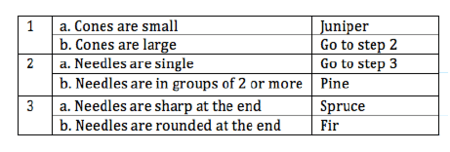

Which leaf is shown in the drawing?
Magnolia
Redbud
Sweetgum
None of the above
Which of these is an example of mutualism?
a dragonfly eating beetles
algae and fungi providing food and shelter for each other
a wasp laying its eggs inside a caterpillar
a woodpecker drilling for insects in the bark of a tree
Which relationship is represented when a hyena eats a rodent that it has caught?
parasitism
commensalism
mutualism
predation
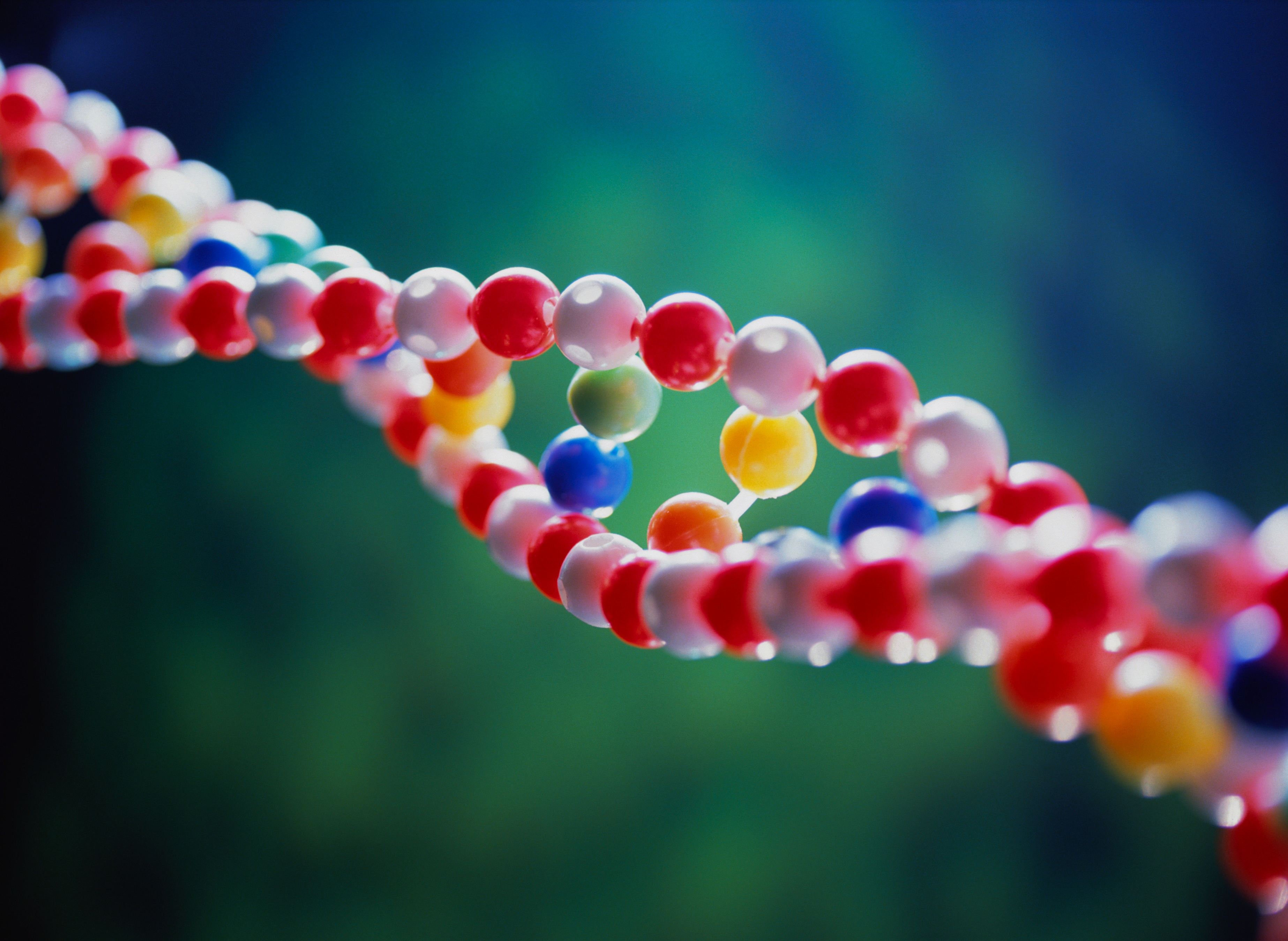
ATG TGA CAG?


Match the following
Adenine
Thymine
Thymine
Adenine
Cytosine
Guanine
Guanine
Cytosine
What is the correct complimentary strand for the following DNA?
ATCGAG
TACGAG
TAGCTG
ATCGAG
TAGCTC
Students created note cards comparing characteristics of eukaryotic and prokaryotic cells. Which set of note cards most accurately compares these cells?


A student groups different types of cells as shown.
Which table headings should the student use for the two groups?


Students use a microscope to look for structures present in four different cells. The students placed an X for each structure that was viewed for each cell on the table shown. Which cell that was viewed is most likely a prokaryote?
F. Cell W
G. Cell X
H. Cell Y
J. Cell Z

The picture shows a student using a microscope to study a prepared slide of a single-celled organism.
A single-celled organism can be classified as a prokaryote based on the absence of —
a cell membrane
ribosomes
chromosomes
a nucleus

Which best describes what a food chain shows you?
Energy flow through an ecosystem
Food flowing through an ecosystem
Consumers going into other consumers
Who eats who

