
 Worksheets
Chapter 18 PS Review (2013 Book)
Total questions: 142
Worksheet time: 2hrs 58mins
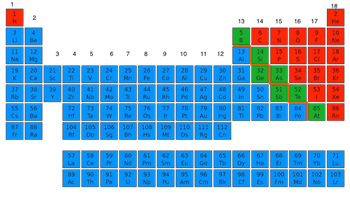
What usually forms the negative ion?
nonmetals
metal
none
A covalent bond forms when atoms ___________ electrons.
gain
share
increase
transfer
______ molecules are found in nature as pairs of two atoms of the same type covalently bonded together.
Diatomic
Monatomic
Polyatomic
Network
Which of the following elements LOSES 1 electron in order to attain a a full outer energy shell?
potassium
calcium
hydrogen
fluorine
According to the Octet Rule, atoms of elements react with each other in order to attain ____ electrons in their outermost energy level or shell.
2
4
6
8
Valence electrons are shared
Ionic bonds
Covalent bonds
Conducts electricity well when melted or dissolved
Ionic compounds
Covalent compounds
Poor electrical conductivity
Ionic compounds
Covalent compounds
Always a solid at room temperature
Ionic compounds
Covalent compounds
Can be a solid, liquid, or gas at room temperature
Ionic compounds
Covalent compounds

What kind of bond does this show?
Ionic
Covalent

What kind of bonds are shown here?
Covalent
Ionic

What type of bonding does this picture show?
Ionic
Covalent
The electrons in a POLAR covalent bond are shared...
Evenly
Unevenly
Electrons are not shared
None of the Above

What type of bond is depicted in the image?
Nonpolar Covalent
Polar Covalent
Ionic

What kind of bond is depicted in the picture?
Ionic Bond
Polar Covalent Bond
Covalent Bond
Nonpolar Covalent Bond

Which element is MORE possessive of its electrons?
O
Be
A plastic rod is rubbed with a piece of wool. During the process the plastic rod acquires a positive charge and the wool
acquires an equal positive charge
acquires an equal negative charge
acquires a smaller positive charge
acquires a smaller negative charge
remains neutral

A positively charged sphere is brought near end A of the uncharged metal bar shown below. Ends A and B of the metal bar will be charged:
positive, negative
negative, positive
positive, positive
negative, negative
neutral, neutral

When you have a bond between Br-Br, what is the polarity?
Polar
Nonpolar
Ionic

When you have an attraction between H-Cl, what is the polarity?
Nonpolar
Polar
Ionic

When you have an attraction between Li-O, what is the polarity?
Nonpolar
Polar
Ionic
When you have a bond between Si-O, what is the polarity?
Nonpolar
Polar
Ionic
When you have a bond between F-F, what is the polarity?
Nonpolar
Polar
Ionic
Water (H2O) is a polar molecule. This means that:
It has a positive electric charge on both sides of the molecule
It has a positive electric charge on one side and a negative charge on the opposite side
The electrical charges are evenly distributed across the molecule
It has no charge
Which of the following is the correct molecular structure for water, H2O?
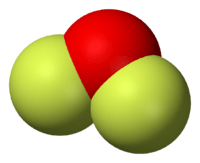
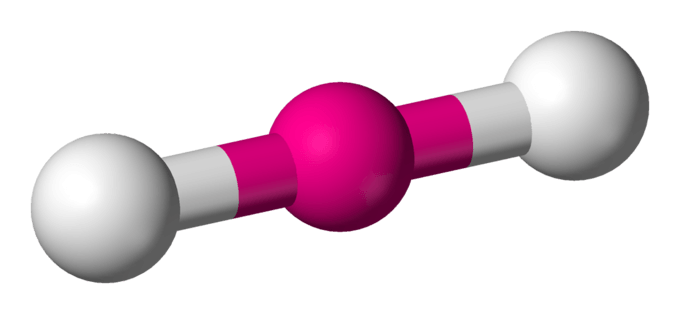
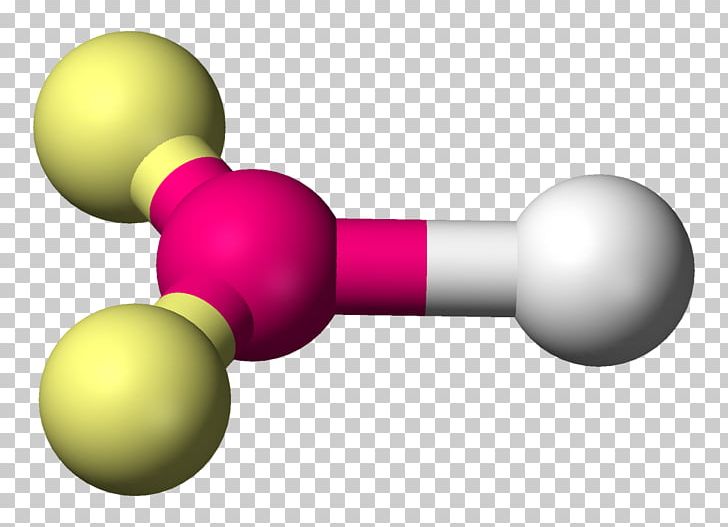
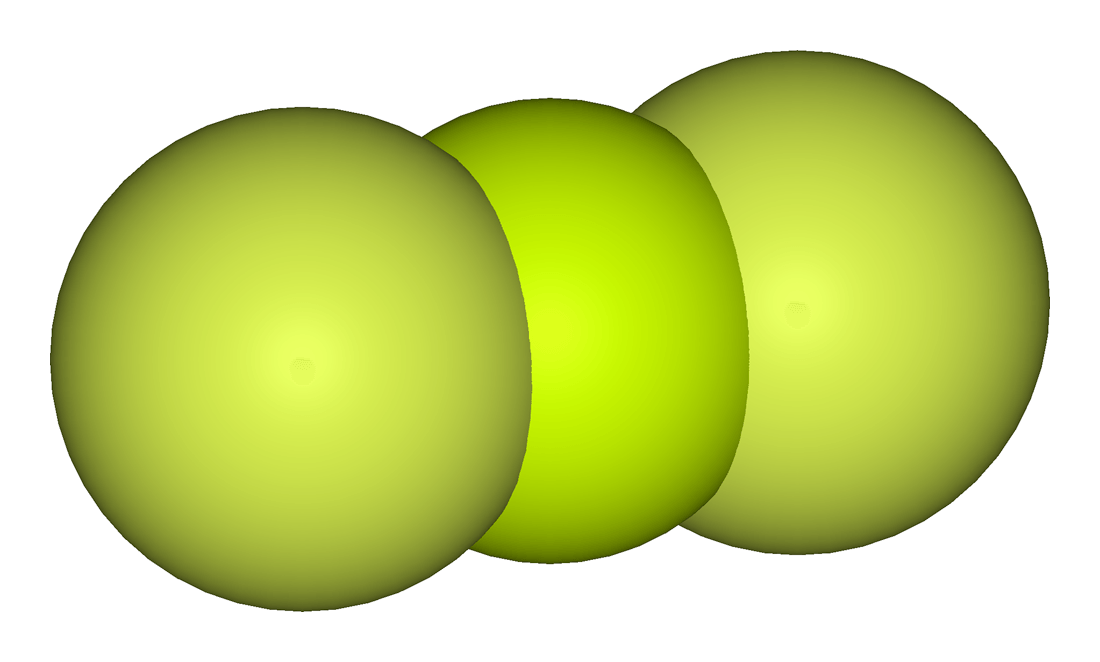
How many hydrogen atoms are in a water molecule?
5
1
2
0
Why do elements bond?
To be friends
To create a new element
To become stable
To get bigger
1

Atoms form compounds when the compound is more ______________ than the separate atoms. Noble gases are more _________than other elements because they have a complete outer energy level.
reactive
stable
explosive
toxic
The sum of the charges in the ions of the compound is ___________.
positive
negative
zero
±1
What do the vertical columns on the periodic table tell us?
The number of orbitals
The number of valence electrons (electrons on the outer most shell)
What are the vertical columns on the periodic table called?
groups
periods
nonmetals
metals
metalloids
What are the horizontal rows on the periodic table called?
periods
groups
metals
nonmetals
metalloids
What do the horizontal rows on the periodic table tell us?
The number of shells occupied by electrons
The number of valence electrons (the electrons on the outer most shell)
LiBr is called
lithium bromine
lithium (I) bromine
lithium bromide
lithuim (I) bromide
What is the correct molecular formula for barium hydroxide?
Ba(OH)2
Ba2OH
BaOH
Ba2OH
Which of these combinations is an ionic compound made of?
Metal and Metal
Nonmetal and Nonmetal
Metal and Nonmetal
Cation and Cation
When naming ionic compounds with transition metals you need to include roman numerals to show the _____ of the metal..
atomic number
mass number
charge
ionization energy
Cr3+ O2-
Al3+ O2-
When two or more different elements are chemically combined.
Mixture
Element
Solution
Compound
A chemical bond where electrons are taken/stolen
Ionic Bond
James Bond
Covalent Bond
Polar Bond
Name the following compound: CaCl2
calcium dichloride
calcium chloride
calcium (II) chloride
carbon chloride
None of these.

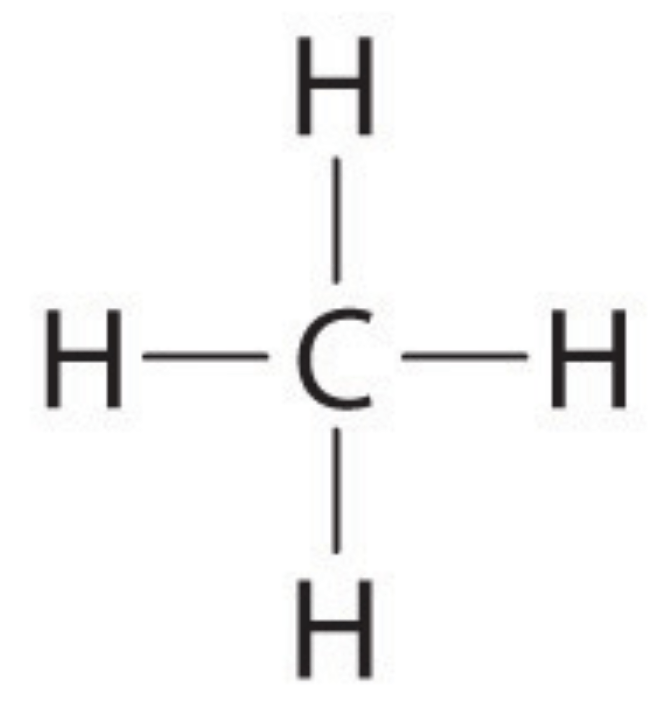
Classify the following molecule.
polar
nonpolar

Classify the following molecule.
polar
nonpolar

Classify the following molecule.
polar
nonpolar

Is the following molecule polar or nonpolar?
polar
nonpolar

Is the following molecule polar or nonpolar?
polar
nonpolar

Is the following molecule polar or nonpolar?
polar
nonpolar

Is the following molecule polar or nonpolar?
polar
nonpolar

Is the following molecule polar or nonpolar?
polar
nonpolar

Why is the molecule polar?
There is a nonbonding pair on the central atom.
There are different types of elements bonded to the central atom.
There are no nonbonding pairs on the central atom and all of the atoms bonded to the central atom are the same.

Classify the following molecule.
polar
nonpolar
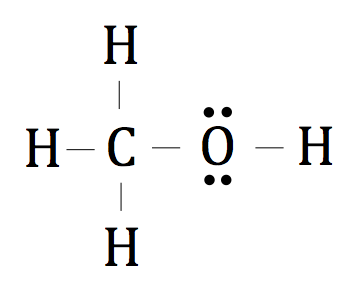
Is the following molecule polar or nonpolar?
polar
nonpolar
The two (2) factors that determine if a molecule is Polar or Non-polar:
The atoms's ionization energy
the type of atoms in the molecule
The atom's oxidation number
the shape of the molecule
When you have Br-Br, what is the polarity?
Polar
nonpolar
Ionic
The electrons in a polar covalent molecule are shared...
Evenly
Unevenly
Electrons are not shared
None of the Above
The electrons in a nonpolar covalent molecule are shared...
Evenly
Unevenly
Electrons are not shared
None of the Above
The electrons in an ionic molecule are shared...
Evenly
Unevenly
Electrons are not shared
None of the Above

Metallic Bonding
Covalent Bonding
Ionic Bonding
Electromagnetic Bonding
Match the following
Force that holds the atoms of a substance together
chemical bond
substance made of the combined atoms of two or more elements
compound
tells what elements a compound contains and the exact number of atoms of those elements
chemical formula
represents the number of units of each substance
coefficient
represents the number of atoms of a particular element
subscript
Match the following
positively or negatively charged atom; gain or lose electrons
ion
force that brings opposite charged ions together
Ionic bond
neutral compound that consists of positive and negative ions
ionic compound
how many electrons the atoms needs to gain or lose to reach a full outer energy level.
oxidation number
force that brings nonmetal atoms together to share electrons
covalent bonds
Match the following
a substance made of molecules
molecular compound
the neutral group of atoms held together by sharing electrons and a covalent bond
molecule
positively or negatively charged group of elelments
polyatomic ions
An atom that gains or loses an electron becomes
an isotope
a new element
an ion
a molecule
When an atom gains an electron it becomes
negatively charged
positively charged
neurtal
Ionic bonds happen when valence electrons are
shared
too heavy
transferred
Valence electrons are
neutral (no charge)
found in the outer most energy level of the atom
equal to the number of protons
Which type of bond occurs between non metals?
covalent bonds
ionic bonds
metallic bonds
all types of bonds
How many different elements are in the C6H12O6
3
6
12
24
How many total atoms are in C6H1206
3
6
12
24
What type of bond forms CaF2
covalent bond
ionic bond
metallic bond
all answers are correct
In order for a chemical reaction to occur,
there must be an explosion or fire
bubbling or gas must be produced
a new substance must be formed
the substance must turn color
After a chemical reaction occurs, atoms are not created nor destroyed,
just rearranged into a new substance
just changed into different elements
just turned into unstable elements

How many valence electrons are shown in the diagram?
16
7
6
2

Examine the image: How many bonds are formed looking at the model of the compound? And also indetify what type of bond is formed.
2 bonds; covalent
4 bonds; metallic
2 bonds; ionic
4 bonds; covalent
Ionic Bonding is the _________ of electron/s between atoms.
sharing
transfer
loose
gain
a type of covalent bond that shares two pairs of electron
single bond
double bond
triple bond
This refers to the tendency of atoms to prefer to have eight electrons in the valence shell
Octet rule
Valence electron
Electronegativity
Lewis symbol
Electron that is located on the outermost shell
proton
neutron
electron
valence electron
A bond between metal and non metal is called
covalent bond
ionic bond
metallic bond
transfer bond
Predict the bond that form between Be and F
Covalent
Ionic
If an atom loses two electrons what charge will it have?
-1
-2
+1
+2
Which particle is responsible for bonding?
Electrons
Protons
Nucleus
Neutrons
Which element is most likely to form 2 bonds?
Carbon
Fluorine
Nitrogen
Sulfur
Why do elements bond?
To be friends
To create a new element
To become stable
To get bigger


How many valence electrons does Oxygen (O) have?
6
8
15
16


An atom with a different number of electrons than it should have (more or less) is called an ---
isotope
valence electron
ion
octet
What is the charge of the cation in Mg(OH)2
(a)
What is the charge of the cation in iron III nitride?
(a)
What is the charge of the cation in beryllium oxide?
(a)
What is the charge on the anion in lithium nitride?
(a)

