
 Worksheets
Y9 Chemistry Summer Revision 2025
Total questions: 156
Worksheet time: 2hrs 6mins

The diagram shows the metallic structure. The arrow A points to...
proton
electron
delocalised electron
neutron
The diagram shows the metallic structure. The arrow B points to...
metal ion
electron
delocalised electron
neutron
Electrons that are free to move in metals
delocalized electrons
localised electrons
chemical bond
salts

Atoms in a metallic structure are arranged in a
regular pattern
random pattern
Which letter points to a 'delocalised electron'?
(a)
Which letter points to a 'metal ion'?
(a)
Delocalised electrons can be found in
metals
non-metals
Copper is an excellent conductor of electricity. This is because copper has
delocalised electrons that are free to move
delocalised electrons that are in fixed positions
delocalised neutrons that are free to move
delocalised protons that are in fixed positions


What type of force holds metals together in a metallic bonding?

The diagram shows metallic bonding.
Which labels are correct?
X: atomic nucleus
Y: outer electron
X: metal atom
Y: delocalised electron
X: metal ion
Y: delocalised electron
X: positive ion
Y: negative ion

In metals, delocalised electrons and metals ions are held together by
electrostatic attraction
gravity
resistance
thrust

the blue circles represent
delocalised electrons
metal ions
neutrons
protons
the red circles represent
delocalised electrons
metal ions
neutrons
protons

The Reactivity Series lists metals lists metals from least to most reactive
true
false

Choose the more reactive metal
sodium
potassium

Choose the least reactive metal
calcium
magnesium
iron
copper

Choose the most reactive metal
calcium
magnesium
iron
copper

Choose the more reactive metal
silver
copper

Choose the less reactive metal
copper
gold

Aluminium + Iron oxide -->
aluminium
oxide
aluminium oxide and iron
iron

gold + copper iodide-->
gold iodide and copper
No reaction
gold copper
gold iodide

iron + copper sulfate-->
iron sulfate and copper
No reaction
iron copper
copper iron and sulfate

sodium + potassium nitrate-->
sodium potassium
sodium nitrate
no reaction
sodium nitrate and potassium

iron + silver chlorate -->
silver iron
iron silver
iron chlorate and silver
no reaction

In a displacement reaction a MORE reactive metal displaces a LESS reactive metal from its compound
True
False

Copper can displace iron from its compound
true
false

Iron can displace copper from its compound
true
false

Magnesium can displace alumiunium from its compound
true
false

Aluminium can displace sodium from its compound
true
false

Magnesium Nitrate + Zinc -->
no reaction
zinc nitrate + magnesium
magnesium zinc + nitrate
zinc nitrate only

Gold is displaced by copper
true
false

Gold will displace potassium from potassium bromide
Yes
No
Sulfuric acid
H2SO4
HCl
HNO3
What gas is released when metals react with water?
hydrogen
oxygen
nitrogen
carbon dioxide

How many chemical equations are shown above?
0
10
15
3
6
How many chemical formula are shown above?
0
10
15
3
6
What are the products in equation 1
carbon
oxide
zinc oxide
carbon dioxide
zinc
How many word equations are shown above?
0
10
15
3
6
How many symbol equations are shown above?
0
10
15
3
6
What are the products in equation 2
sugar
oxygen
water
carbon dioxide
carbon
What are the products in equation 3
magnesium
chloride
chlorine
magnesium chloride
magnesium chlorine
What are the reactants in equation 3
magnesium chlorate
chlorine
chloride
magnesium chloride
magnesium
What are the reactants in equation 1
zinc carbonate
carbonate
zinc oxide
carbon dioxide
zinc
What are the reactants in equation 2
sugar
oxygen
water
carbon dioxide
carbon

How many chemical equations are shown above?
0
10
15
3
6
How many word equations are shown above?
0
10
15
3
6
How many symbol equations are shown above?
0
10
15
3
6
How many formula are shown in equation 1?
10
9
7
3
5
How many reactants are shown in equation 2?
5
6
7
4
2
How many magnesium chloride molecules are formed by the reaction in equation 3?
4
1
6
3
2
How many 'reactants' are in equation 1?
4
1
6
3
2

What do the red symbols tell you?
the states
the hazards
the amounts
the cost
the reactivity
What does the red arrow in the middle of each equation mean?
equals ...
reacts to form ...
is greater than ...
What state is zinc oxide (ZnO) in equation 1?
solid
liquid
gas
aqueous - solid dissolved in water
salt
What state is carbon Dioxide in equation 1?
solid
liquid
gas
aqueous - solid dissolved in water
salt
What does aq in equation 3 mean?
solid
liquid
gas
aqueous
aqua
What does aq in equation 3 mean?
evaporated liquid
soft solid
contains oxygen
solid dissolved in water
no water allowed
Which equation has two gases reacting together?
1
2
3
all of them
none of them
Which equation has two liquids reacting together?
1
2
3
all of them
none of them

When most reactive metals react with water, metal hydroxide and hydrogen are made
true
false

sodium + water ⟶
sodium hydroxide
hydrogen
sodium oxide
oxygen

potassium + water ⟶
potassium hydroxide
hydrogen
potassium oxide
oxygen

Which metal would react most vigorously with water?
sodium
calcium
magnesium
copper
Select all metals that will react with cold water
sodium
lithium
potassium
Select all metals that would make metal hydroxide and hydrogen in a reaction with cold water
sodium
calcium
potassium

calcium + water ⟶
calcium hydroxide
calcium oxide
hydrogen
no reaction

Complete the sentence:
When potassium reacts with water...
potassium oxide and hydrogen are made
potassium hydroxide and hydrogen are made
potassium oxide and oxygen are made
potassium hydroxide and oxygen are made

Which metal is most likely to react with cold water like this?
magnesium
lithium
zinc
potassium

Which would make the reaction faster?
Grinding up the reactants into a powder
Keeping the reactants together as a lump

Which would make the reaction slower?
Grinding up the reactants into a powder
Keeping the reactants together as a lump

What effect does grinding up the reactants into a powder have on the rate of reaction?
decreases the rate of reaction
increases the rate of reaction
makes no difference to the rate of reaction

What effect does heating the reactants up have on the rate of reaction?
decreases the rate of reaction
increases the rate of reaction
makes no difference to the rate of reaction
Which would react faster?
5 grams of small marble chips
5 grams of large marble chips
they would react at the same speed
What effect does cooling the reactants down have on the rate of reaction?
decreases the rate of reaction
increases the rate of reaction
makes no difference to the rate of reaction
Which of these temperature changes will increase the rate of the reaction?
raising the temperature
lowing the temperature
temperature makes no difference to the rate of reaction
Which of these temperature changes will decrease the rate of the reaction?
raising the temperature
lowing the temperature
temperature makes no difference to the rate of reaction
Why does high temperature increase the rate of the reaction? Tick all the correct options
the particles become ions
the particles move faster
the particles collide more often
the particles change size
the particles have more energy

Which of these will decrease the rate of the reaction?
using a more concentrated liquid
using a less concentrated liquid which is diluted
concentration makes no difference to the rate of reaction

Why does high concentration increase the rate of the reaction? Tick all the correct options
the particles become ions
the particles move faster
the particles collide more often
the particles change size
the particles have more energy

Why does high surface area increase the rate of the reaction? Tick all the correct options
the particles become ions
the particles move faster
the particles collide more often
the particles change size
the particles have more energy
Which would make the reaction faster?
high surface area of reactants
low surface area of reactants
high surface area of products
low surface area of products
Which of these will increase the rate of the reaction?
using a more concentrated liquid
using a less concentrated liquid which is diluted
concentration makes no difference to the rate of reaction
Changing concentrations of acid from 1M to 4M, will .....

increase particle energy / motion

increase frequency/chance of collisions

Raising the temperature from 10oC to 40oC will .....
increase particle energy / motion
increase frequency/chance of collisions

Grinding reactants into a powder will .....
increase particle energy / motion
increase frequency/chance of collisions
Grinding reactants into a powder will .....
increase particle energy / motion
increase frequency/chance of collisions
make no difference
Which solution will react the fastest with the red particle?
4M
1M
they will be the same
increasing the concentration of the reactants will ...
slow down the rate of reaction
speed up the rate of reaction
make no difference to the rate of reaction
Decreasing the concentration of the reactants will ...
slow down the rate of reaction
speed up the rate of reaction
make no difference to the rate of reaction

Which is faster?
no catalyst
a catalyst added
it make no difference
When you add a catalyst, you get
(a) product at the end
What does a catalyst do?
speed up the reactants
increase the rate of reaction
grind up the reactants
increase the pressure
change the concentration

Catalysts increase the .....
success of collisions
frequency of collisions
activation energy
Catalysts increase the (a) of collisions between reactants
Catalysts get used up as they work. There are less and less of them
true
false
Catalysts can be reused over and over again because they never get used up.
true
false
which word belongs on the title of the Y axis

Reactants

Products

Catalyst

The test was repeated with powdered Mg instead of a lump,
which red line shows how the graph changed?


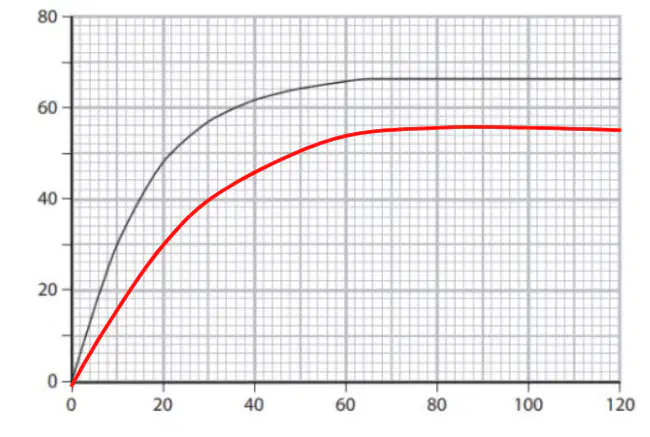
The test was repeated with a lump of Mg instead of powdered,
which red line shows how the graph changed?
The test was repeated with 6M HCl instead of 1M dilute HCl
which red line shows how the graph changed?
The test was repeated with 1M dilute HCl instead of 8M HCl
which red line shows how the graph changed?
The test was repeated with the addition of a catalyst
which red line shows how the graph changed?

Which action increases the energy of the collision
grinding reactants
higher concentration of reactants
hotter temperature
increased pressure
There are many different catalysts in the world

true

false
some catalysts can slow reactions down
true
false

Which colour does universal indicator turn when it is neutral?
blue
red
yellow
green
white

Match the meaning of these universal indicator paper colours
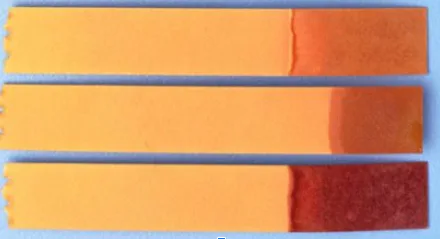
It is Acidic
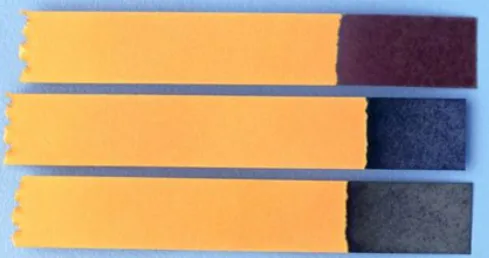
It is Alkali
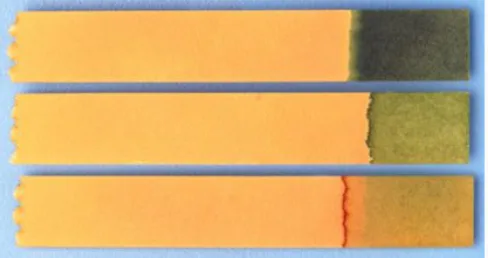
It is Neutral
Match the meaning of these universal indicator paper colours
It is pH 1-3
It is pH 10-14
It is pH 6-8
Match the 5 substances to their descriptions

Choose all the liquids that could neutralise Liquid A ?
Liquid A
Liquid B
Liquid C
Liquid D
Liquid E
Match the descriptions to the universal indicator pH scales
Strong
Acid
Weak
Acid
Neutral
Weak
Alkali
Strong
Alkali

pH 7 has ...
more H+
than OH-
more OH-
than H+
equal amounts of H+ and OH-
pH 8 has ...
more H+
than OH-
more OH-
than H+
equal amounts of H+ and OH-
pH 6 has ...
more H+
than OH-
more OH-
than H+
equal amounts of H+ and OH-
pH 2 has ...
more H+
than OH-
more OH-
than H+
equal amounts of H+ and OH-
pH 1 is
acid
alkali / base
neutral
pH 6 is
acid
alkali / base
neutral
pH 7 is
acid
alkali / base
neutral
pH 8 is
acid
alkali / base
neutral
pH 2 has ...
more Hydrogen ions
more Hydroxide ions
equal amounts of both
pH 6 has ...
more Hydrogen ions
more Hydroxide ions
equal amounts of both
HCl is
acid
alkali / base
neutral
H2SO4 is
acid
alkali / base
neutral
Which is the pH of a weak acid ?
7
8
6
1
14
Choose 2 boxes that contain
one type of Element
Choose 2 boxes that contain
one type of Compound
Choose 2 boxes that contain
a mixture of 2 different types of molecule
Choose 2 boxes that contain
a mixture of 2 different elements

Organize these into categories


Organize these into categories
Oxygen
Carbon Oxide
Carbon
Sodium Chloride
Sodium
Chlorine
Sodium Oxide
Carbon Chloride

Match the formula to the name

Li2S

Li2SO4

LiClO3

LiCl
Name these
Tick the correct formula for this molecule
Tick the correct formula for this molecule
Tick the correct formula for this molecule
Tick the correct formula for this molecule
Tick the correct formula for this molecule
Tick the correct formula for this molecule
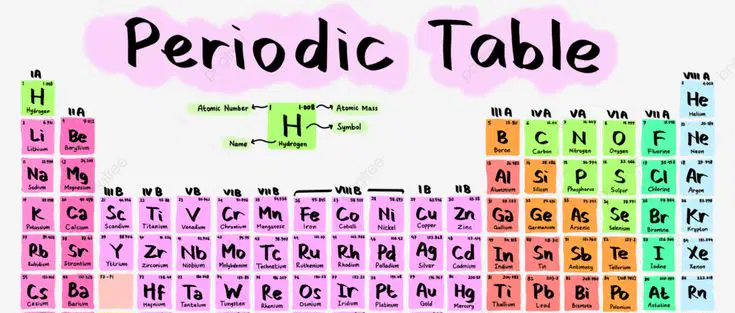
The periodic table is a list of different types of (a)
Choose all the equations
Choose all the WORD equations
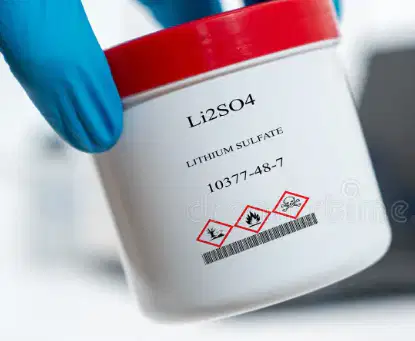
Li2SO4 is the (a) for Lithium sulfate.
it contains (b) sulfur
Carbon (C) and Oxygen (O2) bonds to form carbon dioxide (CO2).
Complete the table to show which are formulas.
Complete the ending to the chemical names
Name these molecules
Complete the table to show which of these things is called a product
Complete the table to show which of these things is called a reactant
Complete the table to show which of these things is called a product

Some carbon in toast reacts with oxygen to make carbon dioxide. What is the product of this reaction?
(a)

Which formula best represents the contents of the box
Be3F6
3BeF2
3Be2F
2FBe3
3FBe2
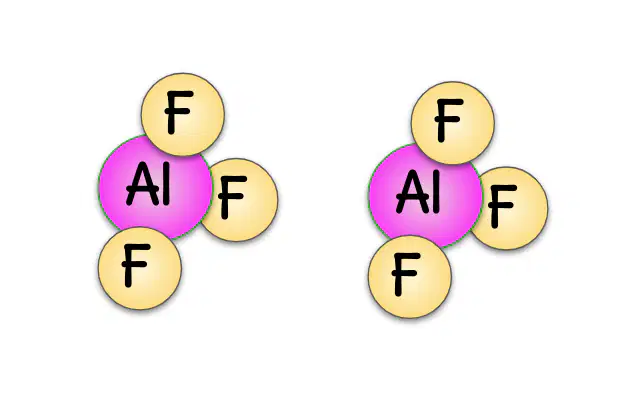
Which formula best represents the contents of the box
Al2F6
2AlF3
3FAl2
2FAl3
3AlF2
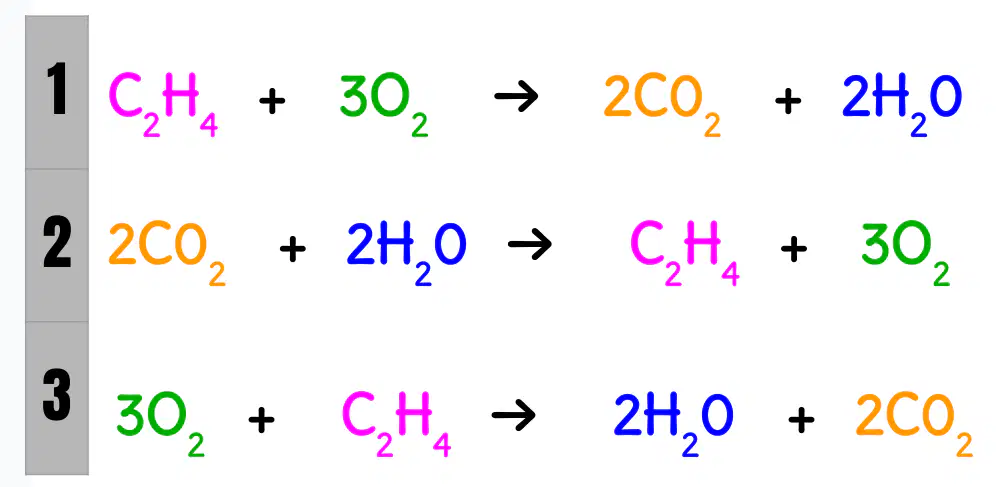
which equations are the same ?
1 & 2
1 & 3
2 & 3
none - they are all different
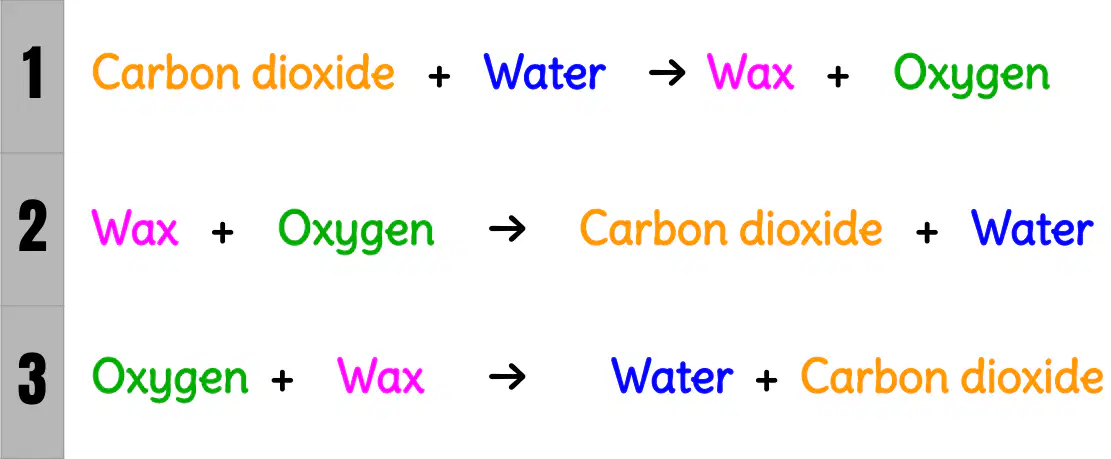
which equations are the same ?
1 & 2
1 & 3
2 & 3
none - they are all different
Count up the number of each type of atom before the reaction started
2 atoms
6 atoms
4 atoms
3 atoms
5 atoms
1 atom
7 atoms
8 atoms

