
 Worksheets
Semester 2 Test Review
Total questions: 157
Worksheet time: 3hrs 33mins
How did Mendel refer to the two kinds of traits exhibited by the pea plants (one coming from the father, one from the mother)?
Gametogenic
Elective traits
Alleles
Sequals
What do we call the result of the genotype (for example, the color of the peas)?
Visible traits
Physiotrait
Genotype 2
Phenotype
What do we call the table used to calculate the probability of an offspring's genotype?
Punnett Square
Venn Diagram
Avogadro's Graph
Circle of Life
Yy is an example of...
A heteroygous phenotype
A heterozygous genotype
A homozygous phenotype
A homozygous genotype
YY is an example of...
A heterozygous phenotype
A homozygous phenotype
A homozygous genotype
A heterozygous genotype

Each pea plant had _____alleles for each trait.
1
2
3
4
Using Mendel's cross of two F1 generation plants with the genotype Tt, what is the probability that the F2 generation offspring will be tall (TT or Tt)?
1/4
1/2
3/4
1
Organism's genetic makeup
genotype
phenotype
karyotype
trait
Organism's physical traits
genotype
phenotype
karyotype
trait
Principle of independent assortment states that _______.
genes for different traits can segregate independently during the formation of gametes
genes for the same traits segregate together during the formation of gametes
only dominant genes segregate during the formation of gametes
genes cannot segregate during the formation of gametes

What are the possible genotypes for this cross?
TT = 25% Tt= 50% tt=25%
all tall
TT= 75% tt = 25%
Tt = 100%

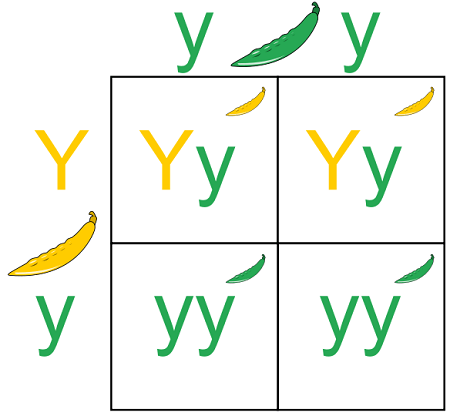
Which choice best represents the genotypic ratios for the offspring of this cross?
1 Yy: 2 yy: 0 YY
2 Yy: 2 yy: 0 YY
3 Yy: 1 yy: 0 YY
1 Yy: 3 yy: 0 YY
Law which states that different traits are inherited independently of each other
Law of independent assortment
Genetics law
Law states that 1 allele is more dominant than the other. Recessive allele is only expressed when dominant is not present
Law of dominance
Law of inheritance
If your genotype is Bb, then you can only pass a B or b to your child but you can't pass both.
Law of Dominance
Law of Segregation
Law of Independent Assortment
An organism is a hybrid genotype (Tt) but is appears tall instead of short.
Law of Dominance
Law of Segregation
Law of Independent Assortment

Which horse coat color shows incomplete dominance?
Creme
Chesnut
Palomino
Which Pit Bull Terrier is showing incomplete dominance?


A diploid cell...
has 1/2 the amount of chromosomes
has the normal amount of chromosomes (46)
is represented by (n) in meiosis
A haploid cell...
has the complete amount of chromosomes (46)
is represented by (2n)
has 1/2 the amount of chromosomes
Which phrase best describes MEIOSIS?
cell division of somatic cells (normal body cells)
cell division of prokaryotic cells
cell division of gametic cells
When gametes fuse during fertilization, they create a zygote that has_______________ cells.
haploid
diploid
polyploid
One similarity between MITOSIS and MEIOSIS is...
the order of phases (PMAT)
the types of cells that are dividing
where the process is occurring in the organism
Meiosis occurs in the _________________ of organisms.
digestive organs (stomach, intestines)
reproductive organs (testes, ovaries)
sensory organs
(eyes, ears, nose)
How many daughter cells are made at the end of Meiosis l?
2
3
4
6
How many daughter cells are made at the end of Meiosis ll?
2
4
6
8
The daughter cells created in Meiosis are _____________.
identical
non-identical
Crossing over is the process of...
chromosomes separating during Anaphase
tiny pieces being exchanged on two sister chromatids
chromatids lining up in the middle of the cell during Metaphase
During Prophase l of MEISOSI...
the cell is split in two
chromosomes line up in the middle of the cell
crossing over occurs between two chromosomes
Which is NOT true about sexual reproduction?
only one organism is required to pass on traits
sperm and egg are required for a zygote to form
both parents pass on traits to offspring

What process is being represented in this diagram?
asexual reproduction
mitosis
meiosis
DNA replication
If an egg cell of an organism contains 12 chromosomes, how many chromosomes should be present in a heart cell of the same organism?
12
24
6
48
The matching pair of chromosomes you inherit from your genetic parents are called
sister chromatids
autosomes
homologous chromosomes
sex chromosomes
When does "crossing over" of genes occur during meiosis?
Prophase I
Metaphase I
Anaphase I
Telophase I
What happens during anaphase?
Chromosomes/chromatids line up in center
Nucleus dissolves
The cell divides
Chromosomes/chromatids are pulled apart
How many chromosomes are in the somatic cells of humans?
46
23
42
26

During which phase are sister chromatids lined up in a single file along the center of the cell?
Metaphase I
Metaphase II
Telophase I
Telophase II

Which letter(s) in the diagram correspond to cells that are haploid?
A and B
A and C
B and C
A only
What is the purpose of meiosis?
growth
repair
reproduction
to create identical cells

Interphase I
Interphase II
Prophase I
Prophase II

Interphase I
Interphase II
Prophase I
Prophase II

Interphase II
Prophase II
Metaphase II
Telophase I
Cytokinesis I

Prophase I
Prophase II
Metaphase I
Metaphase II
Anaphase I

Metaphase I
Anaphase I
Telophase I
Cytokinesis I

Which genes will have the greatest chance of being separated during crossing over?
B and C
A and B
C and D
D and A
How might a plasmid contribute to a selective advantage for a bacterial cell?
Make the cell competent.
Could provide a selective advantage for that cell.
Make the cell wall stronger.
Does not contribute
What is transformation?
The use of viruses to transform or genetically
engineer cells.
The measure of how well cells are transformed in a new phenotype.
The insertion of a foreign plasmid into a bacterial cell which results in new acquired traits.
Genetic engineering or transformation of mammalian cells.
What is genetic transformation?
A prokaryotic cell turning into a eukaryotic cell
Foreign DNA being inserted into a plasmid
A host organism taking in foreign DNA
A gene being mutated
Which image is a plasmid?


What organism(s) did Frederick Griffith study? There may be 2!
mice
bacteriophage
bacteria
Who discovered that bacteria could be changed by the process of transformation?
Griffith
Hershey & Chase
Avery
Franklin

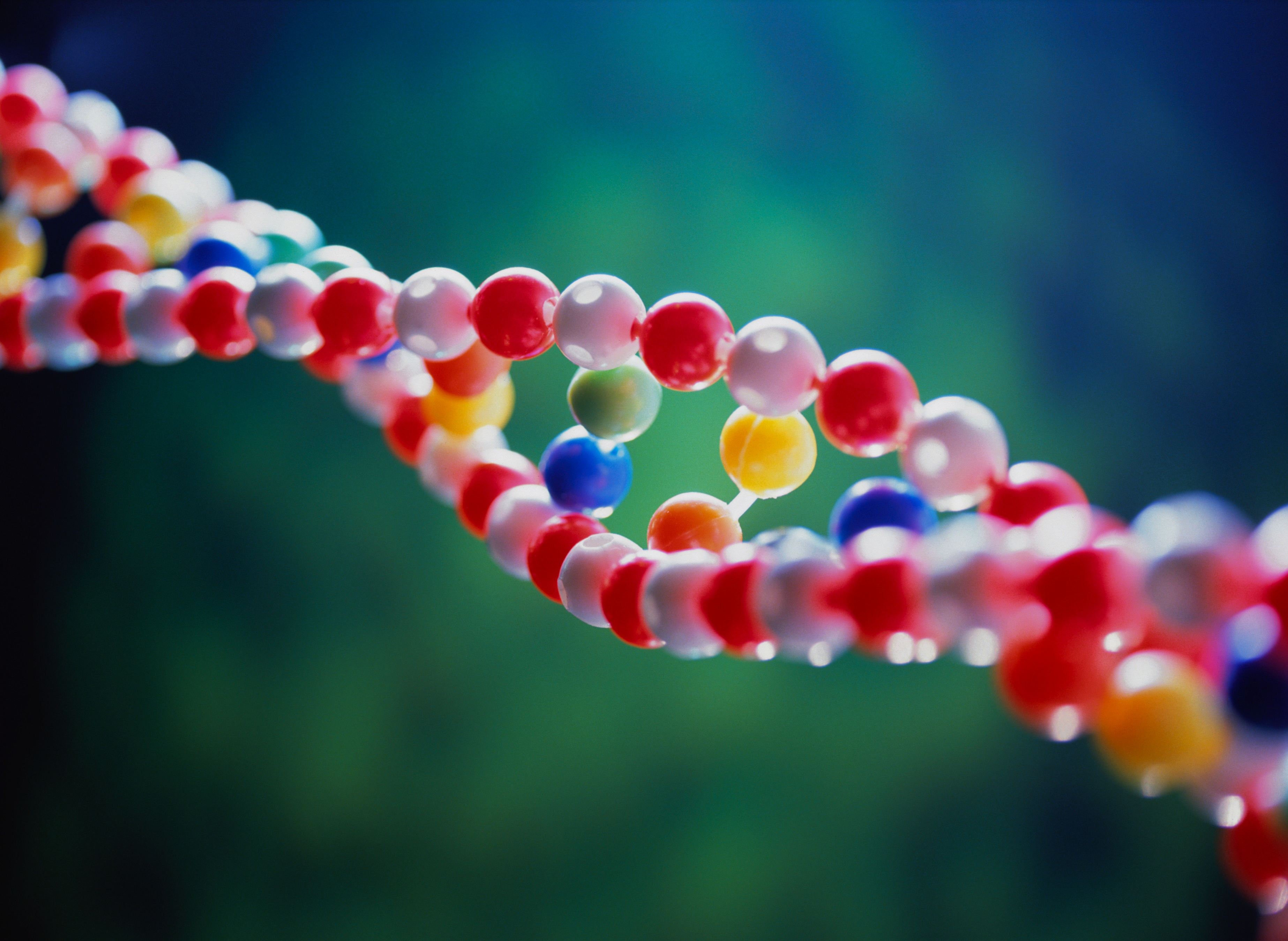
ATG TGA CAG
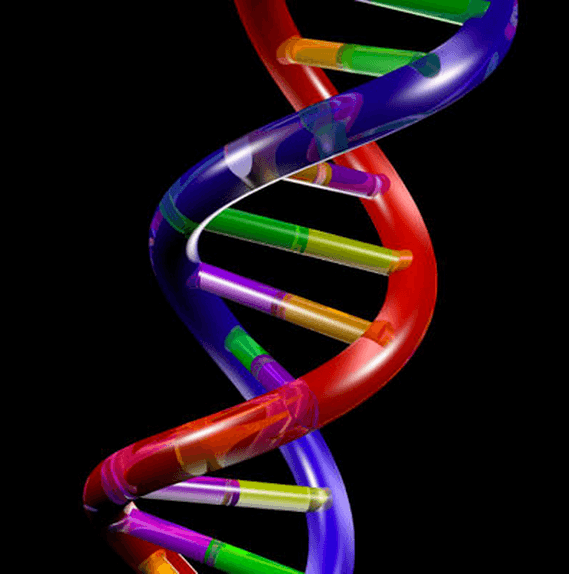
Each section of DNA that codes for a protein is called a...
Chromosome
RNA
Gene
Enzyme

In RNA, Adenine will pair with what nitrogen base?
Thymine
Guanine
Cytosine
Uracil
What is the job of ribosomes?
make proteins
store energy
create covalent bonds
create hydrogen bonds
Using the hotspot tool, identify the 5-carbon sugar of the nucleotide.
Using the hotspot tool, label the nitrogenous base pair.
Using the hotspot tool, correctly label the phosphate group.

What does DNA stand for?
Dinucleic Acid
Dinucleotide Acid
Deoxyribonucleic Acid
Deoxynucleotide Acid

What are the sides of the DNA ladder made of?
Nitrogen bases
Amino acids
Alternating sugar and phosphate molecules
Carbon and hydrogen bonds
What is the bond between nitrogen bases?
Carbon
Nitrogen
Hydrogen
Oxygen
6A A segment of a DNA strand is shown.
3’ AGGTCAGGT 5’
Which of these is the correct complementary DNA strand for the segment shown?
5’ AGGTCAGGT 3’
5’ ACCUGAGGU 3’
5’ TGGACTGGA 3’
5’ TCCAGTCCA 3’
what nucleotides are purines?
what nucleotides are pyrimidines?
Cytosine, Thymine, and Uracil
Adenine, Guanine, and Thymine
Adenine, Guanine, and Uracil
Adenine, Cytosine, and Guanine
Match the enzymes to the correct location.
Helicase
DNA Polymerase
Ligase

The fragments on the lagging strand that are made up of repeating segments of DNA and RNA Primers
okazaki fragments
Primase
Polymerase
unused DNA
Which of the following best describes the arrangement of the sides of the DNA molecule
Bonding
Alternating
Anitparallel
Parallel
DNA polymerase moves in the _________ to ____________ direction
3' to 5'
easiest
5" to 3"
9 to 5
Enzyme that connects the DNA to the backbone (glues)
Ligase
Polymerase
Helicase
Primase
Enzyme that breaks hydrogen bonds (unzips)
Ligase
Polymerase
Primase
Helicase

The diagram above shows both a portion of a DNA molecule and a portion of an RNA molecule. The RNA molecule is located
towards the bottom of the diagram. I know this because it contains thymine.
towards the bottom of the diagram. I know this because it is a single strand and contains uracil.
towards the top of the diagram. I know this because it is a double strand and contains thymine
towards the top of the diagram. I know this because it contains uracil.
The synthesis of RNA is called _______ and happens in the ______.
Transcription / ribosomes
Translation / ribosomes
Translation / nucleus
Transcription / nucleus
There are 3 main types of RNA that we are studying. Ribosomal RNA (rRNA) along with proteins help build the ribosome. What is the role of mRNA?
The role of mRNA is to carry the amino acid from the nucleus to the ribosome.
The role of mRNA is to work with the rRNA and help create the ribosome.
The role of mRNA is to carry the genetic information from the nucleus to the ribosome so that the correct protein can be made.
The role of mRNA is to help make proteins by transferring the amino acids from the cytoplasm.

This picture depicts what is known as the initiation portion of RNA synthesis (transcription). Notice that RNA polymerase is present. What is the role of RNA polymerase?
RNA Polymerase helps attract synthesis factors to the promotor site.
RNA Polymerase is an enzyme that helps in DNA replication
RNA polymerase forms an amino acid sequence along the mRNA strand.
RNA polymerase binds to DNA at a promoter region (a specific sequence of bases) and separates DNA strands.

The diagram above shows the elongation of the mRNA strand. What is the template used in transcription?
DNA strand
mRNA strand
tRNA strand
rRNA strand
Which of these bases does NOT exist in an RNA strand?
Adenine
Thymine
Uracil
Guanine
Cytosine
Before the mRNA leaves the nucleus it must be edited. Multiple section of the mRNA will be cut out and discarded. These sections are called
Exons
Intons
Promotors
Cap region
Tail region
The resulting exons will be spliced together forming a molecule
.known as the mRNA strand.
that carries the genetic message
leave the nucleus and go to the ribosome to make a protein
all of these are correct

What is " junk DNA"?
Coding DNA
Non-coding DNA
Waste DNA
There is no such thing as junk DNA

The job of tRNA is to
copy the genetic code from DNA
bring amino acids to the ribosome
bring the code from the DNA to the ribosome
synthesize amino acids

Ribosomal RNA is a form of RNA that
makes up a ribosome
carries amino acids to the ribosome
transfers the genetic code to the nucleus
copies the genetic code from DNA
What subunits comprise a ribosome?
large and small
big and little
big and small
large and little
Which answer models central dogma?
DNA to protein to RNA
RNA to DNA to protein
DNA to RNA to protein
protein to RNA to DNA

If the codon triplet is ACA, what amino acid is being requested?
Threonine
Tyrosine
Cysteine
Histidine
If the codon triplet is CGU, what amino acid is being requested?
Alanine
Aspartic Acid
Arginine
Asparagine
What best explains the interaction between tRNA and mRNA during translation?
anticodons on the mRNA line up with complementary codons on the tRNA
anticodons on the tRNA line up with complementary codons on the mRNA
tRNA attach amino acids to the complementary mRNA sequence
mRNA attach amino acids to the complementary tRNA sequence
What does tRNA "transfer"?
amino acids
nucleic acids
nucleotides
AUG
What do amino acids come together to join?
a growing polypeptide chain (protein)
a growing lipid
a growing carbohydrate
a growing nucleic acid
codons are located on __________
mRNA
tRNA
rRNA
snRNA
anti-codons are located on __________
mRNA
tRNA
rRNA
snRNA

Which process does this picture show?
Transcription
Translation
Replication
Overall, protein synthesis consists of these steps
DNA synthesis, RNA synthesis and transcription
transcription and translation
DNA synthesis, transcription and translation
Match the following mutations with their effect.
silent
(substitution)
different codon is for same amino acid, so no effect
missense
(substitution)
different codon changes amino acid, so some effect
nonsense
(substitution)
different codon causes early STOP, so polypeptide cut short
insertion
(frameshift)
extra codon alters subsequent 3-code sequences, so different chain produced
deletion
(frameshift)
deleted codon alters subsequent 3-code sequencesso different chain produced

A
Parent
B
helicase
C
single strand binding proteins
D
DNA polymerase
F
leading strand
What type of mutation results from the replacement of one nucleotide with another?
Insertion
Deletion
Substitution
Duplication
Which mutation is likely to have the most severe impact on the protein it codes for?
Silent mutation
Missense mutation
Nonsense mutation
Frameshift mutation
What is a deletion mutation?
The removal of one or more nucleotide pairs from a DNA sequence
The addition of extra nucleotides into a DNA sequence
The reversal of a segment of the DNA sequence
The replacement of a segment of DNA with another segment from a different chromosome

Is this individual male or female?
Male
Female
Homologous chromosome pairs are a combination of how many chromosomes from each parent?
1 from each parent
2 from each parent

What is an organized picture of all of an organism’s homologous chromosome pairs lined up with each other?
Pedigree
Karyotype
Which of the following is used to determine genetic defects or if an extra or missing chromosome exist in an organism?
Pedigree
Punnett Square
Karyotype

The following pedigree chart shows _______ females and ______ males that DO NOT have the trait.
7, 3
4, 4
3, 2
3, 3
57, 93.5


What is the genotype of individual IV – 2?
HH
HY
hh
Yh
If a child shows a recessive disorder, and his brother does not, his healthy parents' genotypes are;
Hh and Hh
HH and HH
Hh and HH
hh and hh
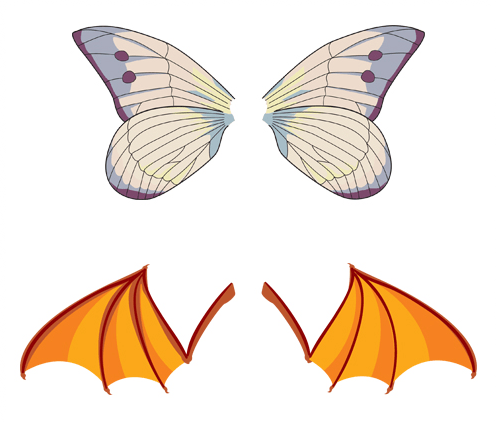
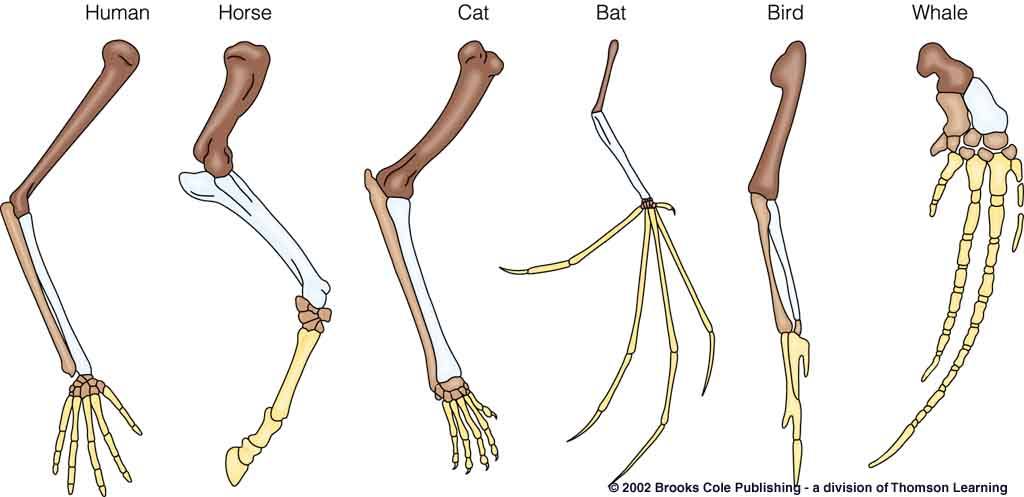


Whales are aquatic mammals that contain a pelvis (hip) bone. Even though it does not aid in its movement, the function must have been used by a common ancestor of the whale. Thus, the pelvis is referred to as a(n)
vestigial structure
analogous structure
homologous structure

