
 Worksheets
Final
Total questions: 120
Worksheet time: 2hrs 58mins


What is Meteorology?
The study of Meteors.
The study of the entire atmosphere.
The study of rocks.
The study of organisms.
What is Astronomy?
The study of astrological signs.
The study of Earth.
It's space science.
The study of all physical things beyond Earth.
What are the 4 main spheres of Earth?
Hemisphere, Lithosphere, Troposphere, and Ionosphere
Exosphere, Stratosphere, Mesosphere,and Ozonosphere
Hydrosphere, Atmosphere, Biosphere, and Geosphere
Thermosphere, Atmosphere, Hemisphere, and Ionosphere
If the plant population decreased, the amount of carbon dioxide in the atmosphere would _________.
Stay the same
Increase
Decrease
How does the human body return carbon to the atmosphere in the carbon cycle?
Waste products
Photosynthesis
Cellular respiration
Formation of glucose
Where does all the carbon in organisms (living things) originate from?
Earth's atmosphere
Rocks
Water
Soil
What kind of organism takes out the most carbon from the atmosphere?
Plants
Bacteria
Animals
Humans
The process in which nitrogen circulates and is recycled is called
The nitrogen cycle
The carbon cycle
The water cycle
The phosphorus cycle

Organisms that need nitrogen to survive.
only plants
only animals
only bacteria
all living things

How do animals get the nitrogen they need?
From the air they breathe
From the water they drink
From the food they eat
From the sun
Gas that makes up 78% of our atmosphere.
Oxygen
Nitrogen
Hydrogen
Carbon Dioxide
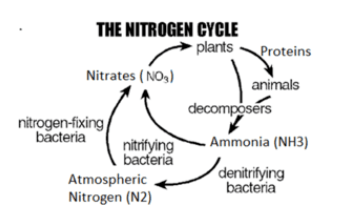
According to this diagram, plants use nitrogen to make _________________________
bacteria
animals
proteins
decomposers
Bacteria fix nitrogen from the atmosphere into a form plants can use.
True
False

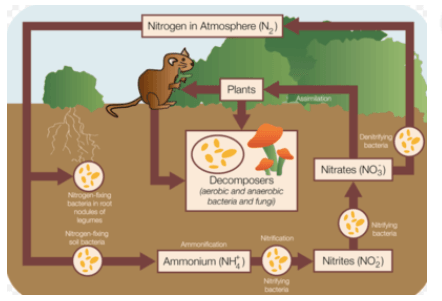
A correct path that nitrogen could take would be
air -> animals -> plants -> bacteria
animals -> air -> bacteria -> plants
bacteria -> air -> plants -> animals
air -> bacteria -> plants -> animals
From where do plants absorb nitrogen?
Water
Air
Soil
Animals
What do you call water falling from the atmosphere?
Temperature
Precipitation
Barometric pressure
Humidity

Which type of cloud is a high cloud is thin and wispy, and predicts fair and pleasant weather?
Cirrus
Altocumulus
Nimbostratus
Cumulonimbus

Which type of cloud is a vertical cloud that is a thunderstorm cloud that brings heavy rain, snow, lightning and tornadoes?
Cirrus
Altocumulus
Nimbostratus
Cumulonimbus
Climate is the average weather over a long period of time.
True
False
The greenhouse effect is __________.
The effect that warms the planet by trapping heat from the sun under a layer of carbon dioxide and other gases.
The process by which humidity is trapped in certain areas of the earth.
The process by which planets turn carbon dioxide into oxygen.
The process by which humidity is trapped in certain areas of the earth.
What is happening in the atmosphere at a certain time and place is called what?
Climate
Weather
One way to help climate change turn around is...
bury trash
plant trees
burn wood instead of coal
Run away
As plants and animals in the ocean die, the nutrients produced from their decay _____.
are recycled by the Global Conveyor Belt
sink to the bottom
are destroyed by sunlight
become coral reefs


What heats the Earth's oceans?
People
Boats
a heater
sun
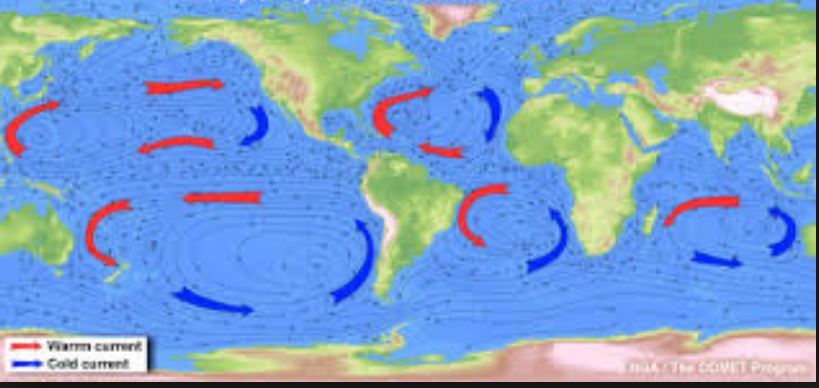
What type of marine life is free-swimming in the open ocean?
nekton
plankton
krypton
benthos
Which lives at the top of the ocean, or as far down as the sun can penetrate?
Nekton
Plankton
Benthos


How does the circulation of water and air affect temperatures around the Earth?
does not affect temperature
makes hot places hotter and cold places colder
moderates temperatures, warming the poles and cooling the equator
temperatures change in a random fashion
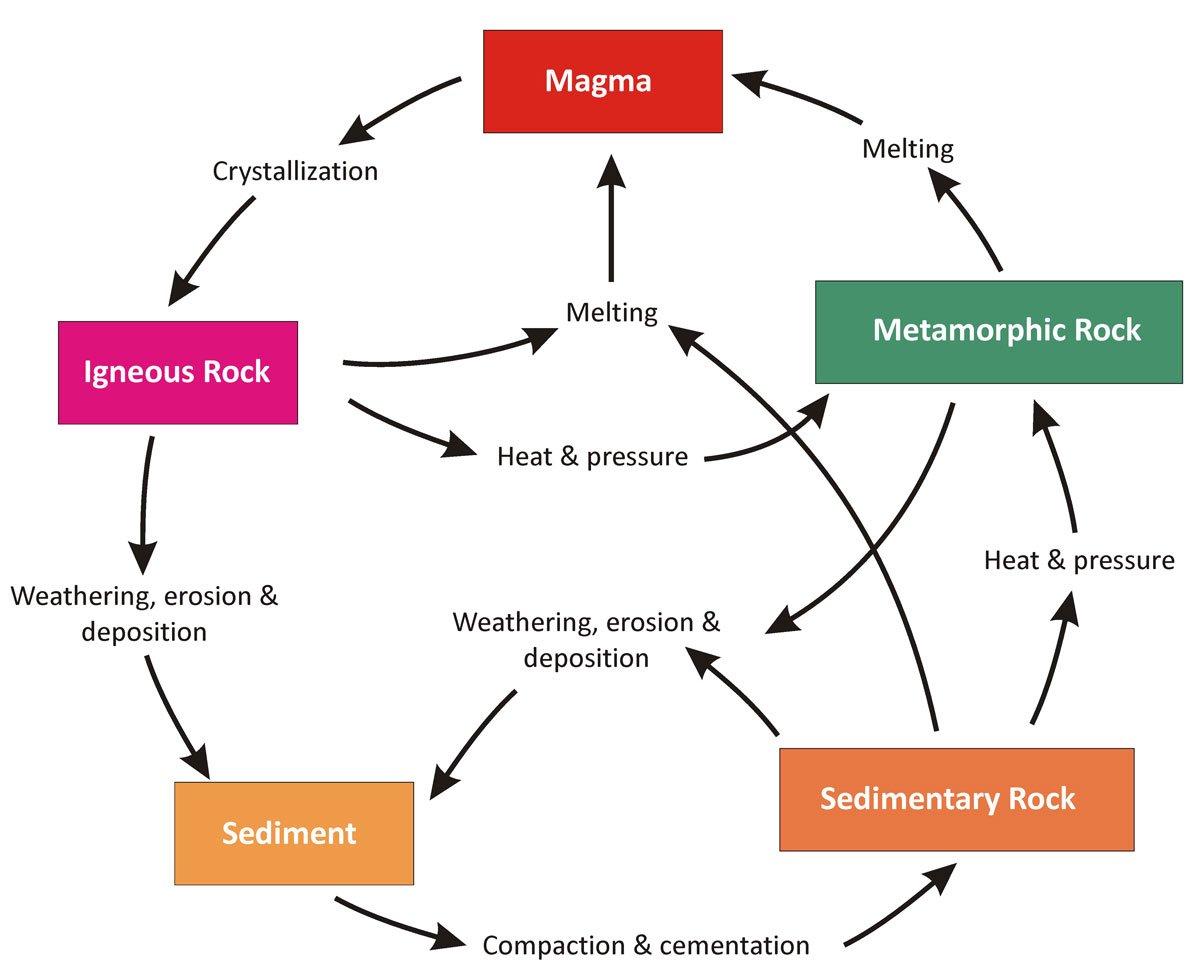
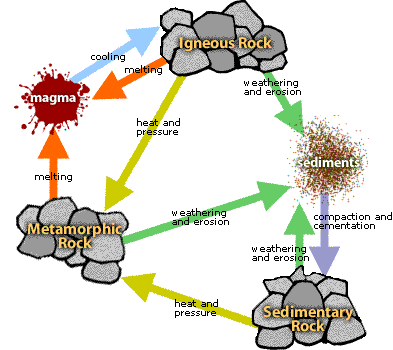

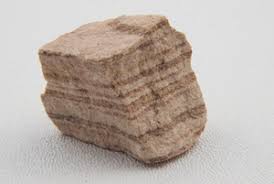


This is the continuous process of rock changing from one type to another.
Igneous rocks
Sedimentary rocks
Metamorphic rocks
Rock Cycle
Which of the following lists the steps an igneous rock undergoes in order to become a sedimentary rock, in the correct order?
Deposition, erosion, melting, cooling
Erosion, weathering, eruption, cooling
Dissolving, deposition, cooling, fracture
Weathering, erosion, deposition, cementation


Another mineral absorbing the water and turning it into a new substance.
Mechanical Weathering
Chemical Weathering



Which of the following is the name of the ancient supercontinent formed 280 Million Years ago.
Pangea
Gondwanda
Laurasia
Neverland
The thick part of the earth's crust that forms the large landmasses. It is generally older and more complex than the oceanic crust.
Oceanic Crust
Continental Crust
Magma
Inner Core

What is the correct order (starting from the surface) of Earth’s layers?
crust, outer core, inner core, mantle
mantle, outer core, inner core, crust
crust, mantle, outer core, inner core
outer core, inner core, crust, mantle


The second gaseous layer of the Sun's atmosphere; has a reddish color
Chromosphere
Radiation Zone
Photosphere
Convection Zone
The layer of the sun where the energy of the core is radiated from
corona.
radiative zone
convective zone
core

Dark, cooler regions on the surface of the sun that causes Earth's temperature to rise:
Ice Age
Monsoon
Sunspots
Leeward


What elements are most abundant in main sequence stars like our sun?
Hydrogen
Helium
Carbon
Oxygen
What primary factor affects the color of a star?
Temperature
Distance
Brightness
Size
True or False: Stars that are larger in mass fuse Hydrogen and burn through their fuel faster than stars that are smaller in mass.
True
False
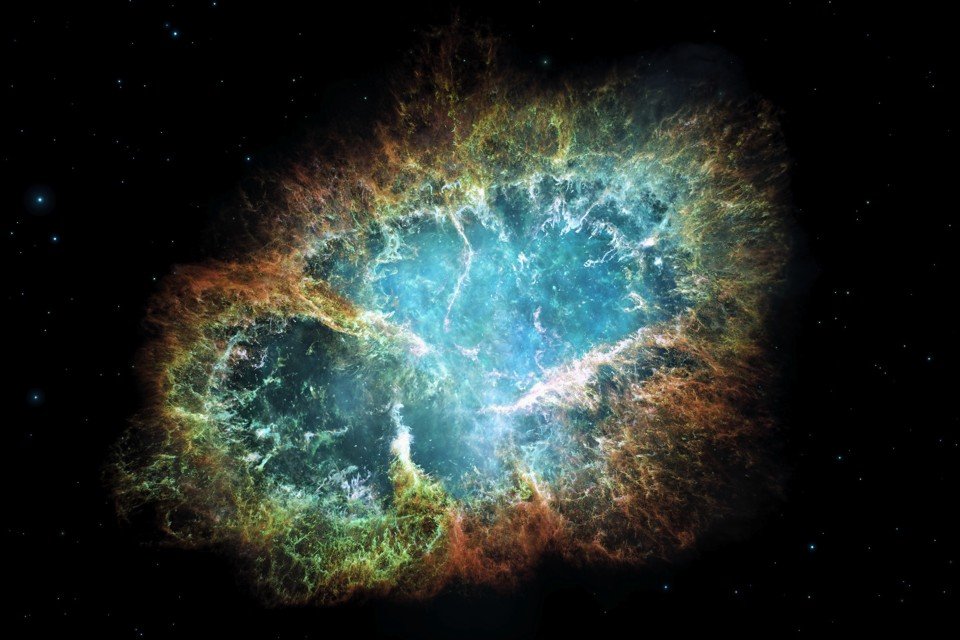
Low-mass stars eventually collapse into what final star remnant?
Black holes
Neutron stars
White dwarfs, then Black dwarfs
Nebulae
What stage of stellar evolution is the Sun experiencing at this time?
protostar
main-sequence
giant
white dwarf

Which of these puts the main parts of an massive star's life cycle in the correct order?
nebula>
Black Hole or Neutron Star>
main sequence>
Supernova>
red supergiant >
nebula>
main sequence>
red supergiant>
Supernova>
Black Hole or Neutron Star
red supergiant>
main sequence>
nebula>
Black Hole or Neutron Star
Supernova>
main sequence>
nebula>
red supergiant>
Supernova>
Black Hole or Neutron Star
The smaller the star, the longer it lives?
True
False
A star is born when:
nuclear fusion starts
a nebula becomes a protostar
gases in a nebula condense
hydrogen is used up in fusion processes
What stage in the life cycle does this describe?
Once star has ignited and has used up all of the hydrogen are called:
Neutron Star
White Dwarfs
Red Giants
Black Holes

