
 Worksheets
2nd Year (Recap of 1st Year Topics)
Total questions: 99
Worksheet time: 50mins
What do we take in when we inhale?
carbon dioxide
oxygen
lungs
What do we let out when we exhale?
oxygen
Carbon dioxide
lungs
Your lungs are ___________ air
My lungs are __________________ air.
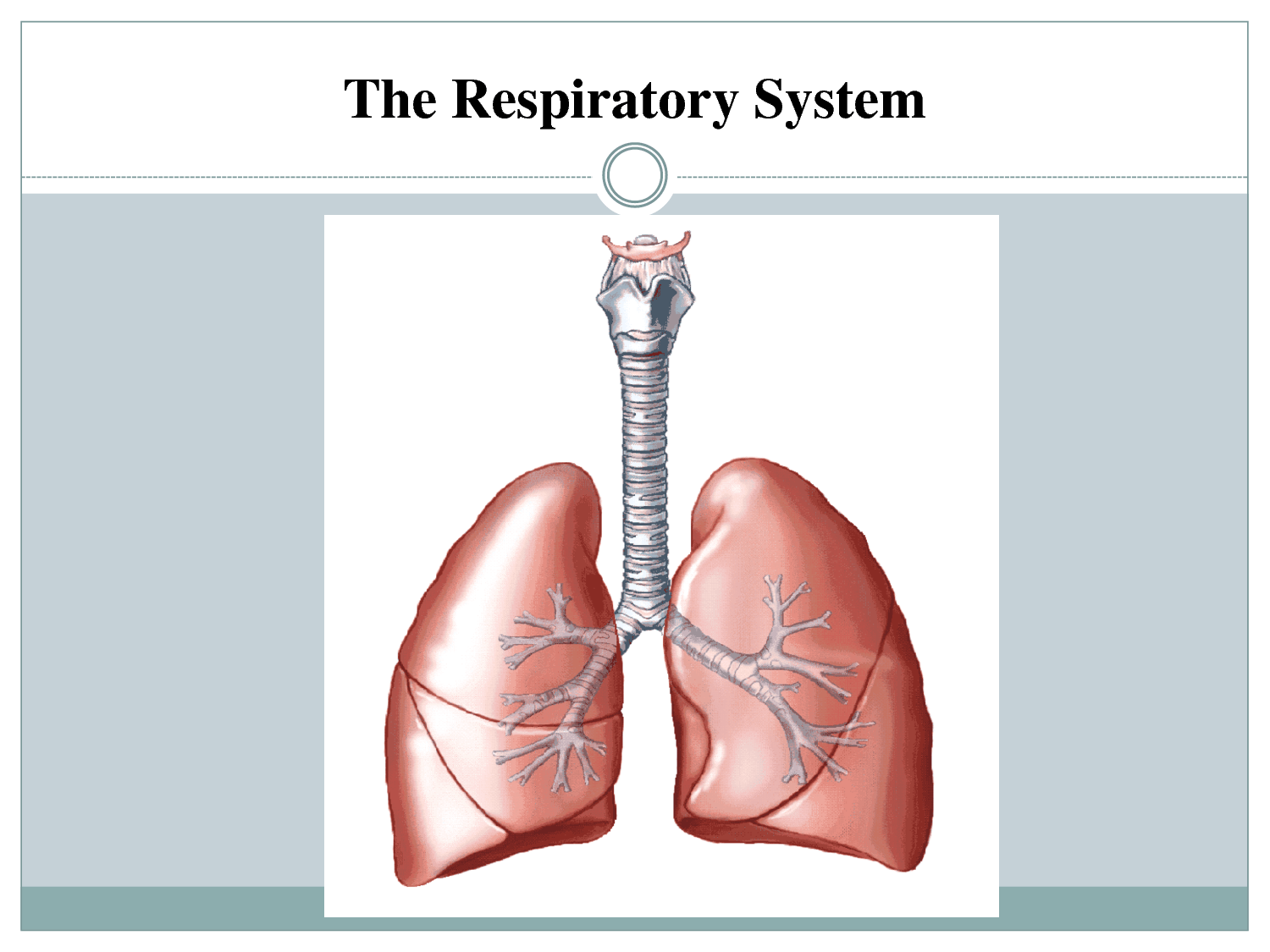
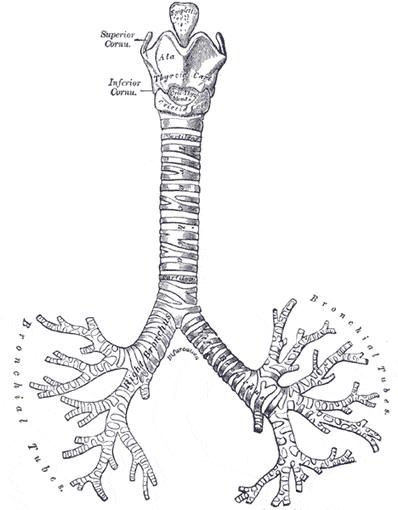
The "windpipe" is also called the...
trachea
bronchi
bronchioles
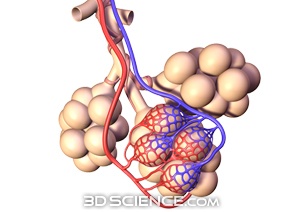
alveoli

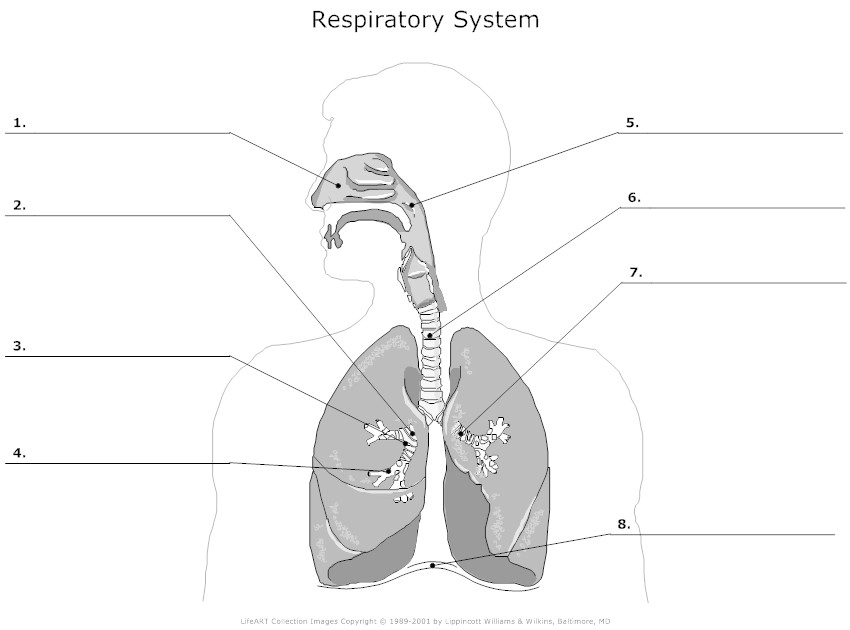
The lung is in letter ....
a
b
c
d
e

The diaphragm is in letter ....
a
b
c
d
e

The organs in letter d and e are ....
larynx and bronchi
pharynx and bronchioles
trachea and bronchioles
trachea and bronchi

The organs in letter a, b, and c are ....
oral cavity, larynx, and pharynx
nasal cavity, larynx, and trachea
nasal cavity, pharynx, and larynx
oral cavity, pharynx, and larynx
The other name for trachea is ....
food pipe
wind pipe
lung
heart

The respiratory organ in the picture is called ....
lung
trachea
bronchioles
bronchi
What is the name of the large muscle that contracts and relaxes to move air in and out of the lungs?
Bicep
Alveoli
Diaphragm
Trachea
What sort of blood vessels are found covering the alveoli?
Veins
Arteries
Capillaries
Diaphragm
What is the name of the bones that provide protection to the lungs?
Ribs
Diaphragm
Alveoli
Lungs
What happens to the diaphragm when you breathe in?
It contracts and moves up
It contracts and moves down
It relaxes and moves up
It relaxes and moves down
This variable is the one thing that changed on purpose...
Dependent Variable
Control
Independent Variable

What is the DEPENDENT variable (effect) in this experiment?
"Does eating breakfast improve test scores?"
eating breakfast or not
the grade you got on the test
what time you get up in the morning
how tasty the breakfast is

You are testing how the amount you water a plant affects its growth. What would be the INDEPENDENT VARIABLE in this experiment.
They type of pot you put the plants in.
The amount you water each plant.
The amount of sunlight the plants get.
The amount the plant grows.

Mr. Pransky wants to see how different surfaces affect how high a tennis ball can bounce. What is the independent variable?
the different surfaces
using the same ball
how high they bounce

A student wants to test the hypothesis of "If salt is added to water then the boiling point of water will decrease (go down)." What is the independent variable?
Whether salt is added or not
Boiling Point
Amount of water
If you were testing the time it took for objects of different sizes to reach the ground after being dropped from 30 feet in the air, which of these would be the DEPENDENT VARIABLE?
The time it takes for each object to hit the ground.
The size of each object.
The type of object you use.
The height you drop the object from
Why do we use graphs in science?
to record and display data
to show trends in data
to predict what will happen if we extend the experiment
all of these are correct

Sadie is testing how the age of a seed affects how fast plants grow. Look at the picture to see if you can figure out what makes her experiment unfair. Mark all that apply.
She used different types of seeds/plants.
The plants are in different pots.
She did not plant very many plants.
Seed age might not make a difference.
What is the manipulated variable?
what we are changing or testing
what we are observing or measuring
what we keep the same to make the experiment fair
What might you measure using millimeters?
The distance to school.
An insect.
The length of a car.
The length of a football field.

What would you use a RULER for?
To measure length.
To measure mass.
To measure volume.
To measure time.

What might you use a thermometer for?
To measure distance.
To measure temperature
To measure time
To measure weight
The metric system is a measurement system based on the number 12.
false
true
Mass is a measure of the amount of space in an object.
true
false
What do we use to measure time?
A thermometer.
A stopwatch.
A ruler.
Tongs.

Looking at the photo, what is the mass of the object?
48.5 g
480.5 g
40.4005 g
485 g

Based on the photo, what is the volume of the liquid?
35 mL
24 mL
25 mL
30 mL


A graduated cylinder contains exactly 60 mL of water. A rock was dropped into the cylinder of water. The water level rose to 86 mL. What is the volume of the rock?
86 mL
60 mL
146 mL
26 mL
What is the basic unit of length in the metric system?
gram
meter
Liter
cm3
What is the basic unit of mass in the metric system?
gram
meter
Liter
cm3


Mass is a measure of the amount of space in an object.
true
false

Find the VOLUME of the rectangular solid shown here.
12 cm3
18 cm3
8 cm3
10 cm3

Area = length x ?
width
mass
volume
cm

Is this set of results...
Accurate and precise
Not accurate and not precise
Accurate but not precise
Not accurate but precise

Name this instrument
Callipers
Graduated cylinder
Opisometer
Metre stick

The results in this picture are
Accurate and precise
Not accurate and not precise
Accurate but not precise
Not accurate but precise
1. A measure of the amount of matter in an object is ...
a. mass
b. weight
c. volume
d. density
a
b
c
d
1. A measure of the force of gravity is...
a. Mass
b. Weight
c. Volume
d. Density
a
b
c
d
What is international unit of mass?
a. Newton
b. Kilograms
c. Litress
d. Metres
a
b
c
d
Why does stone sink while paper doesn’t?
a. density stone > density paper
b. density paper > density stone
c. density paper = densit stone
d. density stone - density paper
a
b
c
d
What is international unit of density?
a. kg/m3
b. gr/cm
c. kilogram
d. litres
a
b
c
d
The volume of an object is 0,2m3 . if its mass is 8 kg, then the density is....
a. 4 kg/m3
b. 40 kg/m3
c. 16 kg/m3
d. 1,6 kg/m3
a
b
c
d
The volume of an object is 1 m3 . If the density is 0,5 kg/m3 what its mass?
a. 0,5 kg
b. 5 kg
c. 2 kg
d. 0,2 kg
a
b
c
d
The amount of space an object takes up.
Volume
Density
Mixture
Mass
How tightly packed matter is in an object.
Volume
Density
Mass
Mixture

What is liquid volume measured in?
kilograms and grams
litres and millilitres
litres and grams
mililitres and kilograms
Which of the following is the correct arrangement of particles in solid?
Particles are widely separated from one another.
The particles are packed slightly less closely together compared to a solid.
The particles are packed closely together.
particles are chemically combined
What is being described?
1- I am the degree of hotness and coldness of an object
2- I am the interval between two events.
1- length
2- time
1-time
2- mass
1- temperature
2- time
1-heat
2-length
The second is the SI unit used to measure time.
true
false
What is true of volume? Mark all that apply.
Amount of space an object takes up.
You calculate it by multiplying width, length and height.
Its unit is cubic centimeter.
To find the density of an object.
A meter (m) is the basic SI unit used for measuring mass.
false
true
Based on the photo, what is the volume of the liquid?
35 mL
24 mL
25 mL
30 mL
Find the VOLUME of the rectangular solid shown here.
12 cm3
18 cm3
8 cm3
10 cm3
SI units for area are
cm
cm2
cm3
From where do you read volume from a graduated cylinder, choose 2 options that apply
Bottom of the meniscus
At eye level
Top of meniscus
From above
Density = mass ÷ ?
Volume
Matter
Area
What is a Hypothesis
Research
Observation
Educated guess
None of the above
Which of the following converts food into energy for the cell?
vacuole
mitochondria
cytoplasm
cell membrane
What do we call a well supported explanation of how things happen?
a guess
a hypothesis
a theory
a law

What is the volume of the irregular object?
10 cm3
10 mL
5 mL
5 cm3

What is the volume of the irregular object?
1 mL
1 cm3
5 cm3
1 mL

What is the formula for measuring the volume of a regular solid?
length x width
length x width x height
water displacement method
width x height
The water displacement method is the only way to measure the volume of
a regular solid
an irregular solid
a liquid
a gas

What is the most important thing in science?
evidence
discoveries
experiments
explosions
What is an experiment?
A report by a scientist
The answer to a question
Something unknown
A way to test an idea
Explain how density is an important factor in each of the following:
a) Flotation
b) Substance Identification
c) Design of objects
Put the following in order of density:
Lego block, Water, Cork, Grape, Syrup, Oil

