
Font size
 Worksheets
Physical Change and Chemical Properties Review
Total questions: 121
Worksheet time: 6hrs 14mins
What kind of change occurs if matter changes in amount, size, or shape?
substance change
chemical change
physical change
elemental change


Ice melting is what kind of change?
physical
chemical
Powder dissolving is what kind of change?
physical
chemical
Color change is what kind of change?
physical
chemical
Crushing/grinding is what kind of change?
physical
chemical
Temperature change is what kind of change?
physical
chemical
Production of heat/light is what kind of change?
physical
chemical
Boiling water is what kind of change?
physical
chemical
You cut a piece of paper into small pieces. Is this a physical or chemical change? Why?
A chemical change because you are cutting
A physical change because it is melting.
A physical change because it changes size/shape
A chemical change because it's a new substance.
You find a nail on the ground in a small puddle of water. Rust has formed on the outside of the nail. Was this a physical or chemical change and why?
physical change because rust formed on the nail.
physical change because the nail is shaped differently
chemical change because the nail is wet.
chemical change because there is a new substance and a color change on the nail.
You put gasoline in your car and the car burns the fuel. Is this a physical or chemical change and why?
Physical change because the car is moving locations.
Physical change because the fuel smells bad.
Chemical change because the fuel is burning.
Chemical change because the fuel is changing shape.
You pick up an ice cream sandwich from the cafeteria and put it in your pocket for dessert. You forget all about the ice cream sandwich until 7th hour. Is this a physical change or chemical change and why?
Physical change because the color has changed.
Physical change because it melted, changing the size & shape.
Chemical change because you walked with it from cafeteria to classroom.
Chemical change because it has melted, changing the size & shape.
You volunteer for chalkboard cleaning duty. Your job is to clean the erasers. Mrs. Kristi used to beg her teachers to let her do this job! As you rub the dust off of the chalkboard the white dust enters the air and makes you cough. As you clean the chalkboard, are you causing a physical or chemical change?
Physical change because it's still chalk, even in the air making you cough.
Physical change because it warms up as you erase it.
Chemical change because the chalk is in a new location.
Matter
Large quantities
Has mass and takes up space and occurs as elements, compounds, and mixtures
Characteristics that can only be observed or measured when atoms of matter rearrange during a chemical change
A single substance, either an element or a compound, with definite composition and properties
Chemical reaction
Has mass and takes up space and occurs as elements, compounds, and mixtures
Characteristics that can be observed or measured without changing the substance, such as color, melting point, or conductivity
Large quantities
The process by which one or more substances change to produce one or more different substances
Which of the following are pure substances?
Mixtures and compounds
Solutions and compounds
Elements and mixtures
Elements and compounds
Pure substance
Characteristics that can be observed or measured without changing the substance, such as color, melting point, or conductivity
Has mass and takes up space and occurs as elements, compounds, and mixtures
A single substance, either an element or a compound, with definite composition and properties
Large quantities
Oil and water separating into layers is an example of –
The physical property of volume
The chemical property of volume
The physical property of density
The chemical property of density
Which of the following is NOT a chemical property?
Solubility
Reactivity
The ability to rust
Flammability
Which of the following is a chemical property?
State of matter
Color
Density
Flammability
Which of the following shows evidence of a chemical reaction?
Water turns red when mixed with Kool-Aid.
An iron nail turns red in the presence of oxygen.
An ice cube turns to a liquid in the presence of heat.
Paper changes its shape when cut.
Chemical properties
Characteristics that can be observed or measured without changing the substance, such as color, melting point, or conductivity
Has mass and takes up space and occurs as elements, compounds, and mixtures
Characteristics that can only be observed or measured when atoms of matter rearrange during a chemical change
Large quantities
Large quantities
Pure substance
Bulk quantities
Physical properties
Chemical reaction
Physical properties
A single substance, either an element or a compound, with definite composition and properties
Characteristics that can be observed or measured without changing the substance, such as color, melting point, or conductivity
Characteristics that can only be observed or measured when atoms of matter rearrange during a chemical change
Large quantities

A student finds the mass and volume of four mystery liquids. The data is provided.
(See attached table)
A student finds the mass and volume of four mystery liquids. The data is provided.
W
X
Y
Z
Which of the following is good evidence that an unknown sample is a pure substance?
After leaving a liquid to settle, it separates.
After leaving a liquid to settle, it does not separate.
Multiple samples of the unknown substance melt at the same temperature.
Multiple samples of the unknown substance melt at different temperatures.

The following liquids are poured into a glass jar. Which is the correct order, from top to bottom, of the column that would form?
(See attached table)
Liquid C, Liquid A, Liquid B
Liquid C, Liquid B, Liquid A
Liquid B, Liquid A, Liquid C
Liquid B, Liquid C, Liquid A

Which of the following are accurate headings for each column?
Column A = Physical Properties; Column B = Chemical Properties
Column A = Chemical Properties; Column B = Physical Properties
Column A = Observable Properties; Column B = Non-Observable Properties
Column A = Non-Observable Properties; Column B = Observable Properties

A table comparing four metals is provided.
(See attached table)
A sample known to be one of the four listed in the table was heated to a temperature of 350oC but remained a solid. The sample was found to have a density greater than 6 g/cm3 and to be a good conductor of electricity. Burning the sample produced a blue flame. Based on this information, what is the identity of this sample?
Zinc
Lead
Tin
Iron

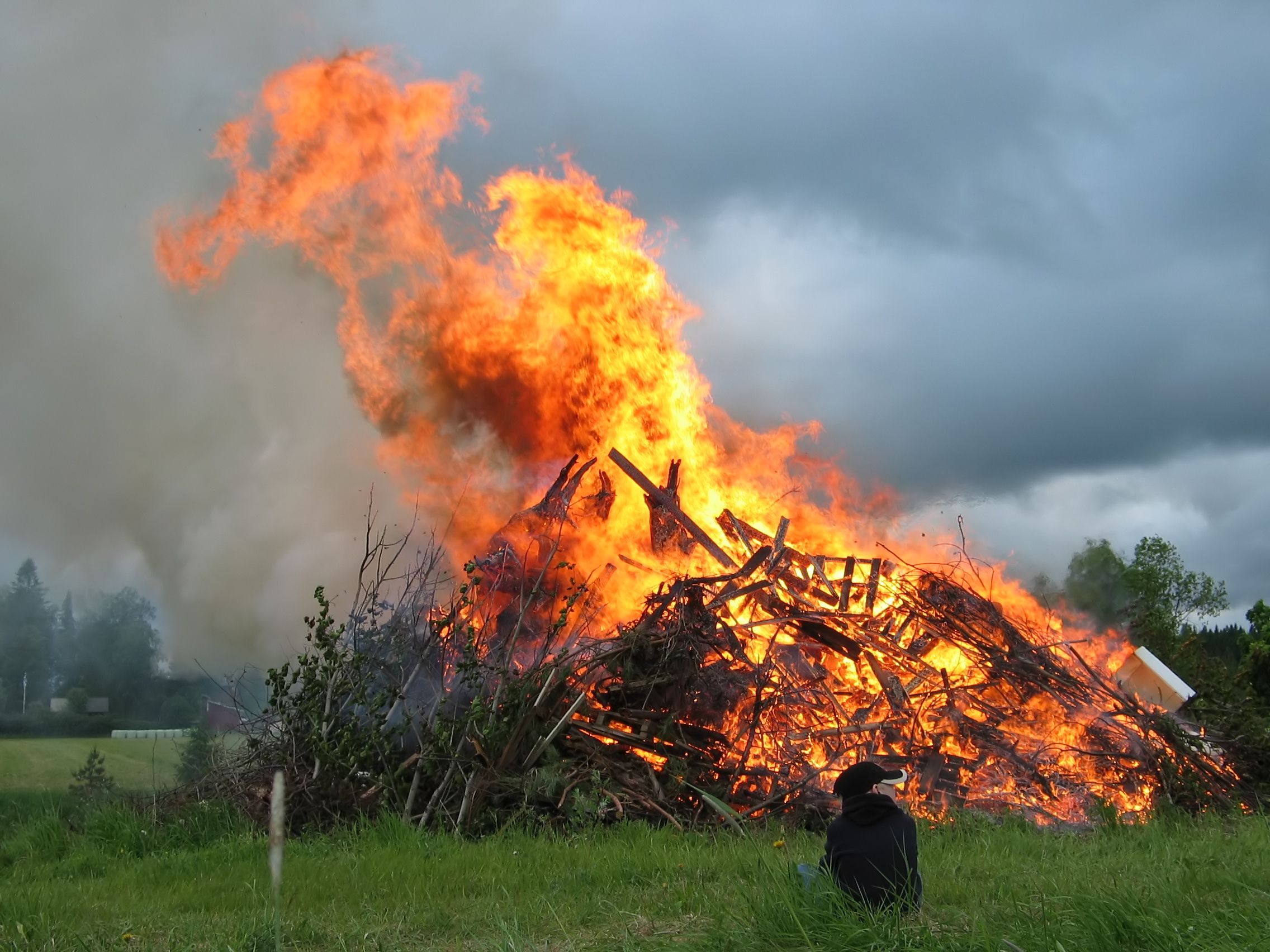
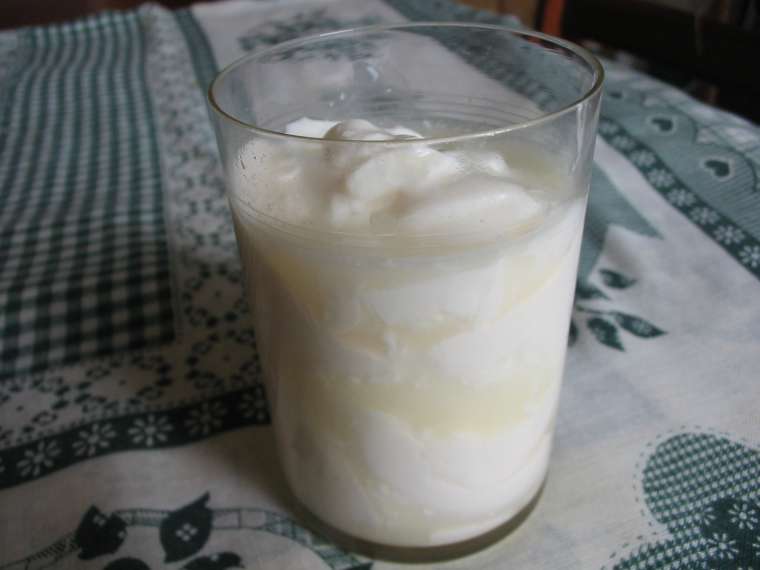


What is a chemical change?
Forming a new substance
When two or more substances combine to make a greater one
When two or more substances combine to make a new chemical substance
Combing substances


BLUE COLOR
PHYSICAL PROPERTY
CHEMICAL PROPERTY
DENSITY
PHYSICAL PROPERTY
CHEMICAL PROPERTY
FLAMMABILITY (BURNS)
PHYSICAL PROPERTY
CHEMICAL PROPERTY
SOLUBILITY (DISSOLVES)
PHYSICAL PROPERTY
CHEMICAL PROPERTY
REACTS WITH ACID
PHYSICAL PROPERTY
CHEMICAL PROPERTY
SUPPORTS COMBUSTION
PHYSICAL PROPERTY
CHEMICAL PROPERTY
SOUR TASTE
PHYSICAL PROPERTY
CHEMICAL PROPERTY
MELTING POINT
PHYSICAL PROPERTY
CHEMICAL PROPERTY
REACTS WITH WATER
PHYSICAL PROPERTY
CHEMICAL PROPERTY
HARDNESS
PHYSICAL PROPERTY
CHEMICAL PROPERTY
BOILING POINT
PHYSICAL PROPERTY
CHEMICAL PROPERTY
LUSTER
PHYSICAL PROPERTY
CHEMICAL PROPERTY
ODOR
PHYSICAL PROPERTY
CHEMICAL PROPERTY
REACTS WITH AIR
PHYSICAL PROPERTY
CHEMICAL PROPERTY

