wayground logo

Free Printable Worksheets

Font size

S
M
L
XL
Worksheets

Circulatory and Nervous System

Total questions: 159

Worksheet time: 5hrs 31mins

Name
Class
Date
1.

Abnormally increased number of RBCs

(a)  

2.

Where are WBCs produced

a)

Red bone marrow

b)

Liver

c)

Spleen

d)

Lymph nodes

e)

Bone marrow of all bones

3.

Abnormally decreased number of RBCs

(a)  

4.
Neurons make up
a)
functioning unit of the nervous system
b)
functioning unit of the circulatory system
c)
the pulmonary system
d)
the systemic system
5.
This part of the neuron receives messages and then sends them to the cell body
a)
Axon
b)
Dendrite
c)
Synapse
d)
brain stem
6.
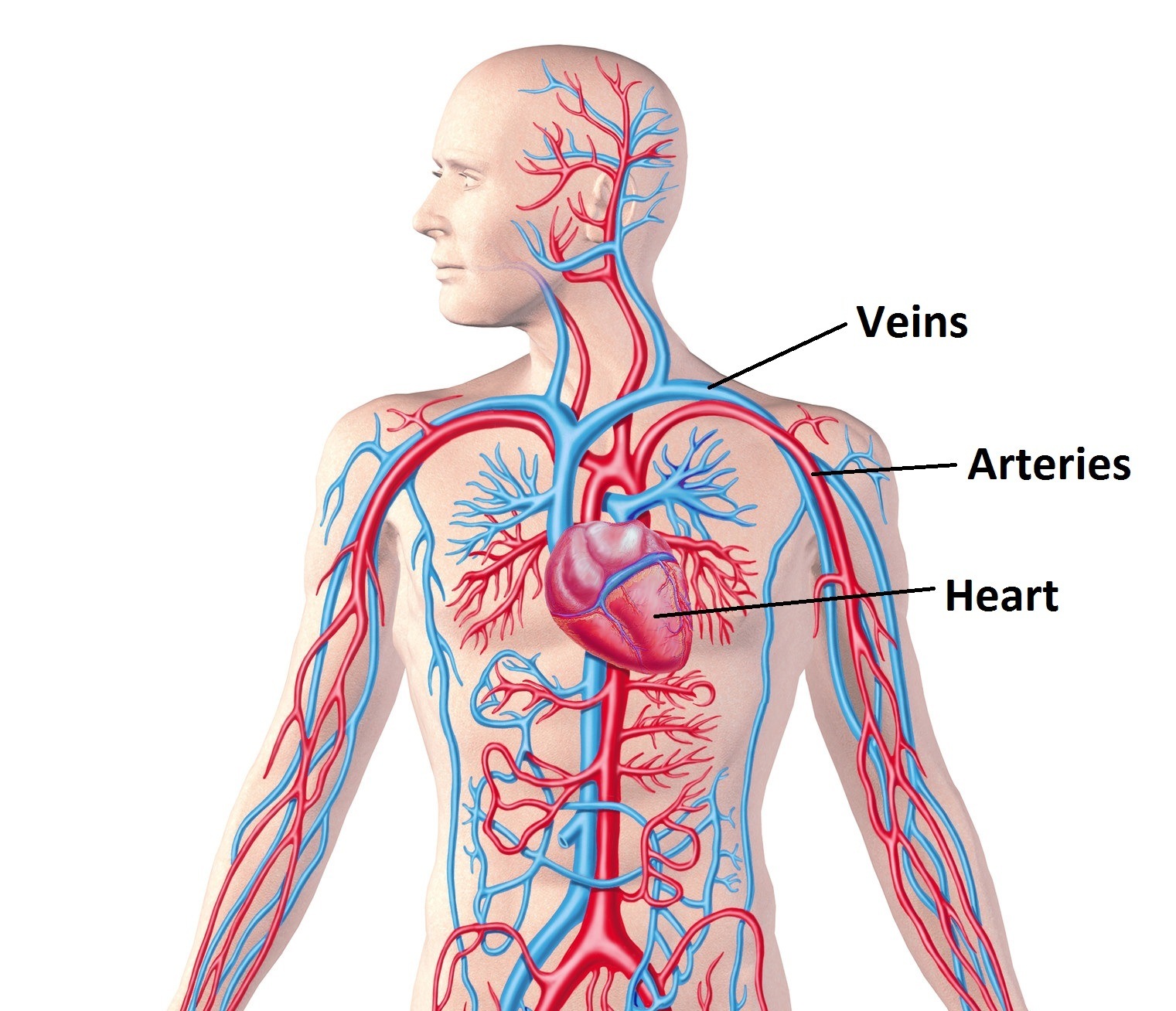
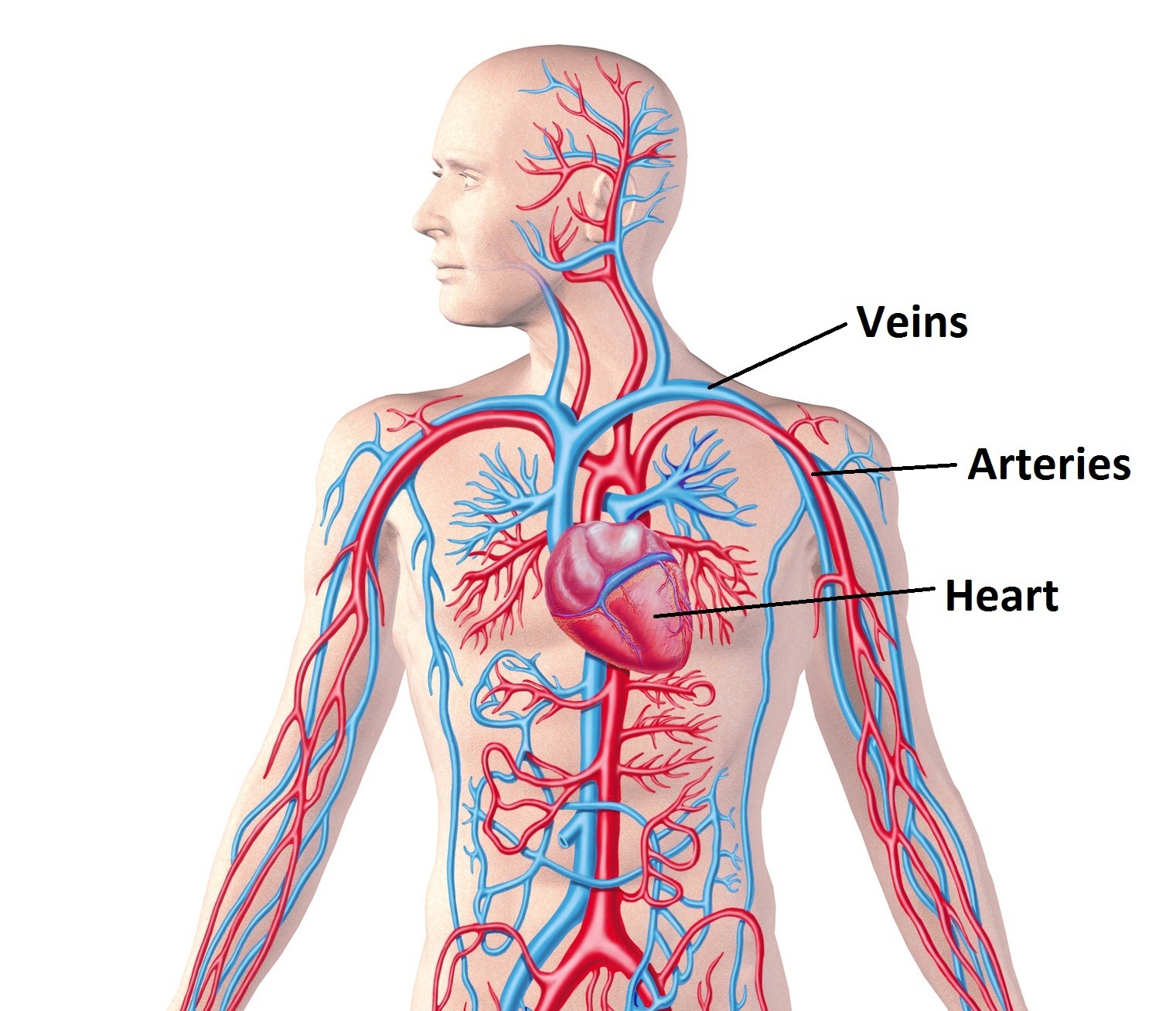
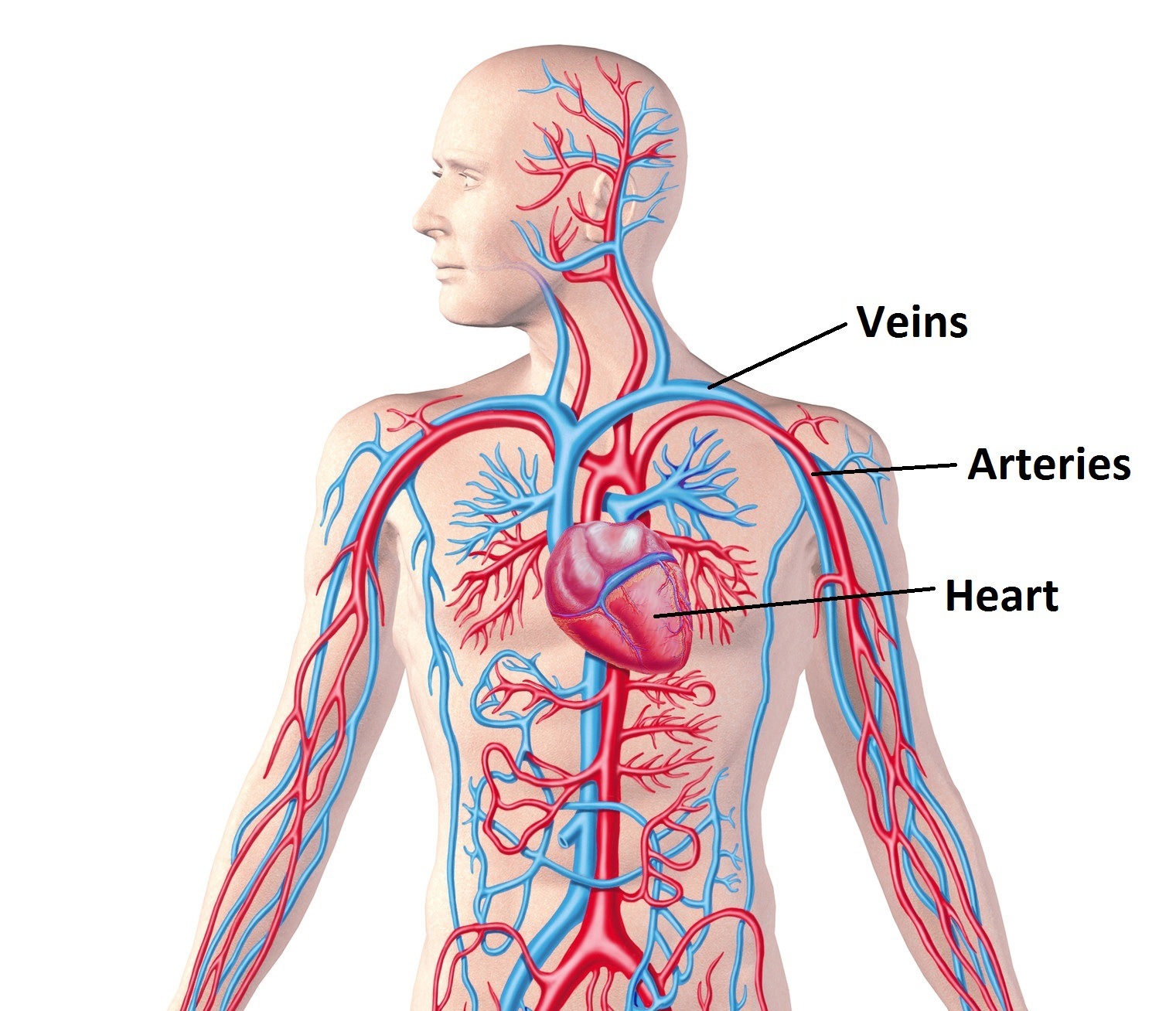
This part of the circulatory system carries de-oxygenated blood back to the Heart, and has valves that keep the blood flow in one direction!
a)
artery
b)
dendrite
c)
vein
d)
capilary
7.
This part of the Nervous system carries messages away from the cell body.
a)
Dendrite
b)
Axon
c)
Artery
d)
Synapse
8.
This part of the Circulatory System carries mostly oxygenated blood away from the heart.
a)
Axon
b)
Dendrite
c)
Vein
d)
Artery
9.
This is a space in which small impulses move between bodies of other neurons.
a)
Axon
b)
Dendrite
c)
Synapse
d)
cell body
10.
This is a type of circulation is the largest part of the circulatory system and carries oxygen rich blood to tissues and major organs other than the heart and lungs.
a)
Pulmonary Circulation
b)
Coronary Circulation
c)
Systemic Circulation
d)
Digestive Circulation
11.
This System is made up of the Brain, Spinal cord and Nerves.
a)
Circulatory System
b)
Central Nervous System
c)
Peripheral Nervous System
d)
Central Circulatory System
12.
This part of the brain is the largest and controls memories, movements, impulses and senses!
a)
Cerebellum
b)
Cerebrum
c)
Ceribella
d)
Curebrum
13.
This system divides the nervous system and covers all nerves outside the  the Central Nervous System.
a)
Peripheral Nervous System
b)
Systemic System
c)
Central Nervous System
d)
Pulmonary System
14.
This is a system that carries blood to from the heart, to the lungs and back to the heart.
a)
Central Nervous Circulation
b)
Systemic Circulation
c)
Pulmonary Circulation
d)
Coronary Circulation
15.
The cerebellum
a)
Controls all voluntary muscles and helps maintain balance
b)
Controls all involuntary muscles, impulses and senses
c)
Stores memory
d)
Is the largest part of the brain
16.
What is the central nervous system (CNS) made of?
a)
brain and spinal cord
b)
brain and cranial nerves
c)
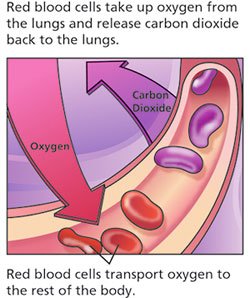
spinal cord and spinal nerves
d)
cranial nerves and spinal nerves
17.

Largest nerve that through the backbones, through which electrical messages travel between the brain and body.

a)

neurons

b)

spinal cord

c)

spaghetti

d)

brain

18.
a body system that controls and coordinates all body activities through electric impulses/messages between brain, spinal cord and nerves.
a)
endocrine system 
b)
nervous system
c)
nerve
d)
neuron
19.
main organ of the nervous system. protected by the skull, and made of neurons, it is the control center for all actions, thoughts and emotions.
a)
brain
b)
electrical impulse
c)
gland
d)
heart
20.
brain cell /
nerve cell
a)
Dr. Suess tree
b)
neuron
c)
skin cell
d)
red blood cell
21.
Part of the nervous system made of the nerves that are not part of the brain or spinal cord.
a)
central nervous system
b)
peripheral nervous system
22.
cause of a response. (happens 1st) Thing or event that evokes a reaction.
a)
stimulus
b)
response
23.

Part of a neuron that receives stimuli

a)

Axon

b)

Nerve

c)

Dendrite

d)

Synapse

24.

What are the three parts of the brain?

a)

Brain Cell, Cerebrum, Brain Organs

b)

Cerebrum, Neurons, Nerve Cells

c)

Cerebrum, Cerebellum, brain stem (medulla)

25.
Logical Thinkers most likely
a)
are left brained dominate
b)
are right brained dominate
c)
use both sides of their brain
d)
have no brains
26.
A creative person is mostly likely
a)
Left Brained dominate
b)
Right Brained dominate
c)
using both sides of their brain
d)
have 2 brains
27.
If my room is messy and unorganized, more than likely I am
a)
Left brain domanate
b)
Right brain domanate
c)
I have no brain
d)
using both sides of my brain
28.
The right side of your brain controls the left side of your body.
a)
True
b)
False
29.
What side of the brain do we actually use?
a)
Right
b)
Left
c)
Both
30.
Both hemispheres of the brain can communicate with each other.
a)
True
b)
False
31.
Label the Neuron-What does the letter "A" represent?
a)
Axon
b)
Dendrite
c)
Axon Terminal
d)
Cell Body
32.
Label the Neuron-What does the letter "D" represent?
a)
Dendrite
b)
Axon
c)
Myelin Sheath
d)
Node of Ranvier
33.
Label the Neuron-What does the letter "E" represent?
a)
Schwann Cell
b)
Node of Ranvier
c)
Axon Terminal
d)
Myelin Sheath
34.
Label the Neuron-What does the letter "C" represent?
a)
Cell Body
b)
Dendrite
c)
Axon Terminal
d)
Myelin Sheath
35.
Label the Neuron-What does the letter "B" represent?
a)
Myelin Sheath
b)
Schwann Cell
c)
Cell Body
d)
Nucleus
36.
Which blood vessels carry blood away from the heart?
a)
capillaries
b)
veins
c)
arteries
37.
7?
a)
Left Atrium
b)
Left Ventricle
c)
Aortic Valve
38.
9?
a)
Left Ventricle
b)
Left Atrium
c)
Left Pulmonary Vein
d)
Left Pulmonary Artery
39.
A flap of tissue that prevents blood from flowing backward
a)
Aorta
b)
Atrium
c)
Septum
d)
Valve
40.
How many chambers does the heart have ? 
a)
4
b)
6
c)
3
d)
1
41.
What does Deoxygenated mean?
a)
Oxygen-rich
b)
Blood flow
c)
Oxygen-poor
d)
Water Flow
42.
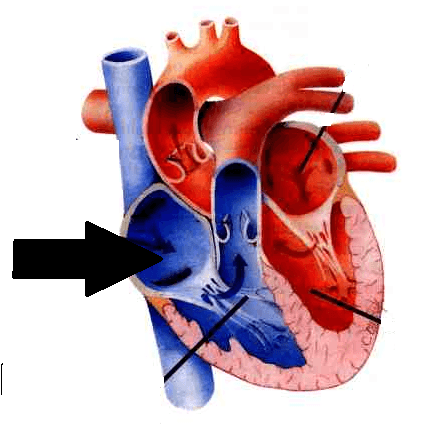
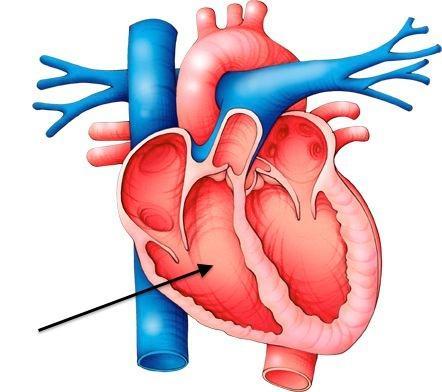
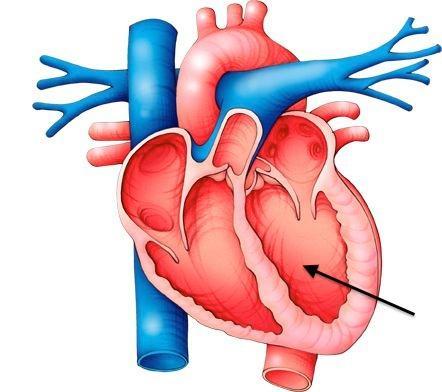
Identify
a)
Left atrium
b)
Right atrium
c)
Left ventricle
d)
Right ventricle
43.
______________ are the smallest blood vessels.
a)
Arteries
b)
Veins
c)
Capillaries
44.
In this picture, the blue line represents a(n)
a)
interneuron
b)
motor neuron
c)
sensory neuron
d)
effector
45.
This picture is an example of a
a)
Nerve Impulse
b)
Reflex Arc
c)
Neural Arc
d)
Cerebral Processing
46.

What is the main organ of the circulatory system?

a)

small intestine

b)

bone

c)

lungs

d)

heart

47.

The job of the heart is to . . .

a)

pump blood around the body.

b)

send food to the small intestines.

c)

break down food.

d)

give energy to the body.

48.

The heart is about the size and shape of your . . .

a)

head

b)

fist

c)

hand

d)

foot

49.
______________ are the smallest blood vessels.
a)
Arteries
b)
Veins
c)
Capillaries
50.
The circulatory system works with the ___________ system to provide our body with oxygen.
a)
respiratory
b)
digestive
c)
muscular
d)
skeletal
51.

The FREQUENCY of heart contractions is...

a)

heart rate

b)

blood pressure

c)

respiratory rate

d)

voluntary muscle contraction

52.
What is the Circulatory System also known as?
a)
The heart
b)
Cardiovascular System
c)
Nervous System
d)
Aorta
53.
Identify
a)
Left atrium
b)
Right atrium
c)
Left ventricle
d)
Right ventricle
54.
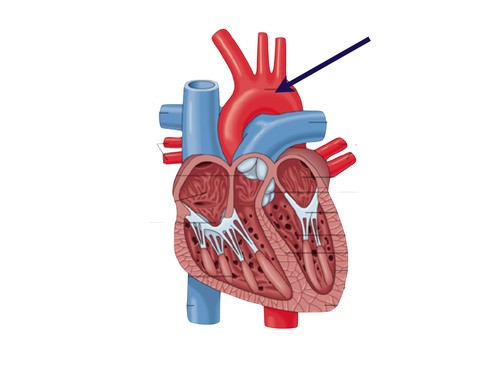
Identify
a)
Pulmonary veins
b)
Pulmonary artery
c)
Aorta
d)
Vena cava
55.
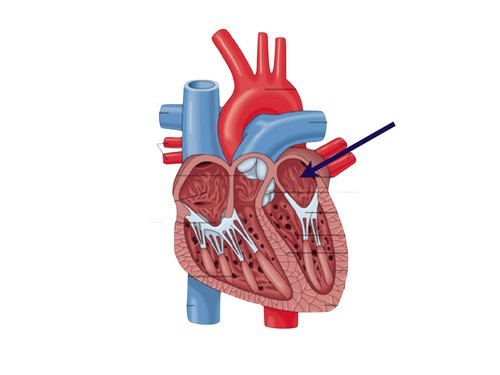
Identify
a)
Left atrium
b)
Right atrium
c)
Left ventricle
d)
Right ventricle
56.
Identify
a)
Left atrium
b)
Right atrium
c)
Left ventricle
d)
Right ventricle
57.
Identify
a)
Left atrium
b)
Right atrium
c)
Left ventricle
d)
Right ventricle
58.
This chamber of the heart RECEIVES blood returning from the body
a)
Right Atrium
b)
Right Ventricle
c)
Left Atrium
d)
Left Ventricle
59.

This chamber of the heart RECEIVES oxygen rich blood back from the lungs

a)

Right Atrium

b)

Left Atrium

c)

Right Ventricle

d)

Left Ventricle

60.

This chamber of the heart pumps the blood from the heart to the lungs through the pulmonary artery

a)

Right Atrium

b)

Left Atrium

c)

Right Ventricle

d)

Left Ventricle

61.

This chamber of the heart pumps the blood back out to the body cells through the Aorta

a)

Right Atrium

b)

Left Atrium

c)

Right Ventricle

d)

Left Ventricle

62.

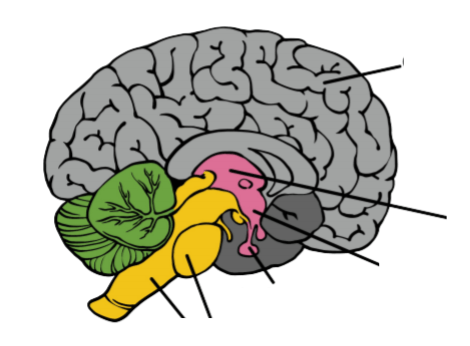
Letter C represents the

a)

Cerebrum

b)

Cerebellum

c)

Medula

63.

Which brain structure is responsible for balance and is involved with movement?

a)

Cerebellum

b)

Cerebrum

c)

Medulla

64.

Which body system coordinates all of the systems by controlling every activity that takes place?

a)

The Nervous System

b)

The Digestive System

c)

The Endocrine System

d)

The Circulatory System

e)

The Immune System

65.

Which organ is represented by letter B?

a)

Brain

b)

Spinal Cord

c)

Nerves

66.

Which organ is represented by letter A?

a)

Brain

b)

Spinal Cord

c)

Nerves

67.

Which organ is represented by letter C?

a)

Brain

b)

Spinal Cord

c)

Nerves

68.

The Nervous System is divided into two parts called

a)

The Central Nervous System & The Peripheral Nervous System

b)

The Central Nervous System & The Paradigm Nervous System

c)

The Corollary Nervous System & The Paradigm Nervous System

d)

The Corollary Nervous System & The Peripheral Nervous System

69.

This is the control center of the nervous system controlling both voluntary and involuntary processes.

a)

Central Nervous System

b)

Peripheral Nervous System

70.

The nerves that coordinate messages from the brain and spine to all other parts of the body.

a)

Central Nervous System

b)

Peripheral Nervous System

71.

Digestion, Heartbeat, and Reflexes are examples of

a)

Voluntary Processes

b)

Involuntary Processes

72.

Speaking, Running, and Karate Chopping are examples of

a)

Voluntary Processes

b)

Involuntary Processes

73.

The Brain is made of a large mass of

a)

Muscular Tissue

b)

Neurons

c)

Red Blood Cells

d)

While Blood Cells

e)

Glands

74.

Letter B represents the

a)

Cerebrum

b)

Cerebellum

c)

Medula

75.

Letter C represents the

a)

Cerebrum

b)

Cerebellum

c)

Medula

76.

Which brain structure is responsible for balance and is involved with movement?

a)

Cerebellum

b)

Cerebrum

c)

Medulla

77.

Which brain structure controls all voluntary activities and is responsible for thought, memory, emotions, and reasoning?

a)

Cerebellum

b)

Cerebrum

c)

Medulla

78.
The nervous system is composed of the ___, ___, and ___.
a)
heart, brain, kidneys
b)
lungs, liver, stomach
c)
brain, spinal cord, nerves
d)
eyes, pancreas, veins
79.
What is the part highlighted in red?
a)
Cerebrum
b)
Cerebellum
c)
Brain Stem
d)
Diencephalon
80.
Identify the lobe of the brain that is highlighted.  
a)
frontal
b)
temporal
c)
occipital
d)
parietal
81.
Identify the lobe of the brain
a)
frontal
b)
temporal
c)
occipital
d)
parietal
82.
What is the largest area of the brain that controls everything conscious?
a)
Cerebellum
b)
Cerebrum
c)
Diencephalon
d)
Brain Stem
83.
This is a picture of the 
a)
peripheral nervous sysyem
b)
central nervous system
c)
respiratory system
d)
circulatory system
84.
Brain cells are called
a)
hemoglobin
b)
neurons
c)
brainpoppers
d)
alveoli
85.
The long, fiber like part of a neuron which the cell sends information to receiving neurons
a)
axon 
b)
dendrite
c)
axon terminal
d)
gene
86.
This insulating material forms a layer, around the axon of a neuron.  It enables electrical signals to travel down the axon at higher speeds.
a)
neuron
b)
myelin sheath
c)
dendrite
d)
neurotransmitter
87.
E
a)
Synapse
b)
Cell Body
c)
Axon 
d)
Dendrite
88.
Possesses the Sensory Cortex
a)
Frontal Lobe
b)
Occipital Lobe
c)
Temporal Lobe
d)
Parietal Lobe
89.
The brain and brain stem make up the:
a)
Peripheral Nervous System
b)
Somatic Nervous System
c)
Autonomic Nervous System
d)
 Central Nervous System
90.

What structure is grey in this picture?

a)

Cerebrum

b)

Cerebellum

c)

Brain Stem

91.

Our ______ receive messages and send them to the brain. The brain sends messages to our body on how to respond.

a)

heart

b)

lungs

c)

nerves

92.

What part of the brain deals with the thalamus and hypothalamus?

a)

Brain Stem

b)

Cerebellum

c)

diencephalan

d)

cerebrum

93.

The part of the PNS that controls involuntary actions

a)

autonomic nervous system

b)

somatic nervous system

c)

organic nervous system

d)

reflexive nervous system

94.
The part of the nervous system that consists of nerves that branch out from the CNS (central nervous system) and connect to other body parts
a)
Sympathetic
b)
Parasympathetic
c)
Autonomic
d)
Peripheral
95.
A chemical produced by neurons that carries messages to other neurons
a)
myelin sheath
b)
neurotransmitter
c)
axon
d)
axon terminal
96.
The tiny gap between neurons where nerve impulses are sent from one neuron to another.  It is where communication occurs between an axon and dendrite
a)
synapse
b)
axon terminal
c)
impulse
d)
myelin
97.
This part of the neuron stores then releases neurotransmitters into the synapse.
a)
Axon 
b)
Dendrite
c)
Myelin Sheath
d)
Axon Terminal
98.

As organisms get more complex, cells become specialized to perform specific functions in the body. What is the function for the cell shown?

a)

contract and shorten movement

b)

provide coverage and protection

c)

carry impulses around the body

d)

connects parts together

99.

Which cell relays messages from one tissue to another?

a)

Red Blood Cell-RBC

b)

White Blood Cell-WBC

c)

Neuron

d)

Tissue

100.

Humans feel hungry when their empty stomachs contract and glucose levels in their body drop. Both of the situations stimulate neurons that send messages to the brain which are interpreted as hunger. What body systems are involved in this process as described?

a)

digestive, muscular, integumentary, and respiratory

b)

digestive, excretory, integumentary, and skeletal

c)

circulatory, excretory, nervous, and skeletal

d)

circulatory, digestive, muscular, and nervous

101.

Which system is responsible for the overall control of all the internal processes that occur in the body?

a)

muscular system

b)

nervous system

c)

digestive system

d)

skeletal system

102.
The nervous system is composed of the ___, ___, and ___.
a)
heart, brain, kidneys
b)
lungs, liver, stomach
c)
brain, spinal cord, nerves
d)
eyes, pancreas, veins
103.
bundle of wire-like nerves threaded through the backbones, through which electrical messages travel between the brain and body.
a)
neurons
b)
spinal cord
c)
spaghetti
d)
brain
104.

Without the nervous system, you couldn't

a)

walk

b)

breathe

c)

think

d)

all of the above

105.
The brain is the ______ ______ of the body.
a)
nervous center
b)
nueropathy
c)
control center
d)
extension
106.
The red part of the picture shows the ________ which is part of the nervous system.
a)
brain
b)
spinal cord
c)
peripheral nerves
d)
neurons
107.

What makes up the Central Nervous System?

a)

Blood and Heart

b)

Spinal Cord

c)

Nerves

d)

Brain and Spinal Cord

108.

What are the senses that the nervous system receives messages from? (mark all that apply)

a)

Vision and Hearing

b)

Smell and Taste

c)

Touch

d)

All of the above

e)

None of the above

109.

What does the nervous system do?

a)

Pumps blood from your heart to your body

b)

Carries messages back and forth between your brand and the rest of your body

c)

Breaks up food

d)

Secrete hormones.

110.

Select the VOLUNTARY action.

a)
b)
c)
d)
111.

Select the INVOLUNTARY action.

a)
b)
c)
d)
112.
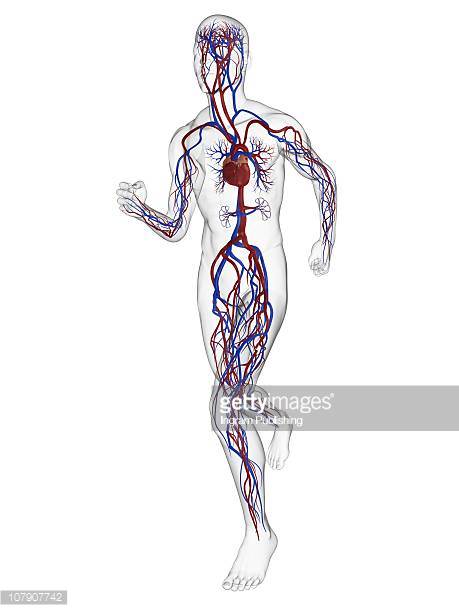
This is a picture of the 
a)
peripheral nervous sysyem
b)
central nervous system
c)
respiratory system
d)
circulatory system
113.
The nervous system is composed of the ___, ___, and ___.
a)
heart, brain, kidneys
b)
lungs, liver, stomach
c)
brain, spinal cord, nerves
d)
eyes, pancreas, veins
114.
What are the main two parts of the central nervous system?
a)
Brain and Skull
b)
Brain and Spinal Cord
c)
Spinal Cord and Nerves
d)
Nerve Cells and Nerve Endings
115.

What is a nerve cell?

a)

axon

b)

neuron

c)

dendrite

d)

myelin

116.

Select all that apply: The function of the nervous system is to control

a)

voluntary movement

b)

our senses (sight, hearing, touch, taste..)

c)

our memories and thoughts

d)

Involuntary actions likes breathing and heart beat

117.

Cranial nerves and spinal nerves are part of the peripheral nervous system.

a)

True

b)

False

118.

What part of the nervous system is responsible for slowing down breathing and pulse?

a)

Spinal Nerves

b)

Sympathetic

c)

Parasympathetic

d)

Spinal Nerves

119.

Someone with a spinal cord injury might experience:

a)

inability to move and respiratory distress

b)

hairloss

c)

increased appetite

d)

none of the above

120.
What is the purpose of the myelin sheath on the axon?
a)
To maintain temperature
b)
To improve conductivity
c)
To protect the axon
d)
To release neurotransmitters
121.
These carry signals from tissues and organs to the brain and spinal cord
a)
Sensory Neurons
b)
Motor Neurons
c)
Efferent Neurons
d)
Glial Cells
122.

The nerves in your fingertips are part of the ___ nervous system

a)

central

b)

peripheral

123.
Which systems work together when nutrients are dropped off for the cells in the brain?
a)
Circulatory, Excretory, Respiratory
b)
Circulatory, Digestive, Nervous
c)
Circulatory, Respiratory, Nervous
d)
Circulatory, Skeletal, Nervous
124.

How do your nerves work?

a)

They carry messages back and forth from the brain to the rest of the body

b)

The send messages only to the spinal cord

c)

They only receive messages from the spinal cord

d)

They really don't work. They are lazy and want everything done for them.

125.

Why is your spinal cord important?

a)

Because it holds our spine together

b)

Because all communication needs to travel through the spinal cord, towards and away from the brain.

c)

Because it controls our senses

d)

It's not

126.

What other systems does your nervous system work with?

a)

Circulatory

b)

Respiratory

c)

Skeletal

d)

Muscular

e)

Immune

127.
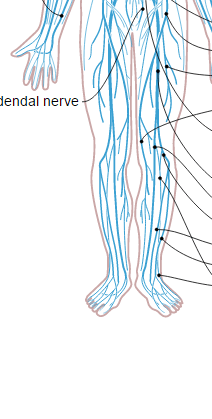
The nerves in your legs are part of the ____ nervous system.
a)
Central 
b)
Peripheral
128.

This is part of our central nervous system and is the "control center" of the body. It controls body functions.

a)

Brain

b)

Spinal Cord

c)

Neurons

129.

Which system allows blood to circulate throughout the body to transport oxygen and nutrients to all the cells and tissues?

a)

Nervous

b)

Respiratory

c)

Circulatory

130.

These cells, in the blood, carry oxygen and give the blood its color.

a)

white blood cells

b)

plasma

c)

platelets

d)

red blood cells

131.

The cells in the blood that help fight germs like bacteria and viruses

a)

red blood cells

b)

platelets

c)

white blood cells

132.

What is the main organ of the circulatory system?

a)

small intestine

b)

bone

c)

lungs

d)

heart

133.

The job of the heart is to . . .

a)

pump blood around the body.

b)

send food to the small intestines.

c)

break down food.

d)

give energy to the body.

134.

What is the circulatory system made up of?

a)

Lungs, blood, blood vessels

b)

Liver, kidneys, and stomach

c)

Heart, Blood Vessels, and Blood

135.

Which of the following does blood help transport throughout the body?

a)

undigested food

b)

Nutrients

c)

Gases (oxygen and carbon dioxide)

d)

hormones like adrenaline

136.

Your heart pumps blood throughout your entire body through little tubes called _____________.

a)

veins

b)

arteries

c)

hoses

137.

Blood is carried back to your heart in little tubes called ____________.

a)

veins

b)

arteries

c)

hoses

138.

What does circulate mean?

a)

pump blood

b)

beat quickly

c)

go around and around

139.

Your heart is a _____________.

a)

tube

b)

muscle

c)

vein

140.

Which is NOT a way to exercise your heart?

a)

Running

b)

Sitting on the couch

c)

Swimming

141.

Which is a good way to keep your heart healthy?

a)

Eating healthy foods

b)

Playing video games

c)

Eating greasy foods

142.
The circulatory system works with the ___________ system to provide our body with oxygen.
a)
respiratory
b)
digestive
c)
muscular
d)
skeletal
143.
The circulatory system works with the __________ system to obtain energy from nutrients that we eat. 
a)
respiratory 
b)
digestive
c)
skeletal
d)
nervous
144.
The heart has ___ chambers.
a)
1
b)
2
c)
3
d)
4
145.
What does Deoxygenated mean?
a)
Oxygen-rich
b)
Blood flow
c)
Oxygen-poor
d)
Water Flow
146.
arteries, veins, and capillaries are three types of __________
a)
heart valves
b)
blood vessels
c)
cells
d)
veins
147.
What does blood do?
a)
Carries Water to cells
b)
Carries Oxygen to cells
c)
Carries Food to cells
d)
All of the above 
148.
Carbon dioxide is considered a _________________
a)
food
b)
waste
c)
energy
d)
fun party favor
149.
How many types of blood vessels are in our body?
a)
1
b)
2
c)
3
d)
4
150.

Veins carry oxygen poor blood back to the heart.

a)

False

b)

True

151.

Arteries carry oxygen rich blood away from the heart.

a)

True

b)

False

152.

The job of the heart is to . . .

a)

pump blood around the body.

b)

send food to the small intestines.

c)

break down food.

d)

give energy to the body.

153.
______________ are the smallest blood vessels.
a)
Arteries
b)
Veins
c)
Capillaries
154.
The circulatory system works with the ___________ system to provide our body with oxygen.
a)
respiratory
b)
digestive
c)
muscular
d)
skeletal
155.
The circulatory system works with the __________ system to obtain energy from nutrients that we eat. 
a)
respiratory 
b)
digestive
c)
skeletal
d)
nervous
156.
The heart has ___ chambers.
a)
1
b)
2
c)
3
d)
4
157.
Which is the correct definition of the Circulatory system?
a)
The system fights disease so the body stays healthy.
b)
The system that circulates blood and oxygen through the body, consisting of the heart,blood vessels,and blood.
c)
Breaks down food into smaller pieces and absorbs those nutrients into the body.
d)
Provides shape and structure for the body.
158.
What is the Circulatory System also known as?
a)
The heart
b)
Cardiovascular System
c)
Nervous System
d)
Aorta
159.
What do Red-Blood cells do?
a)
Carry oxygen from the lungs to the body cells and  transport carbon dioxide from the cells back to the lungs
b)
keeps blood flowing in one direction to the heart and prevent blood from flowing backwards
c)
Collects  blood from the capillaries and drain it into the veins
d)
Bring nutriients to the cells and carries away waste materials.