wayground logo

Free Printable Worksheets

Font size

S
M
L
XL
Worksheets

untitled

Total questions: 47

Worksheet time: 31mins

Name
Class
Date
1.
There are two types of carbohydrates.  What are they?
a)
Magnesium and Calcium
b)
Simple and Complex
c)
Unsaturated and Saturated
d)
Vitamin B and Vitamin C
2.

Substances in food that the body needs to function are called

a)

Health

b)

Calcium

c)

Unsaturated Fats

d)

Nutrients

3.

Select all of the macronutrients

a)

Fat

b)

Carbohydrates

c)

Protein

d)

Minerals

e)

Vitamins

4.

When Carbohydrates are consumed they break down into ___________ in the body

a)

Starch, Sugar and Fiber

b)

Glucose

c)

Glycolosis

d)

Fat

5.

When carbohydrates are broken down in the body they are transported as glucose in the

a)

Blood

b)

Kidney

c)

Muscles

d)

Liver

6.
Which mineral helps build strong bones?
a)
calcium
b)
vitamin C
c)
collagen
d)
chromium
7.
The organ in orange represents the:
a)
Liver
b)
Lung
c)
Stomach
d)
Pancreas
8.
Chewing food is an example of _____________.
a)
chemical digestion
b)
mechanical digestion
9.
Which is NOT a function of the Digestive System?
a)
To rid the body of solid waste
b)
Absorb nutrients for energy & growth
c)
Break down nutrients from food
d)
Pump blood around the body
10.

Which of the following is the correct order for the major parts of the gastrointestinal tract?

a)

oesophagus, stomach, large intestine, small intestine, mouth

b)

mouth, stomach, oesophagus, large intestine, small intestine

c)

mouth, small intestine, stomach, oesophagus, large intestine

d)

mouth, oesophagus, stomach, small intestine, large intestine

11.

Which of of the following is an example of a carbohydrate?

a)

fish

b)

potato

c)

peanut

d)

butter

12.

which of the following is an example of a protein?

a)

corn

b)

olive oil

c)

muffin

d)

beans

13.

Which macromolecule is responsible for quick energy?

a)

carbohydrates

b)

Lipids

c)

protein

d)

nucleic acids

14.
This is an image of the
a)
stomach
b)
small intestine
c)
esophagus
d)
large intestine
15.
The highlighted organ is the
a)
liver
b)
large intestine
c)
small intestine
d)
stomach
16.
The process that breaks food down into small molecules so that they can be absorbed and moved into the blood.
a)
digestion
b)
mechanical digestion
c)
chemical digestion
d)
chyme
e)
villi
17.
This takes place when food is chewed, mixed, and churned.
a)
digestion
b)
mechanical digestion
c)
chemical digestion
d)
chyme
e)
villi
18.
This occurs when chemical reactions occur that break down large molecules of food into smaller ones.
a)
digestion
b)
mechanical digestion
c)
chemical digestion
d)
chyme
e)
villi
19.
Food moves through your stomach in 2 to 4 hours and is changed into a thin, watery liquid called __________.
a)
digestion
b)
mechanical digestion
c)
chemical digestion
d)
chyme
e)
villi
20.
The wall of the small intestine has many ridges and folds that are covered with fingerlike projections called _______. These increase the surface area of the small intestine so that nutrients in the chyme have more places to be absorbed.
a)
digestion
b)
mechanical digestion
c)
chemical digestion
d)
chyme
e)
villi
21.
Substances in foods that provide energy and materials for cell development, growth, and repair.
a)
nutrient
b)
protein
c)
amino acid
d)
carbohydrate
e)
fat
22.
Large molecules that contain carbon, hydrogen, oxygen, nitrogen and sometimes sulfur.
a)
nutrient
b)
protein
c)
amino acid
d)
carbohydrate
e)
fat
23.
The building blocks of proteins.
a)
nutrient
b)
protein
c)
amino acid
d)
carbohydrate
e)
fat
24.
Made up of carbon, hydrogen, and oxygen, these molecules are the main sources of energy for your body.
a)
nutrient
b)
protein
c)
amino acid
d)
carbohydrate
e)
fat
25.
Also called lipids, these molecules are necessary because they provide energy and help your body absorb vitamins.
a)
nutrient
b)
protein
c)
amino acid
d)
carbohydrate
e)
fat
26.

A type of protein that speeds up the rate of a chemical reaction.

a)

digestion

b)

enzyme

c)

chyme

d)

peristalsis

27.

Waves of muscle contractions that move food through the entire digestive tract.

a)

digestion

b)

chyme

c)

peristalsis

d)

enzymes

28.

The process by which the body takes in and uses food.

a)

Nutrition

b)

Calories

c)

Body Mass Index

d)

Appetite

29.

Hunger is a need, a natural physical drive to eat that protects us from starvation. Appetite is a desire to eat, but not a need.

a)

TRUE

b)

FALSE

30.

Substances in food that provide nourishment essential for growth and the maintenance of life are called nutrients. What are the 6 nutrients?

a)

Carbohydrates, Meats, Minerals, Water, Protein, and Dairy

b)

Fruits, Milk, Vitamins, Water, Pork, and Vitamins

c)

Carbohydrates, Fats, Water, Protein, Minerals and Vitamins

d)

Carbohydrates, Fats, Minerals, Cheese, Protein, and Vegetables
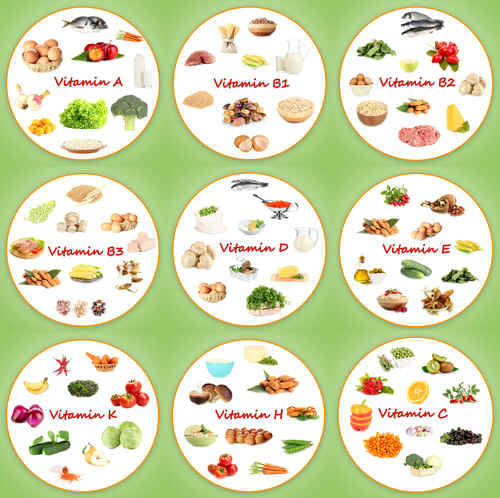
31.
What measures energy in food?
a)
Calories
b)
Ruler
c)
Thermometer
d)
Food label
32.
Which nutrient helps rebuild and repair muscles?
a)
Dairy
b)
Sodium
c)
Carbohydrates
d)
Protein
33.
Which nutrient insulates the body against the cold and protects internal organs?
a)
Proteins
b)
Fats
c)
Minerals
d)
Nutrients
34.

Which nutrient helps control body functions such as digestion, metabolism, and wound healing?

a)

Vitamins

b)

Minerals

c)

Water

d)

Vegetables

35.

Which nutrient carries/transports other nutrients and oxygen throughout the body? It also makes up about 75% of your body

a)

Dairy

b)

Minerals

c)

Protein

d)

Water

36.

Which nutrient are substances that the body CANNOT manufacture, but are needed for forming healthy bones and teeth and regulating many vital body processes?

a)

Protein

b)

Minerals

c)

Water

d)

Vitamins

37.
Which nutrient is our body's MAIN source of energy?
a)
Carbohydrates
b)
Fats
c)
Water
d)
Minerals
38.

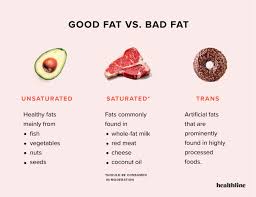
Which one of these is considered the "good fats" that we get from foods?

a)

Unsaturated Fat

b)

Trans Fat

c)

Saturated

d)

Carbs

39.
Which of the following are proteins?
a)
arugula
b)
Strawberries
c)
tortilla
d)
Beans, eggs, chicken
40.

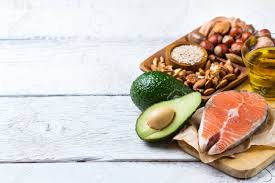
Fish, nuts, oils and avocado are healthy sources of....

a)

Fiber

b)

Protein

c)

Minerals

d)

Fat

41.

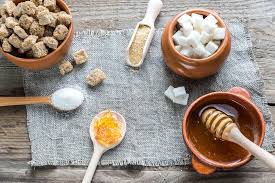
Sugars are...

a)

cholesterol

b)

complex carbohydrates

c)

amino acids

d)

simple carbohydrates and quick energy

42.
What happens if you eat more carbohydrates then your body needs?
a)
becomes DNA 
b)
turns to fat 
c)
creates extra energy 
d)
becomes waste
43.

Which Vitamin is the only one our bodies can make?

a)

A

b)

D

c)

B12

d)

Calcium

44.
There are two types of carbohydrates.  What are they?
a)
Magnesium and Calcium
b)
Simple and Complex
c)
Unsaturated and Saturated
d)
Vitamin B and Vitamin C
45.

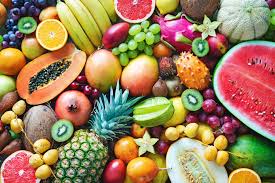
What food group is most responsible for providing water?

a)

Meats

b)

Fruits

c)

Grains

d)

Dairy products

46.

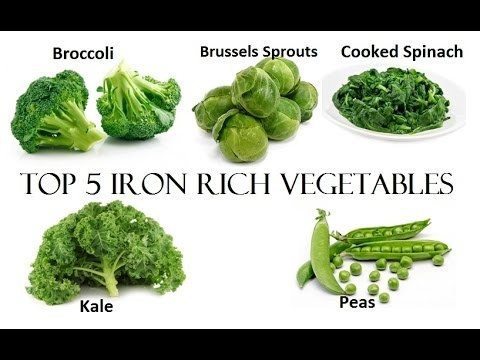
The best way to fill your diet with Iron is by eating

a)

Red meat

b)

Leafy green vegetables

c)

Thick skinned fruit

d)

Brown rice

47.

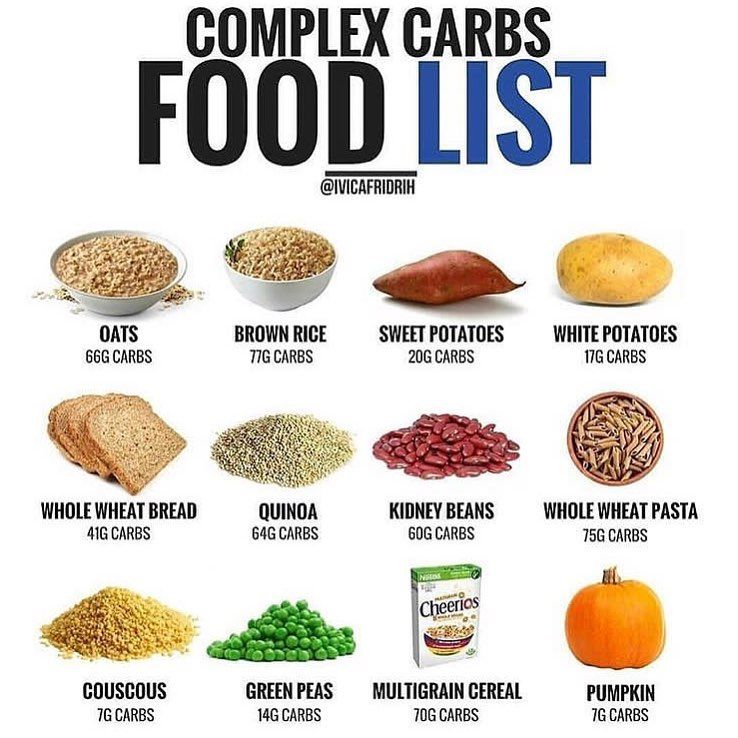
Examples of complex carbohydrates include:

a)

Soda, energy drinks, juice

b)

Whole wheat bread, vegetables, rice

c)

Lean chicken, fish, peanut butter

d)

Simple carbohydrates like sugar