
 Worksheets
Energetics Unit Review
Total questions: 88
Worksheet time: 1hrs 26mins
Enzymes catalyze reactions by ...
Slowing the movement of molecules.
Being consumed in reactions.
Allowing feedback inhibition.
Lowering the activation energy.
Complete the formula for photosynthesis: _____ + 6H20 --> C6H12O6 + 6CO2
6CO2
ATP
4CH2O
Glucose
The oxygen that is released as a byproduct in photosynthesis us derived from ...
Glucose
Carbon Dioxide
Water
NADPH
The light dependent reactions occur in the _____ and the Calvin cycle occurs in the ____.
Chloroplast, Mitohcondria
Mesophyll, Stomata
Bundle sheath cells, stromal lamellae
Thylakoid membrane, Stroma
Without water, plants would die. From the list below, which option provides the most accurate explanation for why plants cannot survive without water.
The splitting of water fixes carbon dioxide in the Calvin cycle, allowing for the production of G3P.
The splitting of water provides the electrons needed to turn ADP to ATP in the Calvin Cycle.
Oxygen is provided during the splitting of water, which is necessary for plant tissues.
The electrons gathered from the splitting of water allows for the conversion of NADP+ to NADPH in the light dependent reactions.
Which of the following does NOT occur during the Calvin cycle?
Carbon fixation
Release of oxygen
Conversion of ATP
Production of a carbohydrate.
What is the major source of fuel for animals?
Starch
Proteins
Lipids
Fats
What is the product of glycolysis?
Pyruvate
Citrate
Lactate
Ehtanol
Acetyl CoA is produced from what molecule?
Citrate
ATP synthase
Carbon Dioxide
Pyruvate
In cellular respiration, electrons are passed to a series of electron acceptors by _____ and ____, which leads them to their final electro acceptor ____. Which option below correctly fills in the blanks?
NADP+, NADPH, Oxygen
Glucose, pyruvate, citrate
NADH, FADH2, oxygen
NADH, ATP, ATP synthase
Which process of cellular respiration will remain constant, regardless of the presence of oxygen?
Glycolysis
Pyruvate oxidation
Citric acid cycle
The ETC

What is the energy transformation that occurs in photosynthesis?
Light energy to Chemical energy
Light energy to Electrical energy
Chemical energy to Light Energy
Which organelle is only in PLANT cells?
Mitochondria
Cell Membrane
Chloroplast
Nucleus
What are the 2 products of photosynthesis?
Sugar and CO
sugar and O2
H2O and CO2
H2O and CO2
Photosynthesis
process used by plants and other organisms to convert light energy into chemical energy
synthesis of organic compounds by bacteria or other living organisms using energy derived from reactions involving inorganic chemicals
metabolic pathway that uses glucose to produce adenosine triphosphate (ATP)
chemical breakdown of a substance by bacteria, yeasts, or other microorganisms, typically involving effervescence and the giving off of heat
Cellular Respiration
process used by plants and other organisms to convert light energy into chemical energy
synthesis of organic compounds by bacteria or other living organisms using energy derived from reactions involving inorganic chemicals
metabolic pathway that uses glucose to produce adenosine triphosphate (ATP)
chemical breakdown of a substance by bacteria, yeasts, or other microorganisms, typically involving effervescence and the giving off of heat
ATP
series of chemical reactions that occurs as part of the dark reactions of photosynthesis
series of chemical reactions to release stored energy through the oxidation of acetyl-CoA derived from carbohydrates, fats, and proteins
organic compound that provides energy to drive many processes in living cells
linear network of links in a food web starting from producer organisms and ending at an apex predator species, detritivores, or decomposer species
Food Chain
series of chemical reactions that occurs as part of the dark reactions of photosynthesis
series of chemical reactions to release stored energy through the oxidation of acetyl-CoA derived from carbohydrates, fats, and proteins
organic compound that provides energy to drive many processes in living cells
linear network of links in a food web starting from producer organisms and ending at an apex predator species, detritivores, or decomposer species
Trophic Pyramid
graphical representation, showing the flow of energy at each level in an ecosystem
an organism that eats other plants or animals for energy and nutrients
an organism that can produce its own food using light, water, carbon dioxide, or other chemicals
organism, especially a soil bacterium, fungus, or invertebrate, that breaks down organic material
Heterotroph
graphical representation, showing the flow of energy at each level in an ecosystem
an organism that eats other plants or animals for energy and nutrients
an organism that can produce its own food using light, water, carbon dioxide, or other chemicals
organism, especially a soil bacterium, fungus, or invertebrate, that breaks down organic material
Autotroph
graphical representation, showing the flow of energy at each level in an ecosystem
an organism that eats other plants or animals for energy and nutrients
an organism that can produce its own food using light, water, carbon dioxide, or other chemicals
organism, especially a soil bacterium, fungus, or invertebrate, that breaks down organic material
Herbivore
an organism that eats food of both plant and animal origin
an organism that feeds on flesh
an organism that feeds on plants
an organism which feeds on dead organic material
Carnivore
an organism that eats food of both plant and animal origin
an organism that feeds on flesh
an organism that feeds on plants
an organism which feeds on dead organic material
Omnivore
an organism that eats food of both plant and animal origin
an organism that feeds on flesh
an organism that feeds on plants
an organism which feeds on dead organic material

Which organelle is the site of Cell Respiration in Eukaryotes?
Chlorplast
Mitchondria
Nucleus
Cell Membrane
Where does photosynthesis take place?
mitochondria
nucleus
chloroplast
ribosome
Which chemical reaction shows the correct equation for photosynthesis?
oxygen + glucose -> carbon dioxide + water + ATP
oxygen + glucose + ATP -> carbon dioxide + water
carbon dioxide + water -> oxygen + glucose + sunlight
carbon dioxide + water + sunlight -> oxygen + glucose

Which of these is created in the mitochondria?
glucose
ATP
protein
nutrients


From what source do plants primarily obtain the materials to produce glucose in the Calvin cycle?
oxygen
carbon dioxide
water
sunlight
What is the chemical equation for photosynthesis?
6CO2 + 6H2O -> C6H12O6 + 6O2
6CO2 + 6H2O + ATP -> C6H12O6 + 6O2
C6H12O6 + 6O2 -> 6CO2 + 6H2O
6CO2 + 6H2O + light energy ->
C6H12O6 + 6O2
Which cell process is represented by this equation:
C6H12O6 + O2 → CO2 + H2O + ATP
diffusion
photosynthesis
cell respiration
mitosis
This is the equation for which process?
Where does cellular respiration take place?
chloroplast
lungs
mitochondria
nucleus


What does ATP stand for?
Adenosine diphosphate
Adenosine triphosphate
What is the name of the nitrogenous base that helps make up ATP?
Adenine
Guanine
Thymine
Cytosine
How is ADP converted back to ATP?
Phosphate group is removed.
Phosphate group is added.

Which of these organisms produce ATP through cellular respiration?
Plants
Animals
Both
Neither

What substance helps in removing a phosphate?
Adenosine
Water
Hydrogen
Phosphates
Enzymes are an example of
Lipids
Carbohydrate
Protein
Nucleic Acid
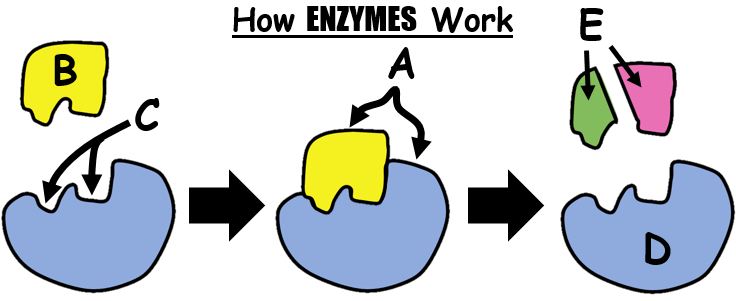
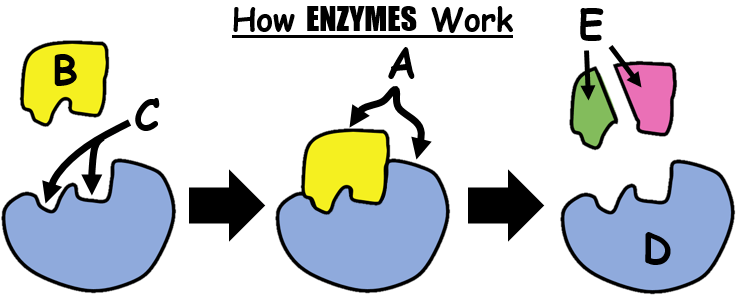
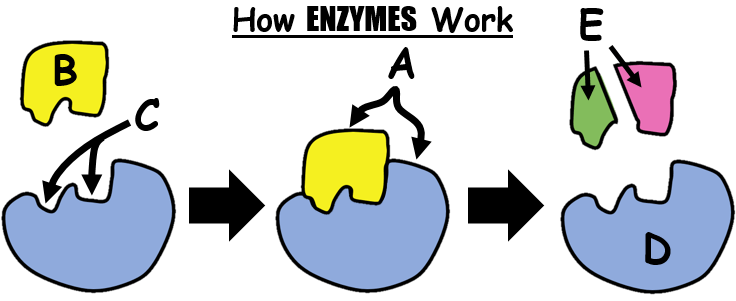
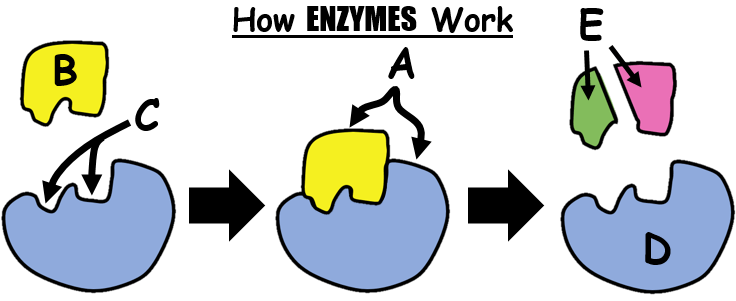
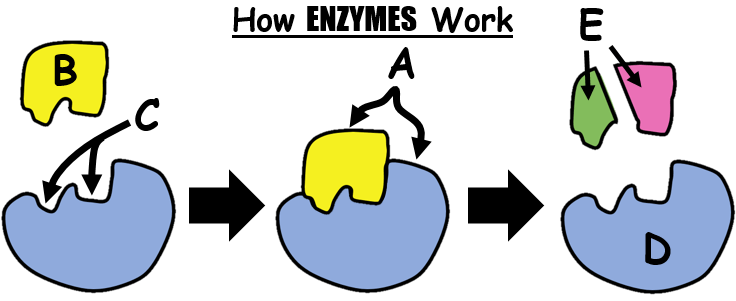
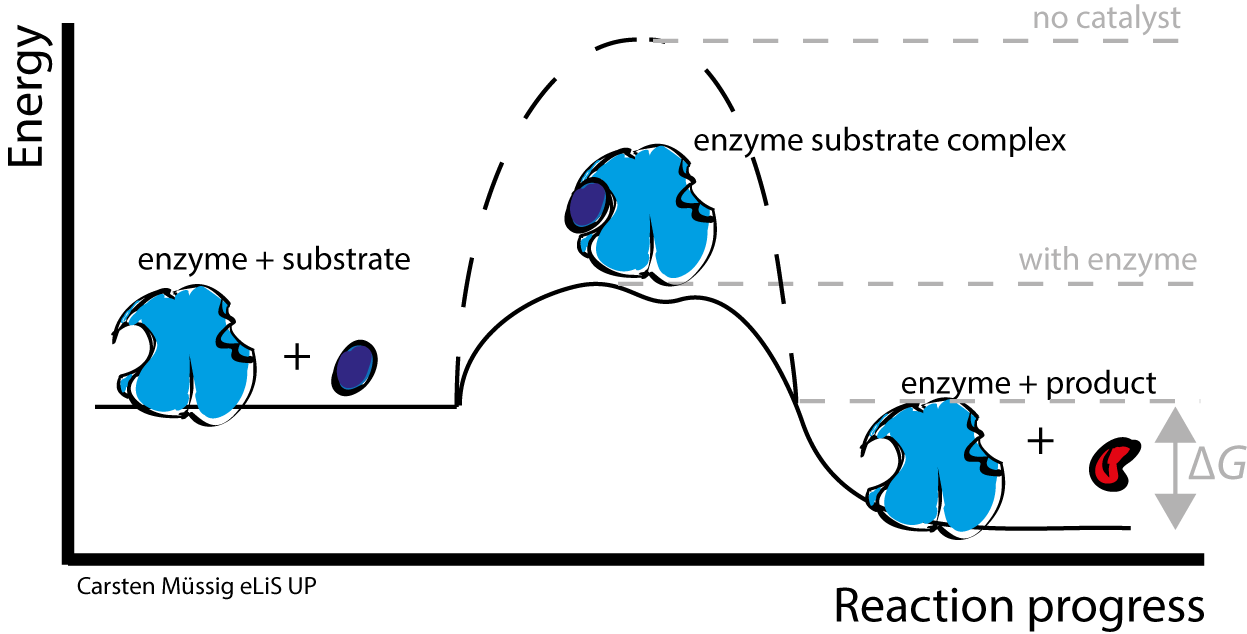
What happens when enzymes are heated to a high temperature?
The enzymes die.
The shape of the enzyme are changed and it denatures
The enzymes' amino acid sequence changes.
The enzymes remain the same

Organisms that can make their own food are called
Consumers
Producers
Omnivores
Decomposers

Producers get their energy from
coffee
the soil
water
the sun

Organisms that have to eat other organisms are called
producers
autotrophs
consumers
prey

Another word for producer is
autotroph
heterotroph
carnivore
decomposer

An organism that cannot make its own food is called a(n)
autotroph
heterotroph
producer

An organism that only eats plants is call a(n)
carnivore
omnivore
herbivore
detritivore

An organism that eats both plants and animals is called a(n)
carnivore
omnivore
herbivore
detritivore

An organism that eats dead material is called a(n)
carnivore
omnivore
herbivore
detritivore

An organism that only eats animals is called a(n)
carnivore
omnivore
herbivore
detritivore

___% of energy is passed from one organism to another.
1
10
100
1000

This diagram shows how energy flows through an eco-system. What is the first source of energy in this pyramid?
sharks and large birds
algae, plankton and seagrass
herbivorous fish, crustaceans and sea urchins
seals and carnivorous fish


How much energy is moved from one trophic level to the next trophic level?
100%
1/2
10%
25%
How many calories will be passed on from 250 to the next trophic level?
2,500
25
2.5
10%



