
Font size
 Worksheets
Periodic Table Review
Total questions: 63
Worksheet time: 11hrs 30mins

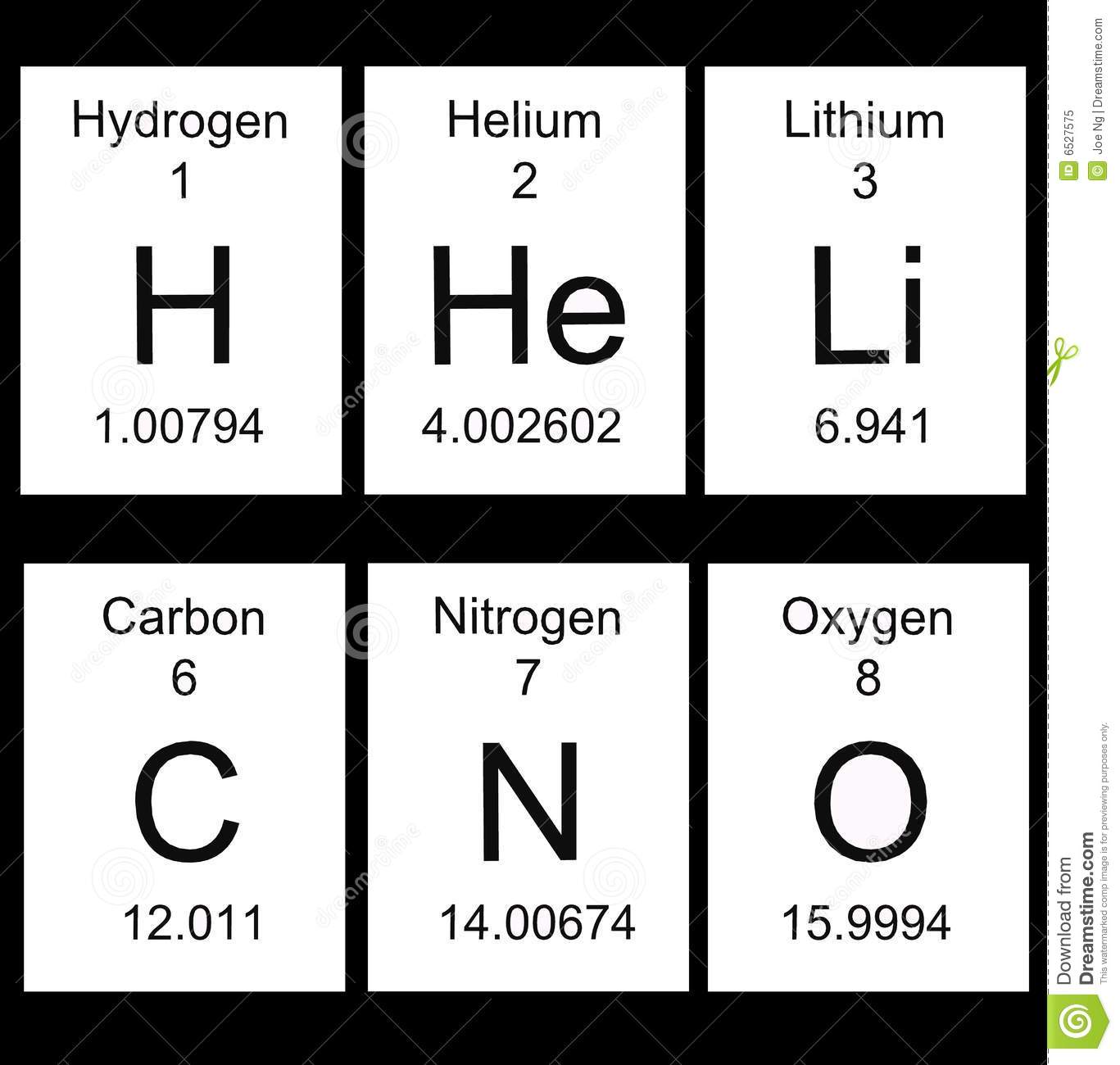
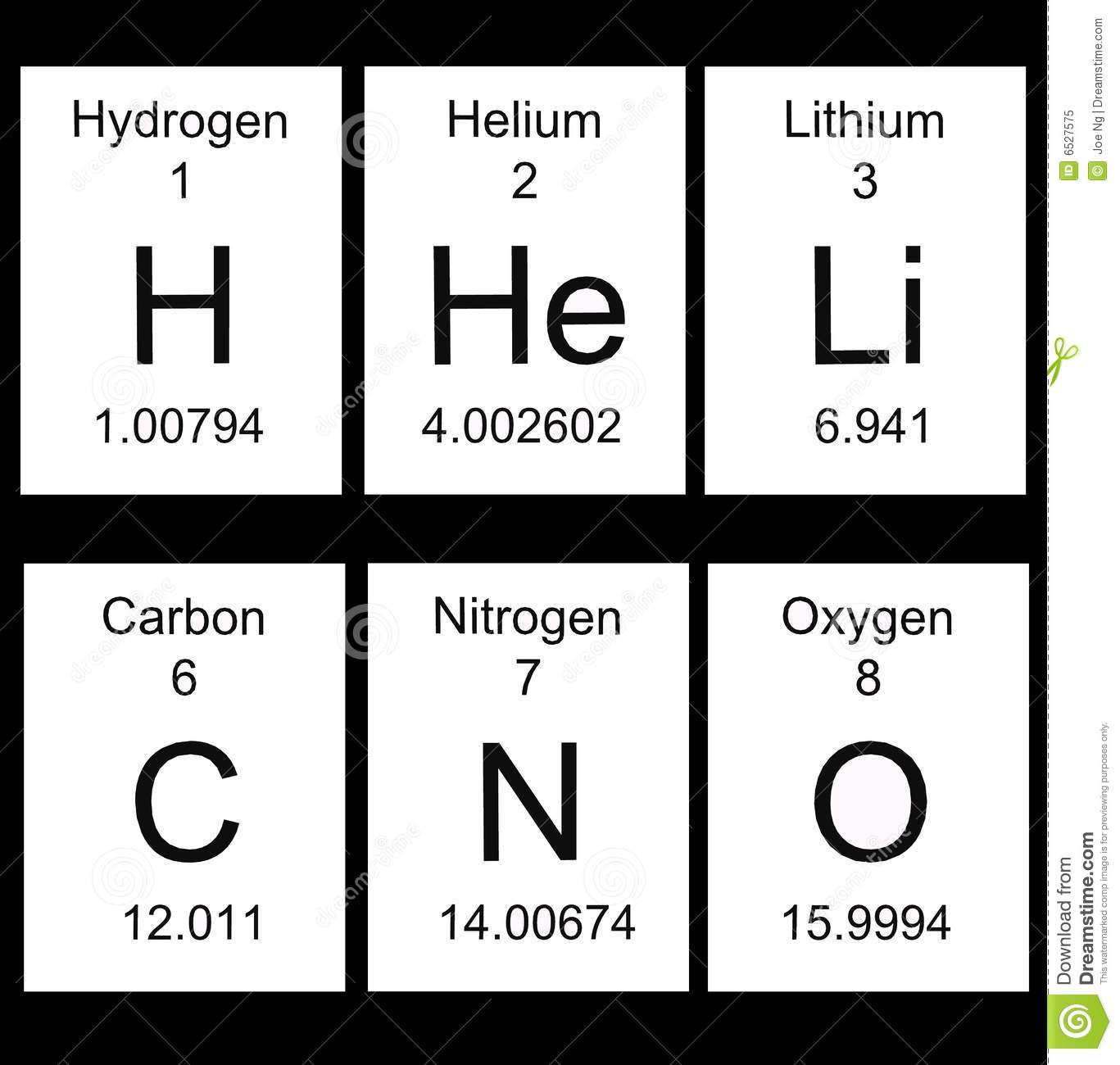
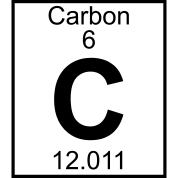
Carbon has an atomic number of
5
6
12
12.01

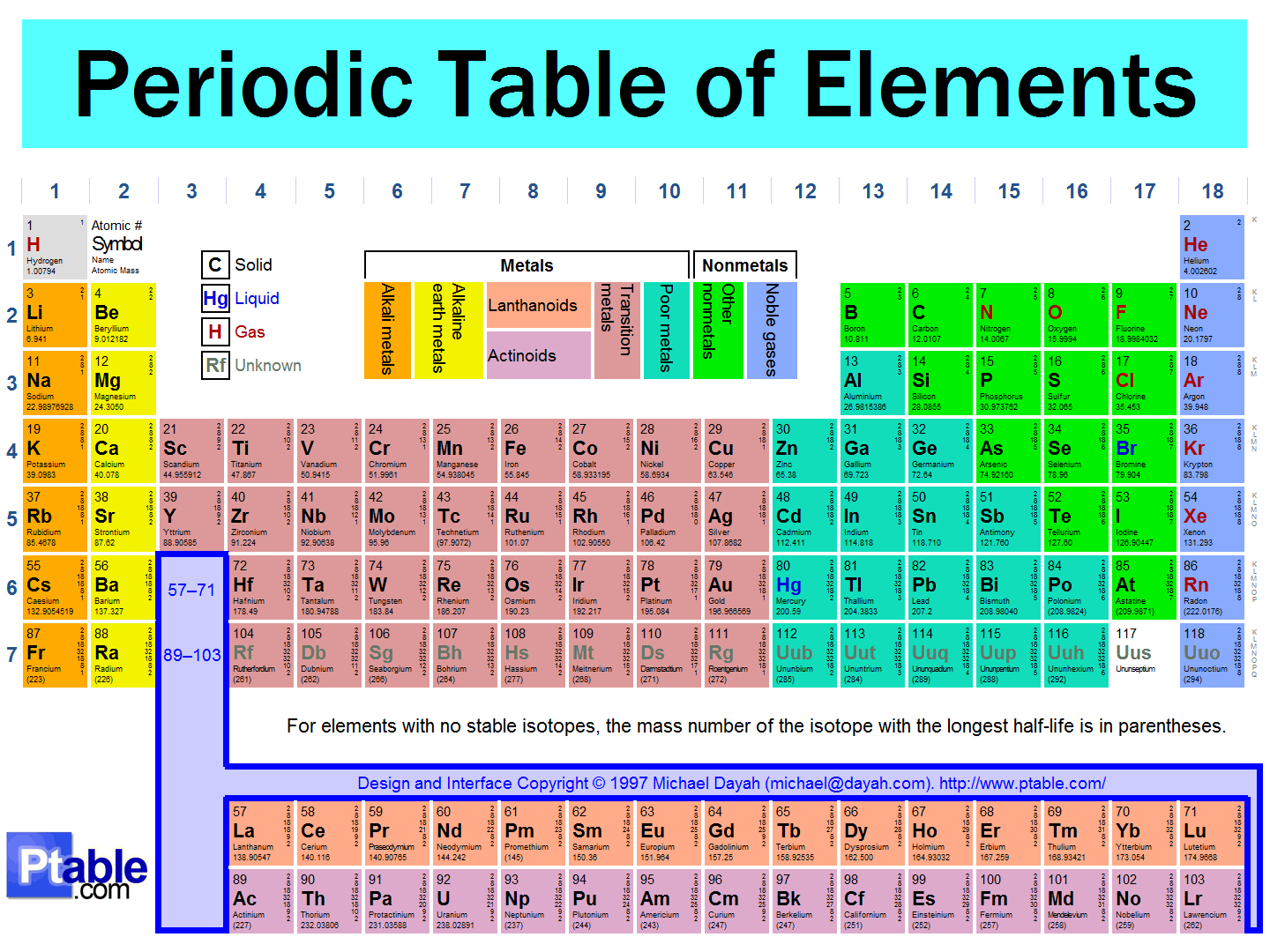
What group of elements are along the staircase?
metals
nonmetals
metalloids
Which of these is a metalloid?
Na (#11)
As (#33)
O (#8)
Most metals share three common physical characteristics. Which of the options is not one of the three?
shiny luster
good conductor of electricity
brittle
Malleable
The periodic table is mostly made up of what type of element?
Metals
Nonmetals
Metalloids
Which family of elements does not react with other elements.
Noble gases
Halogens
Metalloids
Alkali metals
Which one of these is not a noble gas?
He
Rn
I
Kr
What family is Sodium (Na) a part of?
noble gases
Halogens
Alkali Metals
This class of elements are sometimes called "semiconductors."
Metals
Nonmetals
Metalloids
Which of these groups of elements could have a shiny appearance?
Metal
Nonmetal
metalloids
Both metals and metalloids
Which of these is a property of metals?
They're malleable
They can't conduct electricity
They are used in food
They're very brittle
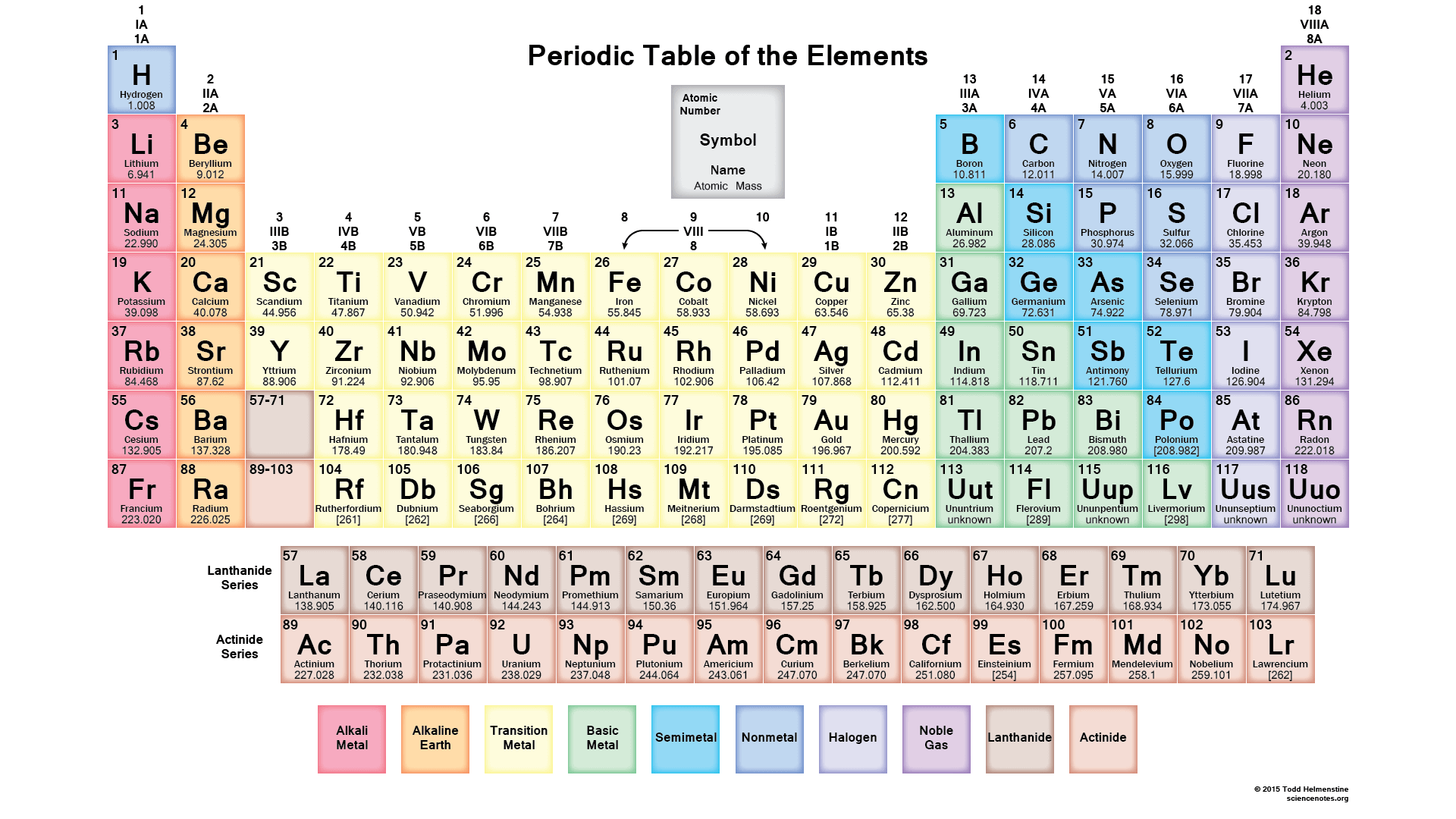

What is the atomic number for the element Boron?
5
11
6
16

What is the atomic mass of an atom of the element boron?
5
11
16
6

Is Boron classified as a metal, nonmetal, or metalloid?
metal
nonmetal
metalloid

In what period would you find the element Boron?
Period 2
Period 3A
Period 13
Period 5

How many groups are on the periodic table?
9
7
18
19

How many periods are on the periodic table?
9
7
19
18

What is the atomic number for Neon (Ne)?
2
10
18
20

What is the average atomic mass for Chlorine (Cl)?
17
35.45
8.5
18
What is the symbol for copper?
Co
Cu
C
Cr


What group and period is Te in?
Group 16, Period 5
Period 16, Group 5
Group 13, Period 5
Group 16, Period 3
Which of the following is a metal?
oxygen
neon
titanium
hydrogen
Which of these is a metalloid?
Na (#11)
As (#33)
O (#8)
Which is an alkali metal?
Magnesium
Iron
Sodium
Group 1 elements are also known as
Noble gas
Halogen
Alkaline earth metals
Alkali metals
What is the name of group number 1?
halogens
noble gases
alkali metals
alkaline earth metals
What is the name of group number 2?
transition metals
halogens
metaloids
alkaline earth metals
where are the metaloids found
far left, vertical
stair step/diagonal
far right horizontal
at the bottom
What group number are the halogens found?
18 (8A)
1
2
17 (7A)
Nonmetals (select all that apply)
are found on the right side of the periodic table.
are found on the left side of the periodic table.
are good conductors of heat and electricity.
are brittle.
can be solid, liquids, or gases at room temperature.
Metals (select all that apply)
are found on the right side of the periodic table.
are found on the left side of the periodic table.
are good conductors of heat and electricity.
are brittle.
are malleable and ductile.
Who is the first person credited for designing the Periodic Table?
John Newlands
Dmitri Mendeleev
Lother Meyer
Henry Moseley
Which group of elements are known for being poor conductors of electricity?
metals
metalloids
nonmetals
Which group of elements are known for being malleable and ductile?
metals
nonmetals
metalloids
You find a solid and test it. You find that it crushes to pieces when you hit it with a hammer. It does not conduct electricity, and it melts at a very low temperature. What type of element is it?
metal
metalloid
nonmetal
Which element is the only nonmetal located on the left side of the periodic table?
Sodium
Aluminum
Hydrogen
Beryllium

Which groups is known as the "rare earth metals?"
alkali metals
alkaline earth metals
transition metals
lanthanides
Which statement about the arrangements of the periodic table is NOT TRUE?
Noble gases are in the column farthest to the right
Metals are found on the left side of the periodic table
Metalloids are the bottom two rows of the periodic table
Transition metals are in the center of the periodic table
Classify the element as metal, nonmetal, or metalloid: Aluminum
Metal
Nonmetal
Metalloid
Classify the element as metal, nonmetal, or metalloid: Fluorine
Metal
Nonmetal
Metalloid
This element is in the same family as Br, but has fewer protons than Mg. It must be
Fluorine
Chlorine
Selenium
Argon

