
 Worksheets
Ecosystem Dynamics
Total questions: 90
Worksheet time: 4hrs 18mins
Which organism make their own food through the process of photosynthesis?
decomposer, ex mushrooms
consumer, ex tiger
herbivore, ex cow
producer, ex grass


How many autotrophs are in this food web?
3
6
4
2


______: The largest number of individuals that an environment can support.
Carrying Capacity
Biodiversity
Limiting Factors
______: Resources that restrict the size of a population.
Limiting Factors
Biodiversity
Carrying Capacity
______: Nonliving things in an ecosystem (air, soil, water, sunlight)
Abiotic Factors
Biotic Factors
______: Living factors in an ecosystem (plants, animals, bacteria, fungi, etc.)
Biotic Factors
Abiotic Factors
What would happen if a species reached its carrying capacity?
the species could become endangered or possibly extinct
the birth rate and death rate of the species would be equal
the species' population would double in a short period of time
Which of the following is *NOT* a limiting factor in an ecosystem?
plenty of available food and water
predators in the ecosystem
harsh weather conditions
competition with other members of the species
Which of the following is a BIOTIC factor in an ecosystem?
Trees
Air
Water
Soil
Which of the following is an ABIOTIC factor in an ecosystem?
Worms
Fruit
Soil
Fish
The _______ includes all living organisms on Earth along with the spheres they interact with (lithosphere, hydrosphere, and atmosphere).
Biosphere
Biome
Community
Ecosystem

In this food web, how many different organisms feed on the producer?
1
2
3
4

If the bird population DECREASED, which populations would INCREASE as a result?
bees and deer
bees and grasshoppers
snakes and hawks
grasshoppers and rabbits

In this aquatic food web, which organisms eat the squid?
It has no predators
seagull and krill
seal and krill
seal and seagull

In this food web, a ___ is a primary consumer and a ___ is a secondary consumer.
deer, eagle
grasshopper, mouse
mouse, snake
tree, grasshopper

If a disease eliminated the hawk population, which population would immediately INCREASE?
grasshopper
snake
grass
hawk

If a disease eliminated the frog population, which population would immediately INCREASE?
grasshopper
snake
hawk
grass

If a disease eliminated the snake population, which population would immediately DECREASE?
hawk
frog
grasshoppers
grass
A species on which other species in an ecosystem largely depend, and if it were removed, the ecosystem would change drastically.
endangered species
keystone species
primary species
apex species

When energy is passed in an ecosystem from one trophic level to the next, only ___ percent of the energy will be passed on.
1000
100
1
10

When a population nears its carrying capacity, resources become limited. Population growth slows and ______.
the death rate and birth rate increase
deaths outnumber births
the birth rate increases at a fast rate
the birth rate and death rate are equal

The blue line on the graph shows the rabbit population, and the red line shows the wolf population. Which statement about the graph is true?
When the wolf population begins to increase, the rabbit population begins to decrease.
When the rabbit population is at its lowest, the wolf population is also at its lowest.
When the rabbit population is at its highest, the wolf population is also at its highest.
When the wolf population begins to increase, the rabbit population also begins to increase.
_________ is the largest number of individuals of a population that an environment can support.
carrying capacity
limiting factor
biodiversity
biotic factor

When a population nears its carrying capacity, resources become limited. Population growth slows and ______.
deaths outnumber births
the birth rate and death rate are equal
the birth rate increases
the death rate increases

If a population exceeds the carrying capacity, ____________.
deaths outnumber births
births outnumber deaths
births and deaths are equal
the population drops to zero
Which of the following is NOT an example of a limiting factor?
Diseases
Predators
Trophic Level
Available Shelter
A _______ is a component that restricts the size of a population. Examples include food, water, shelter, space, disease, predation, and climate conditions.
limiting factor
carrying capacity
apex predator
abiotic factor
A ______ species is a species on which other species in an ecosystem largely depend, and if it were removed, the ecosystem would change drastically.
Keystone
Apex
Primary
Endangered

A disease reduces the number of young salmon in a river. Which population will MOST likely increase as a result?
trout and eagle
algae and trout
sculpin and algae
Which is a difference between abiotic and biotic factors?
Abiotic factors are plants and biotic factors are animals.
Abiotic factors are all living things and biotic factors are all nonliving things.
Abiotic factors are all nonliving things and biotic factors are all living things.
Which is most accurate in describing an estuary ecosystem?
High salt levels keep the water clear of nutrients and proteins.
Freshwater mixes with saltwater to provide a nutrient-rich environment.
Cold water mixes with saltwater to create a cooling effect that encourages growth.
In an energy pyramid, energy _________ as you move up the pyramid.
increases
decreases
stays the same
changes up and down

In this energy pyramid, which organisms have the most energy available?
Producers
Carnivores
Herbivores
Top Predator
In this energy pyramid, which organism has the least amount of energy available?
Producers
Carnivores
Herbivores
Top Predator

The diagram represents a pyramid of energy in an ecosystem. Which level would most likely contain members of the plant kingdom?
A
B
C
D

Biomass is the total number of organisms in a given area.
Which trophic level in the pyramid has the highest biomass?
PRODUCERS
PRIMARY CONSUMERS
SECONDARY CONSUMERS
TERTIARY CONSUMERS
What type of diagram shows the amount of energy that moves from one trophic level to another in a food web?
Energy Pyramid
Food Web
Ecosystem
Food Chain
If there is 1000 Kcal available at the producers level, how much energy is available in the primary consumers level?
100 Kcal
10 Kcal
1 Kcal
1000 Kcal

Which correctly shows the role of the rabbit
Primary (1st) Consumer
Secondary (2nd) Consumer
Tertiary (3rd) Consumer
Producer
How much energy gets transferred to the next trophic level in an energy pyramid?
1%
5%
10%
90%
What happens to the energy that is not moved up to each of the trophic levels?
It is lost as water.
It is lost as air.
It is lost as heat.
It goes back to the primary producers.
How much energy is lost as heat?
30%
10%
90%
100%


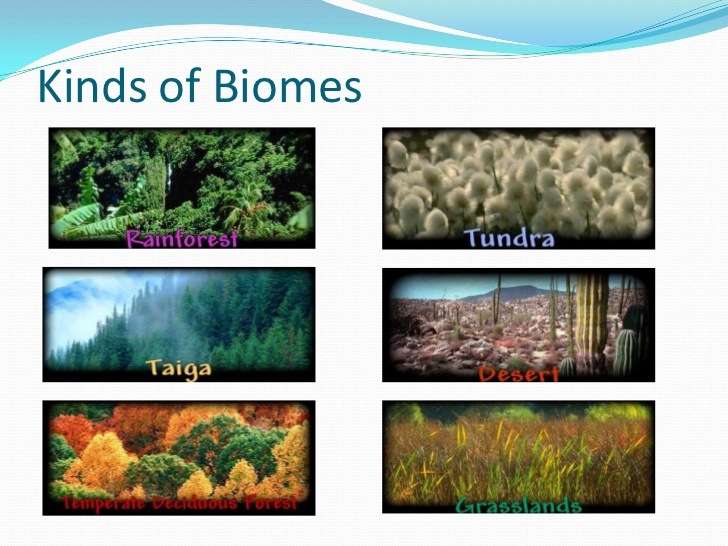
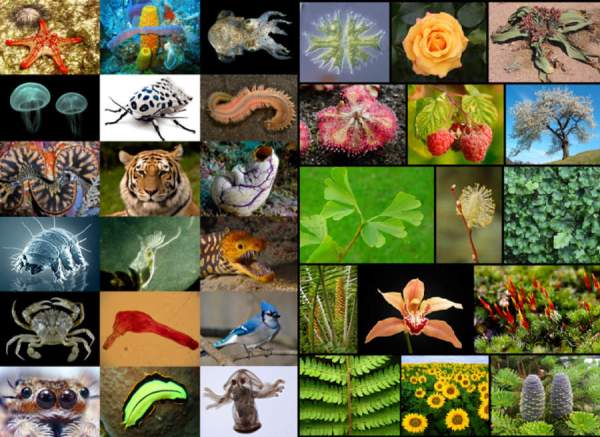
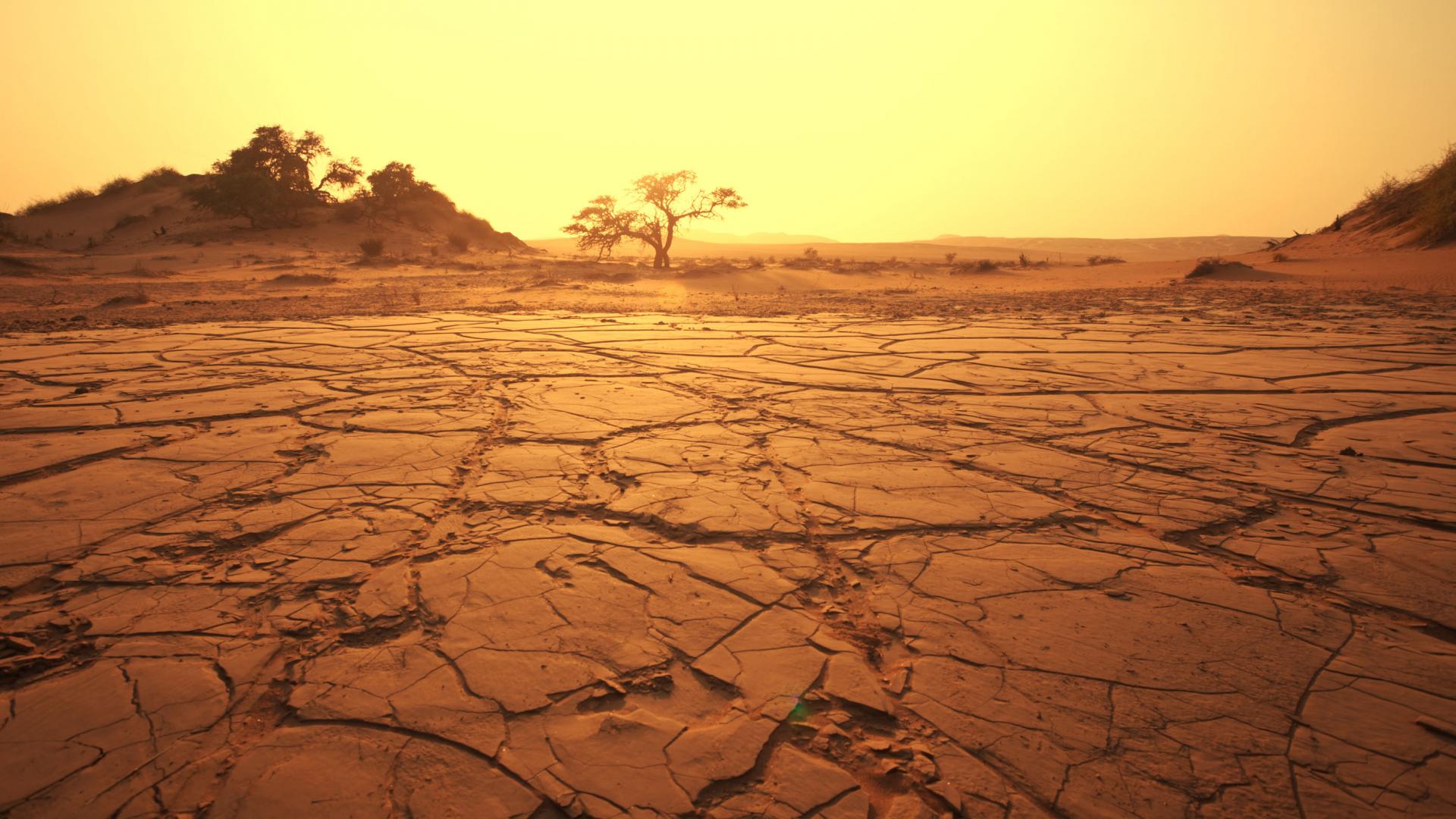

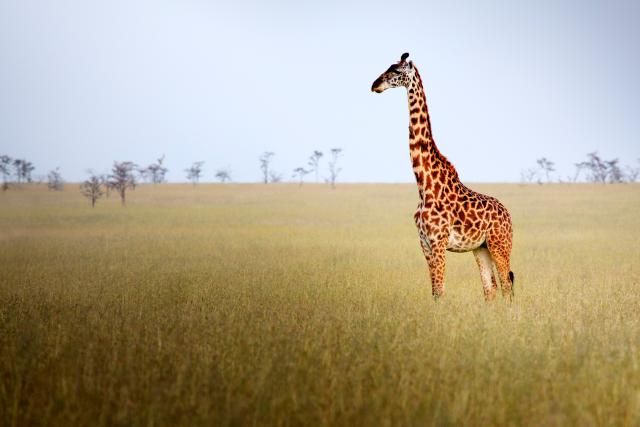
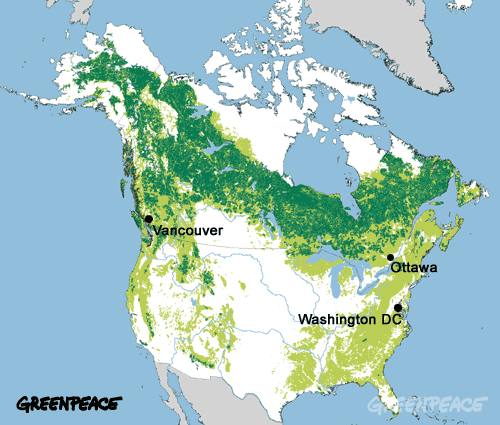

Which biome contains large populations of grazing herbivores, few species of birds, and deep, rich soil?
tropical rain forest
desert
deciduous forest
grassland
How is nitrogen "fixed" into a usable form for plants?
Through action of bacteria only
Through lightning only
Through action of bacteria and lightning
Through photosynthesis
How do animals get the nitrogen they need?
From the air they breathe
From the water they drink
From the food they eat
From the sun
Which element is not cycled through the atmosphere and stays only on ground level?
carbon
nitrogen
phosphorus
water


Hermit Crabs live in shells made and then abandoned by snails.
Commensalism
Parasitism
Competition



