wayground logo

Free Printable Worksheets

Font size

S
M
L
XL
Worksheets

Biology Semester 1 Review

Total questions: 145

Worksheet time: 2hrs 29mins

Name
Class
Date
1.
This variable in an experiment is the one being deliberately changed by the scientist. 
a)
dependent variable
b)
independent variable
c)
data
d)
control group
2.
Mr. S. sets up an experiment to see how the mass of a ball affects the distance it rolls off a ramp.  Identify the dependent variable.
a)
height of the ramp
b)
 distance traveled by the ball
c)
mass of the ball
d)
weight of the ball
3.
When experimenting with the growth of a plant, a scientist uses three (of the same type of) plants, two different fertilizers, equal light, and equal water. What type of variable is the fertilizer?
a)
Dependent
b)
Independent
c)
Control
d)
Compound
4.
Which type of cell?
a)
Prokaryote
b)
Eukaryote
5.
What type of cell has a nucleus? 
a)
eukaryotic
b)
prokaryotic 
6.
Has membrane bound organelles
a)
Prokaryote
b)
Eukaryote
c)
both
7.
What is the cell organelle that stores water, food and waste called?
a)
The cytoplasm
b)
The lysosomes
c)
The vacuole
d)
The mitochondria
8.
What is the main difference between prokaryotic and eukaryotic cells?
a)
Prokaryotic cells have a nucleus and Eukaryotic cells do not
b)
Prokaryotic cells are unicellular and Eukaryotic cells are multicellular.
c)
Prokaryotic cells do not have a nucleus, Eukaryotic cells do have a nucleus.
d)
Prokaryotic cells are plant cells and Eukaryotic cells are animal cells.
9.
The main function of chloroplasts is:
a)
To control what enters and leaves the cell.
b)
To break down food to release energy for the cell.
c)
To control all activities of the cell.
d)
To produce food for the cell using the sun's energy.
10.
The cytoplasm
a)
Is  the gel-like fluid that holds other organelles in place.
b)
Breaks down food to produce energy for the cell.
c)
Is known as the "brain" of the cell.
d)
Is where photosynthesis takes place.
11.
Ribosomes are the cell organelle that
a)
Break down food to produce energy for the cell.
b)
Produce proteins for the cell.
c)
Break down broken cell parts.
d)
Make food for the cell using the sun's energy.
12.
Autotrophs 
a)
Make their own food using the energy from the sun.
b)
Have to eat other organisms.
c)
Are the same as consumers.
d)
Do not have a nucleus.
13.
The cell wall
a)
Controls what enters and leaves the cell.
b)
Provides structure and support for the plant cell.
c)
Is a flexible out layer of the cell.
d)
Is the transportation system of the cell.
14.
What is the function of the cell membrane?
a)
To protect and support the cell
b)
To perform different functions in each cell
c)
To control what enters and leaves the cell
d)
To form a hard outer covering for the cell
15.
What is the function of the lysosomes?
a)
To make proteins for the cell
b)
To store water and other materials
c)
To convert food and oxygen into energy
d)
To use enzymes to digest old or worn out cell parts
16.
Which organelle in plant cells captures the energy in sunlight?
a)
Cell Wall
b)
Nucleus
c)
Chloroplasts
d)
Vacuole
17.
Heterotrophs
a)
Are all prokaryotic
b)
Can make their own food
c)
Cannot make their own food
d)
Are producers
18.
The nucleus
a)
Controls what enters and leaves the call
b)
Is known as the brain of the cell
c)
Makes proteins for the cell
d)
Makes food for the cell
19.
The organelle that looks like small dots.  It makes proteins.  
a)
nucleus
b)
cell membrane
c)
ER
d)
ribosomes
20.
The jelly-like fluid that supports the organelles in place. 
a)
nucleus
b)
cell membrane
c)
chloroplast
d)
cytoplasm
21.
Which rigid organelle provides strength and support to plant cells.
a)
Chloroplast
b)
Cell Wall
c)
Cell Membrane
d)
Vacuole
22.
Which organelle is found in both plant and animal cells and converts sugars into energy?  (the powerhouse of the cell)
a)
Mitochondria
b)
Cell Wall
c)
Cell Membrane
d)
Vacuole
23.
What provides the energy during photosynthesis?
a)
dirt
b)
water
c)
sunlight
24.
This structure regulates the passage of water, food and waste into and out of the cell.
a)
nucleus
b)
vacuole
c)
cytoplasm
d)
cell membrane
25.
Which organelle is in a plant cell but not in an animal cell?
a)
cytoplasm 
b)
chloroplast 
c)
mitochondrion
d)
cell membrane
26.

Where the genetic material is found in an eukaryotic cell

a)

nucleolus

b)

cytoplasm

c)

nucleus

d)

chloroplast

27.
Which organisms perform Photosynthesis?
a)
Only Autotrophs
b)
Only Heterotrophs
c)
Autotrophs and Heterotrophs
28.
What are the products of photosynthesis?
a)
water and carbon dioxide
b)
oxygen and glucose
c)
oxygen and carbon dioxide
d)
oxygen and water
29.
What are the reactants in cellular respiration?
a)
Carbon Dioxide, Water, Sunlight
b)
Glucose, Oxygen
c)
Carbon Dioxide, Water, ATP
30.
What are the products in cellular respiration?
a)
Carbon Dioxide, Water, Sunlight
b)
Glucose, Oxygen
c)
Carbon Dioxide, Water, ATP
31.
Cellular respiration is a process that converts __________ into __________.
a)
Sunlight, Glucose
b)
ATP, Glucose
c)
Glucose, Sunlight
d)
Glucose, ATP
32.
After glycolysis, the next two steps in aerobic respiration are the ____________ and the ___________.
a)
Light reactions, Calvin Cycle
b)
Lactic acid fermentation, Alcoholic fermentation
c)
Kreb's Cycle, Electron Transport Chain
33.
Energy is released from ATP when
a)
a phosphate group is added
b)
adenine bonds to ribose
c)
ATP is exposed to sunlight
d)
a phosphate group is removed
34.
Autotroph or heterotroph?
a)
Autotroph
b)
Heterotroph
35.
Autotroph or heterotroph?
a)
Autotroph
b)
Heterotroph
36.
Photosynthesis ______ glucose while cellular respiration ______ glucose.
a)
builds; breaks apart
b)
breaks apart; builds
37.
Why do we eat food?
a)
to obtain energy/fuel
b)
to eliminate waste products
c)
to prevent diseases
d)
to kill pathogens
38.
In which eukaryotic organelle does photosynthesis occur?
a)
mitochondria
b)
stomata
c)
xylem
d)
chloroplast
39.
In photosynthesis ...
a)
water is chlorinated
b)
light energy is changed to glucose
c)
osmosis happens
d)
ATP is made
40.
The mitochondria is responsible for ...
a)
photosynthesis
b)
anaerobic respiration
c)
cellular respiration
d)
fermentation
41.
A diagram representing the relationship between photosynthesis and cellular respiration is shown.
The numbered boxes in the diagram represent which of the following?
a)
1 - water; 2 - nitrogen
b)
1 - nitrogen; 2 - oxygen
c)
1 - oxygen; 2 - carbon dioxide
d)
1 - carbon dioxide; 2 – water
42.
Which process do the animals in the food web use to convert energy from food into ATP?
a)
cellular respiration
b)
osmosis
c)
photosynthesis
d)
transcription
43.
Lactic acid fermentation occurs in your muscles after a workout because your cells are struggling to get...
a)
Glucose
b)
Sunlight
c)
Oxygen
d)
Water
44.
Fruit fly body cells have 8 chromosomes. After mitosis, you would expect a resulting fruit fly daughter cell to have ...
a)
16 chromosomes.
b)
46 chromosomes.
c)
8 chromosomes.
d)
4 chromosomes.
45.
DNA is replicated during the ______ phase of the cell cycle.
a)
G1
b)
Synthesis
c)
G2
d)
G0
46.
Structure B is pointing to the _____. 
a)
chromosome
b)
centromere
c)
DNA
d)
chromatid
47.

How many chromosomes are normally found in human body cells?

a)

46

b)

23

c)

26

d)

44

48.
Identify the phase of mitosis.
a)
prophase
b)
metaphase
c)
anaphase
d)
telophase
49.
a)
Anaphase
b)
Cytokinesis
c)
Telophase
d)
Metaphase
50.
a)
Cytokinesis
b)
Interphase
c)
Anaphase
d)
Metaphase
51.
What causes genetic variation in meiosis?
a)
chromosomes lining up
b)
crossing over of chromosomes
c)
separation of chromosomes
d)
chromosomes pulling apart
52.
What kind of cells are made in MEIOSIS?
a)
Haploid cells
b)
Diploid Cells
c)
Skin Cells
d)
Liver Cells
53.
If the Diploid number of Carrots is 18, the haploid number is
a)
18
b)
9
c)
27
d)
36
54.
The process of crossing over occurs in what phase of meiosis?
a)
anaphase 1
b)
prophase 1
c)
prophase 2
d)
telophase 1
55.
The chromosomes that pair up during meiosis, are called __________ chromosomes.  
a)
homozygous 
b)
asexual
c)
homologous
d)
genes
56.
Which cellular process is shown?
a)
meiosis
b)
endocytosis
c)
mitosis
d)
phagocytosis
57.
products of meiosis are genetically
a)
different
b)
identical
58.
Meiosis makes sperm and egg cells. In humans, sperm and egg cells each have _____ chromosomes. Therefore a fertilized human egg cell (sperm and egg cell combined) would create a cell with _____ chromosomes.
a)
23, 46
b)
46, 23
c)
2, 4
d)
50, 100
59.
How many daughter cells does Meiosis create?
a)
2
b)
4
c)
8
d)
1
60.

Variation in the cells/organisms produced...

a)

Mitosis

b)

Meiosis

61.

An exact copy of a cell/organism is produced...

a)

Mitosis

b)

Meiosis

62.
How can you tell this plant is a living thing?
a)
It doesn't move.
b)
It is made up of different parts.
c)
It responds to a change in its environment.
d)
It needs shelter.
63.
Which of the following characteristics of living things best explains why humans sweat when they get hot?
a)
maintaining a stable internal enviornment
b)
growth and development
c)
using energy
d)
ability to reproduce
64.

Which of the following characteristics of living things best explains why birds fly south for the winter?

a)

Living things respond to their environment.

b)

Living things maintain internal balance.

c)

Living things are made up of units called cells.

d)

Living things are based on a universal genetic code.

65.
Before a soccer game Charlie always eats a big dinner. Which characteristic of life does this face best describe? 
a)
living things use energy
b)
living things reproduce
c)
living things grow and develop
d)
living things are based on a universal genetic code
66.

Which one of the following is a characteristic of life?

a)

Growth

b)

Breathing

c)

Expelling toxins

d)

Photosynthesis

67.

A molecule that contains hereditary information.....

a)

carbohydrate

b)

protein

c)

Lipid

d)

Nucleic Acid

68.

An organism made up of more than one cell would be called:

a)

multicellular

b)

unicellular

c)

heterotroph

d)

autotroph

69.
What is the most basic unit of life?
a)
cell
b)
tissue
c)
organ
d)
organ system
70.
The scientific name for something living is a(an)
a)
organism
b)
cell
c)
tissue
d)
human
71.
It is hot outside. You start sweating. In this case, the hot weather is the...
a)
stimulus
b)
response
c)
cause and effect
d)
responder
72.

The combination of chemical reactions through

which an organism builds up or breaks down

materials as it carries out its life processes is called ...

a)

absorption

b)

metabolism

c)

digestion

d)

consumption

73.

Maintaining a stable internal

environment is called

a)

homeostasis

b)

equilibrium

c)

balance

d)

evenness

74.

Green plants produce their own food through the process of photosynthesis. Which characteristic of life does this represent?

a)

All living things use energy

b)

All living things contain cells

c)

All living things maintain homeostasis

d)

All living things grow

75.

A baby song bird hatches from its egg with both parent songbirds watching. Which characteristic of life does this represent?

a)

All living things reproduce

b)

All living things maintain homeostasis

c)

All living things use energy

d)

All living things grow

76.

A camel has eyelashes that work to keep the dust and sand out of its eyes. Which characteristic of life does this represent?

a)

All living things adapt to their environment

b)

All living things grow

c)

All living things have cells

d)

All living things use energy

77.
A worm turns away from light is an example of a worm
a)
reproducing
b)
doing cellular respiration
c)
having cells
d)
responding to its environment
78.

Which of the following is a stimulus?

a)

removing your hand from a hot stove

b)

swinging a bat at a baseball

c)

screaming when something scares you

d)

a ball moving from the pitching mound to home plate towards a batter

79.

Which of the following is a response?

a)

a flashlight shined into the eye

b)

a rubber band popping your hand

c)

your pupils constricting when exposed to bright light

d)

blood glucose levels drop significantly

80.

What is the point of a feedback loop?

a)

To provide the body with more energy

b)

To provide the body with more food

c)

To make sure the conditions in the body are always changing

d)

To make sure the conditions in the body remain stable
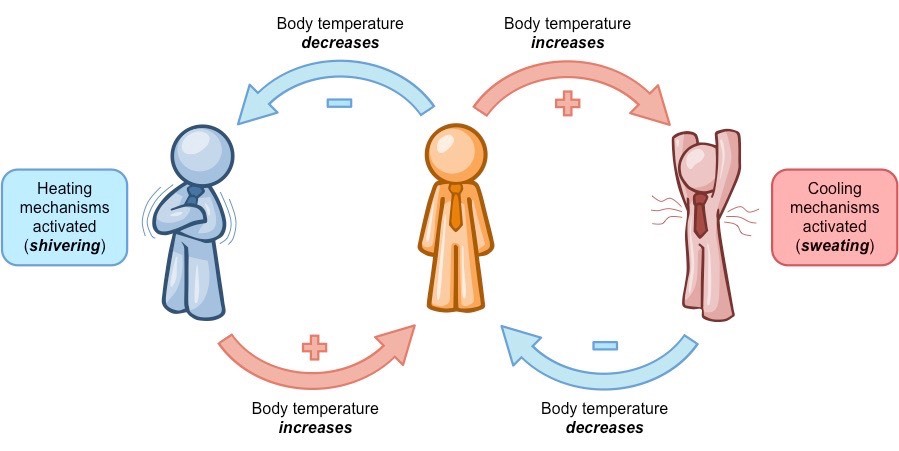
81.

In this body temperature feedback loop, predict what would happen if cooling mechanisms were NOT activated?

a)

The body would not warm up.

b)

The body would not cool down.

c)

Your body would get colder and colder.

d)

Your body would release lots of heat.

82.

According to the feedback loop, what does high blood sugar promote?

a)

Insulin Release

b)

Glucagon Release

c)

Insulin Uptake

d)

Glycogen Uptake

83.
The two types of feedback systems that help organisms maintain homeostasis are:
a)
positive and negative 
b)
receptor and effector
c)
static and dynamic
d)
minor and major
84.
The process of childbirth is an example of:
a)
negative feedback loop
b)
positive feedback loop
85.
The "cause" for something to happen is the
a)
response
b)
effect
c)
stimulus
d)
homeostasis
86.
When you get cut, your skin cells release hormones that signal platelets to come and stop the bleeding. Platelets then release more hormones that signal even more platelets to help stop bleeding. The hormone signals continue until the cut is closed.
a)
Positive Feedback Response
b)
Negative Feedback Loop 
87.
If the calcium in your blood decreases below homeostasis levels, a gland in the brain will sense the decrease and send a chemical message to your bones. Your bones will release calcium into the blood, bringing blood calcium levels back up.
a)
Positive Feedback Response
b)
Negative Feedback Loop 
88.
Negative Feedback Loops:
a)
amplify processes
b)
prevent small changes from getting larger
c)
are initiated during childbirth
d)
are found only in plants
89.
Before they can pass from a parent cell to its offspring cells, the inherited instructions that a human cell carries must first be
a)
moved into the nucleus
b)
broken down and made into DNA molecules
c)
used to make specific protein molecules that form genes
d)
accurately replicated
90.
Which dissolved substance do aquatic animals remove from their external environment for use in cellular respiration?
a)
carbon dioxide
b)
oxygen molecules
c)
ATP molecules
d)
nitrogen gas
91.
Which of the following (molecule and its function) is NOT matched correctly?
a)
all are correct
b)
lipids: store energy, warmth
c)
nucleic acids: genetic code
d)
carbohydrates: fuel for energy
92.
What would you expect to happen in the organelle labeled 5?
a)
Use of enzymes to rid the cell of waste
b)
Makes energy in the cell
c)
Stores genetic information and makes the mRNA
d)
Synthesis of new proteins for the rest of the cell to function
93.
Water is a polar molecule. What is a polar molecule?
a)
It contains two oxygen atoms for each hydrogen atom.
b)
It has a positive charge.
c)
It does not have a charge.
d)
Different parts of the molecule have slightly different charges.
94.
The role of enzymes in chemical reactions occurring in living things is to
a)
speed up a chemical reaction.
b)
take up space.
c)
make a chemical reactions not work.
d)
change the enzyme during the chemical reaction.
95.
DNA and RNA are examples of what type of large macromolecule?
a)
carbohydrate
b)
lipid
c)
nucleic acid
d)
protein
96.
Which of the following statements is true about the cell membrane?
a)
It is always surrounded by a cell wall.
b)
It is composed mainly of a protein bilayer.
c)
It allows some substances to pass into and out of the cell.
d)
It allows all substances to pass into and out of the cell.
97.
A particularly active cell, like a muscle cell, might contain large numbers of organelles, called ___ for producing ATP energy.
a)
chromosomes
b)
vacuoles
c)
membranes
d)
mitochondria
98.
If body temperature is too high, some blood vessels increase in size and sweat glands will excrete sweat, resulting in a lower body temperature. These changes are an example of
a)
a learned behavior
b)
feedback mechanisms
c)
an inherited disorder
d)
genetic mutations
99.
The movement of material across a membrane that requires energy because the molecules are going from a lower concentration to a higher concentration is
a)
facilitated diffusion
b)
active transport
c)
diffusion
d)
osmosis
100.
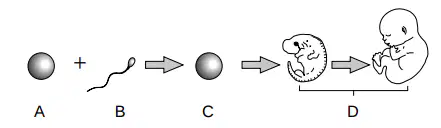
The diagram below summarizes some of the steps in the development of humans. All the genetic information needed for the organism to develop is first present at
a)
A
b)
B
c)
C
d)
D
101.
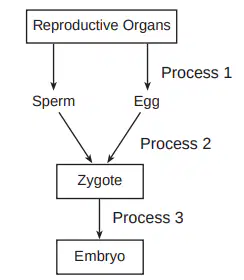
The diagram below represents the processes leading to the formation of a human embryo. The correct sequence for processes 1, 2, and 3 represented in the diagram is
a)
Process 1: Gamete Formation, Process 2: Cell Division, Process 3: Fertilization
b)
Process 1: Cell Division, Process 2: Gamete Formation, Process 3: Fertilization
c)
Process 1: Gamete Formation, Process 2: Fertilization, Process 3: Cell Division
d)
Process 1: Fertilization, Process 2: Gamete Formation, Process 3: Cell Division
102.
A and B below represent two different slide preparations of elodea leaves. Elodea is a plant found in streams and ponds in New York State. The water used on slide A contained 1% salt and 99% water. The salt solution used on slide B contained 6% salt and 94% water. Elodea cells normally contain 1% salt. Five minutes after the slides were prepared, a student using a compound light microscope to observe the cells in leaves A and B would most likely see that ...
a)
water had moved out of the cells of the leaf on slide A
b)
salt had moved into the cells of the leaf on slide A
c)
water had moved out of the cells of the leaf on slide B
d)
salt had moved out of the cells of the leaf on slide B
103.
This molecule is made during cellular respiration. This energy-carrying molecule is called
a)
amino acid.
b)
ATP
c)
DNA
d)
protein
104.
The general equations for photosynthesis and respiration are
a)
closely related.
b)
have no relationship.
c)
reversed
d)
compatible
105.
In fermentation, sugar is consumed. Which statement best describes fermentation?
a)
This is used by bacteria and yeast to provide energy for the living organism.
b)
In one type of fermentation alcohol is produced.
c)
In fermentation, carbon dioxide is a product.
d)
All of the other statements are true.
106.
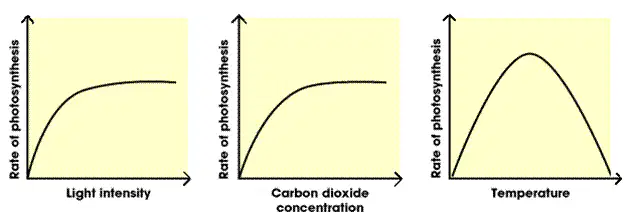
Refer to the illustration below. Taken together, these graphs demonstrate that
a)
photosynthesis is independent of environmental influences.
b)
the rate of photosynthesis is affected by changes in the plant's environment.
c)
as the temperature of the environment increases, the rate of photosynthesis continuously increases.
d)
increases in light intensity cause increases in temperature.
107.
Which of the following is the equation for cellular respiration?
a)
CO2 + H2O --> C6H12 O6 + O2
b)
C6H12 O6 + O2 --> CO2 + H2O + energy
c)
2 CH3CH2OH + 2 CO2 + energy --> C6H12O6
d)
C6H12O6 --> 2 CH3CH2OH + 2 CO2 + energy
108.
What does a plant need for photosynthesis (reactants)?
a)
light, chlorophyll, oxygen and water
b)
light, chlorophyll, carbon dioxide, and water
c)
light chlorophyll, oxygen and sugar
d)
light chlorophyll, carbon dioxide, and sugar
109.
The primary function of DNA is to
a)
control chemical processes within the cell.
b)
store and transmit genetic information and tell the cell what proteins to make.
c)
create energy.
d)
prevent mutations.
110.
DNA is located in what part of a cell?
a)
endoplasmic reticulum
b)
cytoplasm
c)
nucleus
d)
ribosome
111.
As a result of mitosis, each of the two new cells produced from the original cell during cytokinesis
a)
receives an exact copy of all the chromosomes present in the original cell.
b)
receives exactly half the chromosomes from the original cell.
c)
receives a few chromosomes from the original cell.
d)
donates a chromosome to the original cell.
112.
Which event during meiosis leads to a reduction in chromosome number from 2n to n?
a)
Pairs of homologous chromosomes line up at the equator.
b)
DNA undergoes replication.
c)
Homologous chromosomes travel to opposite sides of the cell.
d)
Sister chromatids are pulled apart at the centromere.
113.
Even though human proteins are synthesized from only 20 different amino acids, there are thousands of different proteins found in human cells. This great variety of proteins is possible because the
a)
size of a specific amino acid can vary within a protein
b)
chemical composition of a specific amino acid can vary
c)
sequence and number of amino acids can be different in each protein
d)
same amino acid can have many different properties
114.
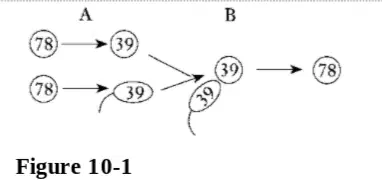
The numbers in Figure 10-1 represent the chromosome number found in each of the dog cells shown. The processes that are occurring at A and B are ____.
a)
mitosis and fertilization
b)
mitosis and pollination
c)
meiosis and fertilization
d)
meiosis and pollination
115.
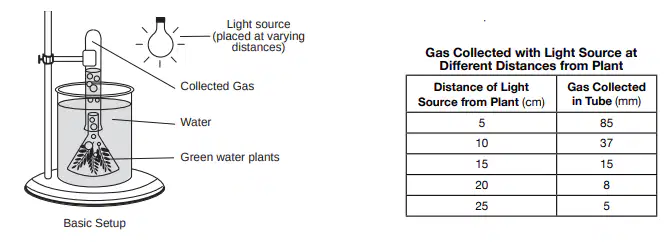
The laboratory setup represented below was used to investigate the effect of light on aquatic plants. Equal amounts of a green water plant were placed in beakers with gas-collecting tubes. The beakers were placed in a temperature-controlled environment. The light source was placed at different distances from the beakers. After an hour, the amount of gas collected from the plants in each tube was measured and recorded in the data table. What is the optimal distance from the light source to the plant for maximum photosynthesis?
a)
8cm
b)
15cm
c)
85cm
d)
5cm
116.
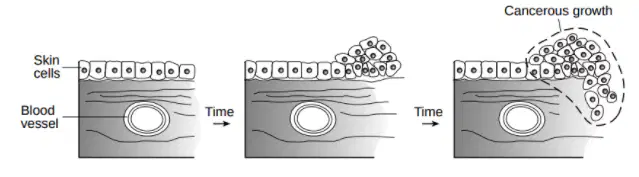
The diagram below represents the formation of a cancerous growth. Which statement best explains the events represented in this diagram?
a)
A gene mutation caused the cells to become muscle cells.
b)
The growth resulted from the introduction of a vaccine.
c)
A gene mutation caused abnormal mitotic cell division.
d)
The growth resulted from uncontrolled meiotic cell division.
117.
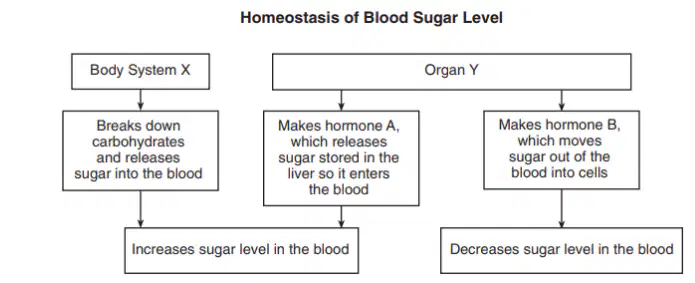
The diagram represents the roles of different parts of the human body in keeping blood sugar at a balanced, normal level over time. Read through the whole diagram carefully and then select the best response. When body system X releases too much sugar into the blood, the body can maintain homeostasis by making ______
a)
more hormone A, only
b)
more hormone A and more hormone B
c)
more hormone B, only
d)
no hormone A and no hormone B
118.
Mrs. Jamison pulls her hand away from the hot stove. Which characteristic of life best applies to this example?
a)
Adaptation over time
b)
Homeostasis
c)
Response
d)
Growth
119.
Fire meets many of the characteristics of life. Why is fire not alive?
a)
Fire does not grow.
b)
Fire does not use Oxygen.
c)
Fire does not require energy.
d)
Fire does not have cells.
120.
How does pH connect with homeostasis within the human body?
a)
Your body needs to maintain a specific pH to break down protein in the digestive system.
b)
You body needs to maintain a specific pH to prevent harmful bacteria from thriving.
c)
Your body needs to maintain a specific pH to keep your blood at a balanced level.
d)
All of the above.
121.
Which one is NOT part of the cell theory?
a)
All organisms are composed of one or more cells.
b)
All organisms have DNA stored in a nucleus.
c)
The cell is the basic unit of structure and organization in organisms.
d)
All cells come from preexisting cells.
122.
Which type of cells can carry out photosynthesis?
a)
Animal cells
b)
All eukaryotic cells
c)
Fungi cells
d)
Plant cells, protists (like Euglena), and some bacteria
123.
A section of a chromosome that codes for a trait is called a
a)
gene
b)
nitrogen base
c)
nucleotide
d)
codon
124.
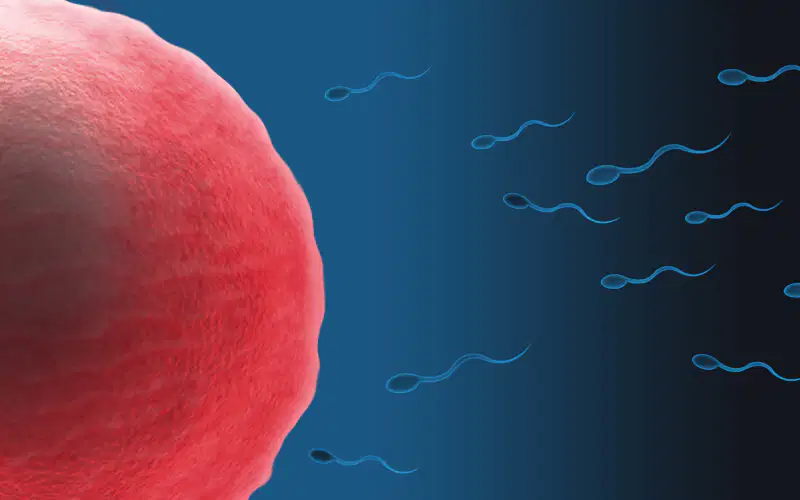
How are the reproductive cells in the picture below different from other body cells?
a)
They have double the amount of chromosomes.
b)
They have half the amount of chromosomes.
c)
They have no chromosomes.
d)
They have triple the amount of chromosomes.
125.
Henrietta is black haired, green eyed, short, a competitive soccer player, and codes computer programs. Which of her traits are acquired?
a)
Eye color and hair color
b)
Height and computer skills
c)
Sports ability and computer skills
d)
All of the traits are acquired traits
126.
Question Image

Match the following biological terms with their definitions.

a)

Cell

1.

The basic unit of all forms of life

b)

Nucleus

2.

The control center of a cell

c)

Prokaryote

3.

A unicellular organism without a nucleus

d)

Eukaryote

4.

An organism whose cells contain a nucleus

127.

(Select ALL that apply)

Plant and animal cells both have

a)

a cell membrane

b)

cytoplasm

c)

a nucleus

d)

a cell wall

128.
What structure in the cell contains most of the cells genetic information? 
a)
A. rough Endoplasmic Reticulum 
b)
B. mitochondria 
c)
C. nucleus 
d)
D. cytoplasm 
129.
Question Image

Match the organelle to its description.

a)

Proteins are made on these small structures.

1.

Ribosomes

b)

Controls all activity in the cell (the brain) and stores DNA

2.

Nucleus

c)

The fluid that fills the cell and

keeps the organelles in place

3.

Cytoplasm

d)

Power plant of the cell. They

create energy called ATP.

4.

Mitochondrian

e)

Outer lining the cells.

Controls what goes

in and out.

5.

Cell Membrane

130.

Which type of cell?

a)

Prokaryote

b)

Eukaryote

131.

What structure in the cell converts glucose to ATP energy? 

a)
A. rough Endoplasmic Reticulum 
b)
B. mitochondria 
c)
C. nucleus 
d)
D. cytoplasm 
132.
Which form of transport is being shown in the diagram.
a)
diffusion
b)
osmosis
c)
facilitated diffusion
d)
active transport
133.
Cells use energy to move materials across a membrane (low to high concentration).
a)
Active transport
b)
Passive transport
c)
Diffusion
d)
Osmosis
134.

When a cell forms a vesicle around unwanted particles and expels it OUT of the cell.

a)

Pinocytosis

b)

Endocytosis

c)

Receptor-mediated

d)

Exocytosis

135.
Facilitated diffusion is the movement of materials into and out of the cell
a)
with the use of energy
b)
with the use of proteins but no energy
c)
by moving water
d)
by using ATP
136.
The  movement of water from a high concentration to a low concentration is called
a)
diffusion
b)
osmosis
c)
facilitated diffusion
d)
active transport
137.
Semi-permeable mean to allow
a)
all materials across the membrane
b)
only some materials across the membrane
c)
no material to cross the membrane
d)
to allow only water across the membrane
138.

In passive transport, .............

a)

energy is required

b)

energy is not required

139.

In active transport, .............

a)

energy is required

b)

energy is not required

140.
Which is true about active transport?
a)
It requires energy
b)
it does not require energy
c)
It moves substances down the concentration gradient
d)
it moves material from high to low concentration
141.
This cell organelle helps organisms maintain homeostasis by controlling what substances may enter or leave cells.
a)
vacuole
b)
nucleus
c)
cell membrane
d)
cell wall
142.

Diffusion is the movement of

a)

particles from low to high concentration

b)

particles from high to low concentration

c)

water from low to high concentrations

d)

water from high to low concentrations

143.

The movement of molecules from an area of high concentration to low concentration without using energy

a)

Facilitated Diffusion

b)

Active Transport

c)

Exocytosis

d)

Passive Transport

144.

Which diagrams show active transport. (More than 1 correct answer)

a)

A

b)

B

c)

C

d)

D

145.

In which images do the arrows correctly show the direction of diffusion?

a)

A

b)

B

c)

C

d)

D