
Font size
 Worksheets
Biology Ch 22 & 23 (Review)
Total questions: 142
Worksheet time: 2hrs 47mins
The mode of nutrition in which organisms depend on other for food is
Autotrophic nutrition
Heterotrophic nutrition
Both
None
During digestion the carbohydrates breaks down to
Fats and fatty acids
Glucose
Aminoacids
All
During digestion the proteins breaks down to
Fats and fatty acids
Glucose
Aminoacids
All
Cell fragments present in blood are called
Erythrocytes
Leucocytes
Thrombocytes
Malakites
Which blood group is considered a Universal Recipient
A
B
AB
O
The RBCs (choose 2 answers)
Bring back CO2 from the tissues
Prevent body from infections
Participate in clotting of blood
Carry O2 to the tissues
Lymph flows
in one direction only, from heart to tissues.
in one direction only, from tissues to heart.
in both directions, between heart and tissues.
Which of the following are the raw materials needed for the photosynthesis process?
Carbondioxide
Water
Glucose
Both a and b
Which of the following is the correct sequence of nutrition process?
Mouth- stomach-oesophagus-small intestine- large intestine
Mouth- oesophagus- stomach- small intestine- large intestine
Mouth- small intestine- large intestine- stomach- oesophagus
Mouth- oesophagus- stomach- large intestine- small intestine
Which of the following are factors needed for the photosynthesis process?
Carbondioxide
Water
Sunlight and chlorophyll
All
Complete digestion of food happens in
Stomach
Small intestine
Large intestine
None
The autotrophic mode of nutrition requires:
Carbon dioxide and water
Chlorophyll
Sunlight
All of the above
Which of the following is an example of autotroph?
Grass
Mushroom
Amoeba
Paramoecium
which of the following is a parasite?
Yeast
Amoeba
Leech
Earthworm
Which of the following substances enter a plant tissue through stomata?
Water
Nitrate
Iron
Carbon Dioxide
Just after photosynthesis, carbohydrate is converted into which of the following?
Sucrose
Starch
Fructose
Glucose
Entry of which substance in the guard cells open the stomata?
Carbohydrate
Carbon Dioxide
Starch
Water
Name the pores through which leaves exchange gases.
stomata
root hair
holes
leaf veins
Which of the following statements is/are correct?
(i) All green plants can prepare their own food.
(ii) Most animals are autotrophs.
(iii) Carbon dioxide is not required for photosynthesis.
(iv) Oxygen is liberated during photosynthesis.
Choose the correct answer from the options below:
( i) and (iv)
(ii) only
(ii) and (iii)
(i) and (ii)
Ultimate source of energy for all living organisms is
Plants
Atmosphere
Earth
Sun
Foods synthesized in the process of Photosynthesis by plants is stored as
Starch
Vitamins
Protein
Fats
Which of the following component of food contains Nitrogen
Protein
Fat
Minerals
Carbohydrate
Organisms which produce their own food are called
Heterotrophs
Saprotrophs
Autotrophs
Parasites
Which useful energy transfer or conversion happens overall in photosynthesis?
Chemical → light
Light → heat
Light → chemical
Chemical → heat
What is assimilation?
The movement of nutrients into the cells
The movement of nutrients into the blood
The breaking down of large molecules into smaller molecules
The movement of food down the alimentary canal
What protects Stomata and helps it in opening and closing?
Guard Cells
Leaf
Stem
Carbon Dioxide
Fungi like Mushrooms are heterotrophs but what is the scientific term for it in Science?
Decomposers
Autotrophs
Saprotrophs
Carnivores
Which bacteria is there in the roots of the plants to convert atmospheric nitrogen to its solid form?
Coronovirus
Nipha Virus
Treponama
Rhizobium
Kind of nutrition in which the organisms feed on dead and decaying organic matter is ____________
Holozoic
saprophytic
parasitic
autotrophic
The blood vessels that carry blood back to the heart is ___________
artery
vein
capillary
platelets
Nitrogenous waste are formed by the breakdown of _______
ammonia
fat
aminoacids
carbohydrates
The largest artery in the human body is _________________
pulmonary artery
venacava
capillaries
aorta
In the process of respiration __________________________
ADP is converted into ATP
Glucose is converted into carbondioxide
glucose is converted into carbondioxide and water which releases energy
pyruvic acid is converted into ATP
2. In which of the following groups of organisms, food material is broken down outside the body and absorbed?
a) Mushroom, green plants, Amoeba
(b) Yeast, mushroom, bread mould
(c) Paramecium, Amoeba, Cuscuta
(d) Cuscuta, lice, tapeworm
Which of the following is a parasite
Fungus
Cuscuta
Mushroom
Bacteria
What pigment helps to absorb sunlight
Melanin
Chloroplast
Chlorophyll
All
The continuous contractions and relaxations of the digestive organs is called
peristalsis
photosynthesis
expansion
constriction
Which nutrient is our body's main source of energy?
Carbohydrates
Fats
Water
Minerals
A diet lacking in ___________ leads to the development of a disease known as scurvy.
Vitamin A
Vitamin B
Vitamin C
Vitamin D
What is the name of the deficiency disease a person might get if they do not have enough iron in their diet?
Anemia
Scurvy
Rickets
Beri-Beri

Used by the body to repair cells and to grow. Eggs, cheese, beans, meats, and fish are good sources of this.
fats
protein
minerals
vitamins

Body's main source of energy. Whole grain breads, rice, pasta, and many fruits and vegetables are good sources of this.`
protein
minerals
carbohydrates
fats
What are examples of water-soluble vitamins? (Choose 2)
Vitamin K
Vitamin C
Vitamin D
Vitamin B
What are examples of fat-soluble vitamins?
Vitamin A
Vitamin D
Vitamin E
Vitamin K

A great source of vitamin ....... is sunlight.
A
B1
C
D
Who helps clot the bleeds?
a. vitamin A
b. vitamin C
c.vitamin E
d.vitamin K
You might end up with very weak bones without sufficient quantities of this Vitamin
a. vitamin B
b. vitamin C
c. vitamin D
d. vitamin K
Which of the following vitamins play a very key role in eyesight including night vision and color recognition?
a. vitamin A
b. vitamin B
c. vitamin K
d. all of the above

A lack of Vitamin A leads to
rickets.
anaemia.
night-blindness.
A lack of vitamin C leads to
swollen stomach.
bleeding gums.
weak bones.
What kind of disease do you get from a lack of calcium?
kwashiorkor.
rickets.
scurvy.
If Zoie is constantly constipated which nutrient would you recommend to her intake more of?
Vitamins
Fiber
Protein
Minerals
Fiber can be found in animal products.
True
False
Zoie also suffered from goiter. Which mineral is she lacking?
Phosphorus
Zinc
Iodine
Potassium
Which Part Of Alimentary Canal Receives Bile From The Liver?
Stomach
Oesophagus
Large intestine
Small intestine
Choose The Function Of The Pancreatic Juice From The Following
Trypsin digests proteins and lipase carbohydrates
Trypsin digests emulsified fats and lipase proteins
Trypsin and lipase digest fats
Trypsin digests proteins and lipase emulsified fats
The color of blood plasma is:
Red
Yellowish green
Pink
Pale yellow
The digestive juice without enzymes
Bile
Gastric
Pancreatic juice
Saliva
The finger like projections which increase the surface area in small intestine are called
Villi
Pancreas
Mucus
Oesophagus

Identify the disease and name the deficiency that causes it?
Kwashiorkar, caused due to deficiency of proteins
Kwashiorkar, caused due to deficiency of proteins and carbohydrates
Marasmus, caused due to deficiency of proteins
Marasmus, caused due to deficiency of proteins and carbohydrates
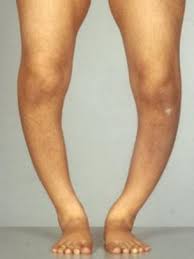
Deficiency of which nutrient leads to this disease?
Vitamin A
Vitamin D
Vitamin C
If you suffer from Anaemia you should eat foods rich in _____.
Vitamin A and C
Calcium and Phosphorus
Iron and Vitamin B12
The dye used in turmeric as an adulterant for coloring is
malachite green
eosine
metanil yellow
turmeric powder
The common adulterant used in black pepper are
urad dal
Papaya seeds
black cumin seeds
dirt

Apical meristems can be found in
The leaves
The tips of the shoots and roots
The xylem cells
The epidermal cells

Phloem in the plants performs the function of
conduction of food
conduction of water
providing support
photosynthesis

Select the correct term for the following definition:
"The water transport system in plants."
Villi
Bronchi
Bolus
Xylem
The instrument used to measure blood pressure is called
Electrocardiogram
Thermometer
Heart Lung Machine
Sphygmomanometer
Pulse rate is the same as the rate of heartbeat.
True
False
Respiratory pigment in human body is
Chlorophyll
Water
Hemoglobin
Anthocyanin
Lactic acid fermentation occurs in your muscles after a workout because your cells are struggling to get
Glucose
Sunlight
Oxygen
water
This is a tube about 12 cm long with C shaped rings of cartilage
Nasal cavity
Trachea
Oral cavity
Pharynx
Cluster of tiny air sacs that allows exchange of Oxygen and Carbon dioxide
Larynx
Pharynx
Alveoli
Bronchioles
Muscular structure that helps to expand and contract the lungs forcing air in and out
Alveoli
Nasal cavity
diaphragm
Pharynx
This is a tube like passage used for food, liquid and air
Larynx
Trachea
Pharynx
Lungs
Alveoli increase the surface area in the lungs to allow
More nutrients to be absorbed
to breathe slowly
To breathe faster
More Oxygen and Carbon dioxide to exchange
The part of human respiratory system which moisten the air and has hair to trap the dust particle
Nasal cavity
Larynx
Glottis
Bronchi
Given the following structures:
1. Alveoli
2. Bronchi
3. Bronchioles
Which of the following is a correct order in which air would flow after inhalation
1,2,3
2,3,1
2,1,3
3,2,1
Which of the following is not a characteristic of human lungs
Both right and left lungs are composed of three lobes
Bronchi divide to form bronchioles
Capillary supply is abundant to facilitate gas exchange with the blood
The alveoli are tiny air sacs arranged in clusters
The movement of oxygen from the alveoli to the blood and from the blood to the tissues is due to the process of
Osmosis
Phagocytosis
Cytokinesis
Diffusion
Left lung has two lobes and right long has three lobes because to accommodate
Liver
Stomach
Pancreas
Heart
The outer covering of human lungs is called
Pleural membrane
Pericardium
Cilia
Epithelial tissue
When air is blown from mouth into a test tube containing lime water the lime water turns milky due to the presence of
Carbon dioxide
Oxygen
Nitrogen
Water vapour
Rate of breathing in aquatic organism is much faster than Terrestrial organism due to
Amount of oxygen in air is less than Water
Amount of oxygen in water is less than air
As they don't have lungs
As they are very small
During inhalation the diaphragm moves
Downward
Upward
Right
Left
Excretion, in unicellular plants and animals, takes place through _________.
Diffusion
Osmosis


Bowman's capsule
capillaries surrounding the tubule
Glomerulus
kidney
Patients whose kidneys fail depend on _________ to remove the waste materials collecting in their blood.
Peristalsis
Pedicure
Dialysis
MRI

What are the filtering units of the kidneys?
nephrons
ureters
nuerons
alveloi
What type of muscle allows you voluntary control over urination?
skeletal muscle
smooth muscle sphincters
cardiac muscle
ligaments
What is the main function of the nervous system?
to inhale oxygen and exhale carbon dioxide
to break down food consumed by a person for nutrients
to control the body's activities by relaying messages
to control the body's movements
What are the three parts of the nervous system?
brain, spinal cord, nerves
brain, lungs, spinal cord
heart, brain, nerves
brain, nerves, neurons
What are the three parts of the nervous system?
brain, spinal cord, nerves
brain, lungs, spinal cord
heart, brain, nerves
brain, nerves, neurons
Axons are part of a neuron that send electrical signals ________ the cell body
to
away from
in between
The space between an axon of a neuron that is communicating with a dendrite of another neuron is called a ________________.
Neuron
Brain message
Stimulus
Synapse

The cerebellum is labeled as #...
1
2
3

#1 is pointing to the...
cerebrum
cerebellum
medulla
Which part of the brain controls involuntary movements such as digestion and your heartbeat?
cerebrum
cerebellum
medulla/spinal cord
Which part of the brain controls senses, thinking, and memory?
cerebrum
cerebellum
medulla
Which part of the brain controls balance and coordination?
cerebrum
cerebellum
medulla
The speed of neural conduction between neurons will result in difficulties in speaking, vision, and balance if the ________________ insulating the axons is damaged or removed.
Axon
Myelin Sheath
Nucleus
Brain

Which organ is represented by letter B?
Brain
Spinal Cord
Nerves
afferent/sensory neurons
efferent/motor neurons

Myelin would be which color of structure?
the red one
the blue one
the green one
the purple one
__________ carry messages between sensory neurons and motor neurons.
Active Neurons
Interneurons
Refraction Neurons
Flower Neurons
Which part of the peripheral nervous system deals with involuntary activities?
somatic
autonomic
What is the arrangement of Grey and White matter in brain?
outer grey and inner white matter
Outer white matter and inner grey matter
What is the arrangement of Grey and White matter in Spinal cord?
Outer white matter & Inner grey matter
Outer grey matter & Inner white matter
Layers that make up the meninges are Dura, (a) and Pia mater
The endocrine system is made up of glands that release hormones into the blood.
True
False
What is the function of the endocrine system?
to filter and eliminate the waste from the blood
to secrete hormones into the bloodstream to regulate body activities
to provide structure and support for the body
to defend the body against pathogens
Insulin is produced by
the liver
the pancreas
the kidneys
Which one here reduces the amount of glucose in the blood?
Glucagon
Insulin
Glycogen
ADH
A hormone is
a chemical substance produced by a gland and carried by the lymph.
an enzyme produced by a gland and carried by the blood.
a chemical substance produced by an organ and carried by the blood.
a chemical substance produced by a gland and carried by the blood.
There are ______ main hormone-producing glands in the body.
7
16
10
8
What does your thyroid gland do?
regulates metabolism/calorie burning for energy
secretes insulin
secretes bile
Your reproductive system is part of the endocrine system
True
False
Maybe
Hormones from this gland control other endocrine glands
Pituitary
Thymus
Hypothalamus
Pancreas
Which two (2) hormones produced by the ovary contribute to the healthy
function of the Female Reproductive system?
Testosterone and progesterone
D. Estrogen and androgen
Androgen and testosterone
Progesterone and estrogen
Which of the following best describes the role of testosterone in the Male
Reproductive system?
Stimulates sperm production
Stimulates secretion of luteinizing hormone
Testosterone stimulates secondary sex characteristics
Increases the production of Follicle Stimulating Hormone
A lack of protein and carbohydrates causes ________________?
Obesity
Night-blindness
Anaemia
Marasmus
Goitre causes ________________?
a developmental disability
legs to be badly formed
a swelling of the neck

