
 Worksheets
Fall Semester Review [Part 1]: Units 1 & 2
Total questions: 139
Worksheet time: 5hrs 38mins
Which behavior is usually concerned with finding and eating food?
nurturing
courting
foraging
migration
Competitive behaviors include
agonistic behavior
dominance hierarchies
territorial behavior
all of the above
Which of the following is NOT TRUE about Pheromones?
Pheromones are a type of communication
Pheromones can travel great distances
Pheromones are species specific
Pheromones are related to finding mates or warning others about predators.
Which ones of the following may be considered a negative aspect of migration
Migration allows animals to find food sources
Migration may take large amounts of energy
Migration puts animals at risk of being attacked by predators
Migration allows animals to find favorable breeding grounds
Which one of the following is not true about circadian rhythms?
They can be repeated daily, monthly or yearly
The cycles are influenced by environmental factors like changes in temperature or availability of food and water
Our sleep/awake pattern is a circadian rhythm
Circadian rhythms do not occur in humans
When an animal performs an action that benefits another closely related animals at a cost to itself is called
migration
courtship behavior
altruistic behavior
dominance hierarchy
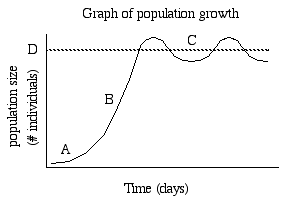

Which curve best describes an organism that invests a lot of energy in parenting?
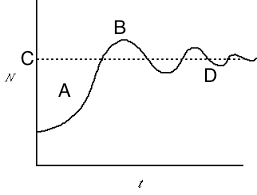
If the population maintains the current growth pattern, a plot of its growth would resemble which of the following?
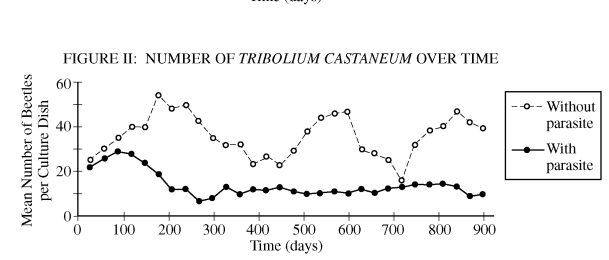

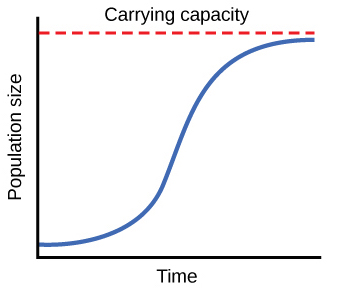


Which curve best describes an organism that invests a lot of energy in parenting?

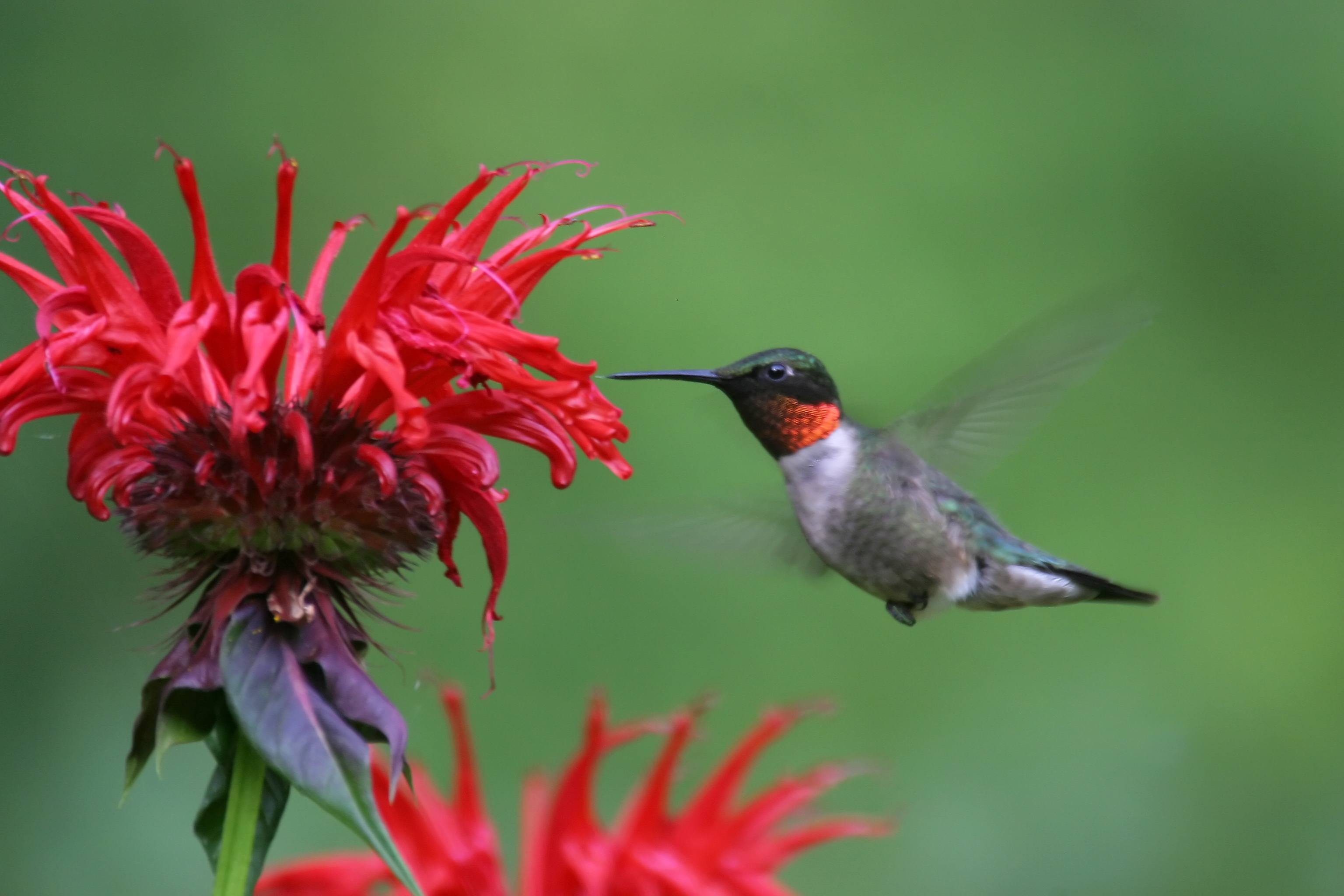
Type of symbiosis: Hummingbirds feed on nectar from flowers. The flowers are pollinated by hummingbirds as they move from flower to flower.
commensalism
mutualism
parasitism
predation
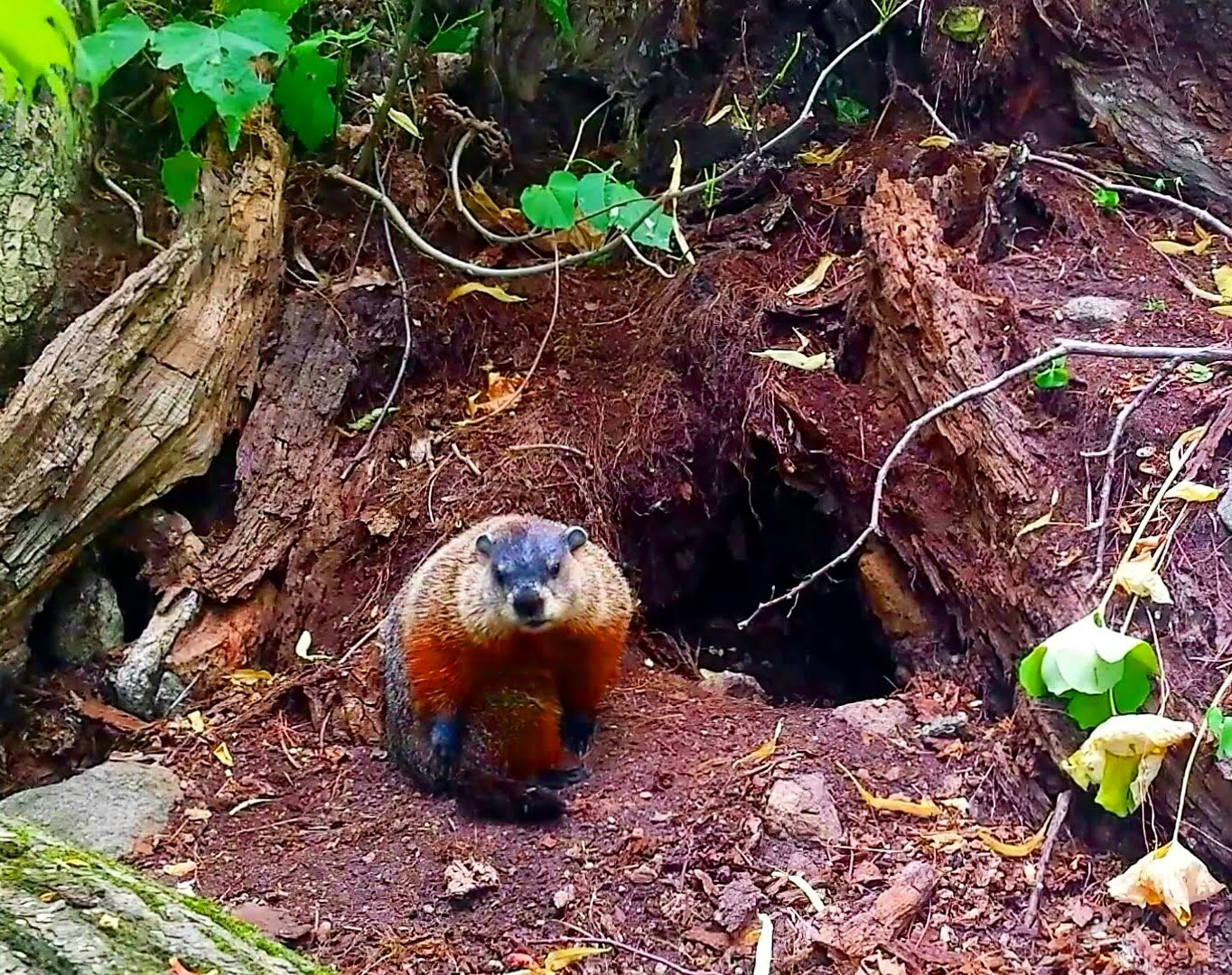
Type of symbiosis: Skunks often live in burrows that have been dug and abandoned by woodchucks.
commensalism
mutualism
parasitism
predation
Bird & Tree: A bird builds a nest in a hole in the trunk of the tree. It is protected from the rain and predators. The tree is not harmed or helped by the bird.
Mutualism
Commensalism
Parasitism
Competition

What level of ecological organization would include all squirrels that live in the same area?
biome
community
ecosystem
population
A symbiotic relationship in which one organism is harmed and another benefits is
mutualism
parasitism.
commensalism.
predation.


How does carbon dioxide [CO2] leave the atmosphere?
Through transpiration
Through photosynthesis
Through factory emission
Sunlight


What is difference between saturated and unsaturated hydrocarbon?
saturated has double bonds, unsaturated does not
saturated has no double bonds, unsaturated does
there is no difference, they are the same
saturated has oxygen, unsaturated does not

Which functional group is NOT present?
Amino
Carboxyl
Hydroxl
Sulfhydryl

Act as organic acids
carboxyl
carbonyl
methyl
sulfhydryl
act as organic bases
carboxyl
carbonyl
phosphate
amino
act as organic bases
carboxyl
carbonyl
phosphate
amino

Which functional group is shown?
carboxyl
phosphate
carbonyl
sulfhydryl
What is a functional group?
Group of atoms that give specific characteristics to a molecule
Group of molecules that give specific characteristics to an atom
Group of molecules that make up a group of atoms
Group of atoms that give specific characteristics to an element
Which functional group can store or transfer energy?
Carbonyl
carboxyl
methyl
phosphate

Functional group?
alcohol
carbonyl
methyl
carboxylic acid

Functional group?
ester
aldehyde
ketone
carboxylic acid

Functional group?
acid chloride
amide
amine
carboxylic acid

What functional group is this?
Carbonyl Ketone
Carbonyl Aldehyde
Hydroxyl
Carboxyl

What functional group is this?
Hydroxyl
Carbonyl Aldehyde
Methyl
Amino
This group stabilizes the tertiary structure of proteins by forming covalent bonds
sulfhydryl
amino
phosphate
hydroxyl
All of these elements are found in every organic compound, except:
Hydrogen
Nitrogen
Carbon
Oxygen
Every amino acid has these two functional groups attached to the central carbon (select both answers)
Methyl
Amino
Carboxylic Acid
Carbonyl
The active site of an enzyme can:
bind allosteric regulators.
bind competitive inhibitors.
bind non-competitive inhibitors.
change the Gibbs Free Energy of the reaction.
Which of the following do not affect enzymes ability to function?
pH
substrate concentration
temperature
water
In general, enzymes do NOT:
bind permanently to their substrates
have names ending in -ase
have their function changed with extremely high temperatures
react with a specific substrate
The break down of larger molecules into small one.
metabolism
catabolism
anabolism
oxidation
sum of all chemical reactions
chemosynthesis
cellular respiration
metabolism
photosynthesis

What is being represented by the letter B in the image?
Substrate
Enzyme
reactants
Product

Which of the following best summarizes the relationship between dehydration reactions and hydrolysis?
Hydrolysis only occurs in the urinary system, and dehydration reactions only occur in the digestive tract.
Hydrolysis creates monomers, and dehydration reactions break down polymers.
Dehydration reactions can occur only after hydrolysis.
Dehydration reactions assemble polymers, and hydrolysis breaks down polymers.
Disulfide bonds are formed during which of the following structures of protein formation?
Primary
Secondary
Tertiary
Quaternary
If an enzyme denatures the only level of structure that remains is the...
Primary
Secondary
Tertiary
Quaternary
What 3 letters do enzymes typically end in?
-ese
-ose
-ase
-tic
What affects Enzyme activity?
Nothing
Temperature, Environment, Diet
Temperature, Inhibitors, pH, Activators
Catalyst and Substrate


Which of the following statements is (are) true about enzyme-catalyzed reactions?
The reaction is faster than the same reaction in the absence of the enzyme.
The free energy change of the reaction is opposite from the reaction in the absence of the enzyme.
The reaction always goes in the direction toward chemical equilibrium
Enzyme-catalyzed are always exergonic/catabolic
An allosteric inhibitor does which of the following?
Binds to an enzyme away from the active site and changes the conformation of the active site, increasing its affinity for substrate binding
Binds to the active site and blocks it from binding substrate
Binds to an enzyme away from the active site and changes the conformation of the active site, decreasing its affinity for the substrate
Binds directly to the active site and mimics the substrate


