
 Worksheets
Unit 9 Evolution Study Questions
Total questions: 139
Worksheet time: 2hrs 38mins

What is the concept of evolution as depicted in the image?
Change over time
Sudden transformation
Static existence
Instant creation
Who is the historical figure associated with the theory of evolution shown in the image?
Charles Darwin
Isaac Newton
Albert Einstein
Galileo Galilei
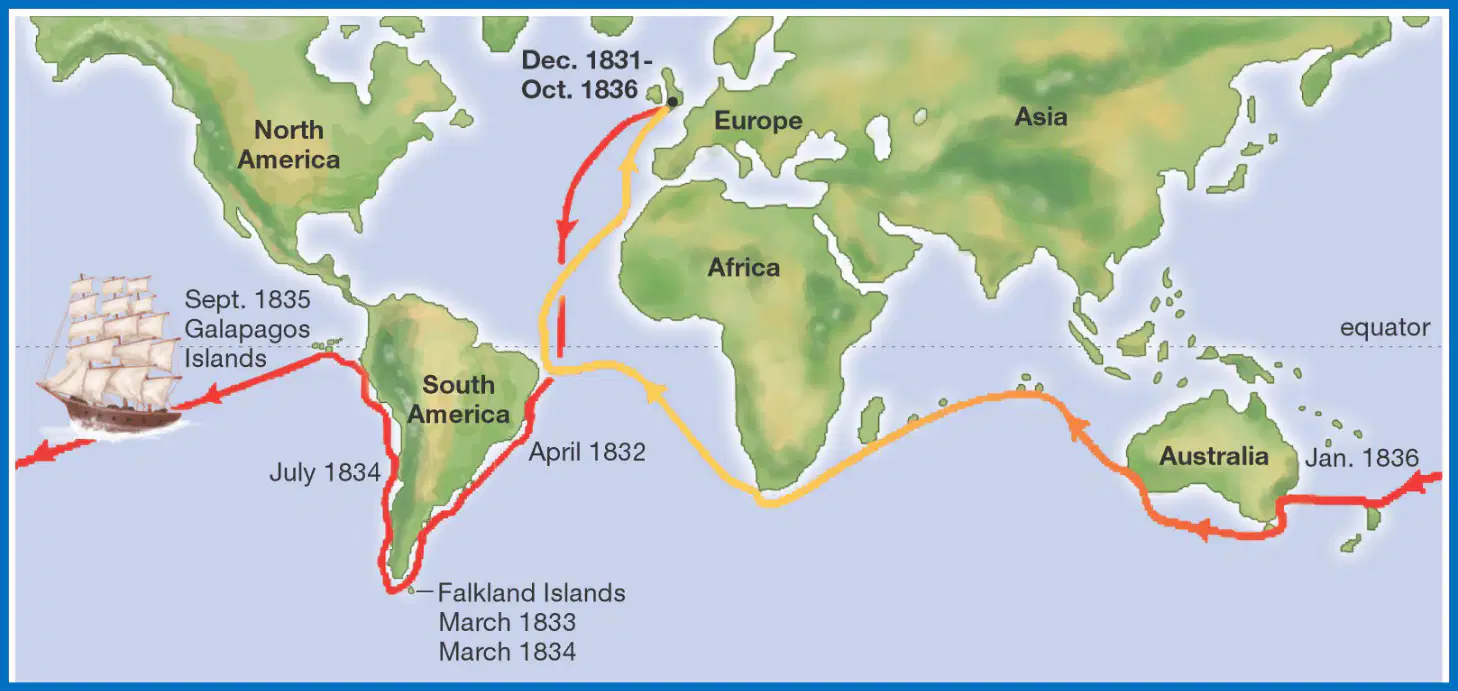
Which islands did Darwin visit in September 1835 during his voyage?
Falkland Islands
Galapagos Islands
Hawaiian Islands
Canary Islands
Which characteristic is unique to the Galapagos Islands?
They have very different climates.
They are known for their tropical rainforests.
They are famous for their sandy beaches.
They have a single climate zone.
How are the animals on The Galapagos Islands unique?
They are identical to mainland species.
They are unique because they are the same on every island.
Island species varied from mainland species and from island-to-island species.
They are unique because they do not vary at all.
What is Evolution?
A sudden change in an individual's characteristics
An inheritable change in the characteristics of a population from one generation to the next
A temporary change in an organism's behavior
A change in the environment affecting a species
How long does Evolution take?
A few days
A few weeks
Over long periods of time
Instantly
What does Darwin's theory suggest about the reproduction of organisms in nature?
All offspring survive and reproduce.
Organisms produce fewer offspring than can survive.
Many offspring do not survive or reproduce.
Only the strongest organisms reproduce.
What is one reason more organisms are produced than can survive, according to Darwin's theory?
Because resources are unlimited.
Because members of each species must compete for a limited amount of resources and some will not survive.
Because all organisms have the same advantages.
Because organisms do not need to compete for survival.
According to Darwin's theory, why does a struggle for existence occur among organisms?
Because all organisms are identical
Because there is a limited amount of resources
Because there is no competition for resources
Because organisms do not adapt to their environment
What is the main idea of Darwin's theory of evolution?
Individuals who are best suited to their environment survive and reproduce more successfully, passing their traits to offspring.
All individuals survive equally regardless of their traits.
Individuals with less beneficial traits reproduce more successfully.
Survival and reproduction are not influenced by environmental suitability.
According to Darwin's theory, what is the long-term effect of beneficial traits in a species?
Beneficial traits cause species to remain unchanged over time.
Beneficial traits cause species to change over time, potentially leading to new species.
Beneficial traits have no impact on species change.
Beneficial traits cause species to become extinct.
According to Darwin's theory, how have species alive today descended?
With modifications from species that lived in the past.
Without any changes from species that lived in the past.
By spontaneous generation.
Through artificial selection.
What does Darwin's theory suggest about the relationship between all organisms on Earth?
They are united into a single tree of life by common descent.
They are completely independent with no common ancestry.
They are grouped into multiple trees of life with separate origins.
They evolved from a single organism without any branching.
What does Evolution explain?
The process of how species become extinct
How inheritable traits change in frequency within a population over time
The creation of new species from scratch
The random occurrence of natural disasters
What are the 3 ways traits can be described?
Physical, Chemical, and Emotional Traits
Physical, Molecular, and Behavioral Traits
Genetic, Environmental, and Social Traits
Structural, Functional, and Adaptive Traits
How long has Evolution been occurring?
Since the beginning of time
For the last century
Since the last ice age
Only in the last few decades
What are the definitions of Microevolution and Macroevolution?
Microevolution involves small changes over time, while Macroevolution involves big changes over time
Microevolution involves big changes over time, while Macroevolution involves small changes over time
Microevolution involves changes in individual organisms, while Macroevolution involves changes in ecosystems
Microevolution involves changes in ecosystems, while Macroevolution involves changes in individual organisms
What are the four circumstances needed for evolution according to the image?
Increase in species number, genetic variation, resource competition, and survival of the fittest.
Decrease in species number, genetic uniformity, resource abundance, and survival of the weakest.
Increase in species number, genetic uniformity, resource abundance, and survival of the fittest.
Decrease in species number, genetic variation, resource competition, and survival of the weakest.

What is stabilizing selection?
It favors extreme phenotypes over intermediate ones.
It favors intermediate phenotypes over extreme ones.
It increases variation and changes the current average.
It eliminates all phenotypic variations.

How does a graph of Stabilizing Selection look?
A bell curve with a narrower peak after selection
A flat line indicating no change
A curve with two peaks indicating disruptive selection
A curve with a single peak indicating directional selection
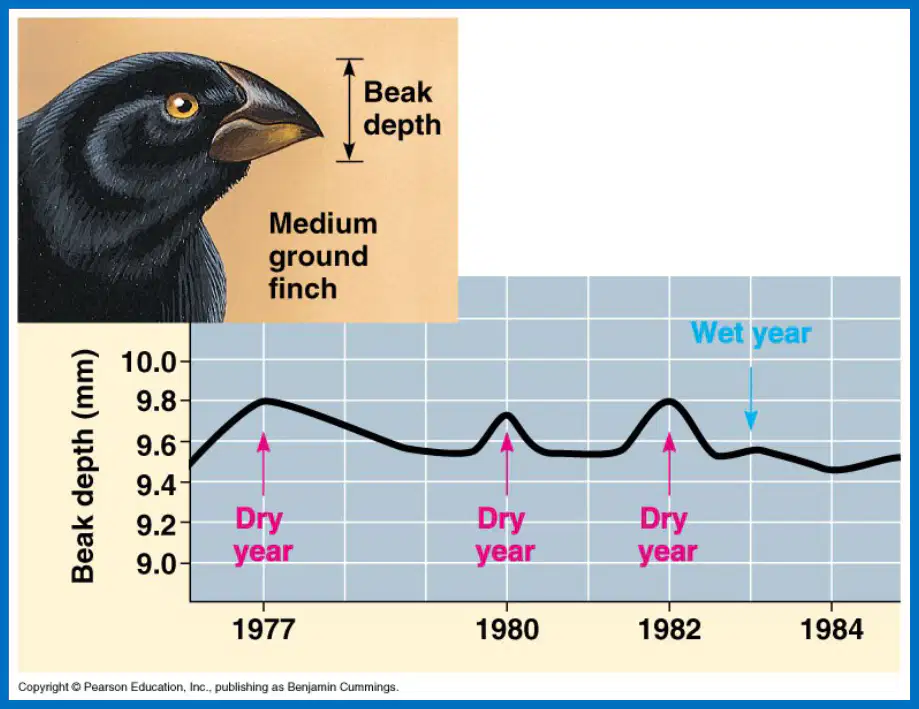
What does directional selection favor?
Individuals at one end of the phenotypic range
Individuals with average phenotypic traits
Individuals at both ends of the phenotypic range
Individuals with no phenotypic variation
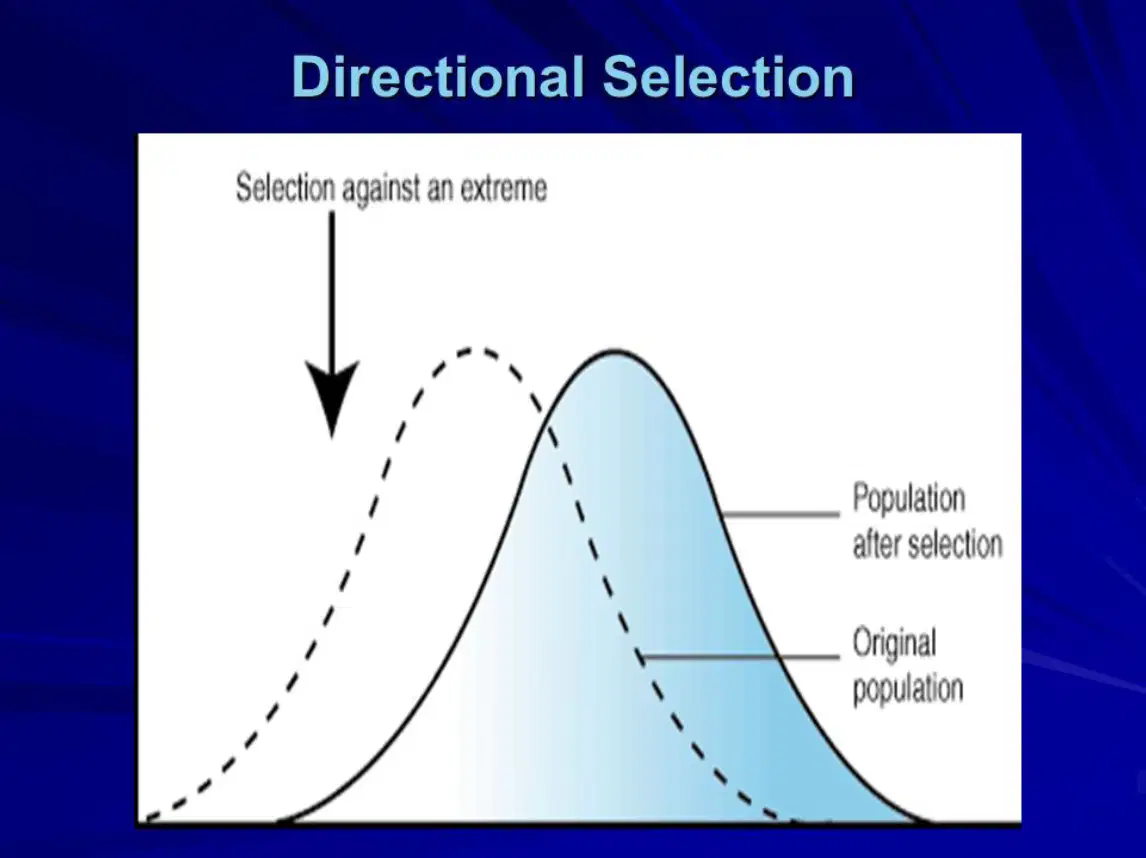
How does a graph of Directional Selection look?
The graph shows a shift in population distribution towards one extreme.
The graph shows a shift in population distribution towards both extremes.
The graph shows no change in population distribution.
The graph shows a shift in population distribution towards the center.
What does disruptive selection favor in a population?
Intermediate phenotypes over extreme phenotypes
Extreme phenotypes over intermediate phenotypes
Equal favoring of intermediate and extreme phenotypes
No change in phenotype favoring
How does a graph of Disruptive Selection look?
A single peak in the middle
Two peaks with a dip in the middle
A flat line
A single peak at one end
What type of selection is represented by a bell curve that narrows over time, indicating a reduction in variation?
Stabilizing selection
Disruptive selection
Directional selection
Random selection
Which type of selection is characterized by a bell curve that splits into two peaks, indicating an increase in variation?
Stabilizing selection
Disruptive selection
Directional selection
Balancing selection
In which type of selection does the bell curve shift in one direction, indicating a change in the average trait value?
Stabilizing selection
Disruptive selection
Directional selection
Balancing selection
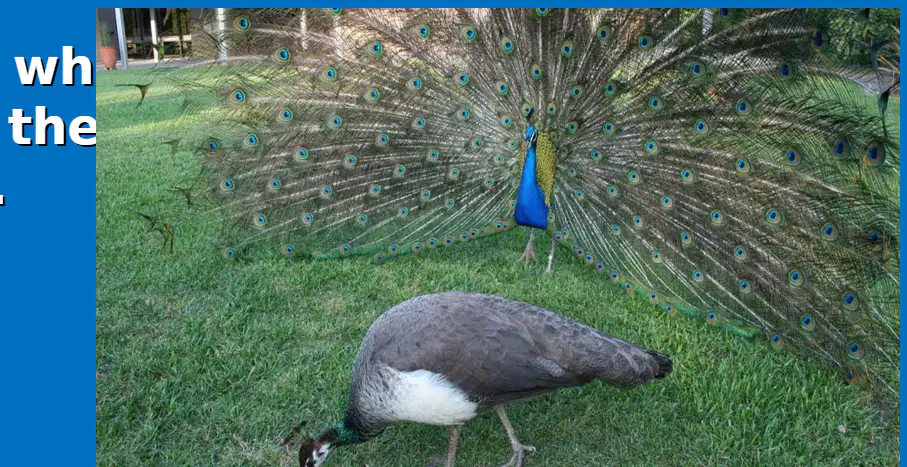
What is sexual selection?
A type of natural selection where traits change based on the ability to attract a mate.
A process where organisms select their habitat based on environmental conditions.
A method of selection where only the strongest individuals survive.
A type of selection that occurs randomly without any specific criteria.
In which type of populations does sexual selection usually occur?
Populations with no visible differences between males and females.
Populations where there is a significant difference in the appearance of males and females.
Populations that are isolated and have no interaction with other species.
Populations that are declining in number.
Which of the following is an example of sexual selection?
Camouflage in chameleons.
The long neck of a giraffe.
Male peacock tails.
The speed of a cheetah.
What type of evidence includes DNA and amino acids in the study of evolution?
Molecular
Anatomical
Fossil
Biogeographical
Which of the following is an example of anatomical evidence for evolution?
Homologous structures
DNA sequences
Biogeographical distribution
Amino acid chains
What is the significance of vestigial structures in the study of evolution?
They provide evidence of common ancestry.
They show the current function of organs.
They are used to determine the age of fossils.
They indicate the geographical distribution of species.
Which tool can be used to interpret relatedness among species?
Phylogenetic tree
Fossil record
DNA sequencing
Geological map
Which of the following is a central idea of evolution according to Darwin?
Life has a history
Life is static and unchanging
Different species have unique ancestors
Life has no history
What does the concept of "life has changed over time" imply in the context of evolution?
Life remains the same throughout history
Life evolves and adapts over time
Life is created anew every day
Life is unaffected by environmental changes
Which statement best describes the idea that different species share common ancestors?
All species are completely unrelated
Species have evolved independently without any common ancestry
Different species have evolved from shared ancestors
Each species has a unique origin with no relation to others
What types of evidence support the theory of evolution today?
Physical features, protein structure, DNA & RNA sequences
Only fossil records
Only DNA sequences
Only physical features
What are the 5 lines of evidence for evolution?
The Fossil Record, Comparative Anatomy, Comparative Embryology, Comparative Biochemistry, Biogeography
The Fossil Record, Genetic Drift, Natural Selection, Comparative Anatomy, Biogeography
Comparative Anatomy, Genetic Drift, Comparative Embryology, Natural Selection, Biogeography
The Fossil Record, Natural Selection, Comparative Biochemistry, Genetic Drift, Biogeography
How is the fossil record used?
To predict future species evolution
To date and order the divergence of species
To create new species
To eliminate extinct species
What is the purpose of transitional fossils?
To show links in traits between groups of organisms
To create new species
To eliminate extinct species
To predict future species evolution
How old is the Earth according to the fossil record?
Millions of years old
Billions of years old
Thousands of years old
Hundreds of years old
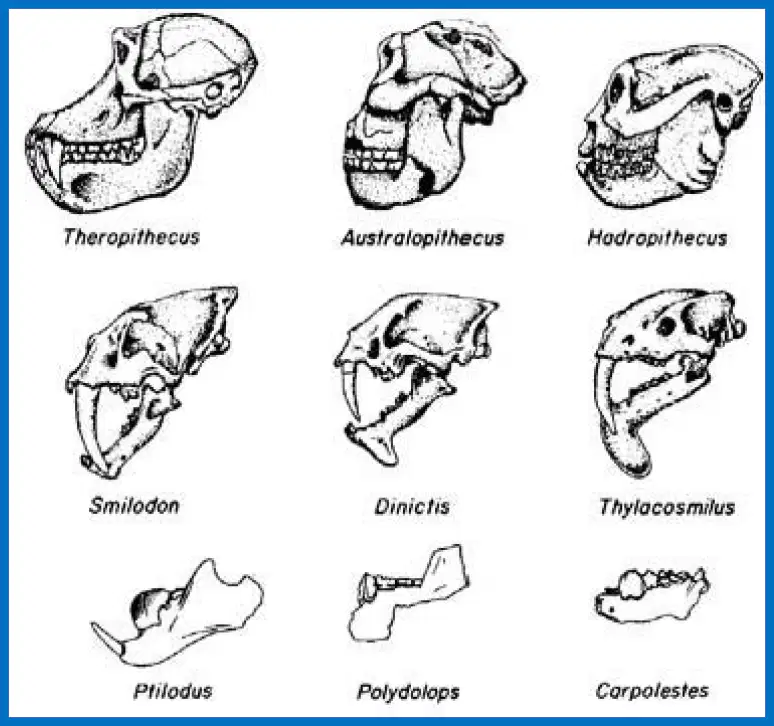
How do paleontologists use the fossil record?
To study the evidence of life forms and environments along timelines
To predict future species evolution
To create new species through genetic engineering
To determine the age of the Earth
What is the difference between derived traits and ancestral traits?
Derived traits are newly evolved features that do not appear in the fossils of common ancestors, while ancestral traits are primitive features that do appear in common ancestors.
Derived traits are primitive features that appear in common ancestors, while ancestral traits are newly evolved features that do not appear in the fossils of common ancestors.
Derived traits are features that appear in the fossils of common ancestors, while ancestral traits are features that do not appear in the fossils of common ancestors.
Derived traits are features that do not appear in common ancestors, while ancestral traits are features that appear in the fossils of common ancestors.
What is the significance of the fossil record in understanding evolution?
It provides evidence of past life forms and their changes over time.
It shows the current biodiversity of life on Earth.
It explains the genetic makeup of living organisms.
It demonstrates the process of photosynthesis in plants.
What can be inferred from the presence of fossils in sedimentary rock strata?
The age of the rock layers and the organisms that lived during that time.
The current climate conditions of the region.
The types of minerals present in the rock.
The genetic diversity of modern species.
What limits the fossil record as evidence of evolution?
The type of material preserved (bone, shell, impressions, amber)
The age of the fossils
The location where fossils are found
The size of the fossils
Which of the following is a limitation of the fossil record?
Fossils are always complete
Fossils are easily disrupted
Fossils are found in every type of rock
Fossils are always perfectly preserved
Why is the fossil record considered incomplete?
All organisms leave behind fossils
Fossils are only found in certain areas
Not all organisms are preserved as fossils
Fossils are always found in perfect condition
What is the primary driving force of evolution?
Genetic drift
Natural selection
Artificial selection
Gene flow
Which of the following is an example of an adaptation resulting from natural selection?
A moth developing camouflage to avoid predators
A bird learning to sing a new song
A fish swimming faster due to practice
A plant growing taller due to more sunlight
How does natural selection lead to biological evolution?
By creating new species instantly
By allowing individuals to choose their traits
By favoring the survival and reproduction of individuals with advantageous traits
By eliminating all genetic variation
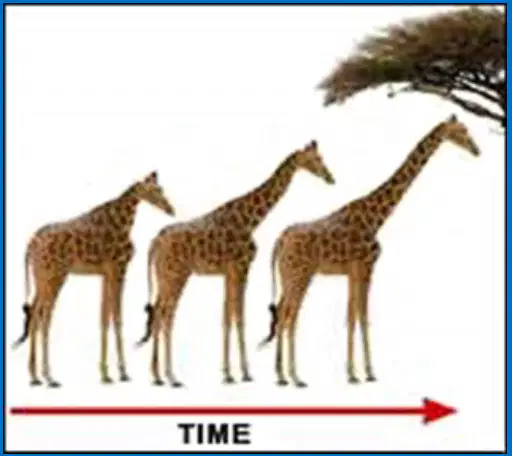
What is the mechanism that Darwin provided for evolution?
Genetic Drift
Natural Selection
Artificial Selection
Mutation
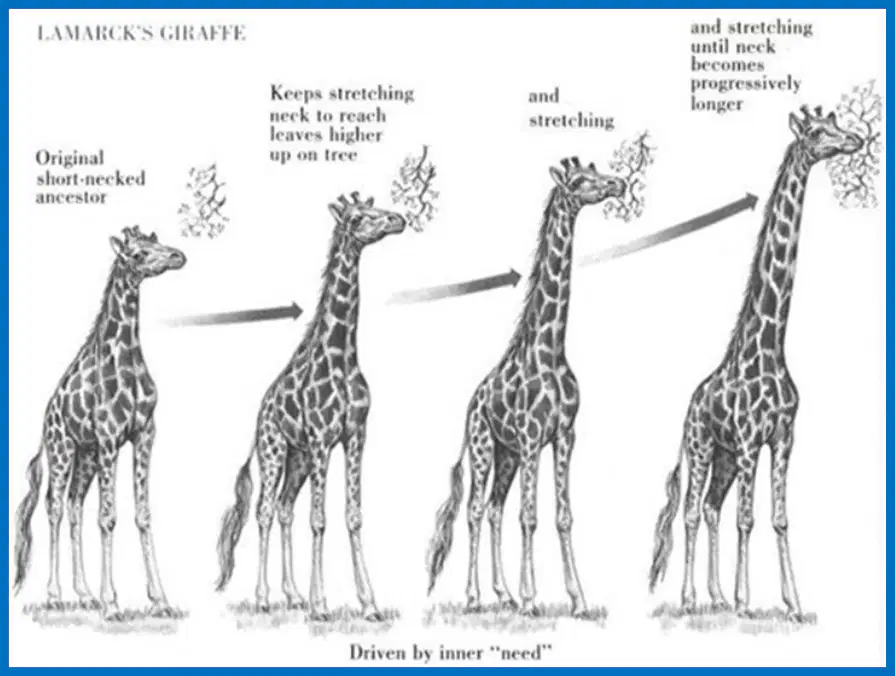
What is the definition of Natural Selection?
The process by which organisms better suited to their environment survive and reproduce more successfully.
The idea that organisms can acquire traits during their lifetime and pass them on to their offspring.
The concept that all species were created in their current form and do not change over time.
The theory that organisms evolve through random mutations without any influence from the environment.
What are the four steps in Darwin's Theory of Natural Selection?
Overproduction of Offspring, Variation within a population, Adaptation through Competition, Selection leading to descent with modification
Mutation, Genetic Drift, Gene Flow, Natural Selection
Overproduction of Offspring, Genetic Drift, Gene Flow, Mutation
Variation within a population, Gene Flow, Mutation, Selection leading to descent with modification
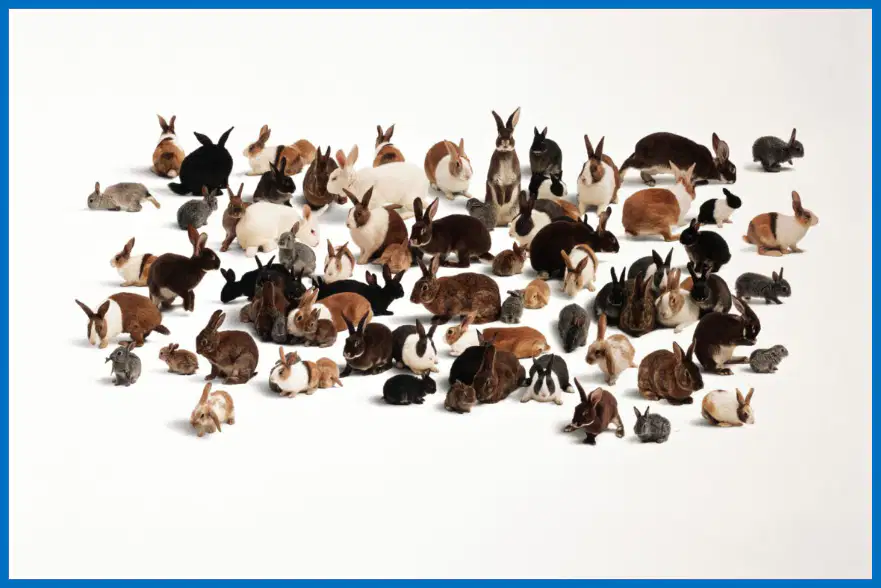
What is the concept of overproduction of offspring?
Organisms have the potential to reproduce and often increase in numbers by producing large numbers of offspring.
Organisms reproduce only when necessary, maintaining a stable population.
Organisms produce offspring only in response to environmental changes.
Organisms have limited potential to reproduce, resulting in small numbers of offspring.
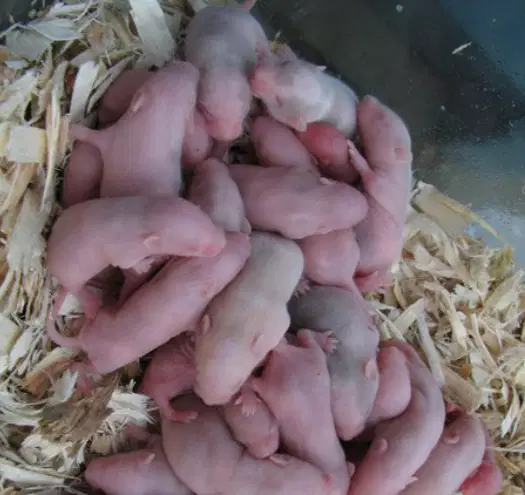
Why do natural populations usually remain constant in size despite high reproduction rates?
Because the environment can support all the offspring produced.
Because the environment cannot support all the offspring produced.
Because offspring do not survive to adulthood.
Because reproduction rates are actually low.
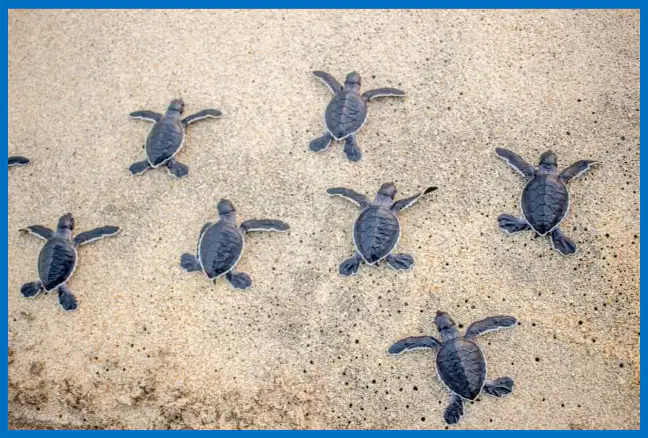
What did Darwin notice about the production of offspring in many species?
Many species produce fewer offspring than can survive.
Many species produce exactly the number of offspring that can survive.
Many species produce more offspring than can possibly survive.
Many species produce offspring only when conditions are perfect.
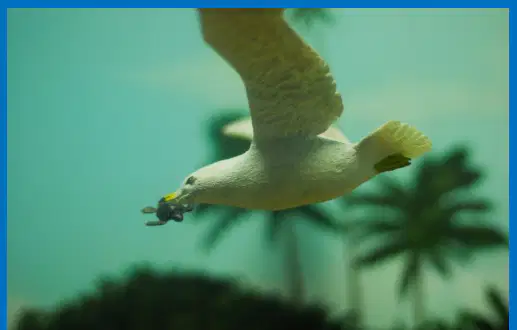
Why do species produce a large number of offspring according to Darwin's observation?
To ensure that all offspring survive to adulthood.
To increase the chance that some will survive to become adults.
To decrease competition among offspring.
To maintain a stable population size.
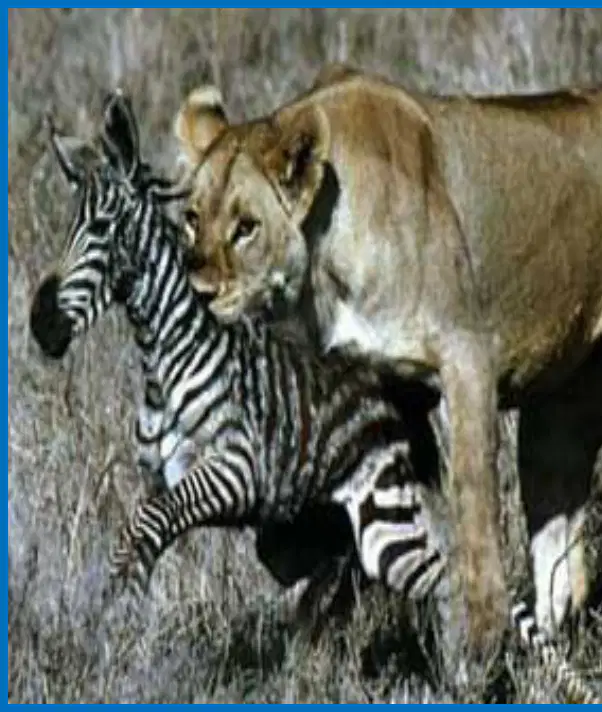
What is the consequence of producing more individuals than can be supported by the environment?
Increased biodiversity
Struggle for existence among individuals
Unlimited resources
Decreased competition
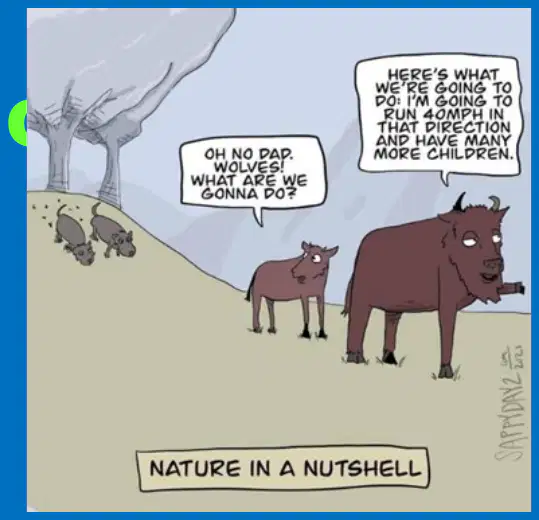
Which phrase best describes the process where only the strongest individuals survive and reproduce?
Survival of the Fittest
Law of the Jungle
Natural Harmony
Evolutionary Balance
What is a population in biological terms?
A group of different species living in the same area
A group of the same species sharing the same space
A collection of various ecosystems
A single organism living in isolation
What is the significance of a common gene pool in a population?
It prevents any genetic changes from occurring
It allows for genetic changes to spread through the population
It ensures that all individuals are genetically identical
It limits the population's ability to adapt to changes
What happens if a genetic change is beneficial in a population?
It will be eliminated from the population
It will remain in a single individual
It will eventually be found in most of the population
It will cause the population to split into different species
What is the primary cause of genetic variation within a species?
Natural selection
Sexual reproduction
Environmental changes
Mutation
Why is genetic variation important for a species?
It ensures all individuals are identical
It increases the chances of survival against environmental changes
It decreases the diversity within a population
It prevents evolution from occurring
What role does genetic variation play in biological evolution?
It is unnecessary for evolution
It hinders the process of evolution
It is essential for evolution to occur
It only affects physical traits, not evolution
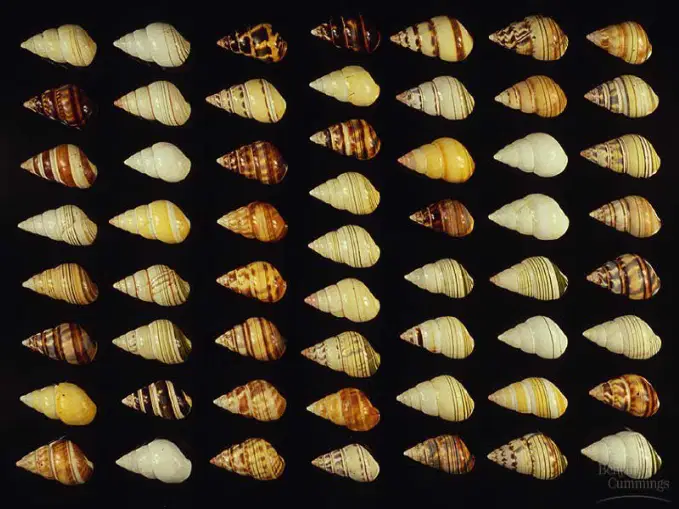
What is a key characteristic of individuals within a population?
All individuals are exactly alike.
Individuals vary extensively in their characteristics.
Individuals have no variation in characteristics.
Variation is not inheritable.
What is true about the variation between individuals in a population?
It is not inheritable.
It is completely random and not inheritable.
Much of it is inheritable.
It is always due to environmental factors.
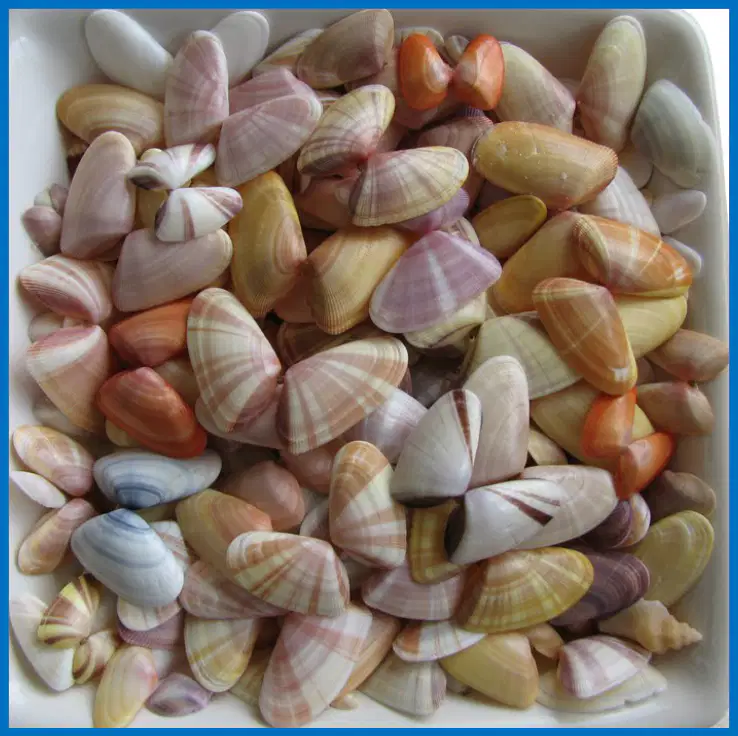
What are variations within a population often seen as?
Different body structures or physical characteristics (phenotypes)
Identical genetic makeup
Uniform behavior patterns
Consistent environmental conditions
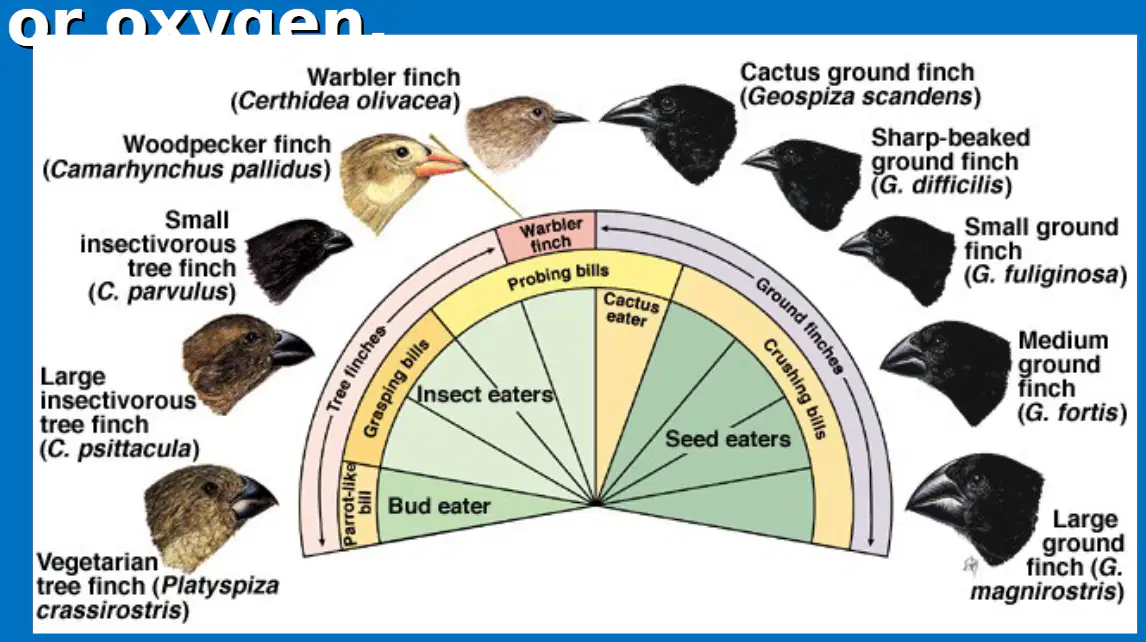
What is the term used to describe an organism's physical characteristics that might give it an advantage in finding or using resources?
Genotype
Phenotype
Ecosystem
Habitat
Which of the following resources might an organism's phenotype help it to find or use more effectively?
Food
Water
Shelter
All of the above
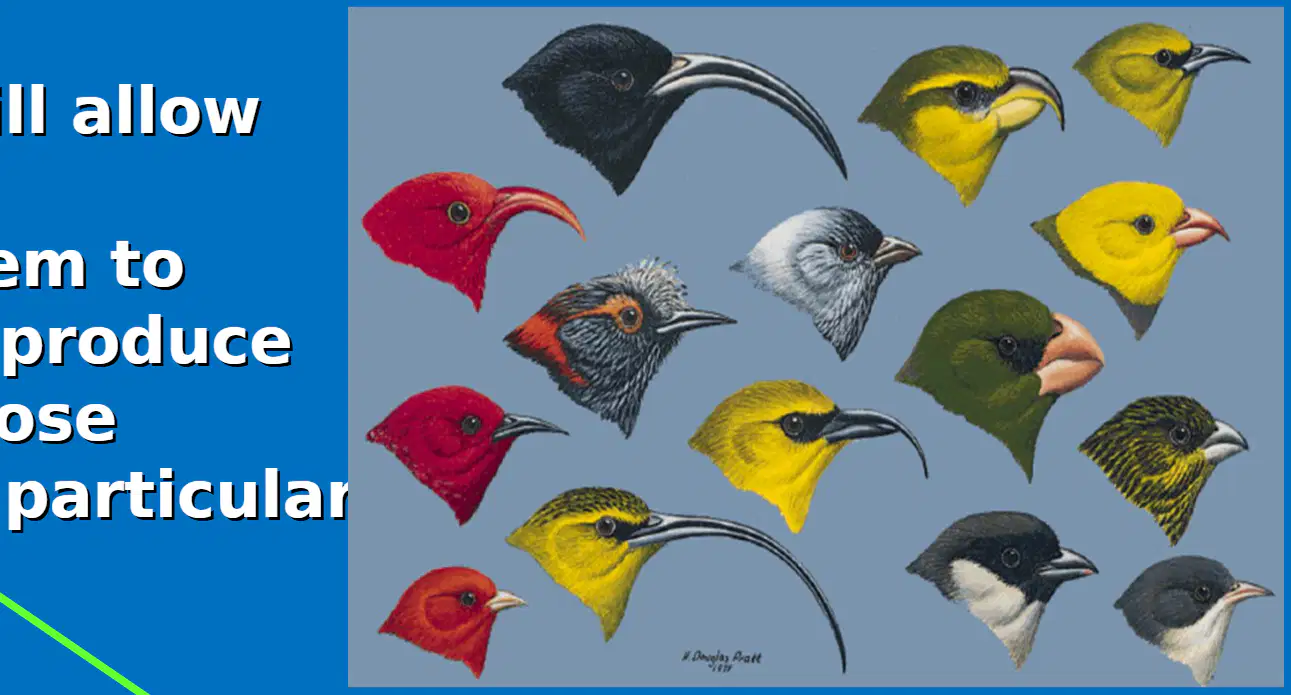
What is the process called where organisms with advantageous traits survive and reproduce better than those without these traits?
Genetic Drift
Natural Selection
Artificial Selection
Mutation
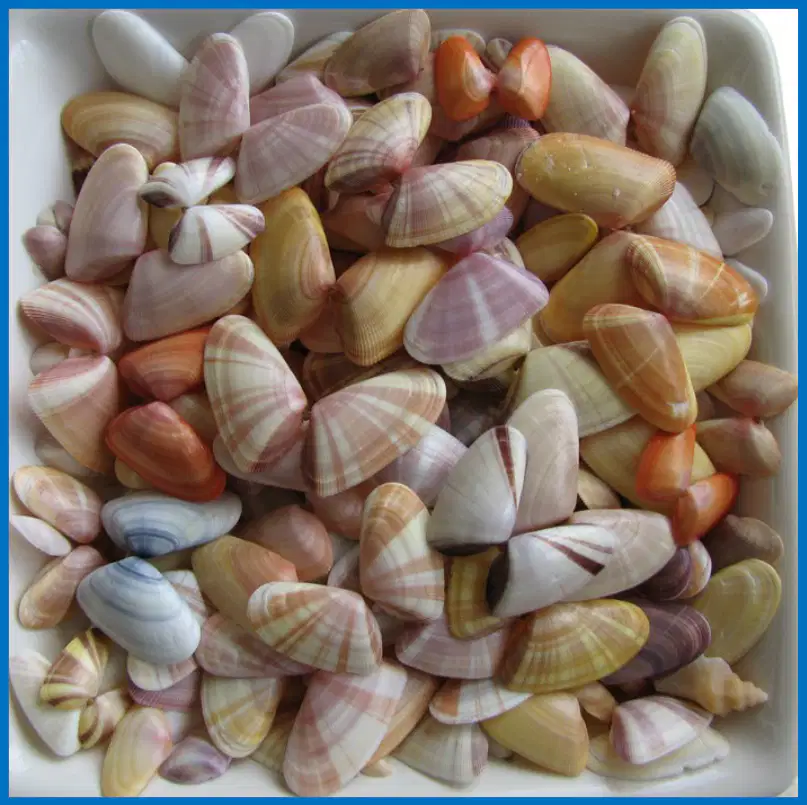
What role do natural variations in phenotype play in evolution?
They cause mutations in the genetic code.
They are acted upon by selective environmental pressures.
They prevent evolution from occurring.
They eliminate the need for natural selection.
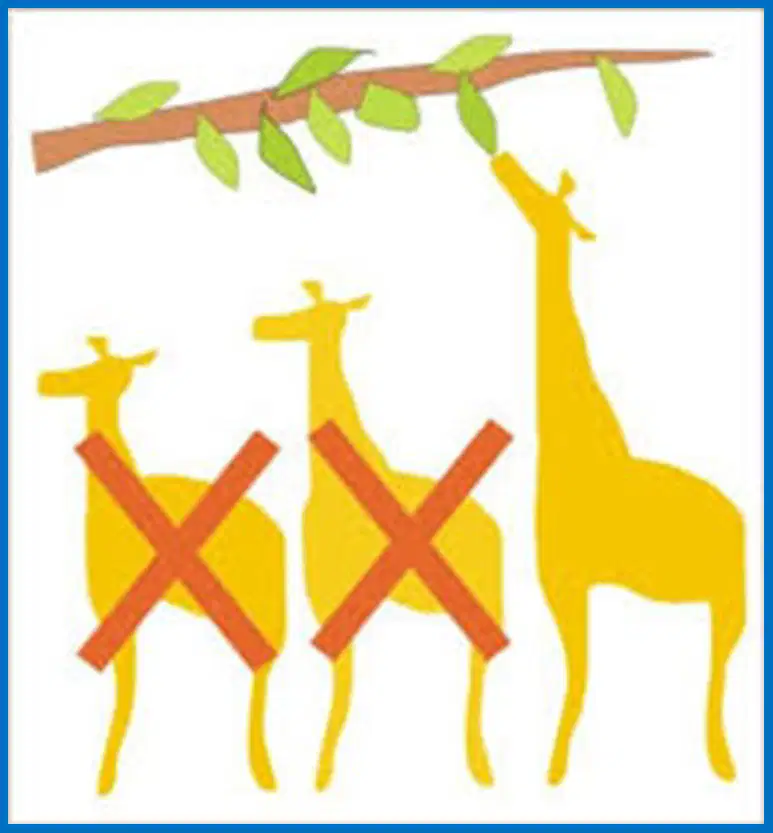
What is likely to happen to organisms without favorable traits within a population?
They are more likely to thrive and increase in numbers.
They are more likely to die out or decrease in numbers.
They will remain unaffected and maintain their numbers.
They will develop new traits immediately.
What can happen to the physical appearance of a population over time due to variation?
It remains constant and unchanged.
It becomes more diverse with no dominant traits.
It can cause an overall change in the physical appearance.
It leads to the extinction of the entire population.
Why is variation important in a species?
It makes the species more vulnerable to diseases.
It ensures that all individuals are the same.
It increases the likelihood of species survival.
It decreases the chances of environmental changes.
What happens if there is no variation within a species?
The species becomes more adaptable to changes.
All individuals are vulnerable to the same environmental changes or diseases.
The species will thrive in any environment.
The species will develop new traits quickly.
How does variation or types of species in a habitat affect survival?
It decreases the chances of any species surviving.
It ensures that only one species will survive.
It increases the likelihood that at least some will survive.
It has no effect on survival.
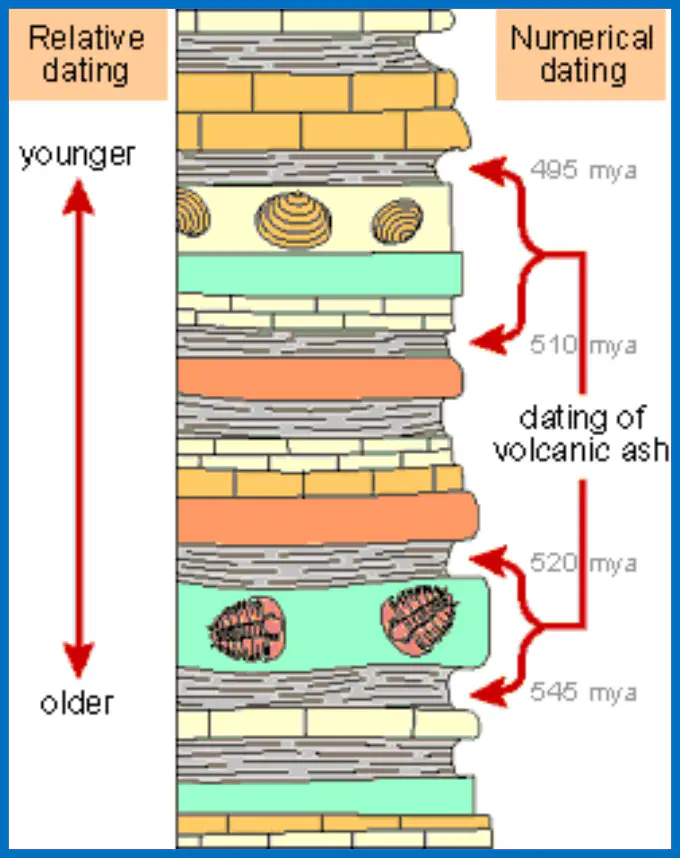
What is the Law of Superposition?
The principle that in any sequence of undisturbed layers of rocks, the oldest layer is at the bottom and the youngest is at the top.
The principle that all layers of rock are the same age.
The principle that the youngest layer of rock is always at the bottom.
The principle that rock layers are formed in a random order.
What kinds of organisms are most likely to leave behind fossils?
Organisms that existed for a short time and were rare
Organisms that existed for a long time, were abundant and widespread, and had hard shells or skeletons
Organisms that lived in isolated areas and had soft bodies
Organisms that were small and lived in deep oceans
How is Comparative Anatomy used as Evidence of Evolution?
By comparing anatomical structures to find similarities or differences
By observing the behavior of species in different environments
By analyzing the genetic code of different species
By studying the fossil record exclusively
What is the difference between divergent and convergent evolution?
Divergent evolution involves organisms developing similarities, while convergent evolution involves differences.
Divergent evolution is when organisms accumulate differences over time, even though they are related, while convergent evolution is when organisms develop similarities, even though they are not related.
Divergent evolution and convergent evolution both involve organisms developing differences over time.
Divergent evolution is when organisms develop similarities, while convergent evolution involves organisms accumulating differences.
Which type of structures are associated with divergent evolution?
Homologous Structures
Analogous Structures
Vestigial Structures
None of the above
What type of evolution is linked with analogous structures?
Divergent Evolution
Convergent Evolution
Parallel Evolution
Adaptive Evolution
Which of the following structures are remnants of organs that had a function in early ancestors?
Homologous Structures
Analogous Structures
Vestigial Structures
Functional Structures
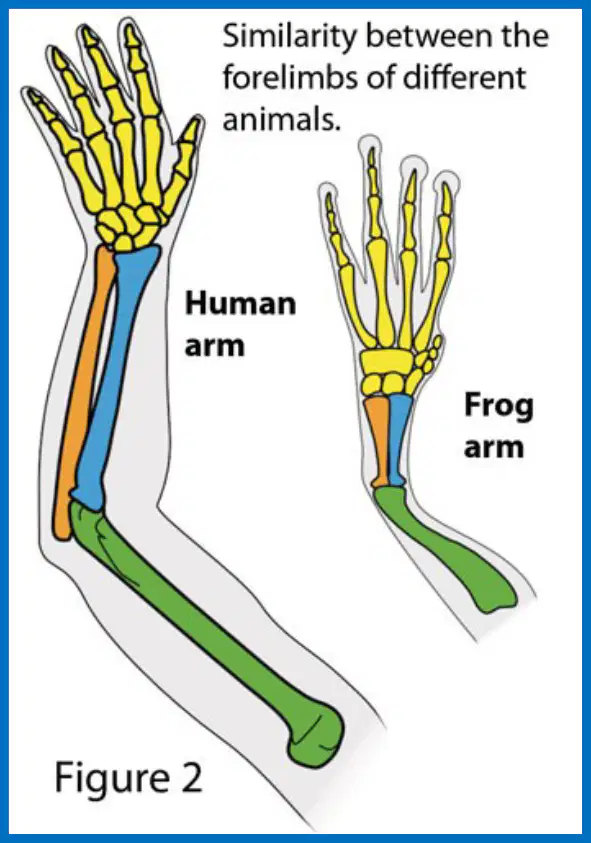
What is a homologous structure?
Structures with similar functions but different ancestries
Structures with different characteristics resulting from different ancestries
Structures with similar characteristics resulting from a common ancestry, but with different functions
Structures with identical characteristics and functions
How does the number of shared homologous structures affect the relationship between two species?
It makes them less related
It has no effect on their relationship
The more shared homologous structures, the more closely related the species are
It only affects their relationship if they have identical functions
Which of the following is an example of limb bones developing in similar patterns?
Fins and tails
Arms and wings
Scales and feathers
Beaks and claws

What are homologous structures?
Structures that have the same function but different structures
Structures that have a common ancestor and similar structure but different functions
Structures that have different ancestors and different structures
Structures that have the same structure and function
What is an analogous structure?
A structure that appears similar and has the same ancestral origin.
A structure that appears similar but has different ancestral origins.
A structure that appears different but has the same ancestral origin.
A structure that appears different and has different ancestral origins.
Why do analogous structures appear similar?
Because they are inherited from a common ancestor.
Because they are formed in different environments with different natural selection pressures.
Because they are formed in similar environments with similar natural selection pressures.
Because they are formed randomly without any environmental influence.
What is meant by analogous body structures?
Structures with a common ancestor and similar function
Structures with no common ancestor but different function
Structures with no common ancestor but same function
Structures with a common ancestor and different function
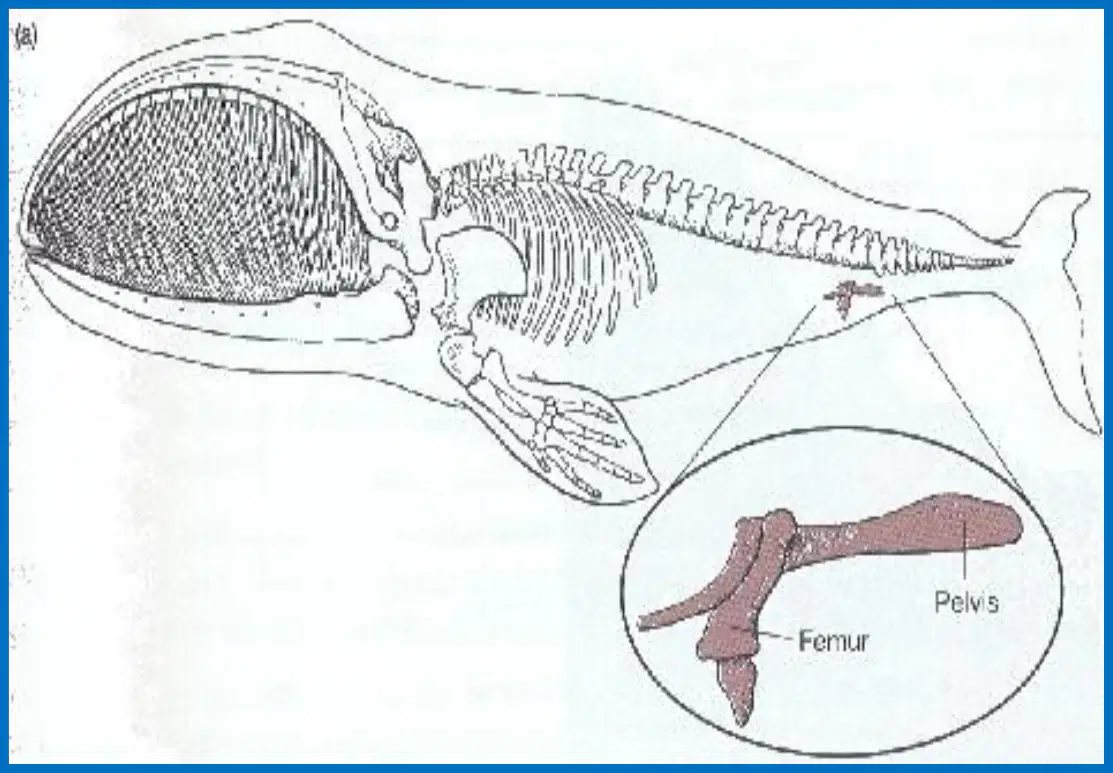
What is a vestigial structure?
A structure with little or no function in the organism, left over from ancestors.
A structure that is essential for the survival of the organism.
A structure that is newly evolved and has a significant function.
A structure that is only found in extinct species.

How does the field of embryology support the theory of evolution?
By comparing the anatomy of embryos of different organisms and using it to create phylogenetic trees.
By studying the behavior of adult organisms in different environments.
By analyzing the fossil records of ancient organisms.
By examining the genetic mutations in adult organisms.
What is an embryo?
A fully developed adult organism.
The early stages of vertebrate development.
A type of fossil found in sedimentary rocks.
A genetic mutation in an organism.
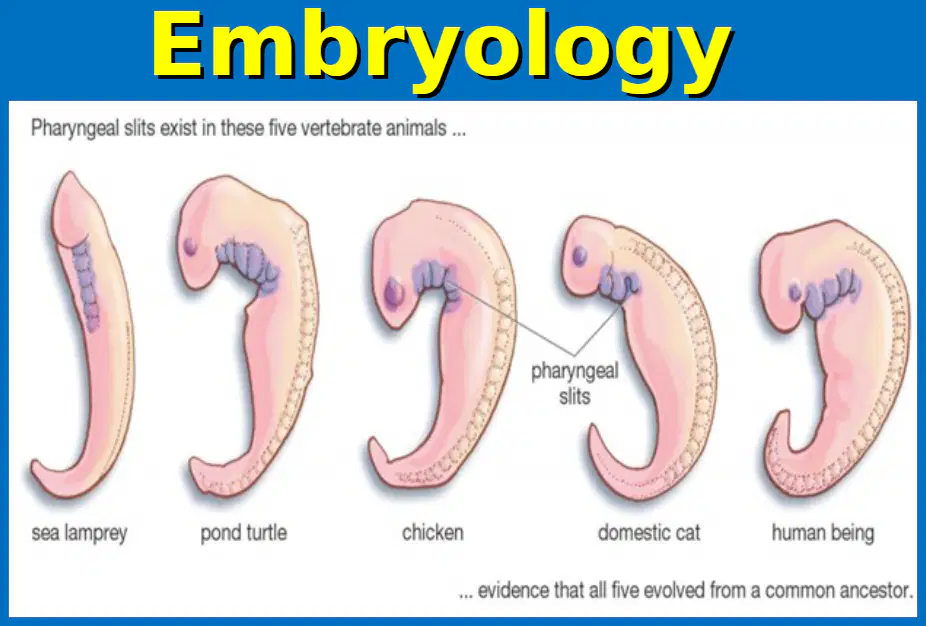
What do similarities between embryos suggest?
That the species evolved from a common ancestor.
That the species have no evolutionary relationship.
That the species are identical in their adult forms.
That the species developed independently without any common traits.
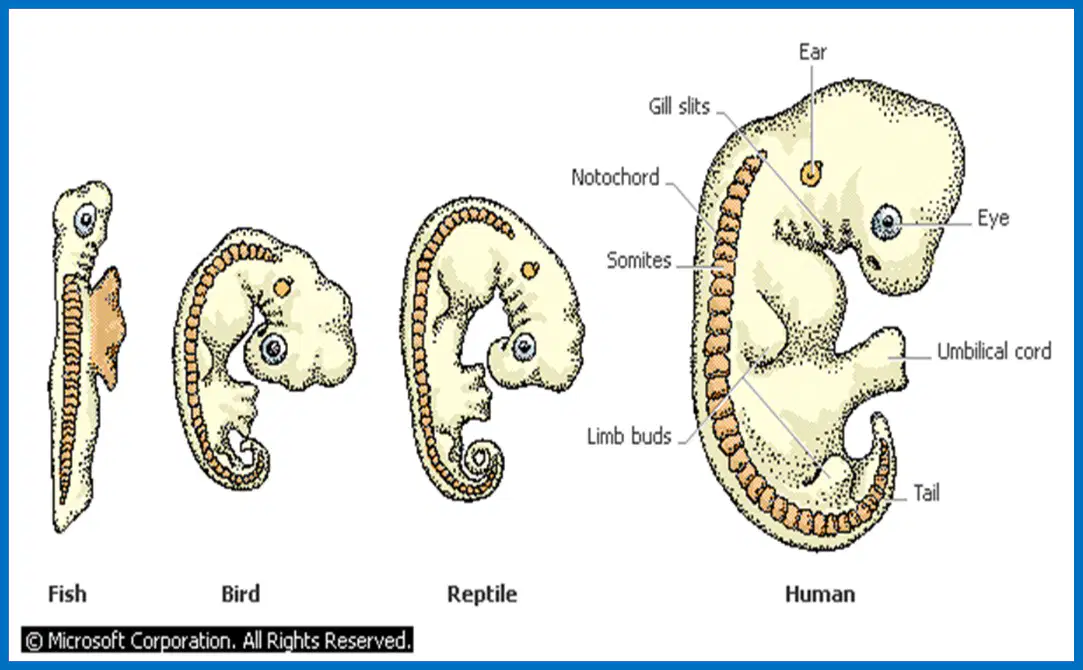
What is the term for structures that have different mature forms but develop from the same embryonic tissues?
Homologous structures
Analogous structures
Vestigial structures
Divergent structures
How does comparative biochemistry serve as evidence for evolution?
It shows that differences in DNA, proteins, and other molecules decrease over time.
It assumes that differences in DNA, proteins, and other molecules increase over time.
It suggests that species with more differences in DNA are more closely related.
It indicates that genetic similarity is not related to common ancestry.
What does a greater overall genetic similarity between species suggest?
The species have a more distant common ancestor.
The species are not related at all.
The species share a more recent common ancestor.
The species have identical evolutionary paths.
What does a high similarity in DNA and amino acid sequences between two species suggest about their evolutionary relationship?
They are more likely to have evolved from a common ancestor.
They are less likely to have evolved from a common ancestor.
They have no evolutionary relationship.
They evolved independently without any common ancestor.
What does the field of biochemistry study that may provide support for evolution?
Genes and proteins
Fossils and bones
Ecosystems and habitats
Climate and weather patterns
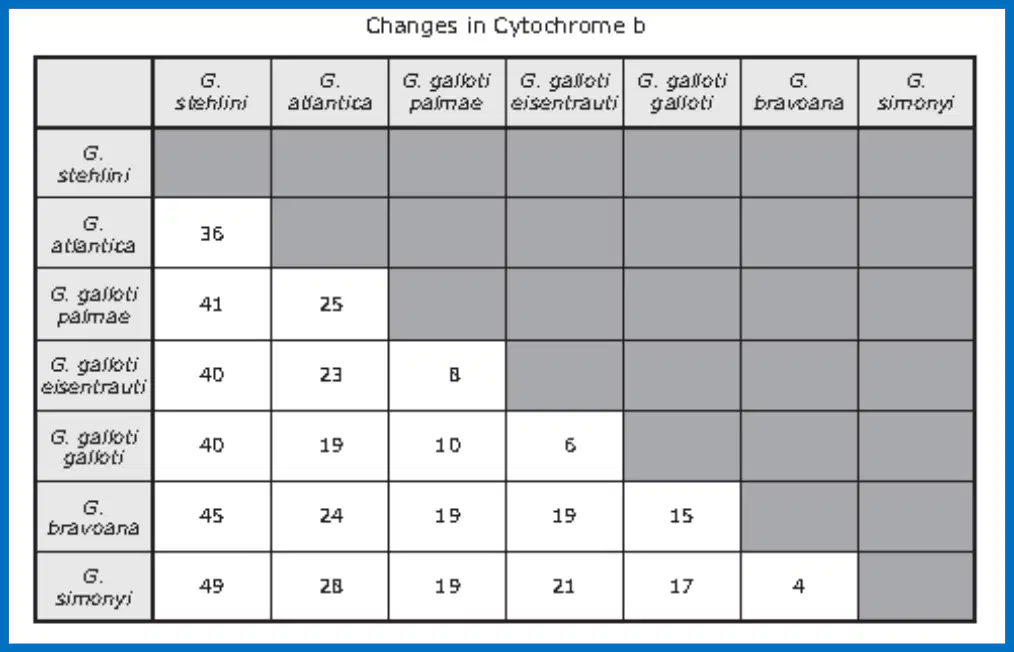
Which conclusion about the relatedness of the lizards does this data support?
G. atlantica and G. stehlini are the least closely related.
G. simonyi and G. bravoana are the most closely related.
G. galloti eisentrauti and G. galloti palmae are the most closely related.
G. galloti galloti and G. galloti eisentrauti are the least closely related.
What is a similarity between molecular convergence and anatomical convergence caused by natural selection?
Both are unaffected by natural selection.
Both occur at the same rate.
Both can be caused by natural selection.
Both are unrelated to evolutionary processes.
What is a potential consequence of failing to adapt to environmental changes?
Increased reproduction rates
Extinction
Development of new habitats
Enhanced genetic diversity
What is speciation?
The process by which new species are created from pre-existing species through biological evolution.
The process of species becoming extinct over time.
The adaptation of species to their environment without forming new species.
The migration of species from one habitat to another.
What is one of the main causes of speciation?
Members of a population become isolated or separated.
Members of a population increase in number.
Members of a population decrease in genetic variation.
Members of a population migrate to the same area.
What happens to genetic variation and natural selection once isolation occurs in a population?
Genetic variation decreases and natural selection weakens.
Genetic variation increases and natural selection strengthens.
Genetic variation remains the same and natural selection has no effect.
Genetic variation decreases and natural selection strengthens.
What is the primary cause of speciation according to the provided material?
Genetic mutation in a single individual
Isolation leading to different traits being favored in two populations
Sudden environmental changes affecting all species equally
Introduction of a new predator
What happens to the gene pools of two populations that are isolated from each other?
They become identical over time
They remain unchanged
They become so different that the populations can no longer reproduce with each other
They merge into a single gene pool
What is the result when two populations can no longer reproduce and create fertile offspring?
They become extinct
They merge into one population
They are considered different species
They continue to interbreed
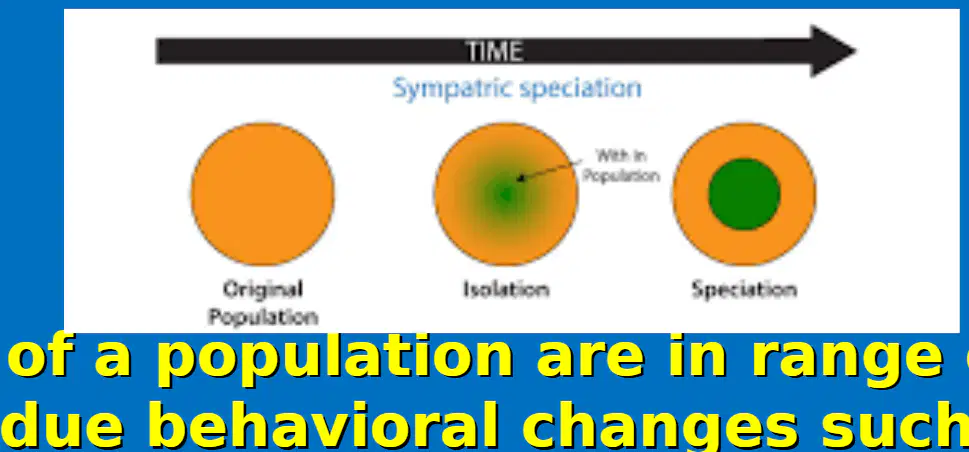
What is sympatric speciation?
Speciation that occurs due to a physical barrier
Speciation that occurs without a physical barrier
Speciation that occurs due to geographical separation
Speciation that occurs due to genetic mutation only
Which of the following is a cause of sympatric speciation?
Physical separation of populations
Different food sources or mating times
Natural disasters
Climate change
What is artificial speciation?
The natural evolution of species over time without human intervention.
The process of creating new species through lab experimentation or selective breeding.
The extinction of species due to natural disasters.
The migration of species from one continent to another.
What is a phylogenetic tree?
A scientific diagram that biologists use to represent the evolutionary history of a species.
A chart that shows the food chain of an ecosystem.
A map that displays the geographical distribution of species.
A timeline of the historical events in human history.
What is the primary purpose of a phylogenetic tree?
To organize organisms into groups based on evolutionary relationships.
To classify organisms based on their physical characteristics.
To display the genetic code of different species.
To show the migration patterns of animals.
What are three things that a phylogenetic tree shows?
Evolutionary relationships, genetic mutations, and species population
Evolutionary relationships, common ancestry, and divergence times
Genetic mutations, species population, and environmental adaptations
Common ancestry, environmental adaptations, and species population
Which groups are most closely related according to a phylogenetic tree?
Groups that are far apart on the tree
Groups that share a recent common ancestor
Groups that have the most branches
Groups that are at the base of the tree
Which groups are least closely related according to a phylogenetic tree?
Groups that are at the top of the tree
Groups that have the most branches
Groups that diverged a long time ago
Groups that are close together on the tree
Which group diverged first or the longest ago in time according to a phylogenetic tree?
The group at the top of the tree
The group at the base of the tree
The group with the most branches
The group closest to the right side of the tree
How are phylogenetic trees used to show evolution?
To classify species based on their physical characteristics and order of descent from a common ancestor.
To determine the age of fossils found in different geological layers.
To identify the diet of ancient species based on their teeth structure.
To map the migration patterns of species across continents.
What concept can be thought of as a branching of the family tree?
Speciation
Evolution
Photosynthesis
Metamorphosis
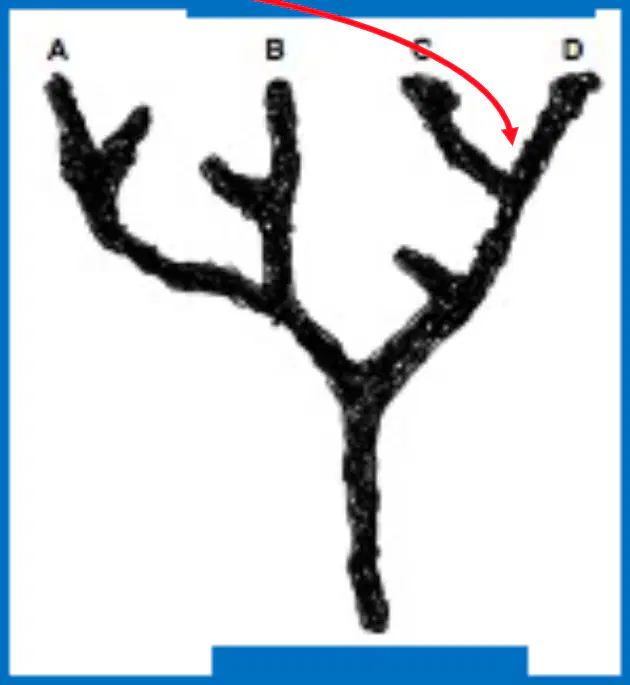
What is speciation often compared to in terms of a visual representation?
A straight line
A branching of the family tree
A circle
A square
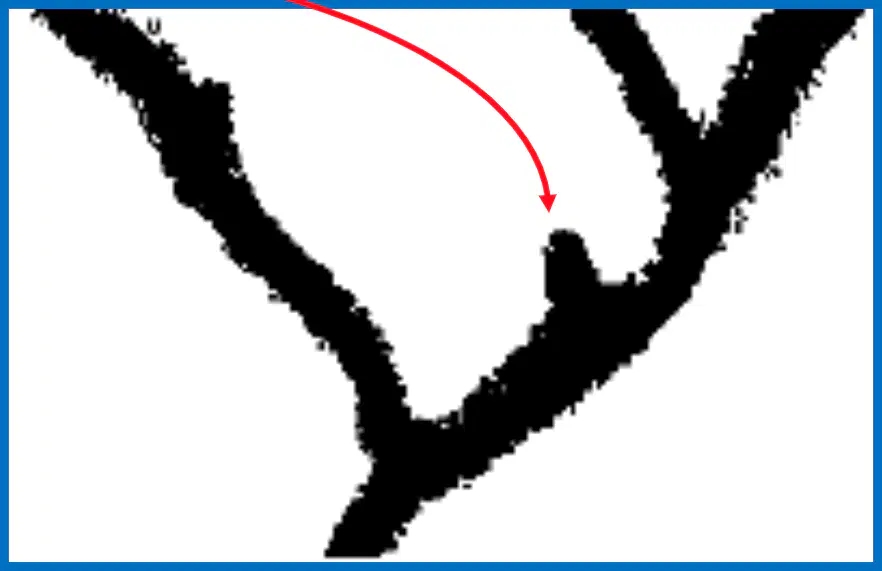
What does it mean when a branch in a phylogenetic tree ends?
The species has evolved into a new species.
The species has migrated to a new habitat.
The species is extinct.
The species has increased in population.
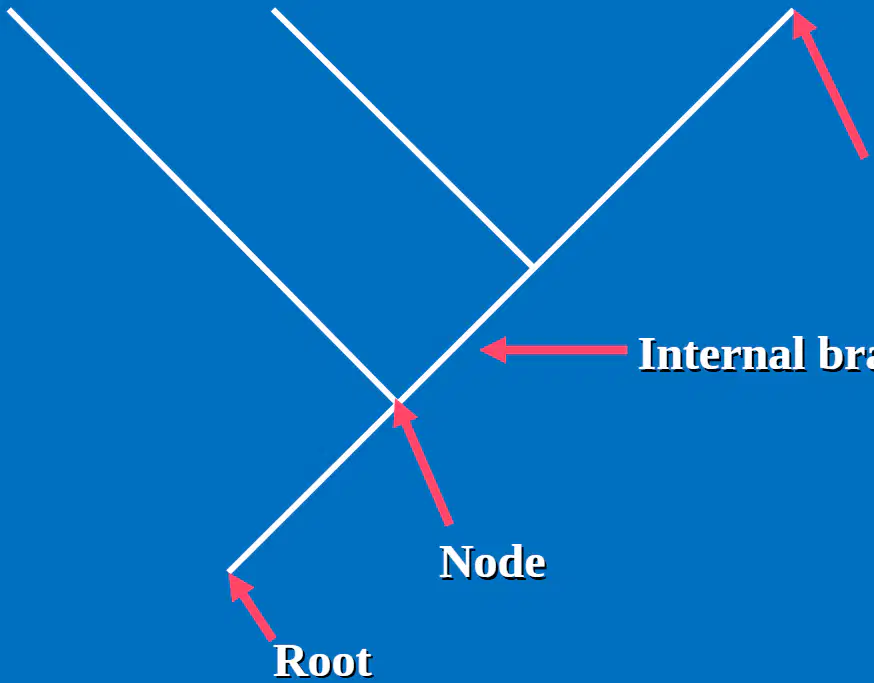
What is the term used to describe the starting point of a phylogenetic tree?
Node
Tip
Root
Leaf
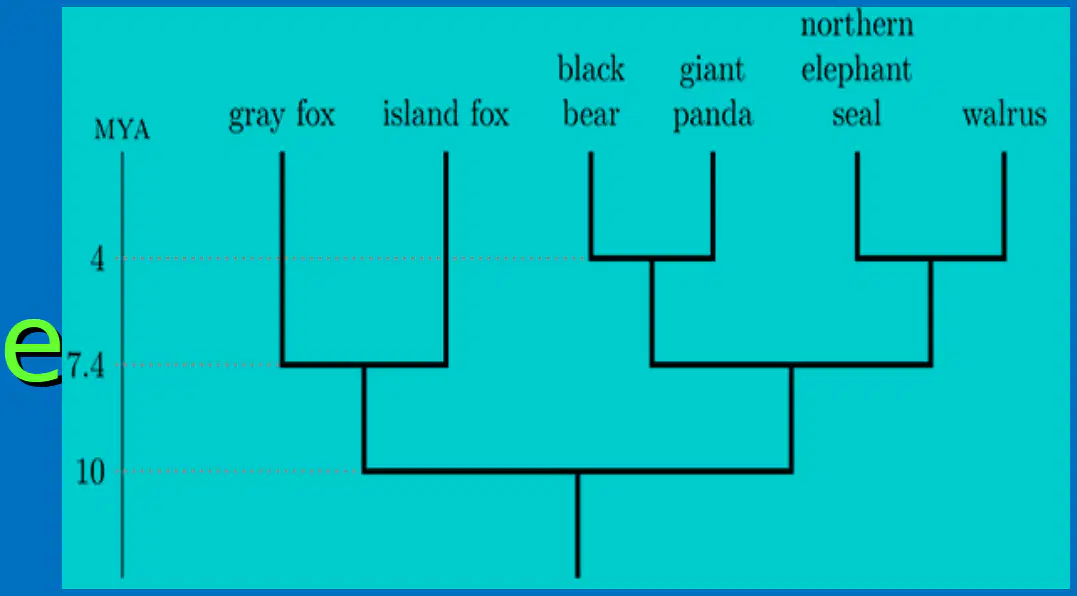
What is the purpose of phylogenetic trees as mentioned in the image?
To show the evolutionary relationships between different species
To indicate the estimated time of divergence of a species
To classify species based on their physical characteristics
To predict future evolutionary changes in species
What is one of the main challenges to the classification of Earth's biodiversity?
The rapid increase in the number of species
Species are becoming extinct at an increasing pace
The lack of knowledge about species
The stability of taxonomic systems
How does increased knowledge of biodiversity affect taxonomic systems?
It leads to fewer revisions of taxonomic systems
It causes taxonomic systems to become obsolete
It results in continual revisions to taxonomic systems
It has no impact on taxonomic systems
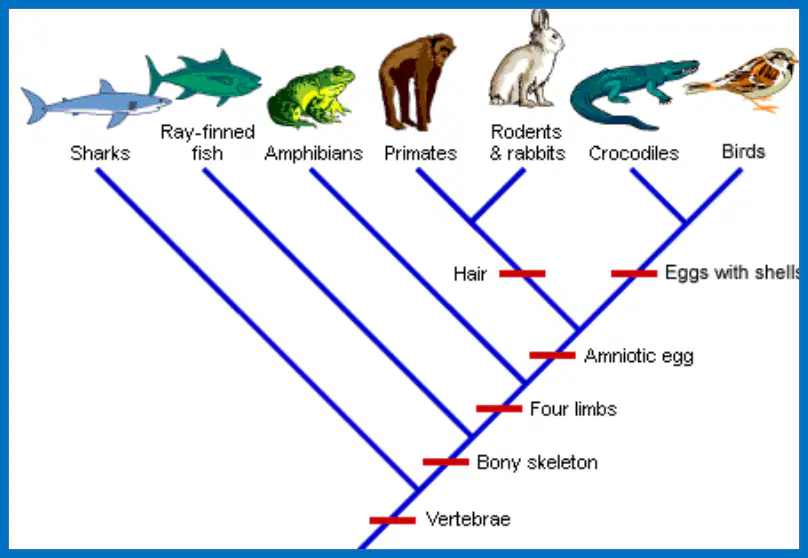
What is the primary difference between a phylogenetic tree and a cladogram?
Phylogenetic trees show order of divergence, while cladograms show order of divergence based on physical traits.
Cladograms show order of divergence, while phylogenetic trees show order of divergence based on physical traits.
Both phylogenetic trees and cladograms show order of divergence based on genetic traits.
Phylogenetic trees and cladograms are identical in function and representation.
What is a dichotomous key used for?
A tool to identify organisms or objects by presenting a series of paired statements or questions
A method to classify organisms based on their genetic makeup
A system to organize scientific names alphabetically
A technique to measure the size of organisms
What does geographical distribution mean in terms of species evolution?
Using geography to determine where species evolved
Using climate to determine species habitats
Using genetics to trace species origins
Using population size to predict species survival
If a species is found in only one location, what can be inferred about its evolution?
It must have evolved there
It is likely to migrate soon
It is a newly discovered species
It is endangered
What did Darwin observe about the distribution of species?
Species are evenly distributed across the world.
Species are randomly distributed without any pattern.
Species are not evenly distributed across different regions.
Species are distributed based on human intervention.
What is the concept of geographic distribution of species?
Different animals on different continents with similar adaptations to similar environments
The same animals found on every continent
Animals that have no adaptations to their environment
Different animals on the same continent with different adaptations
What term is used to describe structures that are similar due to similar adaptations in different environments?
Analogous
Homologous
Identical
Divergent
What is biogeography?
The study of the physical features of the Earth
The study of where different species live
The study of the history of human civilizations
The study of the chemical composition of living organisms
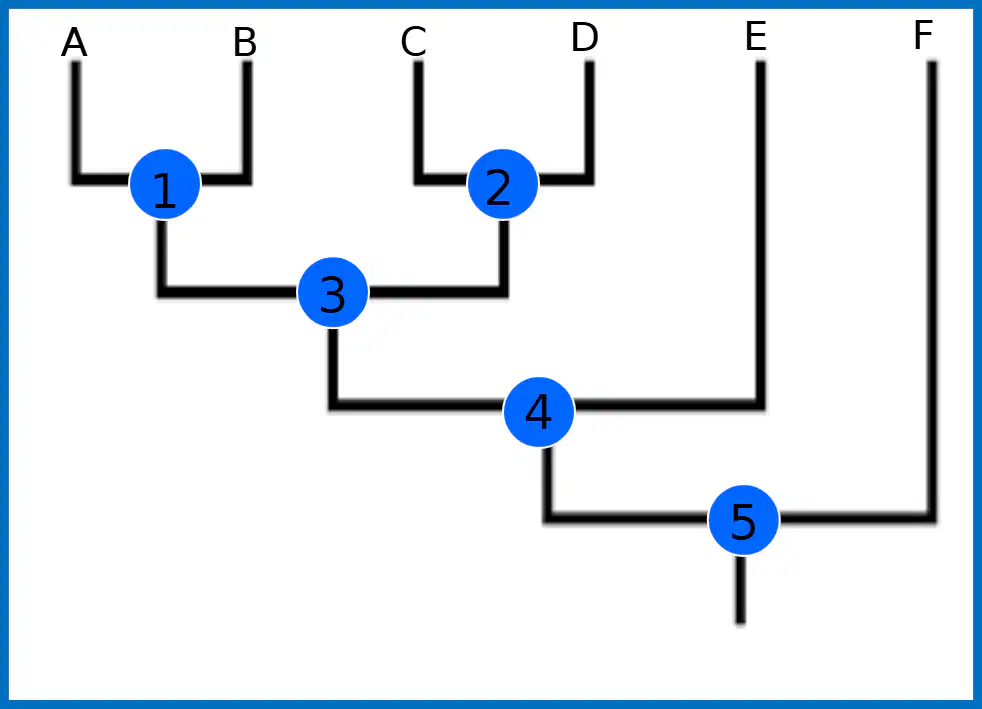
Which number represents a common ancestor of A, B, C & D?
1
2
3
4

A student claims that humans are more related to gorillas than to ducks. Which of the following statements would support the student's claim? Number of DNA nucleotide base differences in the cytochrome C oxidase gene: - Shark: 14 - Pig: 13 - Duck: 17 - Moth: 36 - Gorilla: 7 - Yeast: 66 - Snake: 20 - Tuna: 31 - Turtle: 8
Humans are more related to gorillas than to ducks, because there is a greater number of nucleotide base differences between humans and gorillas than humans and ducks.
Humans are less related to gorillas than to ducks, because there is a greater number of nucleotide base differences between humans and gorillas than humans and ducks.
Humans are more related to gorillas than to ducks, because there is a lesser number of nucleotide base differences between humans and gorillas than humans and ducks.
Humans are less related to gorillas than to ducks, because there is a greater number of nucleotide base differences between humans and gorillas than humans and ducks.

