
 Worksheets
Spiral Review Life Science
Total questions: 111
Worksheet time: 4hrs 27mins

What is a gene?
A bundle (like a hot dog bun) that the DNA is packed into
something inside the nucleus
a piece of DNA
all of your DNA
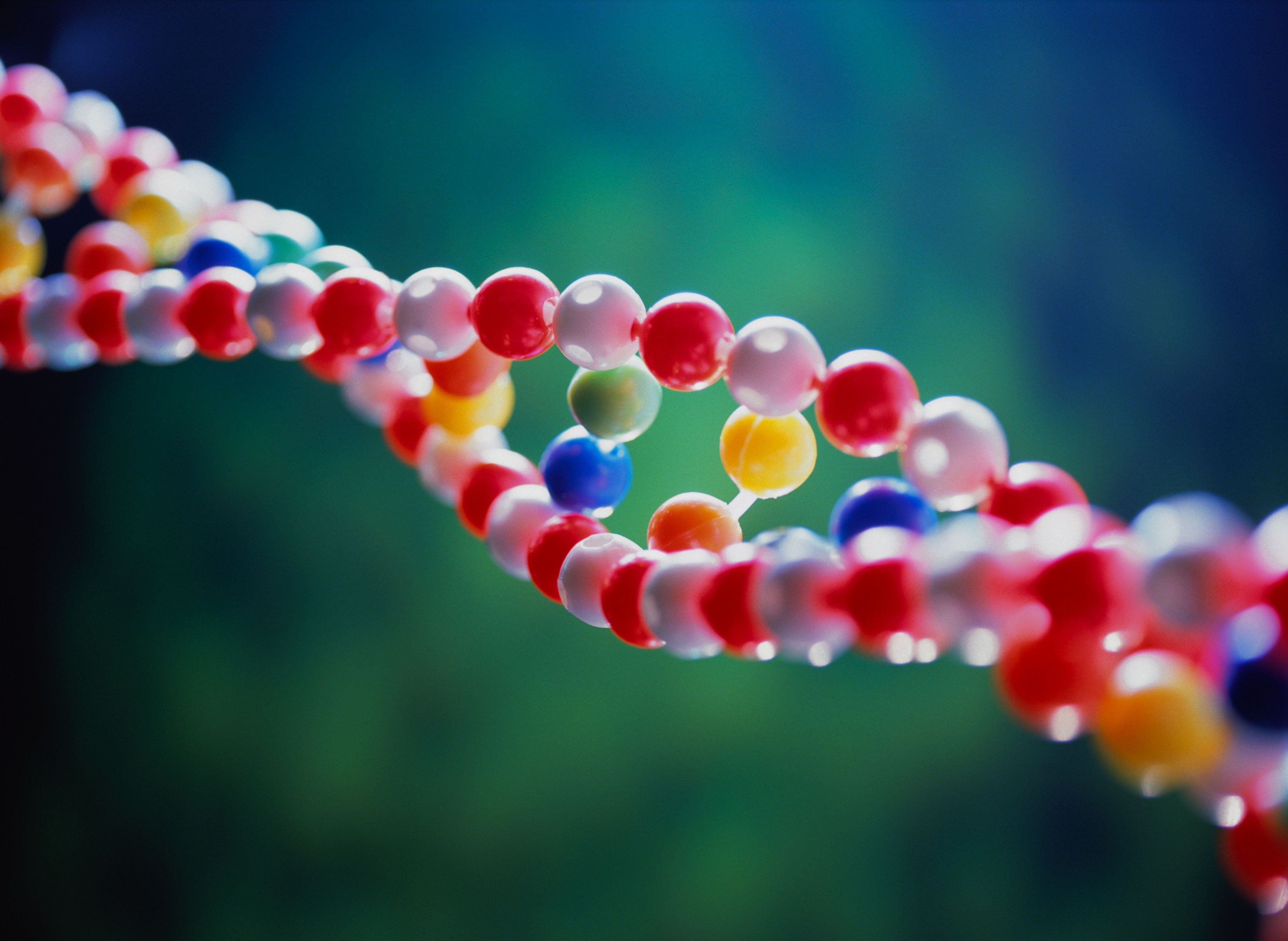
Why is DNA important?
it is very small and very complicated
it's in everything
it serves as the blueprint for traits of all living things
because we eat it every day for energy
Which organelle is DNA usually found in?
cell membrane
vacuole
chloroplast
nucleus
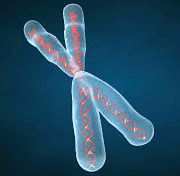
The number of human chromosomes is
23
46
92
64
Bundled up, organized DNA is called a
gene
trait
chromosome
nucleotide

What are the "X" shaped things in the drawing.
PMATs
Chromosomes
Ribosomes
Telophase

The picture above represents what happens after mitosis which is
Interphase
Cytokinesis
Metaphase
G1
Cell splits into two.
Metaphase
Cytokinesis
Interphase
Prophase

In mitosis, the two resulting cells are
different from the starting cell and identical to each other.
different from the starting cell and different from each other.
identical to the starting cell and different from each other.
identical to the starting cell and identical to each other.
The goal of mitosis is to
make a new parent cell
make two new daughter cells with the same DNA
make two new daughter cells with different DNA
to grow a larger toe
A good way to remember the stages of cell division is:
AMPT
ATMP
PMAT
PMA
Why does our body undergo mitosis?
fun and games
checks and balances
growth and repair
to build bigger muscles

The stages of mitosis in order
Metaphase, Anaphase, Prophase, Telophase
Prophase, Anaphase, Metaphase, Telophase
Prophase, Metaphase, Anaphase, Telophase
Anaphase, Prophase, Telophase, Metaphase
Where does a cell contain its genetic material?
nucleus
nucleolus
cytoskeleton
chloroplasts
All organisms get ___________ of their chromosomes from each of their parents.
21
11
31
Which of the following terms contains the rest?
chromosome
gene
DNA
Select the most accurate claim about chromosomes, genes and DNA.
Chromosomes, genes and DNA work together inside of the cells of organisms.
Chromosomes hold DNA.
Chromosomes are made up of long strands of DNA which contain segments of genes.
Genes are found inside of segments of DNA strands.
An observable characteristic in an organism is...
Trait
Undefinable
Cell
DNA

In which stage of MEIOSIS does crossing over occur? (The exchange of genetic material between chromosomes in a tetrad.)
Anaphase I
Metaphase I
Prophase I
Telophase I
THE END RESULT OF MEIOSIS IS...
FOUR UNIDENTICAL GAMETES
FOUR IDENTICAL GAMETES
TWO IDENTICAL GAMETES
TWO UNIDENTICAL GAMETES
The phase in Meiosis where crossing over occurs:
Metaphase I
Prophase I
Prophase II
Profés
Which process produces more genetic variation?
Cellular Respiration
Photosynthesis
Meiosis
Mitosis
If an organism reproduces asexually, its offspring will most likely be:
produced as a result of fertilization
Genetically identical to the parent
Genetically different from each other
Produced from specialized cells known as gametes
Which statement below is correct about asexual reproduction and sexual reproduction?
Asexual reproduction and sexual reproduction both involve one parent
Sexual reproduction involves making clones and asexual reproduction creates diverse/different offspring
Asexual reproduction creates clones and sexual reproduction creates diverse/different offspring
Genetic Variation means
genetic differences in a population or species
genetic similarities between a population or species
When a starfish grows a new body off a broken arm, what kind of reproduction is this?
Sexual
Differentiation
Asexual
Specialization
Which phase of mitosis do the chromosomes line up in the middle of the cell?
Anaphase
Metaphase
Telophase
Prophase

What is represented here?
DNA replication
Nuclear membrane breaking down
Crossing Over

What process results in the division of 1 cell into 2 identical daughter cells?
Mitosis
Meiosis
G1
Cross-Over

What is the name for the event that results in the division of the cell body (cytoplasm) into 2 daughter bodies.
Telophase
Cytokinesis
Mitosis
Cross Over
What is the function of the mitochondria?
Pack and ship proteins
Make proteins
Make energy
Removes waste
I am the control center of the cell and house the DNA. Who am I?
Cytoplasm
Nucleus
Ribosome
Golgi Apparatus
What is the function of the cell membrane?
Produces energy
Produces proteins
Keep the organelles in place
Control what enters and leaves the cell
I am the tough exterior that protects plant cells and gives them their shape. Who am I?
Cell wall
Cell membrane
Cytoplasm
Mitochondria
What is the function of the ribosomes?
Transport proteins
Make proteins
Package and ship proteins
Store water, food, and wastes

What organelle is labeled with "A"?
Mitochondria
Golgi Apparatus
Nucleus
Endoplasmic Reticulum
I am way bigger in plant cells than I am in animal cells. What am I?
Golgi Apparatus
Nucleus
Vacuole
Ribosomes
What is the function of chloroplasts?
Helps plants make food from the sun
Protects plant cells
Store food and water
Make energy for the cell

What organelle is labeled with "C"?
Mitochondria
Golgi Apparatus
Nucleus
Endoplasmic Reticulum
I am the structure that holds all the organelles in place within the cell. Who am I?
Cell membrane
Cell wall
Cytoplasm
Centriole
Which of the following organelles will you NOT find in an animal cell?
Cell membrane
Cell wall
Golgi Apparatus
Lysosome
cell with no membrane bound structures and no
nucleus
Eukaryote
Prokaryote
Plant
Animal
where DNA is stored in a eukaryotic cell
vacuole
mitochondria
lysosome
nucleus
cell with membrane bound organelles and a
nucleus
prokaryote
eukaryote
bacteria
peroxisome
chlorophyll containing organelle in plants that
uses light energy to help create glucose in a
process called photosynthesis
mitochondria
chloroplast
vacuole
lysosome
Which of the following correctly lists the levels of biological organization from MOST complex to LEAST complex?
cell, tissue, organ, organ system, organism
cell organism organ system organ tissue
organ system organism organ tissue cell
organism organ system organ tissue cell
When a collection of similar cells group together, they form what is called _________.
Organs
Tissue
Organ system
Organism
A collection of tissue that is grouped together forms a (an) ___________
tissue
organ system
organism
organ
What is the difference between a cell and a tissue?
cell is basic unit of life; tissue is group of cells that work as one
cell is group of tissues; tissue is basic unit of life
cell is basic unit of life; tissue is groups of different cells
cell is group of organs; tissue is group of different cells
Living systems are organized in levels according to their structures and functions.
_______________ --tissues--organs--organ systems--organisms--ecosystems
Which word is missing from the organizational chart above?
cells
tissue
protist
bacteria

What am I?
Nucleus
Golgi Body
Mitochondrion
Plasma Membrane

The control center of cell is
the nucleus
ribosomes
chromatin
The jelly-like layer of the cell
Vacuoles
Cytoplasm
Cilia
E.R.
The storage structures of the cell. They are often bubble-like.
Lysosomes
Chloroplasts
Centrioles
Vacuoles

_______ regulates what enters and leaves a cell.
Cell Membrane
Nucleus
Mitochondria
Cytoplasm

What tool do you use to view the cells?
metric ruler
centrifuge
microscope
telescope
All cells come from___________ cells.
pregnant
pre-existing
paternal
pin size
Rocks are not living because
they never move
they aren't needed for humans
they are not made of cells
they don't break down

Cells are often called "the ____ of life."
bread
road map
building blocks
meaning
There are three parts to the cell theory. Which is NOT one of those parts?
All organisms are composed of one or more cells.
The cell is the basic unit of structure and organization in organisms.
Cells spontaneously arise from carbon and nutrients carried in the bloodstream.
All cells come from pre-existing cells.
Plants and animal cells are examples of ___ cells
prokaryotic cells
eukaryotic cells
both eukaryotic and prokaryotic
neither
Prokaryotic
A cell that has NO nucleus
A cell that has a nucleus
An organism with one cell
An organism with many cells
Eukaryotic
A cell that has NO nucleus
A cell that has a nucleus
An organism with one cell
An organism with many cells
Which organelle is only found in a plant cell?
nucleus
chloroplast
mitochondria
cell membrane
What is found in both plant and animal cells but is much larger in plant cells?
Nucleus
Mitochondria
Chloroplast
Vacuole
In a plant cell, a stiff wall surrounds the membrane, giving the cell a rigid, boxlike shape.
cell membrane
cell
ribosome
cell wall
A tiny cell structure that carries out a specific function within a cell.
organelle
cell
nucleus
ribosomes
Which of the following are NOT found in animal cells
chloroplasts and cytoplasm
chloroplasts and cell wall
cell wall and cell membrane
mitochondria and nucleus
Which of these structures do prokaryotes and eukaryotes share?
Nucleus
Cell wall
Organelles
Ribosomes
Which of these structures do prokaryotes and eukaryotes share?
Nucleus
Cell wall
Organelles
Ribosomes
Which of the following is a process that cells must complete in order to maintain homeostasis?
store waste
extract energy from food
use oxygen to maintain structure
send signals to communicate with other cells
Which of the following is necessary for photosynthesis?
Sunlight
Oxygen
Glucose
Soil
Which of the following is a product of photosynthesis?
Water
Glucose
Sunlight
Carbon dioxide
Which of the following organisms use cellular respiration for life and growth?
Plants only
Animals only
Plants and Animals
Bacteria only
Which of the following is produced during cellular respiration?
Protein
Carbon dioxide
Oxygen
Glucose
Which of the following are needed for cellular respiration?
Carbon dioxide and sunlight
Oxygen and glucose
Water and carbon dioxide
ATP and Oxygen
What is glucose?
The usable form of energy in a cell
The organelle needed for photosynthesis
The usable form of sugar in a cell
The organelle needed for cellular respiration
What organelle is responsible for photosynthesis?
Mitochondria
Cell wall
Golgi Apparatus
Chloroplast
Without photosynthesis, what would happen to life on this planet?
It would continue as usual
It would only consist of animals
The size of animals would go down
It would end
The reactants of photosynthesis are:
glucose and water
carbon dioxide and water
glucose and oxygen
carbon dioxide and oxygen
Which statement about photosynthesis is correct?
Plants get the energy they need for photosynthesis from water
Plants get the energy they need for photosynthesis from sunlight
Plants get the energy they need for photosynthesis from soil
Plants do not require energy to perform photosynthesis
What are the products of photosynthesis?
carbon dioxide and water
glucose and oxygen
carbon dioxide and oxygen
glucose and water
Which gas is removed from the atmosphere during photosynthesis?
Hydrogen
Oxygen
Carbon Dioxide
Nitrogen
Mitochondria are responsible for what?
Photosynthesis
Cellular respiration
Fermentation
Both photosynthesis and cellular respiration
Which of the following is needed for an organism to undergo photosynthesis?
carbon dioxide
nitrogen
glucose
oxygen
How would an increase in sunlight affect a substance produced by photosynthesis?
increase light energy
decrease oxygen
increase glucose
decrease carbon dioxide
This is needed for cellular respiration
carbon dioxide and water
oxygen and glucose
sunlight and nitrogen
oxygen and carbon dioxide
If a plant had low amount of chlorophyll, what would happen?
it will trigger the plant to do more cellular respiration
It will limit the water the plant is able to take in
it would increase the oxygen production because the plant would burn extra carbon dioxide
It would limit the amount of light absorbed and decrease the amount of food the plant is able to produce for itself

Which conclusion best matches the trends shown on the graph?
Bean plants produce more ATP than corn plants.
Corn plants require more oxygen than bean plants.
Corn plants release more carbon dioxide than bean plants.
Corn plants produce sugars at a faster rate than bean plants.
If a plant was in an environment where it was without glucose for a week (no photosynthesis), what would happen to the plant?
cellular respiration would decrease
cellular respiration would increase
photosynthesis would increase
photosynthesis would decrease
If you take deep breaths, and eat a snack, your cells will begin what process?
cellular respiration
photosynthesis
cellular generation
cellular microbiomiopia

How many kilograms of SMOKE are shown in the example of conservation of mass?
1 kg
30 kg
28 kg
3 kg

True or False: The mass of the reactants is equal to the mass of the products?
True
False

How many grams of CHOCOLATE POWDER are shown in the example of conservation of mass below?
450 g
465 g
0 g
15 g

Step one represents what process?
Animals are releasing energy into the environment and storing carbon.
Animals are decomposing and releasing carbon into the soil.
Animals are converting carbon dioxide from the atmosphere to oxygen.
Animals are breaking down organic molecules and releasing carbon dioxide into the atmosphere.

What do 'plants' do with the carbon they receive?
They turn it into water
They don't need carbon
They turn it into food by photosynthesis
They keep it forever
Plants do both Photosynthesis AND cellular respiration
True
False
Benjamin Franklin
Homer Simpson
During cellular respiration, an organism starts with 17 grams of material. The law of conservation of mass ensures that how much material will be produced?
17 grams
0 grams
34 grams
16 grams
Chloroplasts produce what?
carbon dioxide
ATP
water
glucose
If you place a snail in a closed test tube with a solution of glucose, what would happen to the air?
oxygen would increase
carbon dioxide will increase
carbon dioxide will decrease
oxygen will stays the same
The products of photosynthesis and the reactants of cellular respiration are the same
true
false
George Washington
Kenji
What is the primary purpose of cellular respiration?
To produce glucose
To generate ATP
To absorb sunlight
To release oxygen
Which of the following is a byproduct of cellular respiration?
Oxygen
Glucose
Carbon dioxide
Sunlight
In which part of the cell does photosynthesis primarily occur?
Mitochondria
Chloroplasts
Nucleus
Ribosomes
What is the role of chlorophyll in photosynthesis?
It absorbs sunlight
It releases oxygen
It stores glucose
It converts carbon dioxide into water
Which gas is consumed during cellular respiration?
Oxygen
Carbon dioxide
Nitrogen
Hydrogen
Combustion puts what into the atmosphere?
oxygen
carbon dioxide
nitgrogen
hydrogen
What is the primary purpose of cellular respiration?
To produce glucose
To convert glucose into energy
To absorb sunlight
To produce oxygen
Which of the following is a product of photosynthesis?
Carbon dioxide
Oxygen
Helium
Water
What is the role of mitochondria in cells?
To store genetic information
To produce energy through cellular respiration
To conduct photosynthesis
To transport nutrients
Which of the following is a product of cellular respiration?
Oxygen
Glucose
Carbon dioxide
Chlorophyll

