
 Worksheets
Earth Science 1st Semester Benchmark
Total questions: 125
Worksheet time: 2hrs 12mins
A huge body of air that has similar temperature, humidity, and air pressure throughout it is called a(n) ______________.
front
air mass
cyclone
storm
An air mass that is dry and forms over land is called a __________________ air mass.
maritime
continental
Of the four types of air masses, which would describe air that is cool and humid and forms over the North Pacific ocean?
Maritime Tropical
Maritime Polar
Continental Tropical
Continental Polar
A front that remains stalled over an area for an extended period of time is called a _________________________.
warm front
cold front
stationary front
occluded front

Which of the following are the effects of an occluded front?
Cooler weather and rain or snow
Drizzly rain and warm weather
Clear skies followed by rain
Clear, sunny weather

An air mass that forms over the North Pacific Ocean brings what kind of weather to the Pacific coast?
Dry and Warm
Dry and Cold
Wet and Warm
Wet and Cold

What kind of weather is associated with high air pressure?
Clouds and rain
Clouds without rain
Clear skies
Tornadoes
Which type of weather is associated with a maritime polar air mass?
cloudy and rainy
warm, sunny, and clear
Which front brings several days of steady rain or snow into an area?
a warm front
a stationary front
How does air move in a low-pressure system?
toward the low-pressure area
away from the low-pressure area
Select the correct front for each definition:
when a cold air mass moves under and pushes out a warmer air mass
occluded front
cold front
warm front
stationary front
Select the correct front for each definition:
when a warm air mass moves over and pushes out a colder air mass
occluded front
cold front
warm front
stationary front
Select the correct front for each definition:
when two masses of air come together but neither is very strong and powerful so they just sit over an area not moving
occluded front
cold front
warm front
stationary front

Identify the front
Cold Front
Warm Front
Occluded Front
Stationary Front

Identify the front
Cold Front
Warm Front
Occluded Front
Stationary Front

Identify the front
Cold Front
Warm Front
Occluded Front
Stationary Front
When a stationary front is in an area, what can you expect the weather to be?
Beautiful bright sunny skies for several days in a row
Much warmer than the weather had been before
Much colder than the weather had been before
Cloudy or rainy for several days in a row

When you see this symbol on the weather map, what does this mean?
High Pressure Area
High Humidity Area
High Temperature Area
Helium Balloon Release Area

What does the symbol indicated by the arrows most likely represent?
high temperatures
low pressure
high pressure
a hurricane


What climate zone is the green area in the picture?
Polar zone
Temperate zone
Tropical zone

What climate zone is the white area in the picture?
Polar zone
Temperate zone
Tropical zone
Which of the following climates would be the MOST hospitable to humans?
mediterranean climate
highland climate
ice cap climate
arid climate
Which of the following climates would you most likely see a variety of tree types?
humid continental climate
highland climate
tundra climate
semi-arid climate
Where you will find the ozone layer?
stratosphere
thermosphere
exosphere
mesosphere
What are the two most common gases in the atmosphere?
Nitrogen and Oxygen
Oxygen and trace gases
Carbon Dioxide and Nitrogen
Nitrogen and trace gases
What is the hottest layer of Earth's atmosphere?
troposphere
thermosphere
exosphere
mesosphere
Why aren't clouds found in the upper layers of the atmosphere?
Because UV rays from the sun destroy them
Because gravity holds the water molecules closer to earth in the troposphere
Because as meteors enter the mesosphere, they burn through the clouds
Because it is too cold
What drives the movement of air on earth?
Gravity
The sun
The moon
The mountains

Latent heat is
energy stored by ozone molecules
hidden amounts of solar radiation
energy given off by plants, volcanoes, or fires
energy released or absorbed by H2O as it changes phase

A mixture of gases that surrounds the Earth like a blanket.
atmosphere
troposphere
ozone
nitrogen
Gas in the atmosphere that protects the Earth from the Sun's rays
atmosphere
troposphere
ozone
nitrogen

Troposphere -
stratosphere -
?????
What layer of the atmosphere is closest to outer space?
mesosphere
exosphere
troposphere
stratosphere

Which layer reaches the coldest temperatures?
Troposhere
Stratosphere
Mesosphere
Thermosphere
How does the arrangement of the air molecules found in the troposphere compare to the arrangement of those found in the thermosphere?
The air molecules are closer together in the troposphere and are farther apart in the thermosphere.
The air molecules are farther apart in the troposphere and are closer together in the thermosphere.
The number of air molecules is the same in the troposphere as in the thermosphere.
There are fewer air molecules is the troposphere than in the thermosphere.
Why does the troposphere experience (have) the greatest amount of atmospheric pressure compared to the other atmospheric layers?
It produces the ozone layer.
It has the highest temperatures.
It contains a high concentration of gas particles.
It is the region in which weather occurs.

Which of the following is NOT one of the three types of rock?
Metamorphic
Magma
Sedimentary
Igneous

The interlocking crystals of igneous rock help to classify it since these crystals are evidence of how the rock formed. The crystals are a result of–
sediments being deposited.
particles forming layers.
chemical reactions of minerals.
melted rock that cooled.

Which of the following processes produces metamorphic rocks?
Rapid burial
Gradual cooling
Regular deposition
Extreme pressure

Which of the following processes is one of the first steps in the formation of some sedimentary rock?
Rock is broken down into pieces.
Liquid magma cools and hardens.
Rock melts deep underground.
Minerals change due to pressure.
In order to be classified as metamorphic, a rock must–
have been completely melted.
change with heat and pressure.
be made of small bits of larger rock.
have formed very quickly.
What is one of the most common processes that turns sediments into sedimentary rocks
Organisms in the soil breaking down organic matter into useful chemicals
Minerals within rock layers growing into large crystals over time
Layers made of bits of broken rock pressing down on other layers
Magma cooling under the surface of Earth, crystallizing to form rock

Which rock is formed form the cooling of volcanic ash on Earth's surface?
Intrusive Igneous Rock
Extrusive Igneous Rock
Foliated Metamorphic Rock
Organic Sedimentary Rock

The process in which dissolved minerals crystallize and glue sediment together.
Compaction
Deposition
Organic Rock
Cementation

True or False: Molten rock inside of a volcano is called lava
True
False
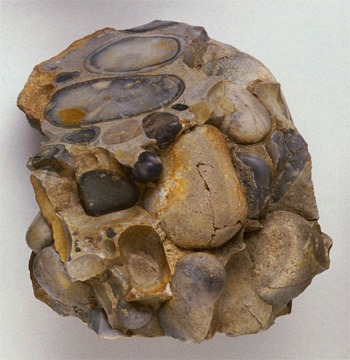
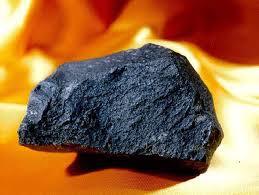


What type of rock is this?
Sedimentary
Igneous
Metamorphic
Sand

What type of rock is made from magma?
SEDIMENTARY
METAMORPHIC
IGNEOUS

What type of rock is made of tiny fragments of rocks?
SEDIMENTARY
IGNEOUS
METAMORPHIC

Which rocks are made by heat and pressure?
IGNEOUS
SEDIMENTARY
METAMORPHIC
igneous rock formed from lava that erupted onto Earth's surface
extrusive
intrusive
clastic
biogenic
igneous rock that formed when magma hardened beneath the surface of Earth
extrusive
intrusive
clastic
biogenic
the process by which running water, wind, or ice carry away bits of broken-up rock
weathering
erosion
compaction
cementation
the process that presses sediments together
deposition
erosion
compaction
cementation
the process in which dissolved minerals crystallize and glue particles of sediment together
deposition
erosion
compaction
cementation
What type of rock is this?
Sedimentary
Igneous
Metamorphic
Sand

Compaction and cementation are two common processes associated with:
Extrusive igneous rocks
Intrusive igneous rocks
Sedimentary rocks
Metamorphic rocks
How many sizes can rocks come in?
many sizes
one size
three sizes
I am the main type of rock that is created from layers of sediment. What type of rock am I?
metamorphic
sedimentary
igneous
A rock deep within the Earth experiences extreme temperature and pressure. After a long period of time it becomes which rock?
Magma
Igneous
Metamorphic
Sedimentary

This rock formed when bits of other rocks became pressed into a solid. What type of rock is it?
Sedimentary Rock
Metamorphic Rock
Igneous Rock
This rock was formed by smaller pieces of rock that settled at the bottom of a lake millions of years ago. What type of rock is this?
Sedimentary
Igneous
Metamorphic
The process in which sediment are fused or glued together.
compaction
deposition
organic rock
cementation
What type of rock is classified as Foliated, minerals are arranged in bands or layers.
Igneous
Sedimentary
Metamorphic
Sediments (pieces) are cemented under water.
Igneous
Sedimentary
Metamorphic
Extrusive rocks are cooled outside of the earth; have no crystals; and may have air pockets
Igneous
Sedimentary
Metamorphic
The change of one state of matter to another is called
Osmosis
Phase Change
Matter
Energy
A phase change is a chemical or physical change?
Physical
Chemical
Transition from a solid to a liquid
Condensation
Melting
Freezing
Evaporation
Transition from a liquid to a gas
Condensation
Freezing
Evaporation
Melting
Transition from a liquid to a solid
Freezing
Sublimation
Melting
Evaporation
Gas condenses to a liquid
Evaporation
Melting
Freezing
Condensation
Change of a solid directly into a gas
Deposition
Melting
Sublimation
Freezing
Change of a gas directly into a solid
Sublimation
Condensation
Evaporation
Deposition
When an object undergoes phase change, its mass
increases
stays the same
decreases

This is an example of
Freezing
Melting
Condensation
Sublimation

This is an example of
Melting
Condensation
Freezing
Evaporation

This is an example of
Condensation
Evaporation
Sublimation
Melting

This is an example of
Deposition
Condensation
Melting
Evaporation

This is an example of
(Hint: Dry Ice)
Deposition
Sublimation
Freezing
Melting

This is an example of
Melting
Sublimation
Deposition
Condensation

The temperature at which a liquid evaporates to a gas is called
freezing point
boiling point
melting point
condensation point
The temperature at which a liquid freezes to a solid is called
Freezing Point
Melting Point
Boiling Point
Condensation Point
The temperature at which a solid melts to a liquid is called
Boiling Point
Freezing Point
Condensation Point
Melting Point
The temperature at which a gas condenses to a liquid is called
boiling point
condensation point
melting point
freezing point

The study of matter and energy and the interactions between them.
Physics
Chemistry
Biology
Earth Science
A test model of product that allows engineers to see if their design works the way they expected is a/an
prototype
experiment
variable
none of these
The use of tools, machines, materials, and processes to meet human needs is
research
apps
data
technology
Data displayed on the vertical (y) axis; what is measured/counted in an experiment is the
independent variable
dependent variable
prototype
constraints
Graph used when showing how each group of data relates to all of the data; also called a pie graph is a/an
line graph
bar graph
circle graph
none of these
A graph used to show continuous change over time is a/an
bar graph
circle graph
pie graph
line graph
What information goes on the y- axis?
The indedpendent variable. The factor that is manipulated or changed in order to test the effect of the change on another variable- in other words, the thing that "I" the scientist will change or test.
The dependent variable. It is units of measurement for the data being gathered.
Different categories to be tested
Names of the people conducting the experiment
What are the necessary components to any data table or graph?
Your name on the paper
Different colors for each bar on the bar graph
a line that connects both the y axis and the x axis
a title, column headings, axis headings, units of measurement
1. What is the difference between a theory and a law?
A law describes, a theory explains
A law explains, a theory describes
A law can change, theories can't
A law has to be accepted by 100 scientists, a theory does not
1. What is an independent variable?
The results that we measure
The numbers that include the units of measurement
The factor that is manipulated or changed in order to test the effect of the change on another variable- in other words, the thing that the scientist will change or test
The part of the experiment that the scientist must perform alone

Which is NOT a step in the scientific method?
state a problem
Form a theory
analyze data
Form a hypothesis
Which happens first?
make a hypothesis
make a plan
ask a question/make an observation
draw conclusions
What's the dependent variable?

