
 Worksheets
Earth Science Review
Total questions: 127
Worksheet time: 2hrs 23mins

Hot coffee is stirred with a spoon, the spoon gets hot due to
Convection
Conduction
Radiation
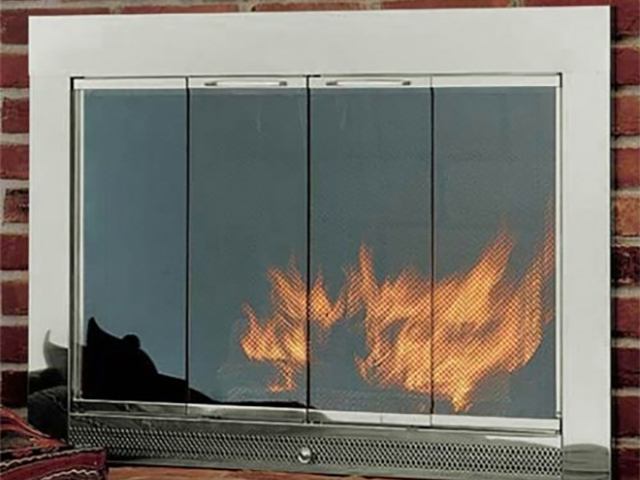
A chair is placed several feet from a fire in a fireplace. The fireplace has a glass screen. The side of the chair facing the fireplace gets warm because of
Convection
Conduction
Radiation
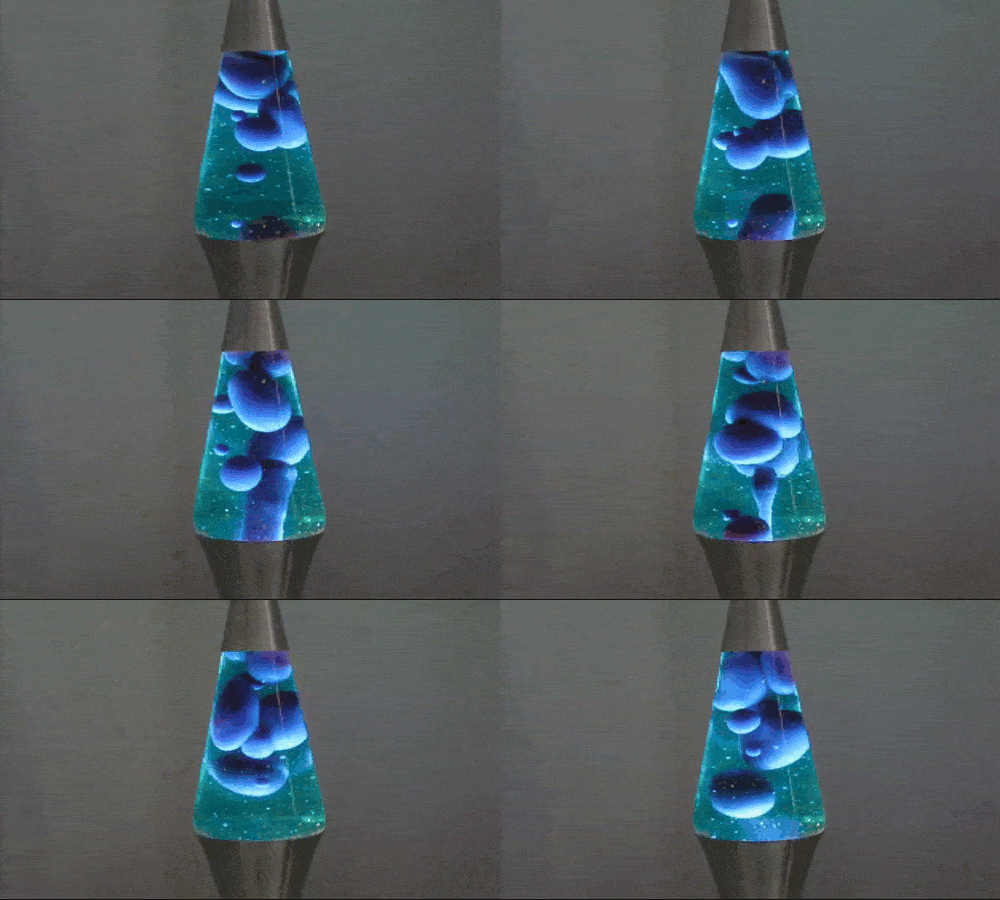
A certain type of decorative lamp contains colored liquids. These liquids form globs that break off and rise to the top of the liquid. The globs rise due to
Convection
Conduction
Radiation

Near the ceiling of a room the air is warmer. The warm air rises because of
Convection
Conduction
Radiation

In a swimming pool, the water near the surface is slightly warmer. The warm water rises because of
Convection
Conduction
Radiation
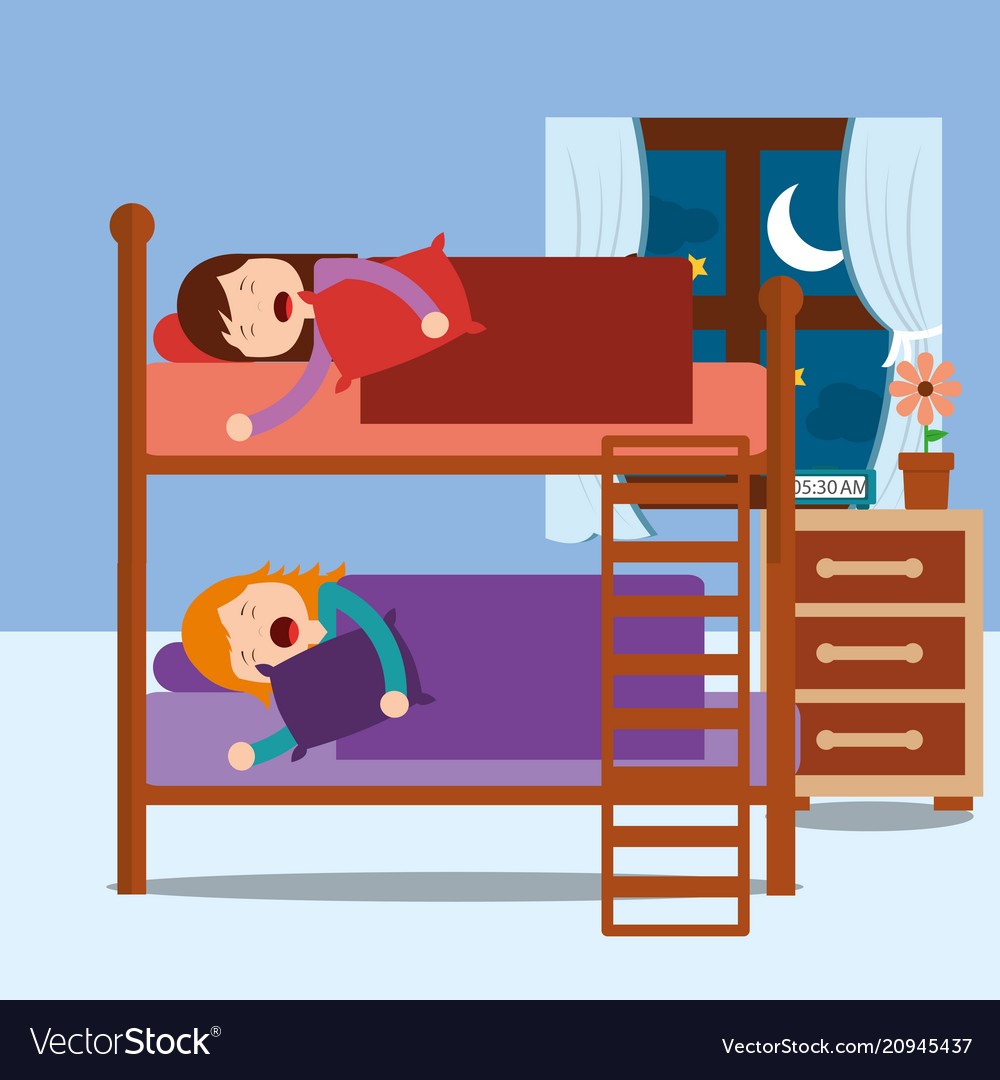
You are in the top bunk of a bunk bed and you want to turn the air conditioner on while your friend on the bottom bunk is fine is caused by
Convection
Conduction
Radiation

The cause of weather systems on earth is
Convection
Conduction
Radiation
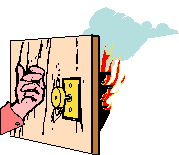
A fireman feels a door and it is hot. Why does his hand feel hot?
Convection
Conduction
Radiation
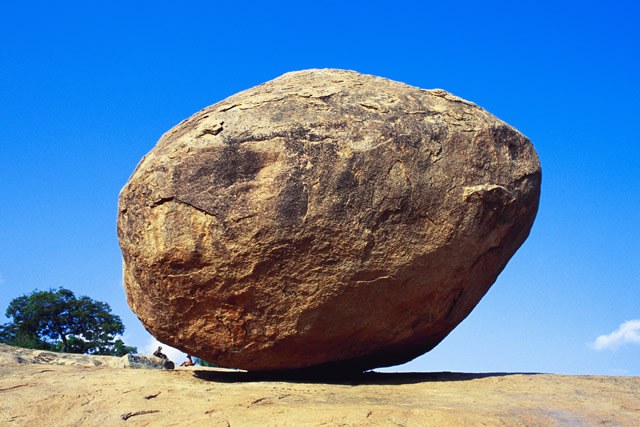
A huge boulder at the state park gets so hot during the day.
Convection
Conduction
Radiation
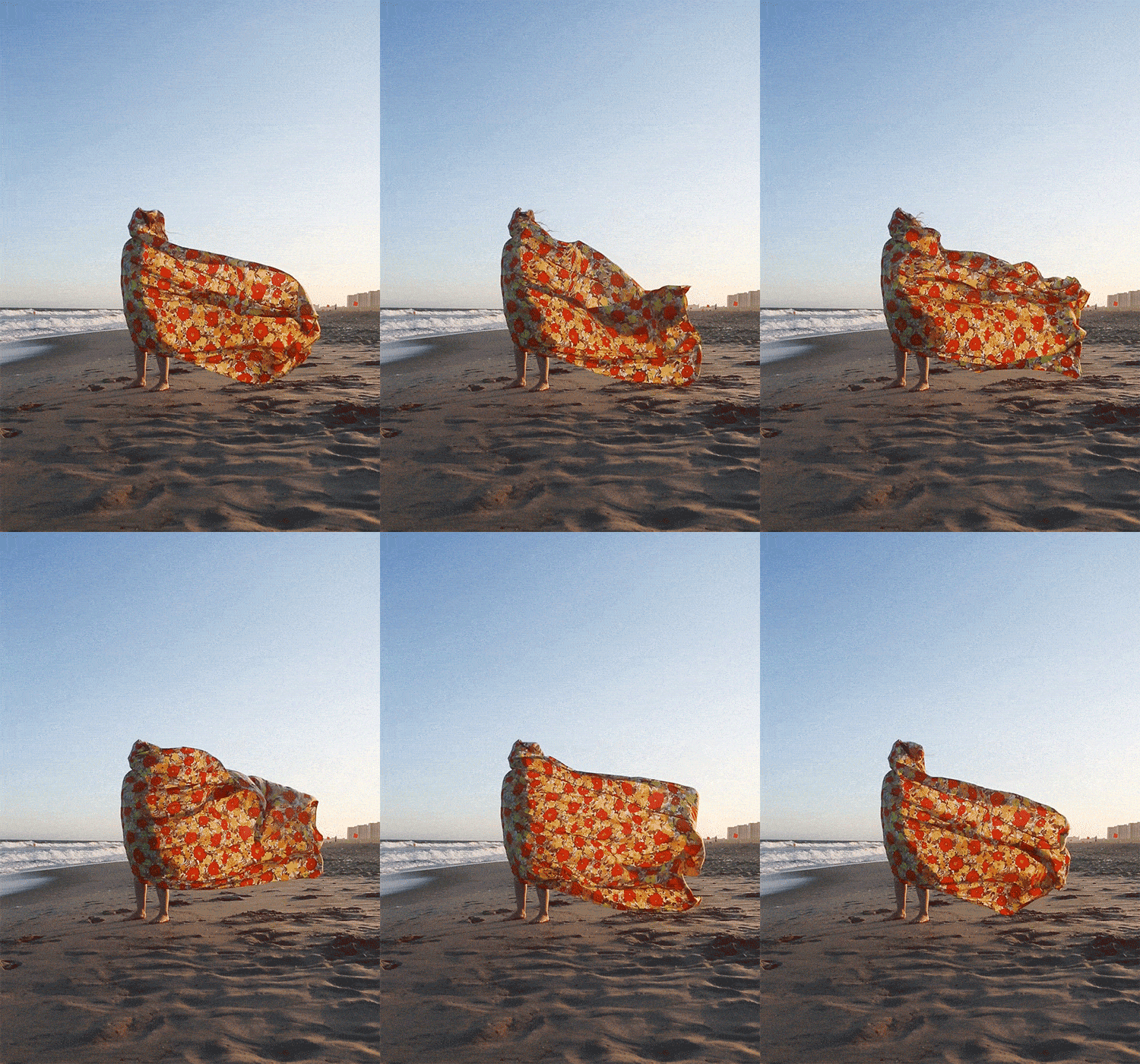
Warm air over the beach rises while cooler dense air from the ocean rushes in due to
Convection
Conduction
Radiation
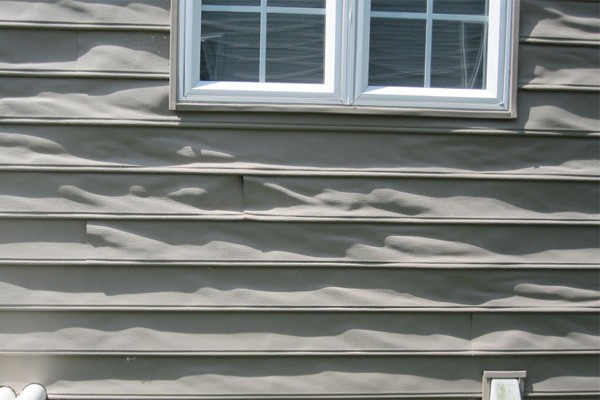
A house burns down. On the house across the street, all of the vinyl siding is twisted and warped by the heat. The heat was transferred across the street by
Convection
Conduction
Radiation
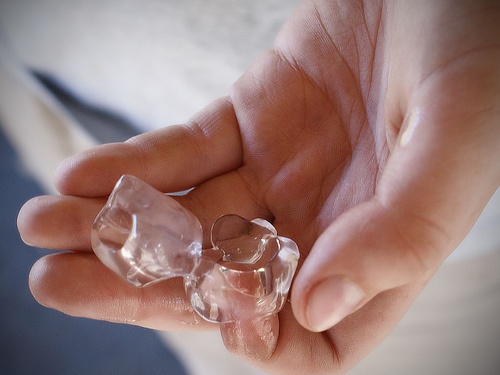
As you hold pieces of ice, they begi to melt from the warmth of you hand on them. This is because of
Convection
Conduction
Radiation

A group of friends gather around a fire to stay warm.
conduction
convection
radiation
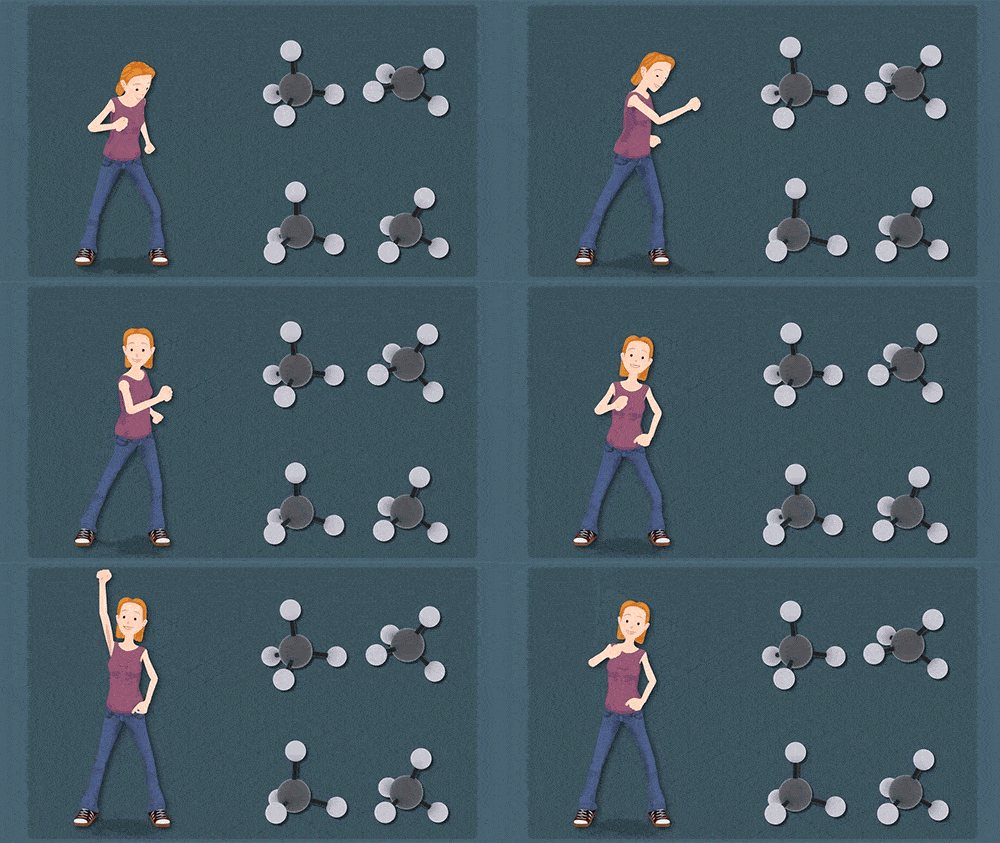
Which statement is true?
The quicker a molecule moves, the colder it is.
The slower a molecule moves, the warmer it is.
The quicker a molecule moves, the warmer it is.
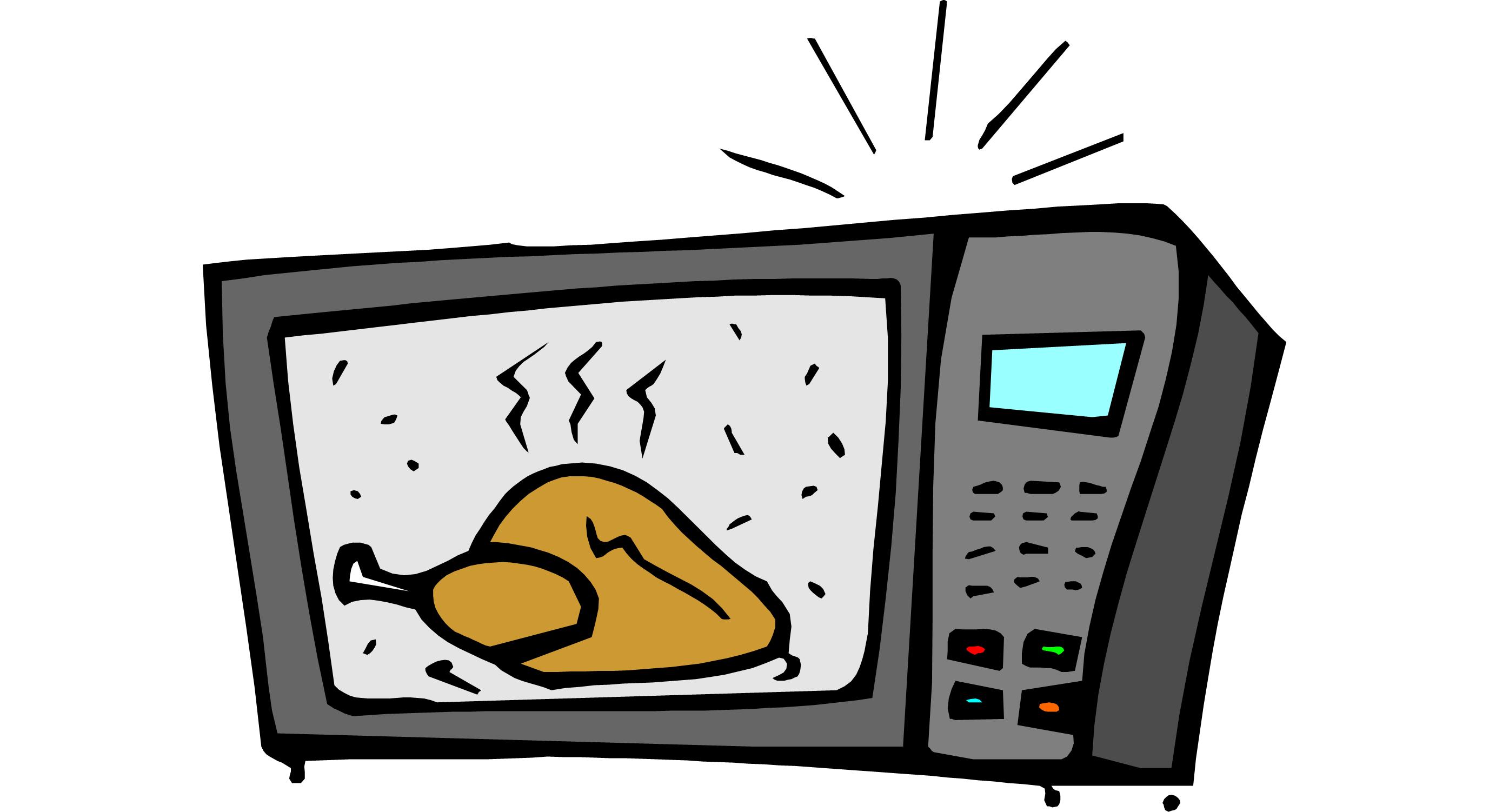
When you use a microwave, what is the main way that heat is transferred?
Convection
Conduction
Radiation
Heating a room with a fireplace
Conduction
Convection
Radiation
Which of the following is not a method for heat transfer
Radiation
Insulation
Conduction
Convection
In which of the following state are the particles closest together?
Fluid
Gas
Liquid
Solid
How does heat energy reach the Earth from the Sun
Convection
Radiation
Conduction
Insulation
Which is the best surface for reflecting heat radiation?
Shiny white
Dull white
Shiny black
Dull black
Which is the best surface for absorbing heat radiation?
Shiny white
Dull white
Shiny black
Dull black
What is the definition of CONDUCTION?
When heat is transferred from objects like rays of light or electromagnetically.
a hot liquid or air that expands, becomes less dense, and rises or becomes more dense, and sinks.
When thermal energy transfers by collisions between particles.
When heat transfers through the heater or AC in your house.
What is the definition of CONVECTION
When heat transfers through waves.
When heat transfers from objects that are touching.
The transfer of thermal energy in a fluid (liquid/gas) by movement of warm / cool fluids.
Heat traveling from the sun
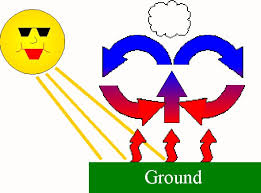
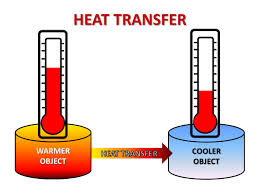

Conduction
Convection
Radiation
When you pull your Totino's Pizza rolls out of the oven and the pan is so hot it burns your hand because you forgot your protective mit. The energy move to your hand from the pan to your hand through ...
Conduction
Radiation
Convection
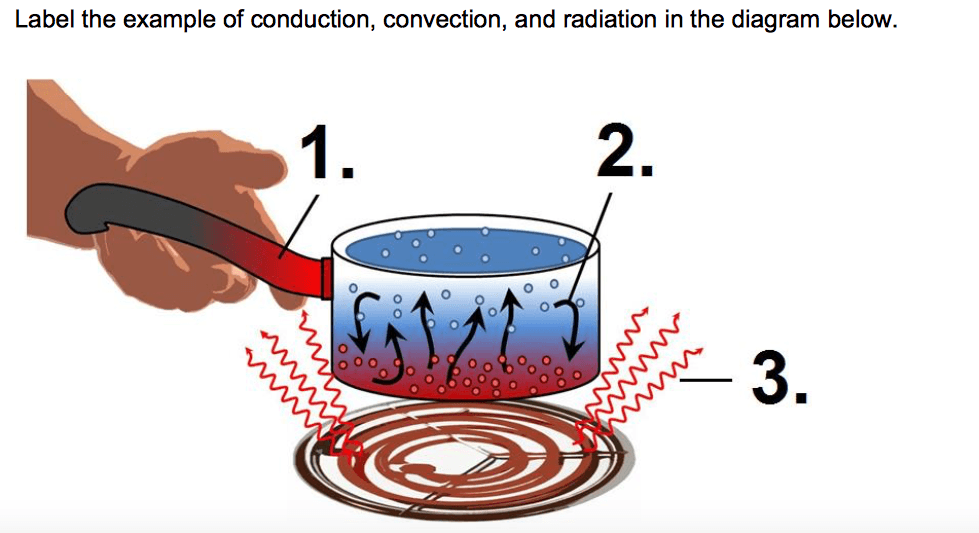
What type of thermal energy transfer is number 1 pointing to?
Convection
Conduction
Radiation
Insulation
Which is energy that is transferred between objects due to a temperature difference between those objects?
heat
radiation
conduction
insulation
If you leave a metal spoon in a pot of soup while it cooks on the stove, the spoon will get too hot to touch. The heat transfer would be.....
heat
Convection
Radiation
Conduction
What are the best thermal conductors?
wood
plastic
metal
gas
What term means the transfer of thermal energy in a fluid by the movement of warmer and cooler fluids?
Convection
Conduction
Radiation
heat
Which term means the transfer of energy by electromagnetic waves, such as light and microwaves?
Conduction
Radiation
Convection
heat
Which item is a good example of convection currents?
fire
oven
lava lamp
sun
Which item is an example of conduction?
Sun
a metal spoon in a hot pot of soup
weather patterns
fire pit
When particles of a liquid are heated they become
More Dense
Less Dense
Stay the same Density
I Dont Know
The metal skewer gets so hot that you drop your marshmallow in the campfire because of...
Conduction
Radiation
Convection
A huge rock at a state park gets so hot during the day that you cannot sit on it from radiation. You are able to lay on the same rock at night and keep warm by ...
Conduction
Radiation
Convection
A chocolate bar melts in a car on a sunny day because of ...
Conduction
Radiation
Convection
A hot air balloon rises into the sky because of ...
Conduction
Radiation
Convection


The idea that continents were once part of a single landmass that broke apart and
moved
Continental Drift
Tectonic Plates
Transform
Forms where plates are moving away from each other
Divergent-
Convergent-
Transform-
Formed where two sections of Earth’s crust are colliding
Divergent-
Convergent-
Transform-
The land mass where all of the continents were once together in one large continent is called ________________.
Laurasia.
Pangaea.
Eurasia.
Gondwana.
Tectonic plates consist of
continental crust.
mesosphere.
both continental and oceanic crust.
oceanic crust.
The fact that similar fossils are found on both sides of the ocean is evidence of
magnetic reversal.
global positioning.
continental drift.
oceanic drift.
The movement of the tectonic plates is caused by
the rotation of the Earth.
convection currents in the Asthenosphere
the gravity of the iron-nickel core.
the Moho discontinuity.

Most geologists think that the movement of Earth’s plates is caused by _______
convection.
continental drift.
subduction.
conduction.
The three types of plate boundaries are
Convergent, divergent, change
Divergent, allegiant, insurgent
Convergent, divergent, transform
Push, pull, slide
What is common at convergent boundaries?
Valleys
Canyons
Mountains
Rivers
The lower mantle is
Solid material extending to Earth's core.
Made up of the lithosphere and asthenosphere .
Layer of molten metal.
Innermost layer of solid metal.
The outer core is
Made up of the lithosphere and asthenosphere .
Solid material extending to Earth's core.
Layer of molten metal.
Outermost layer of the Earth.
The inner core is
Layer of molten metal.
Outermost layer of the Earth.
Made up of the lithosphere and asthenosphere .
Innermost layer of solid metal.

What is the correct order (starting from the surface) of Earth’s layers?
crust, outer core, inner core, mantle
mantle, outer core, inner core, crust
crust, mantle, outer core, inner core
outer core, inner core, crust, mantle

The process by which the ocean floor sinks beneath a deep-ocean trench and back into the mantle is known as _______
convection.
continental drift.
subduction.
conduction.
The geological theory of _______ states that pieces of Earth’s lithosphere are in constant, slow motion.
subduction
plate tectonics
deep-ocean trenches
sea-floor spreading
A place where two plates slip past each other, moving in opposite directions, is known as a _______
transform boundary
divergent boundary.
convergent boundary.
rift valley.
Scientists think that convection currents flow in Earth’s
continents.
mantle.
lithosphere.
inner core.
The San Andreas Fault in California is known as an active earthquake area. What type of
boundary is it?
Converging
Diverging
Transform
Sea Floor Spreading


The movement of the tectonic plates is caused by
the rotation of the Earth.
convection currents in the Asthenosphere
the gravity of the iron-nickel core.
the Moho discontinuity.


What is denser? The lithosphere or the asthenosphere?
Lithosphere
Asthenosphere
Which type of crust is denser?
continental
oceanic
Crust and upper most solid mantle is the
(a)

Which layer of Earth creates its magnetic field?
inner core
outer core
mantle
crust
Mantle convection is the very slow creeping motion of Earth’s solid silicate mantle caused by convection currents carrying heat from the interior to the planet's surface.
Lithosphere
Earthquake
Convection Currents
Core
Hot fluid or semi-fluid material below or within the earth's crust from which lava and other igneous rock is formed on cooling.
Convection Current
Lithosphere
Core
Magma
The very center of the Earth, and the hottest part of the planet.
Outer Core
Inner Core
Magma
Lithosphere
The mostly-solid bulk of Earth’s interior. It lies between Earth’s dense, super-heated core and its thin outer layer, the crust.
Mantle
Inner Core
Outer Core
Lithosphere
The part of Earth's mantle lying beneath the lithosphere and believed to be much hotter and more fluid than the lithosphere.
Asthenosphere
Continental Crust
Inner Core
Outer Core
This is considered as the fastest kind of seismic waves.
Love waves
Body waves
Primary waves
Secondary waves
It can travel through solids only
Love waves
Rayleigh waves
Primary waves
Secondary waves
These type of seismic waves move back and forth and can penetrate solids, liquids, and gases.
P-waves
S-waves
Tidal-waves
These waves move side to side and can only pass through solids.
P-waves
S-waves
P waves travel faster than S waves
True
False
Both P and S waves travel through solids.
True
False
Only P waves travel through the inner core.
True
False
These waves can travel through the inner core...
P waves only
S waves only
P and S waves
Neither P nor S waves

Which picture correctly shows how S waves travel through the layers of the Earth?
A
B

In the picture, which arrow is pointing to the layer that is a liquid?
1
2
3
4

Which diagram below correctly shows the shadow zone for S waves.
A
B

Which layer can S waves not move through?
1
2
3
4

Where is the mantle?
1
2
3
4

Where is the inner core?
1
2
3
4

