wayground logo

Free Printable Worksheets

Font size

S
M
L
XL
Worksheets

SNC1W Exam Review

Total questions: 175

Worksheet time: 33hrs 11mins

Name
Class
Date
1.
Two like charges
a)
 neutralize each other.
b)
repel each other. 
c)
must be neutrons. 
d)
attract each other.
2.
The charge of an electron is 
a)
positive. 
b)
negative. 
c)
Electrons have no charge
3.
An atom loses an electron.  What type of charge does it have now?
a)
positive
b)
negative
4.
An atom gains an electron.  What type of charge does it have now?
a)
positive
b)
negative
c)
No charge
5.
Charged objects are not attracted to neutral objects
a)
True
b)
False
6.
When a balloon is rubbed on clothes it acquires a charge by ___________
a)
Induction
b)
reduction
c)
friction 
d)
concuction
7.

Where do electrons go when you rub a balloon on your hair?

a)

Onto the balloon

b)

Into your hair

c)

Nowhere

8.

After you rub a balloon on your hair, what charge does the balloon have?

a)

Positive

b)

Negative

c)

Neutral

9.

After you rub a balloon on your hair, what charge does your hair have?

a)

Positive

b)

Negative

c)

Neutral

10.
When a glass rod is rubbed with silk and the glass rod becomes positively charged, what happens to the electrons?
a)
they are removed from the rod
b)
they are added to the rod
11.
Which of the following is not a good conductor of electricity?
a)
copper
b)
silver
c)
Glass
d)
aluminum
12.
Which of the following is not a good insulator?
a)
Copper
b)
Glass
c)
rubber
d)
wool
13.

After a balloon is rubbed against wool, the two objects will ________ each other because they have ___________ charges

a)

attract; like

b)

attract, opposite

c)

repel; like

d)

repel; opposite

14.

What is the end result of charging by friction?

a)

Both object have the same charge, so they will attract one another

b)

Both object have the same charge, so they will repel one another

c)

Both object have the opposite charge, so they will attract one another

d)

Both object have the opposite charge, so they will repel one another

15.

A balloon is rubbed against a student's hair and then touched to a wall. The balloon sticks to the wall due to

a)

The balloon is charged neutral, so is the wall, so it attracts to the wall

b)

The balloon is charged opposite the wall, so it attracts to the wall

c)

The balloon has a charge, so it attracts the neutral wall

d)

The wall grounds the balloon, so it sticks

16.
When a plastic rod is rubbed with wool, the wool acquires a positive charge because
a)
protons are transferred from the wool to the rod
b)
protons are transferred from the rod to the wool
c)
electrons are transferred from the rod to the wool
d)
electrons are transferred from the wool to the rod
17.
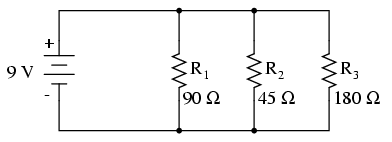
This is an example of a _______ circuit
a)
open
b)
series
c)
parallel
d)
square
18.
This is an example of a ______ circuit
a)
Series
b)
Parallel
c)
Open
d)
Dihexihedral
19.
This circuit has more than one loop. When one light goes out, the others stay on. 
a)
closed circuit
b)
series circuit
c)
parallel circuit
d)
open circuit
20.
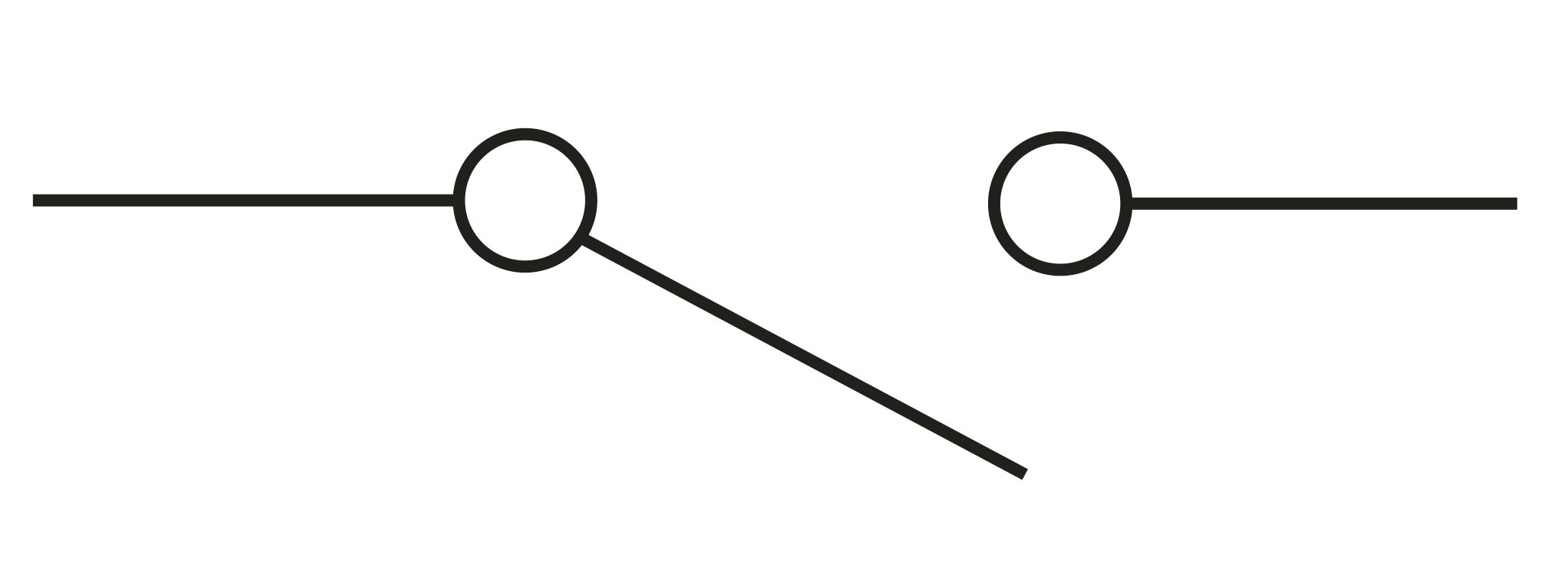
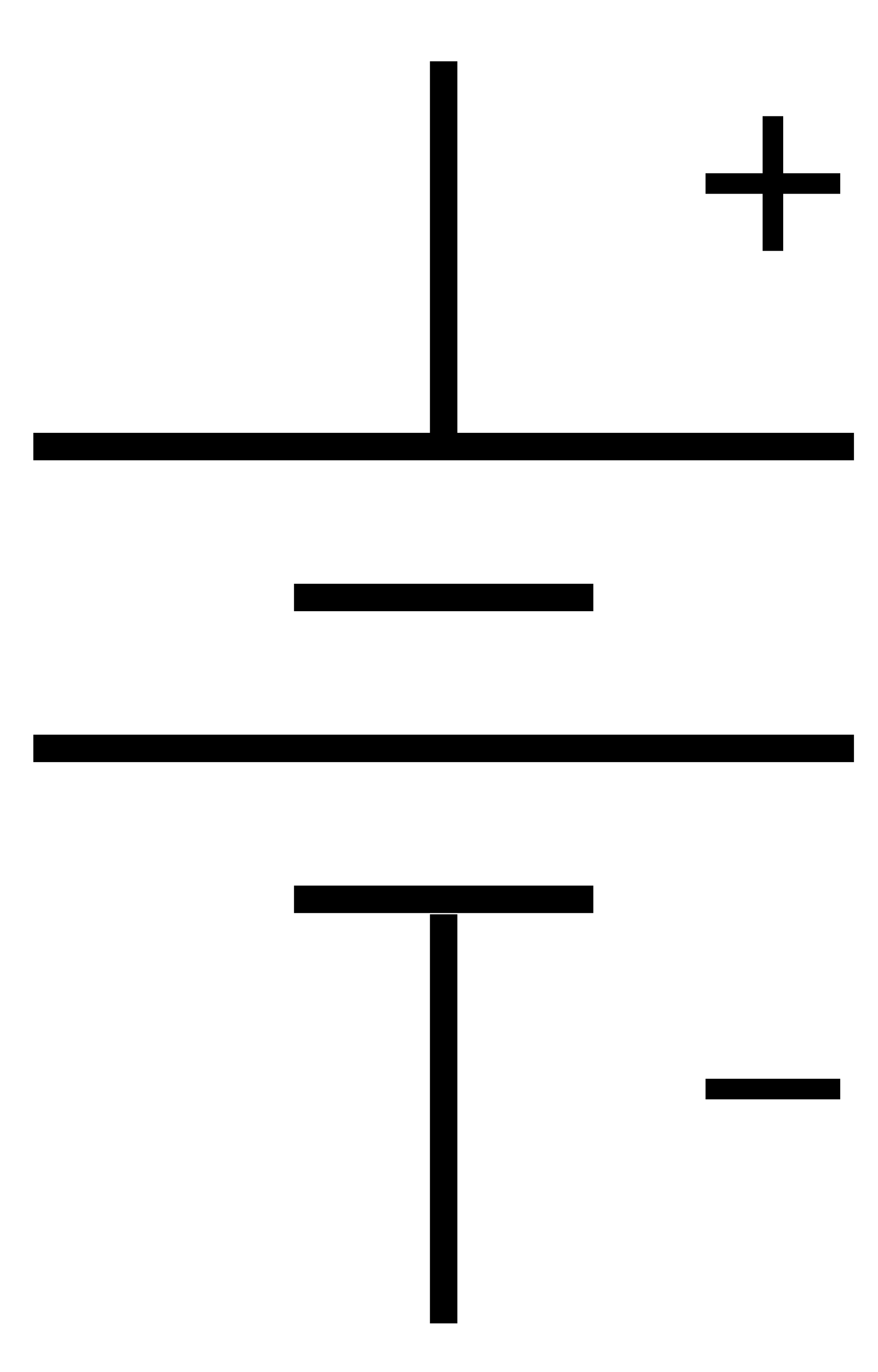
this is the symbol for a _____?
a)
switch
b)
light 
c)
battery
d)
wires
21.
what is this symbol for?
a)
light bulb
b)
switch
c)
battery
d)
resistor
22.
a)
Series circuit - Bulbs are lit
b)
Series circuit - Bulbs are off
c)
Parallel circuit - Bulbs are lit
d)
Parallel circuit - Bulbs are off
23.
This circuit does not work because…
a)
the bulbs are not connected properly
b)
the single cell is not powerful enough
c)
there is a break in the circuit
d)
there is a short crcuit
24.
What 'flows' in a wire?
a)
Protons
b)
Neutrons
c)
Atoms
d)
Electrons
25.
In a parallel circuit, if one connection is broken, all of the connections stop working.
a)
True
b)
False
26.
A series circuit has ____ path(s) that the electric current can take. 
a)
One
b)
Two 
c)
Three 
d)
Four
27.
Unit for current
a)
Ohm
b)
Ampere
c)
Volt
d)
Watt
28.
Electricity that flows in a closed path is called a
a)
path
b)
current
c)
circuit
d)
light
29.

1. Which switch or switches must be closed to make the lamps light?

a)

Only switch 1

b)

Only switch 1

c)

Switches 1 and 2

d)

Switches 1 , 2 and 3

30.

If lamp 2 is unscrewed from its holder, what will happen to lamp1?

a)

It will stay lit

b)

It will go out

c)

It will get dimmer

d)

It will dissapear

31.

Uranium atoms are split to create a tremendous amount of heat in a _____ power plant.

a)

biomass

b)

geothermal

c)

nuclear

d)

hydroelectric

32.

Which of these is non renewable

a)

natural gas

b)

water in a dam

c)

solar power

d)

wind energy

33.
All of the living and nonliving things in an area that interact with each other are called a/an ______.
a)
community
b)
habitat
c)
population
d)
ecosystem
34.
The living part of an ecosystem
a)
Biotic
b)
Abiotic
c)
Mother Earth
d)
Flowers
35.
The non-living part of an ecosystem
a)
Ocean
b)
Lava Flow
c)
Birds
d)
Abiotic
36.
The shrew provides energy for the _______?
a)
cricket
b)
grasshopper
c)
frog
d)
snake
37.
Which of the following is a herbivore?
a)
cricket
b)
frog
c)
hawk
d)
shrew
38.
Which best describes what a food chain shows you?
a)
Energy flow through an ecosystem
b)
Food flowing through an ecosystem
c)
Consumers going into other consumers
d)
Who eats who
39.
The rabbit in this food web would be considered a:
a)
Decomposer
b)
Producer
c)
Secondary Consumer
d)
Primary Consumer
40.
In this Food Web Pyramid Which type of consumer gets only 10% of the energy stored in plants?
a)
Herbivore
b)
Carnivore
c)
Omnivore
d)
Secondary Consumer
41.
What is the term for each step in the transfer of energy and matter within a biological community?
a)
energy path
b)
food web
c)
trophic level
d)
food pyramid
42.
What are the Abiotic factors in this image? 
a)
water, sunlight, dirt, air
b)
birds and plants
c)
birds, water, dirt
d)
plants, water
43.
What may happen if the snowshoe hare was removed from the food web pictured?
a)
The insects in the habitat would increase.
b)
The shrew population would decrease due to being only hawk food source.
c)
The willow tree population would decrease.
d)
Foxes would dies due to no food source. 
44.
What is it called when water is changed from a liquid to a gas?
a)
EVAPORATION
b)
PRECIPITATION
c)
TRANSPIRATION
45.
In the food web shown, the snail would be considered...
a)
primary consumer
b)
secondary consumer
c)
tertiary consumer
d)
producer
46.
What does NOT produce carbon dioxide?
a)
Photosynthesis
b)
Burning Fossil Fuels
c)
Animal respiration
d)
Plants decaying
47.
Combustion is another word for __________.
a)
Transportation
b)
Respiration
c)
Fossil Fuels
d)
Burning
48.
Combustion is another word for __________.
a)
Transportation
b)
Respiration
c)
Fossil Fuels
d)
Burning
49.
TRUE or FALSE?
All of the carbon in existence is continually recycled in the carbon cycle.
a)
True
b)
False
50.
Carbon can be found in...
a)
The atmosphere
b)
Soil
c)
Fossil fuels
d)
All of the above
51.
Which of the following removes carbon from the atmosphere?
a)
Combustion
b)
Respiration
c)
Photosynthesis
d)
Death
52.
Respiration is the process by which animals take in _____ and release _____. 
a)
photosynthesis, air
b)
carbon, oxygen
c)
oxygen
d)
oxygen, carbon dioxide
53.
If the plant population decreased, the amount of carbon would _________.
a)
Stay the same
b)
Increase
c)
Decrease
54.
carbon dioxide is a gas produced  by ________ and used by __________
a)
plants and animals 
b)
carbon and photosynthesis
c)
animals and plants 
d)
photosynthesis
55.

Which is a true statement?

a)

Humans depend on oxygen, plants depend on carbon dioxide

b)

Plants produce carbon dioxide

c)

Humans depend on carbon dioxide, plants depend on oxygen

d)

Humans don't depend on plants for the air they need

56.

Plants use ____________ to make their own food

a)

Water

b)

Sunlight

c)

Carbon dioxide

d)

All of these

57.

C6H12O6 is also known as glucose (sugar). Where is it found?

a)

Plants

b)

Animals

c)

Both plants and animals

d)

Neither plants or animals

58.

Carbon molecules cannot be created or destroyed

a)

True

b)

False

c)

Not enough information to answer

59.
When humans burn fossil fuels, most of the carbon quickly enters the                       as carbon dioxide.
a)
Water
b)
Atmosphere
c)
Sun
d)
Air
60.
How do living organisms return carbon to the atmosphere in the carbon cycle?
a)
respiration and photosynthesis
b)
 decomposition and respiration
61.
What is the water cycle?
a)
the 3 forms of water
b)
the movement of water on, above, or below the surface of the Earth
c)
when water melts
d)
when clouds form
62.
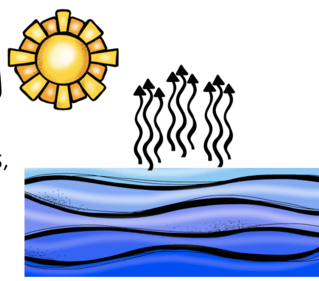
What part of the water cycle does this picture show?
a)
condensation
b)
precipitation
c)
evaporation
63.
Snow, sleet, hail, and rain are all examples of  ________________. 
a)
evaporation
b)
condensation
c)
accumulation
d)
precipitation
64.
What follows evaporation during the water cycle? How does this occur?
a)
Water evaporates into water vapor
b)
Water vapor condenses and forms a  cloud
c)
Water precipitates to the ground
d)
Water runs down into the hydrosphere
65.
What is the energy source for the water cycle?
a)
the sun
b)
the earth
c)
water
d)
the moon
66.
Evaporation happens when the sun ___________ water and turns it into vapor.
a)
cools
b)
heats up
c)
freezes
d)
lights up
67.
Is a deer an abiotic or biotic factor? 
a)
abiotic
b)
biotic
68.
An electron is:
a)
Neutral 
b)
Positively Charged 
c)
Electrostatic 
d)
Negatively Charged 
69.
When the number of electrons and protons is the same, the atom will: 
a)
Have no charge
b)
A positive charge
c)
Explode
d)
A negative charge
70.
Breaking a toothpick is an example of which type of change?
a)
Chemical Change 
b)
Mechanical Change 
c)
No Change 
d)
Physical Change 
71.
An explosion is an example of a: 
a)
Chemical Change 
b)
Physical Change
72.
Solids take the shape of their container.
a)
True
b)
False
73.

The desk is blue and 500 cm

a)

Qualitative

b)

Quantitative

c)

Both

d)

Peanut

74.

There are 3 sub atomic particles that we know of are...

a)

Proton, Neutron, electron

b)

Proton, electron, venton

c)

electron, Noltron, Kontron

d)

Noltron, kontromn, venton

75.
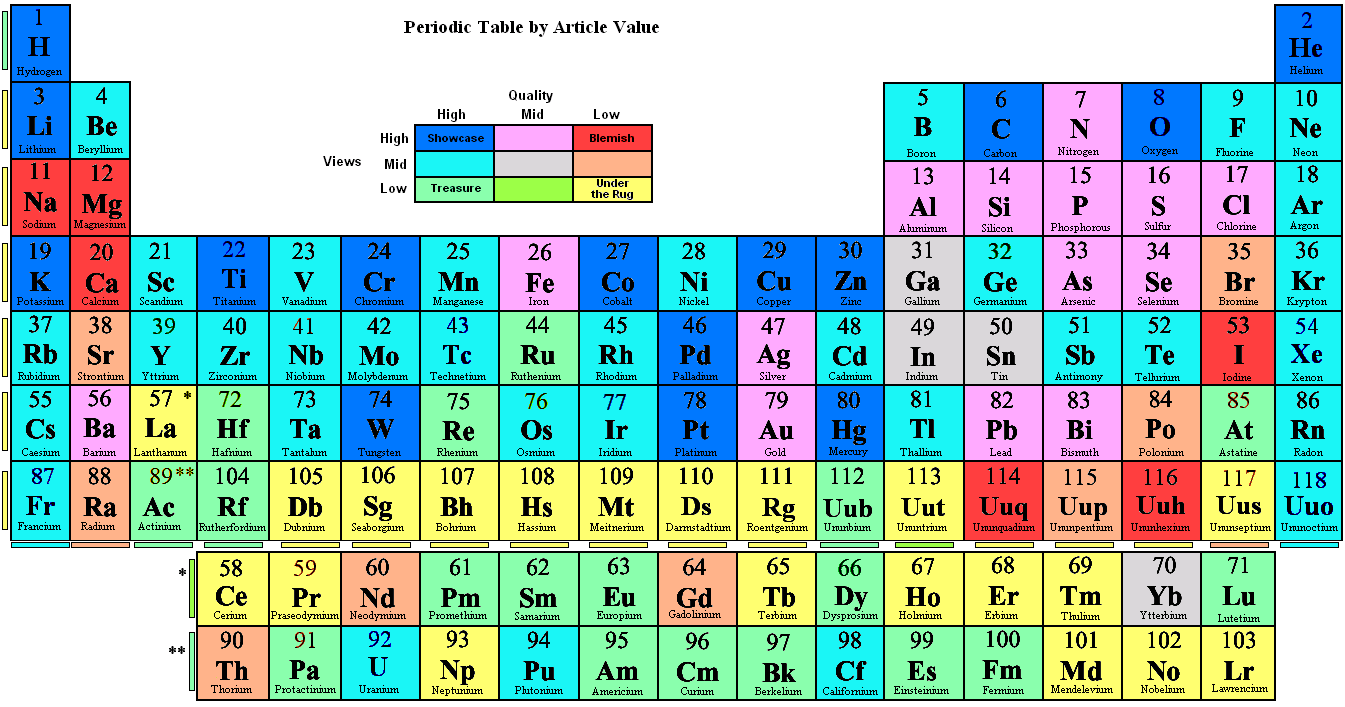
Each column in the periodic table is called a 
a)
period
b)
group
c)
cluster
d)
unit
76.
The atomic number tells you what?
a)
number of electrons
b)
number of protons
c)
number of neutrons
d)
both electrons and protons in an atom.
77.
Which group of the periodic table is composed of inert (not reactive)  gases?
a)
alkali metals
b)
alkaline earth metals
c)
halogens
d)
noble gases
78.
Elements which are shiny, conduct electricity and heat are called
a)
metal
b)
nonmetal
c)
metalloid
d)
nonexistent
79.
The atoms along the staircase are called 
a)
metals
b)
nonmetals
c)
metalloids
d)
noble gases
80.
Which is a halogen?
a)
Helium
b)
Chlorine
c)
Oxygen
d)
Neptune
81.
Which is an alkali metal?
a)
Magnesium
b)
Iron
c)
Sodium
d)
Europium
82.
A horizontal row of elements in the periodic table.
a)
column
b)
group
c)
period
83.
A vertical column in the periodic table.  Elements share similar properties.
a)
row
b)
group
c)
period
84.
A proton is....
a)
A negatively charged subatomic particle
b)
A positively charged subatomic particle
c)
A neutrally charged subatomic particle
d)
The only subatomic particle located in the nucleus
85.
A neutron has a charge of
a)
+2
b)
No charge
c)
-1
d)
+1
86.
The yellow atoms are called 
a)
metals
b)
nonmetals
c)
metalloids
d)
noble gases
87.

How many Valance electrons does fluorine have?

a)

6

b)

16

c)

7

d)

17

88.
How many electrons does Oxygen need to fill its outer shell?
a)
3
b)
4
c)
1
d)
2
89.
The period for Bromine is ___________.
a)
3
b)
2
c)
4
90.
An element's identity is determined by the number of
a)
electrons.
b)
protons.
c)
neutrons.
d)
valence.
91.
What period and group is Silver (Ag)? 
a)
Period 2, Group 1
b)
Period 3, Group 16
c)
Period 5, Group 11
d)
Period 2, 14
92.
The elements in this group have 5 valence electrons and include elements N, P, and As.
a)
Group 5
b)
Group 1
c)
Group 18
d)
Group 15
93.
What happens in ALL chemical changes?
a)
Change in state of matter
b)
A new substance is formed
c)
Bubbles are produced
d)
An explosion
94.
Which of the following is a sign that a chemical reaction has occurred?
a)
change in shape
b)
melting
c)
formation of a gas
d)
dissolving
95.
What subatomic particles would you find in the nucleus of an atom?
a)
Protons only
b)
Protons and Neutrons
c)
Neutrons and Electrons
d)
Protons and Electrons 
96.
Which subatomic particles contribute the most to the mass of an atom?
a)
Protons, Neutrons, Electrons
b)
Protons only
c)
Protons and Electrons
d)
Protons and Neutrons
97.
What is the number of protons that the element in this image contain?
a)
14
b)
7
c)
15
d)
18
98.
An atom has 10 protons, 15 neutrons and 10 electrons what is its mass number.
a)
20
b)
10
c)
5
d)
25
99.
An element with a mass number of 11 and an atomic number of 5 has how many neutrons?
a)
11
b)
5
c)
6
d)
16
100.
What is the atomic number of the atom pictured? 
a)
9
b)
10
c)
18
d)
19
101.
What is the atomic mass of the atom pictured? 
a)
9
b)
10
c)
18
d)
19
102.
How many electron shells/levels does this atom have?
a)
1
b)
2
c)
3
d)
4
103.
Neon has an atomic number of 10 and an atomic mass of 20.180.  How many protons, electrons, and neutrons will it have?
a)
P=10 E=10 N=11
b)
P=5  E=5  N=10
c)
P=10  E=10  N=10
d)
P=10  E=5  N=5
104.
How many valence electrons does Neon have?
a)
7
b)
8
c)
9
d)
10
105.
Which one of these is a chemical property?
a)
melting point
b)
boiling point
c)
color
d)
flammability
106.
Which of the following is a chemical property?
a)
ability to rust
b)
ability to conduct heat
c)
volume
d)
magnetic
107.
What kind of properties can only be observed when a substance changes into a different substance?
a)
physical properties
b)
chemical properties
c)
liquid properties
d)
real properties
108.
What is the name of this element?
a)
Helium
b)
Hydrogen
c)
Argon
d)
Silver
109.

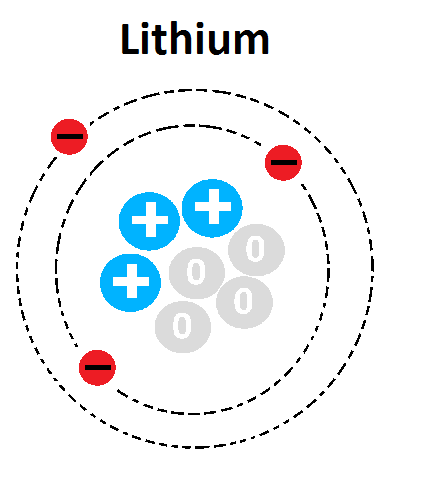
What element is represented in this Bohr Model?

a)

Carbon

b)

Hydrogen

c)

Aluminum

d)

Lithium

110.
What is the mass number of this atom?
a)
1
b)
3
c)
4
d)
7
111.
What is the name of this element?
a)
Lithium
b)
Boron
c)
Carbon
d)
Neon
112.
What's a valence electron?
a)
electrons in the second energy level
b)
electrons in the outermost energy level
c)
the atomic number
d)
electrons in the first level
113.
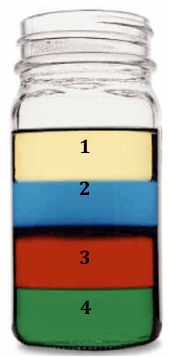
Put the liquids in order from most dense to least dense?
a)
4, 3, 2, 1
b)
1, 2, 3, 4
c)
3, 4, 2, 1, 
d)
4, 3, 1, 2
114.
Why does ice float?
a)
Liquid water is less dense than solid water.
b)
Solid water is less dense than liquid water.
c)
Gaseous water is less dense than solid water.
d)
Liquid water is less dense than gaseous water.
115.
What is the formula for density?
a)
density = mass x volume
b)
density = mass / volume
c)
density = mass + volume
d)
density = mass - volume
116.
Jack has a rock. The rock has a mass of 14 g and a volume of 2 cm3. What is the density of the rock?
a)
7 mL
b)
7 g/cm3
c)
28 g/cm3
d)
1/7 g/cm3
117.
What is the volume of 150 grams of lead if it has a density of 11.3 g/cm3?
a)
13.3 g
b)
13.3 cm3
c)
.075 g
d)
1695 cm3
118.
The density of this material is 2 g/cm3.
There are 24 cm3  Find the total mass.
a)
12 grams
b)
48 grams
c)
12 g/cm3
d)
48 g/cm3
119.

The candy was sour.

a)

Qualitative Data

b)

Quantitative Data

120.

The bug was 5cm long.

a)

Qualitative Data

b)

Quantitative Data

121.

The flower is red.

a)

Qualitative Data

b)

Quantitative Data

122.

It is cloudy outside today.

a)

Qualitative Data

b)

Quantitative Data

123.

There are 13 boys and 14 girls in fifth period.

a)

Qualitative Data

b)

Quantitative Data

124.

The mass of the beaker was 122 g.

a)

Qualitative Data

b)

Quantitative Data

125.
What is an ion?
a)
A Charged Atom
b)
A Large Atom
c)
A Small Atom
d)
A Cute Atom
126.
Why are ions formed?
a)
To make our lives difficult
b)
Because atoms want 8 valence electrons
c)
Because atoms have the same number of protons and electrons
d)
Because atoms gained neutrons
127.
An atom becomes _________ when it gains electrons.
a)
Positive
b)
Negative
c)
Neutral
d)
Invinsible
128.

What is the symbol for a phosphorus ion?

a)

P-3

b)

P+3

c)

P-2

d)

P+2

129.

What is the symbol for a gallium ion?

a)

Ga+3

b)

Ga-3

c)

Ga+2

d)

Ga-2

130.

When oxygen becomes an ion it will:

a)

gain 2 electrons

b)

lose 2 electrons

c)

gain 8 electrons

d)

lose 8 electrons

131.

What is the electron configuration of sodium?

a)

2, 8

b)

2, 8, 2

c)

2, 8, 1

d)

11

132.

What is an example of a human impact on the carbon cycle?

a)

Planting trees

b)

Burning fossil fuels

c)

Watering plants

d)

Recycling

133.

What is population density?

a)

The number of species in an ecosystem

b)

The number of individuals per unit area

c)

The total biomass of an ecosystem

d)

The diversity of species in a community

134.

What is carrying capacity?

a)

The maximum population size an environment can sustain

b)

The speed at which a population grows

c)

The number of species in a community

d)

The total area of a habitat

135.

Which of the following is an example of a physical change?

a)

Rusting of iron

b)

Melting of ice

c)

Burning of wood

d)

Baking a cake

136.

What is an example of a chemical change?

a)

Freezing water

b)

Dissolving sugar

c)

Burning paper

d)

Cutting wood

137.

What is an example of a pure substance?

a)

Salt water

b)

Oxygen

c)

Air

d)

Soil

138.

What is an example of a mixture?

a)

Carbon dioxide

b)

Water

c)

Air

d)

Gold

139.

What is an example of a density-independent limiting factor?

a)

Competition

b)

Predation

c)

Weather

d)

Parasitism

140.

What is an example of a density-dependent limiting factor?

a)

Natural disasters

b)

Food availability

c)

Climate change

d)

Sunlight

141.

Which of the following is an example of a homogeneous mixture?

a)

Sand and water

b)

Oil and water

c)

Iron filings and sulfur

d)

Salt dissolved in water

142.

What is the role of decomposers in an ecosystem?

a)

To produce energy through photosynthesis

b)

To break down dead organisms and recycle nutrients

c)

To compete with other species for resources

d)

To provide shelter for other organisms

143.

What is the primary role of producers in an ecosystem?

a)

To recycle nutrients

b)

To decompose organic matter

c)

To provide energy for consumers

d)

To compete for resources

144.

Which of the following is an example of a load in a circuit?

a)

light bulb

b)

battery

c)

switch

d)

wires

145.

Electricity is the movement of _____.

a)

circuit

b)

electrons

c)

molecules

d)

atoms

146.

What would happen to the bird if the green fish died out?

a)

the bird population would grow

b)

the bird population would die out

c)

the smaller fish will die out

147.

Which gas of the Earth's atmosphere is classified as a greenhouse gas?

a)

Nitrogen

b)

Carbon Dioxide

148.
Why does too much carbon dioxide in the atmosphere cause climate change?
a)
It cools down our planet.
b)
It blocks out UV rays.
c)
It traps heat and warms up our planet.
d)
It lets sunlight escape.
149.
A combination that can be separated by physical processes is a .....
a)
Pure Substance
b)
Glucose
c)
Element
d)
Mixture
150.
Chicken soup is an example of what kind of substance?
a)
homogenous mixture
b)
solution
c)
heterogeneous mixture
d)
compound
151.
FLUORINE
a)
F
b)
Fl
c)
Fu
d)
Fe
152.
What is the definition of a compound?
a)
The smallest part of any substance which can exist on its own
b)
Two or more atoms chemically joined together (can be the same or can be different)
c)
A simple substance in which all the atoms are identical
d)
Two or more different elements chemically joined together
153.
Walking across a carpet is an example of charge being transferred by
a)
friction.
b)
induction.
c)
contact.
d)
static electricity
154.
The collection of objects that orbits our Sun is called
a)
a. the solar system     
b)
b. Saturn 
c)
c. the galaxy
d)
d. the Universe
155.
Which of the following planets is considered a gas giant?
a)
Earth
b)
Jupiter
c)
Mars
d)
Venus
156.
How long does it take for the Moon to rotate around the Earth?
a)
24 hours
b)
27.6 days (1 month)
c)
365 days
d)
12 months
157.
Which is the smallest of the following: Planets; Solar System; Galaxy; Universe
a)
Universe
b)
Solar System
c)
Planets
d)
Galaxy
158.
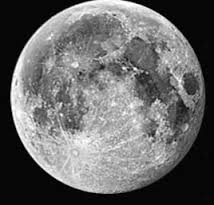
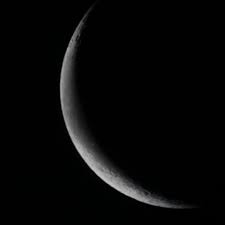
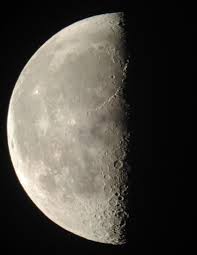
Name the moon phase
a)
First Quarter
b)
Last Quarter
c)
New Moon
d)
Full Moon
159.
A __________________ is a cloud of gas and dust where stars are born.
a)
nebula
b)
black hole
c)
constellation
d)
galaxy
160.
I orbit Earth and help your cell phones work. What am I?
a)
Space Shuttle 
b)
Rover
c)
Satellite
d)
Rocket
161.
Name the moon phase
a)
waning crescent
b)
waxing crescent
c)
waning gibbous
d)
waxing gibbous
162.
Name the moon phase
a)
First Quarter
b)
Last Quarter
c)
New Moon
d)
Full Moon
163.
Which type of eclipse occurs when the Earth comes directly between the Sun and Moon?
a)
Lunar eclipse
b)
Solar eclipse
164.
which symbiosis is this 
a)
parasitism 
b)
mutualism
c)
commensalism
d)
nonalism 
165.
symbiotic relationship in which both organisms benefit
a)
competition
b)
Mutualism
c)
nitrogen fixation
d)
energy pyramid
166.
The amount of energy that usually transfers from one trophic level to the next...
a)
10%
b)
20%
c)
80%
d)
50%
167.
In this food web, what is the grasshopper?
a)
producer
b)
tertiary consumer
c)
secondary consumer
d)
primary consumer
168.
What is commensalism?
a)
a symbiosis where one species is helped and the other is harmed
b)
a symbiosis where one species is helped and the other is neither helped nor harmed
c)
a symbiosis where both species are helped
d)
a symbiosis between 2 or more organisms
169.
A snake eats a frog that has eaten an insect that fed on a plant.Which of the following would be the correct term for the snake? 
a)
tertiary consumer
b)
secondary consumer 
c)
primary consumer 
d)
producer 
170.
Blue Color: Chemical or Physical Property
a)
Chemical Property
b)
Physical Property
171.

What is an independant variable?

a)

The variable the experimenter measures or observes.

b)

Variables that remain unchanged.

c)

All variables that change.

d)

The Variable that the experimenter manipulates.

172.

What is a dependant variable?

a)

The variable the experimenter measures or observes.

b)

Variables that remain unchanged.

c)

All variables that change.

d)

The Variable that the experimenter manipulates.

173.

The revolution of the earth (orbit around the Sun) leads to:

a)

Seasons (e.g. summer, winter)

b)

Day and night

174.

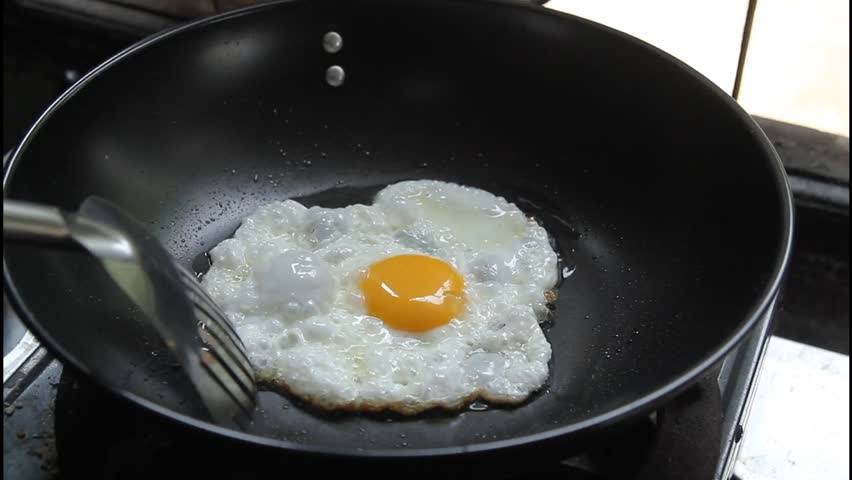
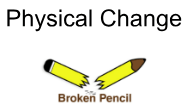
What kind of change is frying an egg?
a)
b)
175.

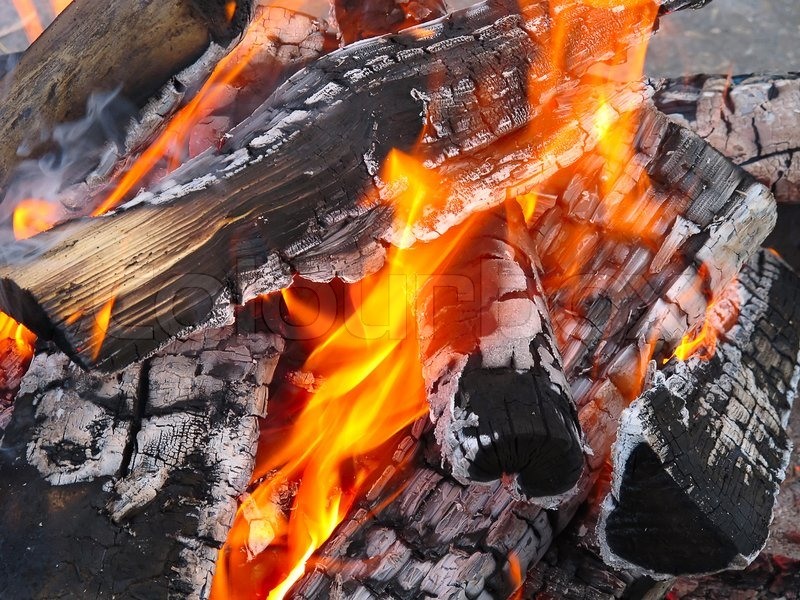
What kind of change is burning wood?

a)
b)