
 Worksheets
DOLAŞIM SİSTEMİ
Total questions: 129
Worksheet time: 7hrs 45mins
Atria kanı nereye pompalar?
Arterler
Vücut boşlukları
Venler
Ventriküller
İnsanlarda deoksijenize kan taşıyan tek arter:
Pulmoner arter
Renal arter
Aort
Karotid arter
İnsan vücudundaki kan akışının yönü nasıl korunur?
Ven duvarlarının elastikiyeti
Kalbin pompa hareketi
Kas kasılmaları
Bir valf sistemi
Kan:
Kalpten damarlara pompalanır
Akciğerlerden sağ atriyuma girer
Sıcaklık kontrolünde yer almaz
Vücutta bir dakikadan daha kısa sürede dolaşabilir
Kalpten kan iki damar aracılığıyla çıkar, bunlar:
Aort ve pulmoner ven
Pulmoner arter ve aort
Aort ve venae cavae
Pulmoner arter ve pulmoner ven
Bir çocuk sol bacağından zehirli bir yılan tarafından ısırılır. Zehir kalbine aşağıdaki yollarla ulaşır:
Akciğer venası
Sol subklavyen arter
Alt vena kava
Karaciğer portal venası
Aşağıdakilerden hangisi oksijensiz kan içerir?
Sol ventrikül
Pulmoner ven
Sağ atriyum
Koroner arter
Kalp döngüsünde kanın ventriküllerden pompalanma aşamasına ne denir?
Atriyal sistol
Ventriküler diyastol
Atriyal sistol
Ventriküler sistol
Bir kan damarı, bir arter olarak adlandırıldığında:
Oksijenli kanı kalbe taşır
Kanı kalbe taşır
Birçok kapakçık içerir
Kanı kalpten uzaklaştırır
Dolaşım sisteminin üç işlevinden biri şudur:
Hücrelerimizden atıkları taşır
Vücut sıcaklığını düzenlemeye yardımcı olur
Gerekli maddeleri hücrelere iletir
Tüm yukarıdakiler
Tüm bunlar kanın işlevleridir, ancak hangisi değildir?
Oksijen ve karbondioksitin taşınması.
Vücut sıcaklığının düzenlenmesi.
Vitaminlerin sentezi.
Enfeksiyona karşı savunma.
Vücudu kan kaybından ne korur?
Lökositlerin kümeleri tarafından oluşan pıhtılar.
Trombositler ve kan proteinleri tarafından oluşan pıhtılar.
Eritrositlerin ve eritrosit parçalarının kütleleri.
Zarar görmüş alandaki kılcal damarların daralması.
Kanın iki ana bileşeni şunlardır:
Serum ve hücreler.
Plazma ve hücreler.
Hücreler ve çözünmüş proteinler.
Kan hücreleri ve hücre parçaları.
Kan hücreleri nelerdir?
Eritrositler, lökositler ve trombositler.
Buffy coat ve plazma proteinleri.
Kan hücreleri, hücre parçaları ve plazma.
Kan tarafından sentezlenen tüm bileşikler.
Kan plazmasında toplam hacmin yaklaşık %92'sini oluşturan en bol bileşen nedir?
Oksijen
Gamma-globulin
Sodyum klorür
Su
Kanın kalp içinde tek yönlü akışını ne sağlar?
Kalp kasılmaları tarafından üretilen sabit basınç.
Kan akışının geri dönüşünü önleyen kalp içindeki kapakçıklar.
Arter duvarlarındaki düz kas dokusunun sıkıştırma hareketi.
Kılcal damarlardan sürekli plazma osmotik akışı.
__________ vücudun her yerine kan taşır;
__________ yalnızca akciğerlere ve geri kan taşır.
sistemik devre; pulmoner devre
pulmoner devre; sistemik devre
venöz dolaşım; arteriyel dolaşım
arteriyel dolaşım; venöz dolaşım
Myokard, aşağıdakilerden oluşur:
Dışta bir lifli tabaka ve içte bir seröz tabaka.
Kalp kası dokusu.
Basit yassı epitel ve bir areolar bağ dokusu tabakası.
Adlarından da anlaşılacağı gibi, her iki dolaşım devresinden dönen kanı alan kalp odacıkları şunlardır:
Kulakçıklar
Atriyumlar
Ventriküller
Sinüsler
Sol ventrikül ile ilgili aşağıdakilerden hangisi yanlıştır?
Duvarı genellikle sağ ventrikülün duvarından 3 kat daha kalındır.
Sol atriyumdan Mitral kapak ile ayrılır.
Üst uçta Aort ile onu ayıran Aortik yarımay kapak vardır.
Sol atriyumdan oksijensiz venöz kan alır.
Sistemik devreden gelen kan doğrudan hangi
kalp odasına döner?
sol atriyum.
sağ kulak.
sol kulak.
sağ atriyum.
Pulmoner trunk, hangi kalp odasından pulmoner dolaşıma kan taşır?
Sol atriyum.
Sağ atriyum.
Sol ventrikül.
Sağ ventrikül.
Akciğerlerden dönen oksijenli kan sol
atriuma hangi yol ile girer?
Pulmoner arterler.
Pulmoner venler.
Koroner sinüs.
Hepsi.
Sağ atriyumdan, kan sağ AV
(triküspit) kapak aracılığıyla:
Pulmoner trunk.
Sol atriyum.
Sağ ventrikül.
Sol ventrikül.
Kapalı olduğunda, sol atriyoventriküler kapak kanın geri akışını hangi bölüme engeller?
Sol ventrikül.
Sol atriyum.
Sağ atriyum.
Sağ ventrikül.
Kalp odacığına bakılmaksızın, kasılma ____________ ve gevşeme ____________ olarak adlandırılır.
Diastol, sistol.
Sistol, diastol.
Fibrilasyon, defibrilasyon.
Defibrilasyon, fibrilasyon.
Hangi damarlar ince duvarlara ve küçük çaplara sahiptir, bu da kan ile vücut dokuları arasında gaz ve besinlerin hızlı difüzyonunu kolaylaştırır?
Kılcal damarlar.
Arteriyoller.
Venüller.
Hepsi.
Venlerdeki kapakçıklar:
Bu ince duvarlı damarları korumak için aşırı basıncı serbest bırakır.
Çevredeki iskelet kaslarının ezici kuvvetine karşı koyar.
Yüksek kan basıncı olmadığında kanın geri akışını önler.
Vena kava'ları bölümlere ayırarak kan basıncını ayarlar.
Sistemik dolaşımla karşılaştırıldığında, pulmoner dolaşımın arterleri:
Daha düşük kan basıncına sahiptir.
Daha az elastik dokuya sahiptir.
Daha az oksijen içeren kan taşır.
Hepsi.
Ventriküller ile arterler arasındaki kapaklara ne denir?
Atrioventriküler kapaklar.
Mitral kapaklar.
Semilunar kapaklar.
Hepsi.
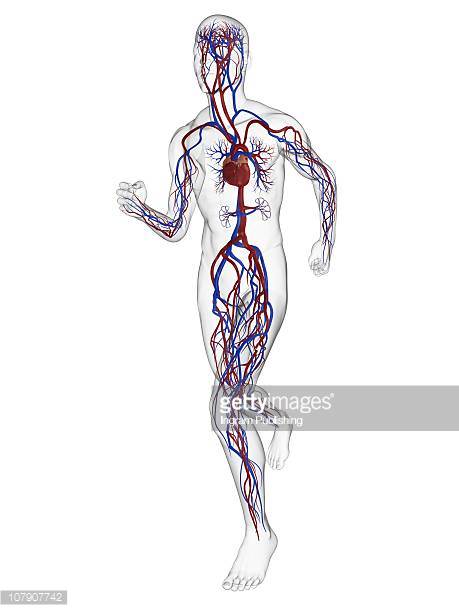
Dolaşım sisteminin ana organı nedir?
ince bağırsak
kemik
akciğerler
kalp
Vücudumuzda kaç çeşit kan damarı vardır?
1
2
3
4
Venler oksijen açısından fakir kanı kalbe geri taşır.
Yanlış
Doğru
Arterler, oksijen açısından zengin kanı kalpten uzaklaştırır.
Doğru
Yanlış
Kalbin görevi . . .
vücudun etrafında kan pompalamak.
yiyecekleri ince bağırsağa göndermek.
yiyecekleri parçalamak.
vücuda enerji vermek.
______________ en küçük kan damarlarıdır.
Arterler
Venler
Kılcal Damarlar
______________ ikinci en büyük kan damarlarıdır.
Atardamarlar
Toplar damarlar
Kılcal damarlar
Dolaşım sistemi, vücudumuza oksijen sağlamak için ___________ sistemi ile birlikte çalışır.
solunum
sindirim
kas
iskelet
Dolaşım sistemi, yediğimiz besinlerden enerji elde etmek için __________ sistemi ile birlikte çalışır.
solunum
sindirim
iskelet
sinir
Kalbin ___ odası vardır.
1
2
3
4

Deoksijenlenmiş ne demektir?
Oksijen açısından zengin
Kan akışı
Oksijen açısından fakir
Su akışı
Dolaşım sisteminin doğru tanımı nedir?
Vücudu sağlıklı tutmak için hastalıklarla savaşan sistem.
Kalp, kan damarları ve kanı içeren, vücutta kan ve oksijen dolaşımını sağlayan sistem.
Yiyecekleri daha küçük parçalara ayırır ve bu besin maddelerini vücuda emilir.
Vücuda şekil ve yapı sağlar.
Kalbin işlevi nedir?
Organları korur ve kırmızı kan hücreleri üretir.
Isı üretir.
Besinleri besin maddelerine ayırır.
Kalp bir pompadır, kanı hareket ettirir. Atardamarlar ve toplardamarlar, kanın aktığı borulardır.
arterler, venler ve kılcal damarlar üç tür __________
kalp kapakları
kan damarları
hücreler
venler

Dolaşım Sistemi başka ne olarak bilinir?
Kalp
Kardiyovasküler Sistem
Sinir Sistemi
Aort

Kırmızı kan hücreleri ne yapar?
Akciğerlerden vücut hücrelerine oksijen taşır ve hücrelerden akciğerlere karbondioksit taşır
Kanı kalbe doğru akmasını sağlar ve kanın geri akmasını engeller
Kılcal damarlardan kan toplar ve bunu damarlara boşaltır
Hücrelere besin taşır ve atık maddeleri uzaklaştırır.

Kan ne yapar?
Hücrelere Su taşır
Hücrelere Oksijen taşır
Hücrelere Besin taşır
Hepsini taşır
Kalp nedir?
et organı
genişletilmiş düz başlı küçük bir metal çivi
yumuşak sinir dokusundan organ
kas organı
Dolaşım sistemi ne yapar?
tüm vücutta kan pompalar
beyne kan pompalar
akciğerlere kan pompalar
kan pompalar
Karbon dioksit, _________________ olarak kabul edilir
gıda
atık
enerji
eğlenceli parti hediyesi
Atria pumps blood to the:
Arteries
Body cavities
Veins
Ventricles
The only artery in humans that carries deoxygenated blood is the:
Pulmonary artery
Renal artery
Aorta
Carotid artery
The direction of blood flow through the human body is maintained by:
The elasticity of the vein walls
The pump action of the heart
Muscular contractions
A system of valves
Blood leaves the heart in two vessels, namely the:
Aorta and pulmonary vein
Pulmonary artery and aorta
Aorta and venae cavae
Pulmonary artery and pulmonary vein
A boy is bitten by a venomous snake on his left leg. Poison gets to his heart through the:
Pulmonary vein
Left subclavian artery
Inferior vena cava
Hepatic portal vein
Which of the following contain deoxygenated blood?
Left ventricle
Pulmonary vein
Right atrium
Coronary artery
The phase in the cardiac cycle when blood is pumped out of the ventricles is called:
Atrial systole
Ventricular diastole
Atrial systole
Ventricular systole
A blood vessel is called an artery when it:
Transports oxygenated blood to the heart
Transports blood to the heart
Contains many valves
Transports blood away from the heart
Which of the following illustrates the circulatory system?


Type of circulation that refers to blood flow from the heart to the lungs and back to the heart again?
Systemic circulation
Renal circulation
Portal circulation
Pulmonary circulation
Type of circulation that refers to the blood flowing through the entire body?
Systemic circulation
Renal circulation
Portal circulation
Pulmonary circulation
The contraction/emptying phase of the cardiac cycle?
Systole
Diastole
The relaxing/filling stage of the cardiac cycle?
Systole
Diastole
The type of blood vessel that normally carries de-oxygenated blood back to the heart from body cells?
arteries
capillaries
veins
The type of blood vessel that normally carries oxygenated blood from the heart to the body cells?
arteries
capillaries
veins
The type of blood vessel where exchange of gases, nutrients, and wastes occurs?
arteries
capillaries
veins

The main vein(s) that brings blood to the right atrium?
Aorta
Pulmonary veins
Superior and Inferior vena cava
Jugular vein
These cells play a vital role in defending the body against infection
Leucocytes
Erythrocytes
Blastocytes
Plasmacytes
_______ function in the life-saving process of clotting blood.
Phagocytes
Leucocytes
Erythrocytes
Platelets
Blood cells that carry oxygen are called?
leucocytes
erythrocytes
lymphocytes
monocytes


Your heart is an involuntary muscle that is always working.
True
False
The heart is made of which of the following types of muscles?
Cardiac muscle
Striated muscle
Smooth muscle
None of the above
Your heart always pumps at the same rate.
True
False
Which of the following are chambers of the heart?
Valves
Atrium and ventricle
Arteries and veins
Sinoatrial nerve

What is the function of the circulatory system?
To provide nutrients to the whole body
To maintain homeostasis for the body
To fight off infection or disease
To transport nutrients, oxygen, and blood throughout the body
How does the heart work?
It pumps blood first to the lungs, back to the heart and then around the rest of the body.
It pumps blood first to the rest of the body, back to the lungs and then to the heart.
It pumps blood around the rest of the body, back to the heart and then to the lungs,

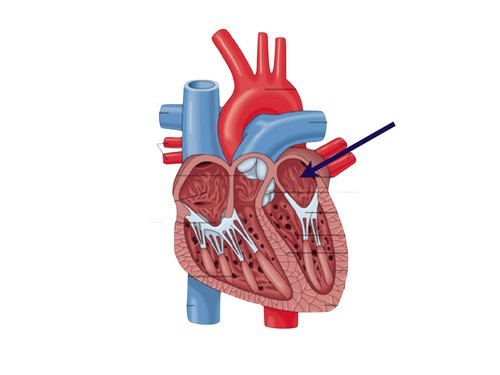
What part of the heart is circled in yellow?
Left atrium
Right atrium
Left ventricle
Right ventricle

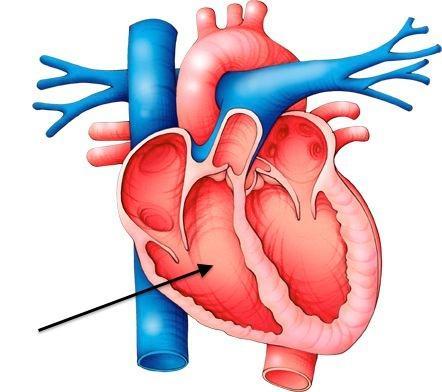
What part of the heart is circled in yellow?
Left atrium
Right atrium
Left ventricle
Right ventricle

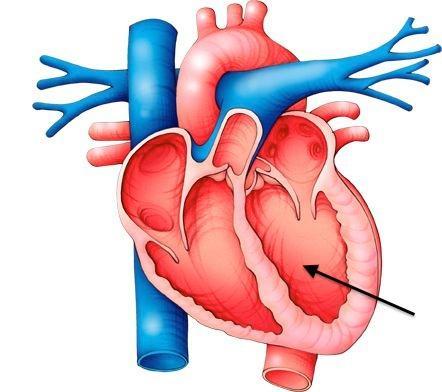
What part of the heart is circled in yellow?
Left atrium
Right atrium
Left ventricle
Right ventricle

What part of the heart is circled in yellow?
Left atrium
Right atrium
Left ventricle
Right ventricle
The arteries carry oxygen rich blood away from the heart.
True
False
What do we call the tiny tubes that return blood back to the heart?
arteries
chambers
veins
ventricles
Your blood is made up of which of the following...
plasma, red blood cells, blue blood cells
white and red blood cells
plasma and platelets
plasma, red blood cells, white blood cells, and platelets
What part of blood is responsible for carrying oxygen and carbon dioxide to body cells?
Red Blood Cells
White Blood Cells
Platelets
Plasma
What part of blood is responsible for fighting infections?
Red Blood Cells
White Blood Cells
Platelets
Plasma
The five main parts of the circulatory system are?
heart, blood, nutrients, flakes, skin
heart, blood, valves, crust, mantle
heart, blood, veins, arteries, capillaries
heart, blood, cells, skin, nerves
What protects the body against blood loss?
Clots formed by clusters of leukocytes.
Clots formed by platelets and blood proteins.
Masses of erythrocytes and erythrocyte fragments.
Constriction of capillaries in the damaged area.
The most abundant compound in blood plasma, accounting
for about 92% of the total volume, is:
Oxygen
Gamma-globulin
Sodium chloride
Water
What ensures the unidirectional flow of blood through the
heart?
Constant pressure generated by the heart contractions.
Valves within the heart that prevent backflow of blood.
Squeezing action of smooth muscle tissue in arterial walls.
Continuous osmotic outflow of plasma from capillaries.
The ____________ carries blood throughout the body;
the ____________ carries blood only to and from the
lungs.
systemic circuit; pulmonary circuit
pulmonary circuit; systemic circuit
venous circulation; arterial circulation
arterial circulation; venous circulation
Which vessels have thin walls and small diameters that facilitate rapid diffusion of gases and nutrients between blood and body tissues?
Capillaries.
Arterioles.
Venules.
All of the above.
Valves in veins serve to:
Release excessive pressure to protect these thin-walled vessels.
Counteract the crushing force of surrounding skeletal muscles.
Prevent backflow of blood in the absence of high blood pressure.
Adjust blood pressure by compartmentalizing the venae cavae.
____ % of your blood is plasma, 1% is WBC + Platelets, and ____ % is Red Blood Cells.
30; 70
60;40
55; 45
20; 80
Oxygenated blood enters the heart through which chamber?
Right atrium
Left atrium
Left Ventricle
Right Ventricle
After passing through the right atrium --> Tricuspid Valve --> right ventricle. Then, blood goes through the __________ valve.
Tricuspid
Bicuspid
Aortic Semilunar
Pulmonary Semilunar
Deoxygenated blood exits the heart through the _______ and goes to the lungs
Aorta
Pulmonary vein
Pulmonary artery
Vena cava
Which TWO vessels transport blood away from the heart?
Aorta
Vena Cava
Pulmonary Vein
Pulmonary Artery
The relaxing of the heart is known as
Diastole
Systole
Heart Rate
Cardiac Arrest
The visceral pericardium is the same as the
epicardium
myocardium.
parietal pericardium.
endocardium
Which of the following best describes the connection between cardiovascular disease and age?
As people age, their blood vessels become more elastic leading to less cardiovascular disease.
As people age, the heart becomes more efficient with each pump, increasing cardiac output.
As people age, blood pressure decreases leading to more cardiovascular disease.
As people age, plaque builds up in the arteries increasing vessel resistance, which leads to disease.
What causes atherosclerosis?
thickening of vessels' wall
an increase in blood viscosity
accumulation of fatty materials
an increase in blood volume
A heart rate below 60 beats per minute (bpm) is called:
Tachycardia
Bradycardia
Fibrillation
Heart Murmer
The ____________ carries blood throughout the body;
the ____________ carries blood only to and from the
lungs.
systemic circuit; pulmonary circuit
pulmonary circuit; systemic circuit
venous circulation; arterial circulation
arterial circulation; venous circulation
The myocardium mostly composed of
skeletal muscle cells
cardiac muscle cells.
smooth muscle cells
endothelial cells
Which of the following is NOT found in the tissue fluid?
Leukocyte
Erythrocyte
Glucose
Oxygen
Which of the following is the structural difference between lymph capillary and blood capillary?
Lymph capillary has blind-ended
Lymph capillary is continously
Lymph capillary wall is thick
Lymph capillary is green in colour
Which of the following is NOT a part of lymphatic system?
Tonsils
Lymph node
Lacteal
Heart

Why such condition in figure occur?
presence of tumor in lymphoid tissue.
excess fluid in subcutaneous tissues.
Activation of blood platelet.
buildup of fatty deposits in veins.

Choose the correct phase where systolic and diastolic pressure are read.
systolic: phase I
diastolic: phase V
systolic: phase II
diastolic: phase V
systolic: phase I
diastolic: phase IV
systolic: phase II
diastolic: phase IV
Which of the following is NOT mechanism to assist in venous return of blood to heart.
Rhythmic contractions of smooth muscles
Large diameter of veins.
Contraction of skeletal muscle.
Contraction of digestive system.
Identify direction of blood flow below to describe CYCLE 2 of cardiac cycle.
Blood moves into atrium and ventricle.
Blood moves out of atrium into ventricle.
Blood moves into atrium and out of ventricle.
Blood moves out of both atrium and ventricle.
T waves in an ECG indicates
ventricular relaxation.
ventricular contraction.
atrial contraction.
atrial relaxation.

