wayground logo

Free Printable Worksheets

NEW

Font size

S
M
L
XL
Worksheets

Biomes Practice

Total questions: 75

Worksheet time: 1hrs 5mins

Name
Class
Date
1.

According to the diagram, which of the following both have large amounts of precipitation?

a)

desert & tropical rain forest

b)

seasonal forest & tundra

c)

tundra & desert

d)

tropical rain forest & temperate rain forest

2.

Which of the following adaptations would you see from an animal that lives in a desert biome?

a)

nocturnal

b)

burrowing

c)

both nocturnal and burrowing

d)

none of the above

3.

The landscape of the tundra is characterized by having no trees. Why do you think there are no trees or other large plants in the tundra?

a)

Because of the permanently frozen ground, cold temperatures & short growing season

b)

Because it is too hot for part of the year

c)

Because it gets far too much precipitation

d)

none of these

4.

Terrestrial biomes are defined mainly by their

a)

climate, plants & animals

b)

climate only

c)

animals & plants only

d)

none of these

5.
The tundra biome & the desert biome are both very dry, but
a)
the desert is always hot
b)
the desert has a wider temperature range
c)
the tundra has a wider temperature range
d)
they are also similar in temperature
6.
The tropical rain forest & tropical savanna biomes are similar in ___________, but ________________________________.
a)
temperature / the savannah doesn't receive enough rainfall to be a forest
b)
precipitation / the rain forest is hotter
c)
precipitation / the savanna is cooler
d)
temperature / the rain forest doesn't receive enough sunlight to be a savanna
7.
The farther a biome is from the equator, the more we would expect it to be 
a)
warmer & wetter
b)
warmer & drier
c)
cooler & wetter
d)
cooler & drier
8.

The biome shown in the climatogram above would best be described as a:

a)

temperate deciduous forest

b)

desert

c)

tundra

d)

tropical rain forest

9.

What factors influence the type of plants grow in a biome?

a)

temperature & precipitation

b)

temperature only

c)

precipitation only

d)

none of these

10.

Which terrestrial biome has the most biodiversity?

a)

taiga

b)

tundra

c)

temperate deciduous forest

d)

tropical rainforest

11.

Characteristics of this biome include: warm year round, large herbivores and predators, drought resistant plants, animals give birth during the rainy season.

a)

tropical rainforest

b)

savanna

c)

desert

d)

tundra

12.

An animal adaptation for this biome is a change in fur color between the warmer and colder seasons.

a)

temperate forest

b)

tropical rainforest

c)

taiga

d)

none of these

13.

If you start near the North Pole and head south to the equator what biomes would expect to come across?

a)

tundra, then grassland, then tropical rainforest

b)

tropical rainforest, then deciduous forest, then desert

c)

desert, then deciduous forest, then tropical rainforest

d)

desert, then taiga, then more desert

14.

As altitude ____________, temperature _____________.

a)

decreases / decreases

b)

increases / decreases

c)

increases / increases

d)

none of these

15.
A large region characterized by its climate and organisms.
a)
biome
b)
ecosystem
c)
community
d)
population
16.
This biome is covered in coniferous forests.
a)
taiga
b)
tundra
c)
temperate rain forest
d)
deciduous forest
17.
a treeless biome that has permafrost
a)
Tundra
b)
Desert
c)
Taiga
d)
Deciduous
18.
This biome has trees with leaves that change color and fall off each year.
a)
taiga
b)
tundra
c)
temperate rain forest
d)
deciduous forest
19.

hot, humid forests with much rainfall

a)

grassland

b)

terrestrial ecosystems

c)

tropical rainforest

d)

biodiversity

20.

The cold biome of the far north. It has permanently frozen soil, so it can't support large plants.

a)

taiga

b)

canopy

c)

tundra

d)

biomes

21.

Which type of biome is it?

a)

Temperate grassland

b)

Chaparral/Mediterranean

c)

Desert

d)

Savanna grassland

22.

This biome has four very different seasons.

a)
tropical rain forest
b)
temperate rain forest
c)
deciduous forest
d)
grasslands
23.

A sandy or rocky biome with little precipitation or plant life.

a)

biomes

b)

tundra

c)

biodiversity

d)

desert

24.

Which two terrestrial biomes receive the least amount of precipitation?

a)

tundra and taiga

b)

tundra and desert

c)

desert and taiga

d)

desert and grassland

25.
Which biome has a climate is warm and moist throughout the year, and has more species of plants and animals than any other biome?
a)
Chaparral
b)
Tropical Rainforest
c)
Boreal Forest
d)
Tundra
26.

What is the main difference between the Tundra biome and the Taiga biome?

a)

The Tundra is located in the northern hemisphere and the Taiga is not

b)

The Taiga has animals that are more adapted to cold weather

c)

The Taiga has many trees and the Tundra is known as the Treeless biome

d)

There is no difference between the two biomes

27.

Which biome is characterized by broadleaf trees that shed leaves during the winter

a)

Taiga

b)

Boreal Forest

c)

Tropical Rainforest

d)

Deciduous Forest

28.

What factors can determine the characteristics of a biome?

a)

Climate

b)

Region of the world

c)

Biotic factors

d)

All of the above

29.
A large region characterized by its climate and organisms.
a)
biome
b)
ecosystem
c)
community
d)
population
30.
This biome has small, low to the ground plants that can tolerate heat.
a)
chaparral
b)
rain forest
c)
desert
d)
grassland
31.
In the summer, this biome is covered in lakes, bogs, and streams that attract bugs and birds.
a)
taiga
b)
tundra
c)
deciduous forest
d)
temperate rain forest
32.
This biome is covered in coniferous forests.
a)
taiga
b)
tundra
c)
temperate rain forest
d)
deciduous forest
33.
This biome has trees with leaves that change color and fall off each year.
a)
taiga
b)
tundra
c)
temperate rain forest
d)
deciduous forest
34.
This biome has primarily grazing animals like elephants, buffalo, giraffes, etc.
a)
chaparral
b)
grasslands
c)
deciduous forests
d)
tropical rain forest
35.
This biome primarily has little plants with small, waxy leaves.
a)
chaparral
b)
grasslands
c)
temperate rain forest
d)
deciduous forest
36.
This biome's temperature is very cold at night and then extremely hot in the day.
a)
tropical rain forest
b)
temperate rain forest
c)
chaparral
d)
desert
37.
What do you call ground that is permanently frozen?
a)
permacold
b)
permarock
c)
permafrozen
d)
permafrost
38.
This is the largest biome in the world.
a)
taiga
b)
tundra
c)
desert
d)
rain forest
39.
This biome has very high amounts of precipitation.
a)
temperate rain forest
b)
tropical rain forest
c)
both tropical and temperate rain forest
d)
none of these
40.
This biome's four seasons are very distinct.
a)
tropical rain forest
b)
temperate rain forest
c)
deciduous forest
d)
grasslands
41.
This biome is located at middle latitudes, has warm temperatures, and has various levels of precipitation.
a)
deciduous forest
b)
chaparral
c)
grasslands
d)
tropical rain forest
42.
The world's smallest biome, it is usually found near coasts.
a)
grasslands
b)
rain forests
c)
taiga
d)
chaparral
43.
Scientists and biologists have not yet agreed on a set number of biomes for everyone to study.
a)
True
b)
False
44.
This biome tends to have animals that are small and can burrow underground.
a)
grasslands
b)
chaparral
c)
desert
d)
taiga
45.
This biome has extremely cold, freezing winters and warm, humid, rainy summers.
a)
taiga
b)
rain forests
c)
deciduous forests
d)
grasslands
46.
More than half of the world's animals and plants live in this biome.
a)
grasslands
b)
deciduous forests
c)
taiga
d)
rain forests
47.
This biome has land that is very rocky, with both plains and mountains.
a)
desert
b)
grasslands
c)
chaparral
d)
taiga
48.
Antarctica is this biome.
a)
tundra
b)
taiga
c)
desert
d)
chaparral
49.
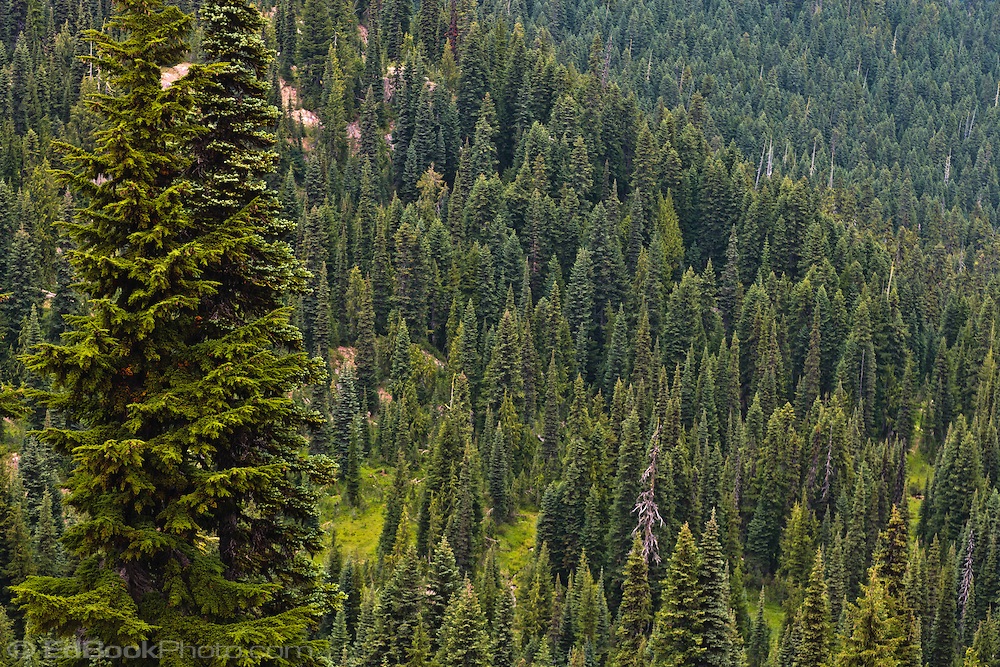
The biome pictured is
a)
boreal forest
b)
temperate deciduous forest
c)
tropical rain forest
d)
temperate rain forest
50.
The biome pictured is
a)
tropical rain forest
b)
temperate deciduous forest
c)
temperate rain forest
d)
tropical seasonal forest
51.

One characteristic feature of the tundra is that only the surface thaws in the summer and refreezes in the winter, leaving a permanently frozen subsoil. This characteristic is known as

a)

Condensation

b)

Glaciation

c)

Permafrost

d)

Crystallization

52.

Which biome is characterized by low temperatures and low amounts of rainfall?

a)

Tundra

b)

Desert

c)

Temperate Deciduous Forest

d)

Tropical Rainforest

53.
The biome known for trees with broad leaves that fall off the trees in the winter.
a)

Boreal/Coniferous Forests

b)

Temperate Seasonal (Deciduous) Forests

c)
Deserts
d)

Tropical Rainforests

54.

Which biome covers most of the land mass near Earth's equator?

a)

Desert

b)

Grassland

c)

Tropical rainforest

d)

Temperate forest

55.

The rainforest soil is

a)

poor and rocky

b)

frozen soil

c)

thick and nutrient rich

d)

thin and nutrient poor

56.
Which biome, because of its climate, has the largest number of species of plants and animals?
a)
Tundra
b)

Tropical Rainforest

c)
Desert
d)

Boreal forest

57.

Plants with spines and waxy leaves are well suited for life in which environment?

a)

Desert

b)

Temperate Deciduous forest

c)

Grassland

d)

Tropical Rainfroest

58.
Most of the nutrients in a tropical rain forest are found in plants so, 
a)
the rain forest soil is very rich.
b)
there are few animals in the rain forest.
c)
the rainforest soil is poor in nutrients
d)
there are few plants in the rainforest.
59.
What is the main factor that separates the biomes?
a)
Land
b)
Water
c)
Climate
d)
Longitude
60.
Which biome has coniferous trees (which don't lose their leaves)?
a)

Boreal Forest

b)

Temperate Deciduous Forest

c)

Tundra

d)
Grasslands
61.
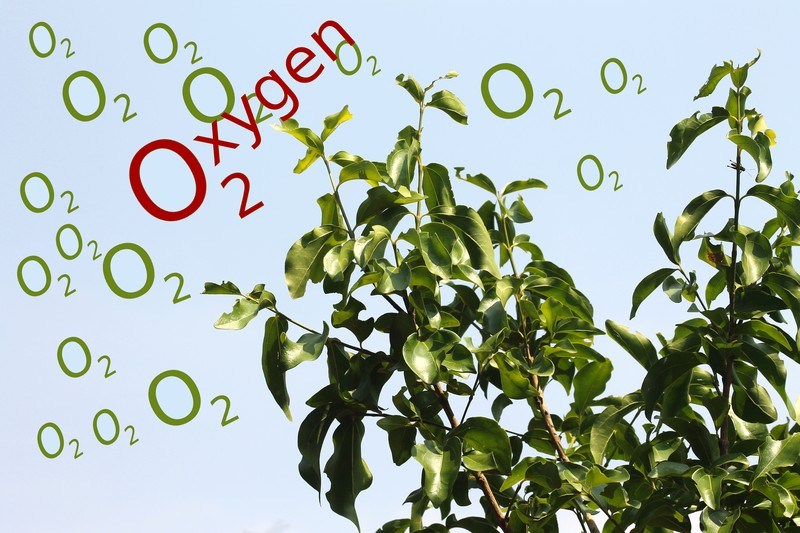
Which biome produces over 50% of the world's oxygen?
a)

Tropical Rainforest

b)

Temperate Seasonal Forest

c)
Grasslands
d)

Tundra

62.

Which biome has the least amount of biodiversity? (the least different kinds of organisms)

a)

tropical rain forest

b)

savanna

c)

grassland

d)

desert

63.

In which biome would you find the best soil for agriculture?

a)

grassland

b)

tundra

c)

desert

d)

tropical rainforest

64.
What Biome does this climate graph belong to?
a)
Desert
b)
Tropical Rainforest
c)
Temperate Forest
d)
Tundra
65.
The most important abiotic factors when studying biomes are...
a)
Food and Water
b)
Rain and Sunlight
c)
Temperature and Oxygen
d)
Precipitation and Temperature 
66.

Which of the following does NOT characterize a tropical forest?

a)

Nutrient-rich soil

b)

Little light reaching the forest floor

c)

High biodiversity

d)

Consistently warm temperatures

67.
Plants in the tundra grow close to the ground and have shallow root systems.  Which statement best explains why these plants have shallow root systems?
a)
The plants are eaten before they mature.
b)
The ground has a layer of permafrost.
c)
The ground has a layer of detritus.
d)
The plants are trampled by large herbivores.
68.
Which of the following biomes has the highest soil nutrient levels?
a)
Temperate seasonal forest
b)
tropical rainforest
c)

Desert

d)
boreal forest
69.

This climatogram is likely for which biome?

a)

desert

b)

rainforest

c)

temperate seasonal forest

d)

grassland

70.

The biome in yellow is

a)

Grassland

b)

Tundra

c)

Desert

d)

Temperate Seasonal Forest

71.

This biome in Blue is the .....

a)

Desert

b)

Grassland

c)

Tundra

d)

Temperate Forest

72.

This biomes greatest threat could be global warming which is melting the permafrost layer

a)

Boreal Forest

b)

Temperate Deciduous Forest

c)

Grassland

d)

Tundra

73.

Logging for these large coniferous trees is one of the biggest threats to this biome....

a)

Tundra

b)

Temperate Deciduous Forest

c)

Boreal Forest

d)

Grassland

74.

The desert and tundra are alike because

a)

Both have very low temperatures

b)

sandy soils

c)

limited available water

d)

large seasonal variation

75.

Cone bearing trees like pine, spruce and fir and animals like moose, elk and bears can be found in what biome?

a)

Boreal/Coniferous Forest

b)

Desert

c)

Grassland

d)

Temperate Forest/ Deciduous Forest