Worksheets
Quarter 1 BIO EOC Review
Total questions: 84
Worksheet time: 2hrs 6mins
What is a scientific model?
A representation of an object, system, or concept that helps to explain and predict phenomena in the natural world.
A detailed description of a scientific experiment.
A collection of data points used to analyze trends.
A theoretical framework that cannot be tested.
What represents ethical behavior in scientific investigation?
Accurate reporting of results and allowing others to review your work.
Conducting experiments without any oversight.
Publishing results without peer review.
Exposing test subjects to unnecessary risks.
What is the scientific method?
A systematic process that uses observation and experimentation to gain knowledge about events in nature.
A random approach to understanding natural phenomena.
A method that relies solely on theoretical assumptions without experimentation.
A way to conduct research without any structured process.
What is the significance of reproducibility in science?
It allows researchers to publish findings without verification.
It enables other researchers to verify results and confirm findings through repeated experiments.
It reduces the need for peer review in scientific publications.
It ensures that all experiments yield the same results every time.
What is an independent variable?
A variable that is measured in an experiment.
A variable that is kept constant throughout the experiment.
A factor that is changed or controlled in a scientific experiment to test its effects on the dependent variable.
A variable that does not affect the outcome of the experiment.
What is the dependent variable?
The factor that is manipulated in an experiment.
The factor that is measured or observed in an experiment, which is affected by changes in the independent variable.
The constant factor that remains unchanged throughout the experiment.
The hypothesis that is tested during the experiment.
What is an experiment?
A method to collect data without a hypothesis.
A procedure carried out to support, refute, or validate a hypothesis.
A way to analyze past data without conducting new tests.
A technique used only in scientific research.
What is the importance of peer review in science?
It helps validate research findings, ensures accuracy, and maintains quality in scientific literature.
It allows researchers to publish their work without scrutiny.
It is a method to increase the number of publications.
It serves as a marketing tool for scientific journals.
What is the goal of a scientific investigation?
To entertain the audience
To help the scientist solve a problem or answer a question.
To create new technology
To prove a hypothesis without evidence.
What is a theory in science?
A theory is a guess about how things work.
A theory is a well-substantiated explanation of some aspect of the natural world, based on a body of evidence and repeatedly tested through observation and experimentation.
A theory is an untested hypothesis.
A theory is a simple statement that describes a phenomenon.
What is a variable in an experiment?
A variable is a constant factor that does not change during an experiment.
A variable is any factor, trait, or condition that can exist in differing amounts or types in an experiment.
A variable is the outcome that is measured in an experiment.
A variable is a specific type of equipment used in experiments.
What is a control group?
A group that receives the treatment in an experiment.
A group that does not receive the treatment, used as a benchmark.
A group that is randomly selected from the population.
A group that receives a placebo instead of the treatment.
What is a scientific law?
A statement based on repeated experimental observations that describes some aspect of the world, often expressed mathematically.
A hypothesis that has not yet been tested.
An opinion based on personal beliefs and experiences.
A theory that is widely accepted but not proven.
What is a hypothesis?
A proposed explanation for a phenomenon, which can be tested through experimentation.
A definitive conclusion based on extensive research.
An assumption made without evidence.
A random guess about an outcome.
What is the role of observation in scientific research?
Observation is crucial as it helps scientists gather data and identify patterns or phenomena to study.
Observation is only necessary for experiments involving animals.
Observation is used to confirm hypotheses without collecting data.
Observation is not important in scientific research.
The variable that is changed on purpose in an investigation is called the ...
The variable that is being tested, counted, or measured and is what you look at the end of an investigation is called ...
A variable that is used for comparison, does not get any change, and there can be many of these variables in an investigation.
Angel wants to know if the type of soap has an effect on how clean her clothes get. What is the independent variable?
type of soap
how long the laundry takes
Angel wants to know if the type of soap has an effect on how clean her clothes get. What is the dependent variable?
type of soap
how clean the clothes are
Zach wants to determine if the amount of time spent on social media has an effect of grades. What is the dependent variable?
popularity
grades
Maddie wants to determine if the weight of the dog will determine the number of puppies in a litter. What is the independent variable?
weight of dog
number of puppies
What is the monomer of Carbohydrates?
Amino Acid
Monosacharrides
Fatty Acids
DNA/RNA
What is the monomer of lipids?
Amino Acids
Monosaccharides
Fatty Acids
DNA/RNA
What is the monomer of proteins?
Amino Acids
Monosaccharides
Fatty Acids
DNA/RNA
What is the monomer of nucleic acids?
Amino Acids
Monosaccharides
Fatty Acids
Nucleotides
What is the function of a carbohydrate?
Control rates of reactions, form muscle and bones
Provide long term energy, protection, waterproofing, and insulation.
Main source of energy and is quick.
Store and transmit genetic information.
What is the function of lipids?
Control rates of reactions and forms muscle and bones.
Main source of energy.
Energy storage, protection, waterproofing and insulation.
Store and transmit genetic information.
What is the function of proteins?
Main source of energy.
Energy storage, protection, waterproofing and insulation
Store and transmit genetic information.
Control rates of reactions and form muscles and bones.
What is the function of nucleic acids?
Main source of energy.
Energy storage, protection, water proofing, and insulation.
Control rates of reactions and form muscles and bones.
Store and transmit genetic information.
What is an example of a lipid?


What is an example of a carbohydrate?


What is an example of a protein?


What is an example of a nucleic acid?


What macromolecule is classified as an enzyme?
Carbohydrate
Protein
Nucleic Acid
Lipids
What does an enzyme do for reactions?
Act as catalysts to speed up reactions.
Act as catalysts to slow down reactions.
Act as catalysts to keep reactions stable.
What are examples of carbohydrates?
triglycerides, waxes, fat, and oils
form polypeptides such as antibodies, enzymes, and hormones
glucose, fructose, cellulose, and lactose
DNA and RNA
What are examples of proteins?
triglycerides, waxes, fats, and oils
form polypeptides such as antibodies, enzymes, and hormones
glucose, fructose, cellulose, and lactose
DNA and RNA
What are examples of lipids?
triglycerides, waxes, fats, and oils
form polypeptides such as antibodies, enzymes, and hormones
glucose, fructose, cellulose, and lactose
DNA and RNA
What are examples of nucleic acids?
triglycerides, waxes, fats, and oils
form polypeptides such as antibodies, enzymes, and hormones.
glucose, fructose, cellulose, and lactose
DNA and RNA
The cell membrane of a cell consists of
protein molecules arranged around 2 layers
two layers of lipids with embedded proteins built in
lipid molecules positioned between two carbohydrate layers
protein molecules which are made of sugar

Which of the following conclusions can be drawn from the graph?
The optimum temperature is 20C
The optimum temperature is 38C
The enzyme's activity continually increases as temperature increases.
The enzyme's activity continually decreases as temperature increases.



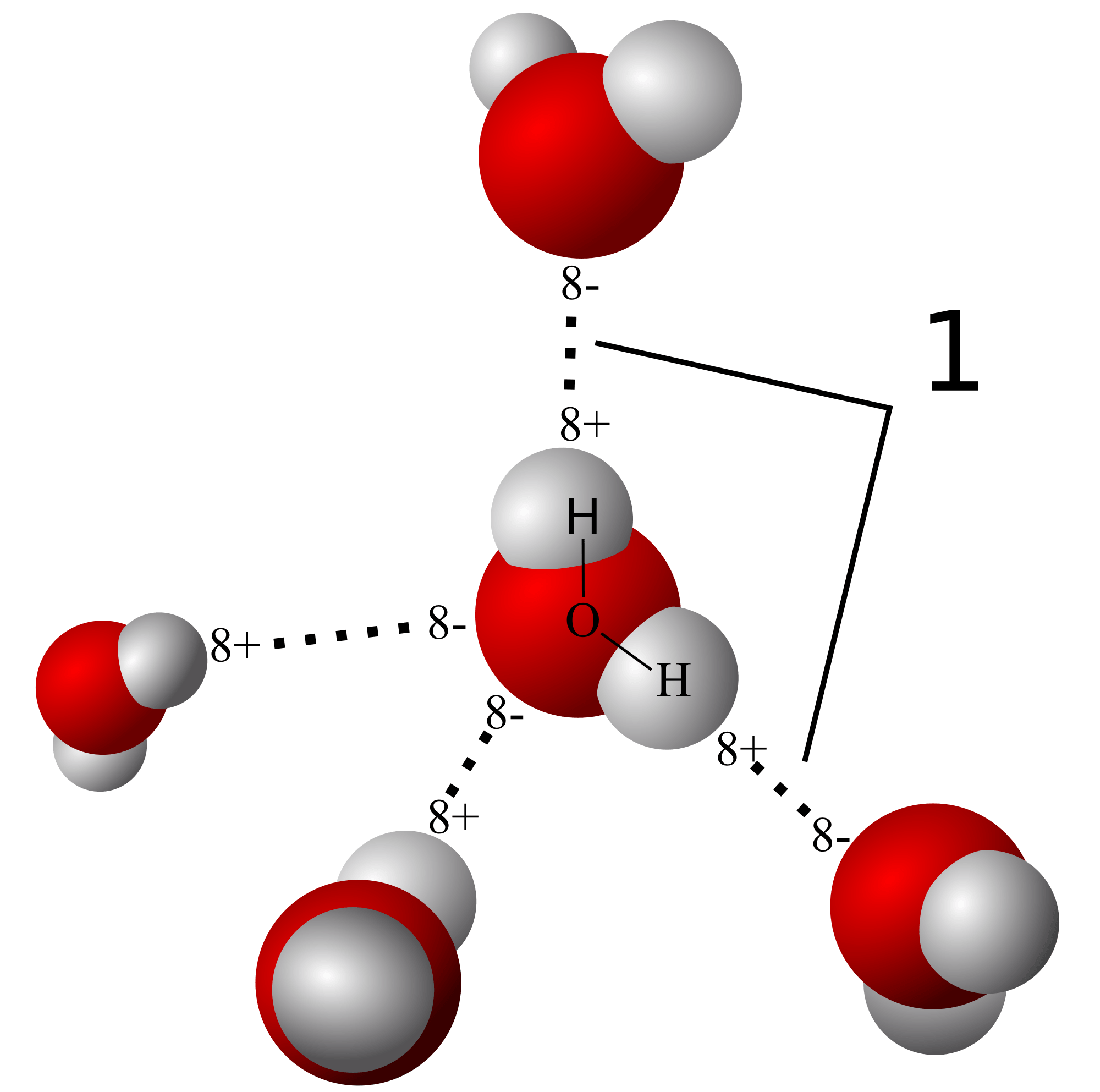




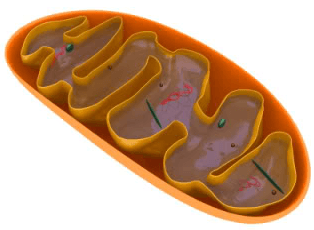



This is the equation is for? 6Co2 + 6H2O ----> C6 H12 O6 6O2
photosynthesis
cellular respiration