
Font size
 Worksheets
cerebrovascular: disease
Total questions: 93
Worksheet time: 53mins
What happens to the PSV when there is high cardiac output?
Increased PSV bilat
Decreased PSV bilat
No change in PSV
Variable PSV
According to the content, the cerebro system follows the same hemodynamic principles as which vascular system?
Venous
Lymphatic
Arterial
Portal
Because the cerebro system is closer to the heart, what overall effect can cardiac state have on flow patterns?
Unilateral flow changes only
No effect on flow patterns
Bilateral flow changes
Only increases diastolic flow
High cardiac output is associated with which specific Doppler change in the cerebro system?
Decreased PSV bilaterally
Increased PSV bilaterally
No change in PSV
Increased spectral broadening only
Changes in viscosity due to low hemoglobin lead to what hemodynamic effect throughout the system?
Increased resistance and lower velocities
Less viscous blood causing decreased resistance and overall high velocities throughout
No change in resistance or velocity
More viscous blood causing increased resistance and low velocities
What is the effect of poor cardiac output on PSV and wave profile?
Decreased PSV and dampened wave profile
Increased PSV and sharp wave profile
No change in PSV and wave profile
Decreased PSV and sharp wave profile
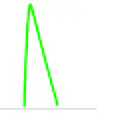
What changes occur in the waveform distal to obstruction?
Post stenotic turbulence. Rounding of waveform. Slow upstroke
Increased amplitude of waveform. Rapid upstroke
No change in waveform. Constant flow
Decreased frequency. Sharp peak
What changes occur in the waveform prox to severe obstruction?
Post stenotic turbulence. Rounding of waveform. Slow upstroke
Increased amplitude of waveform. Rapid upstroke
No change in waveform. Constant flow
Decreased frequency. Sharp peak
increase resistance, decrease EDV, may also have dec PSV
What does TIA stand for in the context of cerebrovascular disease?
transient ischemic attack
temporary ischemic anomaly
total ischemic arrest
transient inflammatory ailment
Which of the following is a symptom of cerebrovascular disease?
Permanent neurologic deficit
Temporary neurologic deficit
Complete recovery within 24 hours
All of the above
What is the most common reason for cerebrovascular insufficiency?
Ischemia
Hemorrhage
Aneurysm
Vasculitis
All of these are factors of cerebrovascular disease
, Which risk factor is identified as the MOST contributing factor for cerebrovascular disease in the risk list provided?
Diabetes
Hypertension
Smoking
Hyperlipidemia
The mechanism of ischemia in cerebrovascular disease involves:
A reduction in blood flow to the brain due to blockage or narrowing of blood vessels.
An increase in blood flow to the brain due to dilation of blood vessels.
A reduction in blood flow to the brain due to increased blood pressure.
An increase in blood flow to the brain due to decreased blood pressure.
What is the characteristic of a fatty streak in vascular plaques?
Thin hypoechoic layer
Thick echogenic layer
Calcified nodule
Fibrous cap
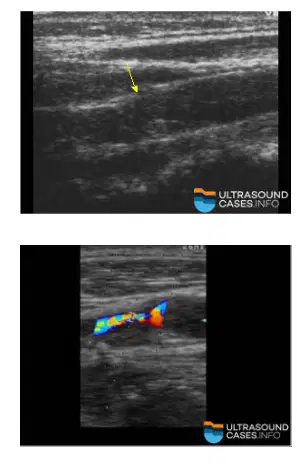
Which type of plaque is described as lipids with collagen and fibrous material, also known as smooth or homogeneous?
Fibrous plaque
Calcified plaque
Mixed plaque
Thrombotic plaque
What is the appearance of a soft fibrous plaque?
Hypoechoic
Hyperechoic
Isoechoic
Anechoic
What is the appearance of a hard/dense fibrous plaque?
Echogenic
Hypoechoic
Anechoic
Isoechoic
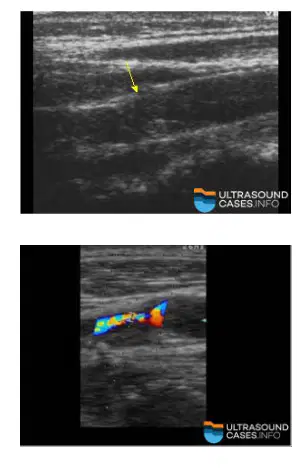
Which type of lesion is complex or heterogeneous and may appear mixed with calcium and debris?
Complicated lesion
Simple lesion
Benign lesion
Malignant lesion
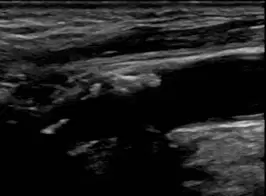
Which plaque type is completely hyperechoic with posterior shadowing and may limit visualization and evaluation of high-velocity flow?
Fibrous plaque
Complicated lesion
Calcified plaque
Intraplaque hemorrhage
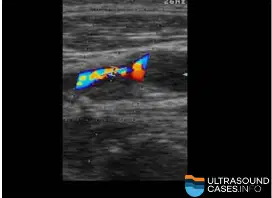
A lesion that is complex or heterogeneous with fibrous tissue mixed with calcium and debris, showing a mixed appearance (hypo, echogenic, calcified) is best termed:
Ulcerative plaque
Complicated lesion
Intraplaque hemorrhage
Fatty streak
What is the characteristic of a calcified plaque?
Completely hyperechoic with posterior shadowing
Partially hyperechoic with no shadowing
Hypoechoic with posterior enhancement
Isoechoic with no posterior features
Which statement best defines a Transient Ischemic Attack (TIA) according to the content?
Neurologic deficit with permanent effects lasting beyond 72 hours
Neurologic deficit with no lasting effects; complete recovery within 24 hours; usually embolic (most common from heart)
Posterior circulation ischemia causing permanent neurologic deficit
Bleeding in the brain from hypertension, ruptured aneurysm, or trauma
A Reversible Ischemic Neurologic Deficit (RIND) lasts longer than a TIA but has complete recovery within _______.
- must be past event
72 hours
82 hours
24 hours
none of these
Match the following with the correct term.
Complete recovery within 24 hours; usually embolic
Transient Ischemic Attack (TIA)
Complete recovery within 72 hours; must be past event
Reversible Ischemic Neurologic Deficit
permanent neurologic deficit
CVA cerebrovascular accident
Ischemia affecting posterior circulation
Vertebrobasilar Insufficiency (VBI)
A patient experiences a sudden fall to the ground without losing consciousness. Based on the listed VBI features, which term BEST matches this presentation?
Syncope
Drop attack
Ataxia
Diplopia
Which of the following clusters aligns with posterior circulation/vertebrobasilar insufficiency (VBI) features listed on the page?
Dizziness, syncope, headache, confusion
Ataxia with poor gait, diplopia, bilateral blurry vision, bilateral paresthesia, and drop attack, vertigo
Entire side of body weakness with amaurosis fugax
Face and arm weakness with speech and behavior changes
Which of the following is listed as a specific symptom of Posterior Cerebral Artery (PCA) involvement?
Aphasia and facial droop
Leg weakness and incontinence
Dyslexia and coma
Amaurosis fugax and speech deficits
Which of the following symptoms are explicitly listed as non-localizing neurological signs that "tell us nothing" about lesion location?
Vertigo and diplopia
Dizziness, syncope, headache, and confusion
Ataxia and bilateral paresthesia
Amaurosis fugax and speech disturbance
A patient presents with a sudden drop attack (falling to the ground without losing consciousness) accompanied by bilateral blurry vision. Based on the provided information, these findings are most consistent with dysfunction in which circulation territory?
Anterior cerebral circulation
Middle cerebral circulation
Posterior circulation (vertebrobasilar insufficiency)
Internal carotid artery
hich of the following are listed as mechanisms or sources of ischemia?
Atherothrombotic, cardiogenic (stenosis, occlusion, thrombus/embolism)
Autoimmune-mediated vasculitis and infection
Dehydration and electrolyte imbalance
Neurodegeneration and demyelination
According to the mechanism of disease section, what is the most common reason for cerebrovascular insufficiency?
Hemorrhage due to trauma
Ischemia due to blockages
Autoimmune vasculitis
Infection of cerebral vessels
since ischemia is the most common reason for cerebrovascular insufficiency , most common disease is ____ risk is same as aterial
atherosclerosis
pseudoaneurysm
thrombosis
stenosis
Atherosclerosis is described as thickening and hardening of the ______ and ______ layers, most commonly found at bifurcations and proximal vessels.
intima
medial
outer
all layers
Hemorrhage is described as bleeds from ________, ruptured aneurysm, or trauma.
hypertension
hypotension
pseudoaneursym
tachycardia
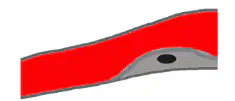
What is the characteristic of an intraplaque hemorrhage?
Oval sonolucent area within the plaque
Irregular calcification
Uniform echogenicity
Smooth surface
unstable lesion , may rupture
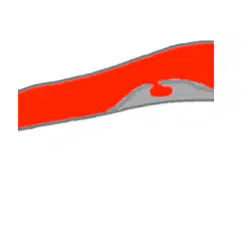
What is the characteristic of an ulcerative plaque?
Crater-like deterioration of the cap
Smooth and elevated surface
may embolize or rupture
Red and itchy surface
flow seen within, unstable
A patient’s carotid ultrasound shows plaque with both hypoechoic and echogenic regions, plus focal calcifications. Which classification is most appropriate based on the mixed appearance?
Fatty streak
Fibrous plaque
Complicated lesion
Ulcerative plaque
What is the most common source of embolism?
A) Heart
B) Lungs
C) Liver
D) Kidneys
A Hollenhorst plaque is best described as which of the following?
Calcified thrombus lodged in the middle cerebral artery
Cholesterol crystals from the carotid that traveled to the retina in the eye
Platelet-fibrin clot originating in the heart and lodging in the lung
Calcium phosphate deposit in the renal artery
Hollenhorst plaque consists of cholesterol crystals from the carotid that travel to which part of the body?
A) Brain
B) Retina
C) Heart
D) Lungs
Thrombosis may come from plaque, trauma, or dissection.
True
False
Which statement about thrombosis is consistent with the material?
It only results from chronic plaque accumulation and never from trauma
It may come from plaque, trauma, or dissection, and an acute total occlusion equals stroke
It is unrelated to dissection and does not cause stroke
It primarily originates from the renal veins and causes pulmonary embolism

In the context of carotid dissection most commonly found by trauma, what is identified as the main danger?
Aneurysm rupture leading to hemorrhage
Thrombosis leading to stroke
Pulmonary embolism
Renal infarction
Which set of features best matches Fibromuscular Dysplasia (FMD) as described?
Inflammatory thickening of the intima in elderly men, proximal ICA, best seen on ultrasound
Overgrowth of collagen in the medial layer in younger women, mid to distal ICA, most likely found on angiogram
Atherosclerotic plaque of the adventitia in older women, distal ECA, best found on CT
Congenital absence of the ICA, proximal segment, best found on MRI
Dysphasia and aphasia indicate involvement of which hemisphere according to dominance, with right-handed individuals typically having which hemisphere dominant?
Non-dominant hemisphere; right hemisphere dominant
Dominant hemisphere; left hemisphere dominant
Non-dominant hemisphere; left hemisphere dominant
Dominant hemisphere; right hemisphere dominant
According to the section, the right internal carotid artery (RT ICA) feeds which hemisphere, and that hemisphere controls which side of the body?
Right hemisphere; right side of the body
Left hemisphere; right side of the body
Right hemisphere; left side of the body
Left hemisphere; left side of the body
A left hemispheric stroke would most likely present with which body symptoms and implicate which vessel?
Left side body symptoms; right ICA
Right side body symptoms; left ICA
Left side body symptoms; left MCA
Right side body symptoms; right MCA
In anterior circulation, lateralizing symptoms help determine which side or hemisphere is affected. Which statement best reflects the vessel-to-brain and vessel-to-body relationships described?
Vessel to brain = OPPOSITE; Vessel to body = SAME
Vessel to brain = SAME; Vessel to body = OPPOSITE
Vessel to brain = SAME; Vessel to body = SAME
Vessel to brain = OPPOSITE; Vessel to body = OPPOSITE
T/F
If the symptoms are seen in a side of the body, it means the problem is on the other side.
true
false
match the anterior circulation
right side feeds =
right hemisphere
right hemisphere controls ?
left side of body
left side feeds=
left hemisphere
left hemisphere controls ?
right side of body
stroke patients with history of trauma( gunshot, stabbing, etc) would have a ____ then ______
dissection, then a thrombosis
stroke, then a thrombosis
thrombosis, then a dissection
none of these
Neointimal hyperplasia is defined as intimal thickening caused by rapid reproduction of _______ and may cause restenosis 6–24 months post endarterectomy seen as a hypoechoic lining inside of vessel.
smooth muscle
plaque
tortuous vessels
carotid body tumor
Which statement best describes the rarity of aneurysm in the carotid system according to the content?
Aneurysm is common in the carotid system
Aneurysm is rare in the carotid system
Aneurysm occurs only in the ECA
Aneurysm is the most frequent cause of stroke
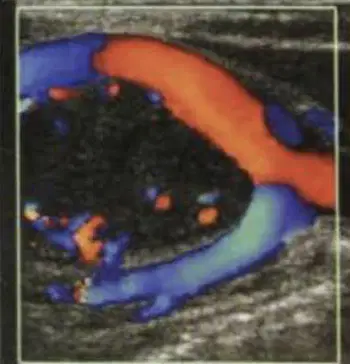
Where is a carotid body tumor typically located, and what vessels feed it?
Within the ICA; fed by the ICA
Between the ICA and ECA; fed by vessels of the ECA
At the carotid siphon; fed by the vertebral artery
In the common carotid artery; fed by both ICA and ECA equally
Aneurysm is rare in which system?
Carotid
Pulmonary
Digestive
Nervous
What is the most common cause of a pulsatile neck mass?
Tortuous vessels
Thyroid nodule
Lymphadenopathy
Carotid body tumor
Carotid body tumor is found between ICA and ECA.
True
False
What does 'Lateralizing' indicate in the context of cerebrovascular insufficiency?
Which side or hemisphere is affected.
The severity of the condition.
The type of treatment required.
The age of onset of symptoms.
Which side of the body would show symptoms if the LT hemisphere is affected?
RT side of body.
LT side of body.
Both sides of body.
Neither side of body.
What is the symptom of unilateral paresis?
Weakness or paralysis.
Numbness in both arms.
Severe headache.
Loss of vision in both eyes.
contralateral vessels
What does unilateral paresthesia/anesthesia cause?
Tingling, numbness. Contralateral vessels.
Headache and dizziness.
Muscle weakness on both sides.
Loss of vision.
What is the cause of temporary blindness in one eye, known as amaurosis fugax?
Comes from ophthalmic. Ipsilateral ICA.
Caused by retinal detachment.
Due to optic neuritis.
Result of cataract formation.
What is homonymous hemianopia?
Loss of vision is half of visual field in both eyes. Stroke of cerebral cortex.
Complete loss of vision in one eye only.
Loss of peripheral vision in both eyes.
Double vision in both eyes.
What are the vessel-specific signs for ICA?
Entire side of body, amaurosis fugax, speech
Headache, dizziness, nausea
Blurred vision, tinnitus, vertigo
Numbness, tingling, weakness
Which set of symptoms best matches an Internal Carotid Artery (ICA) stroke based on the listed vessel specific signs?
Leg weakness, incontinence, loss of coordination
Face and arm weakness, speech and behavior changes
Entire side of body involvement, amaurosis fugax, speech issues
Vertigo and diplopia with bilateral paresthesia
Which set of symptoms best matches an middle cerebral Artery (MCA) stroke based on the listed vessel specific signs?
Leg weakness, incontinence, loss of coordination
Face and arm weakness, speech and behavior changes
Entire side of body involvement, amaurosis fugax, speech issues
Vertigo and diplopia with bilateral paresthesia
A patient presents with leg weakness, incontinence, and loss of coordination. Based on the vessel specific signs provided, which artery territory is most likely affected?
Anterior Cerebral Artery (ACA)
Middle Cerebral Artery (MCA)
Internal Carotid Artery (ICA)
Posterior Cerebral Artery (PCA)
What does MCA stand for in the context of vessel-specific signs?
Middle Cerebral Artery
Main Cerebral Artery
Major Cerebral Artery
Medial Cerebral Artery
what vessel causes behavior changes?
RT MCA
LT MCA
RT ICA
LT ICA
Which vessel is most commonly associated with disease causing stroke?
MCA
ACA
PCA
VA
What is the sensation described by vertigo?
Sensation of moving around. Spinning sensation
Feeling of extreme happiness
Sensation of intense fear
Feeling of deep sadness
What is ataxia characterized by?
Lack of coordination. Poor gait
Excessive sweating
Increased appetite
Improved balance
What does PCA stand for in the context of vascular conditions?
Posterior Cerebral Artery
Pulmonary Circulation Artery
Peripheral Circulation Artery
Primary Carotid Artery
Carotid stenosis diagnostic criteria are based on which parameter, and what caveat is emphasized?
EDV; other conditions cannot mimic stenosis, if no PST= no stenosis
PSV; other conditions may cause elevated PSV without stenosis, if no PST= no stenosis
Peak pressure; turbulence always confirms stenosis, if no PST= no stenosis
Flow volume; only unilateral changes matter, if no PST= no stenosis
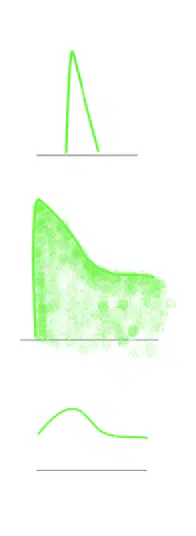
Distal to an obstruction, what waveform changes are typical?
Triphasic waveform with rapid upstroke
Post-stenotic turbulence with rounding of the waveform and slow upstroke
No turbulence with sharp systolic peaks
Increased EDV with narrow spectral window
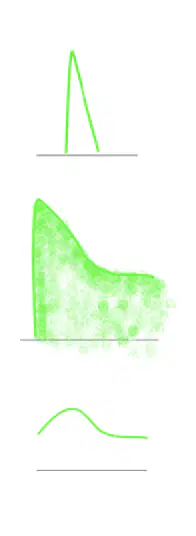
Within a stenosis, which combination of findings is characteristic?
Focal elevation in PSV and EDV with spectral broadening
Reduced PSV and EDV with no turbulence
Only EDV increases without spectral changes
Only spectral broadening without velocity change
Two symptoms associated with vertebrobasilar insufficiency (VBI) are:
Dizziness and vertigo
Headache and fever
Nausea and vomiting
Cough and sore throat
Vertebrobasilar insufficiency (VBI) signs are described as non-lateralizing. Which of the following BEST illustrates this characteristic?
Symptoms occur only on the right side of the body
Symptoms clearly localize to a single hemisphere
No side is known; signs do not indicate a specific side
They always present with unilateral weakness
What are some non-localizing symptoms mentioned in the document?
Headache and dizziness
Fever and chills
Nausea and vomiting
All of the above
the second most common mechanism of cerebrovascular insufficiency. _____ is caused by hypertension , ruptured aneurysm or trauma
hemorrhage
emboli
atherosclerosis
stenosis
_____ abnormal narrowing due to atherosclerosis
stenosis
hemorrhage
vasodilation
vasoconstriction
Organize these options into the right categories

complicated lesion

fibrous lesion/homogenous

fatty streak

ulcerative , crater like
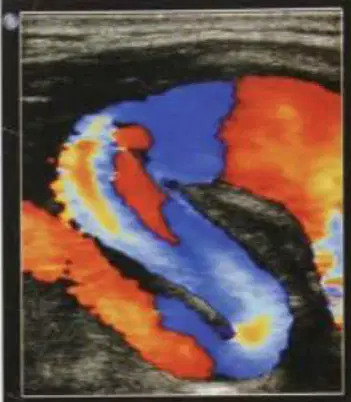
a ____ is the most common cause of a pulsatile mass
tortous vessel
rupture of a vessel
atherosclerosis of vessel
occlusion of a vessel
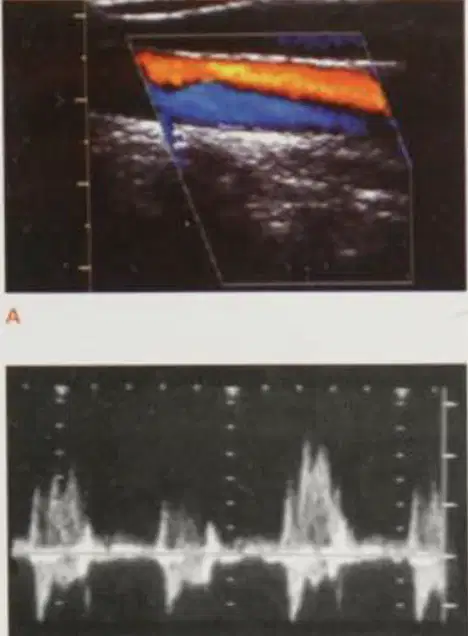
dissection is most commonly caused by trauma causing intimal wall tearing, it can also be due to
Ehlers - danlos syndrome
carotid body tumor
stenosis
atheroslerosis
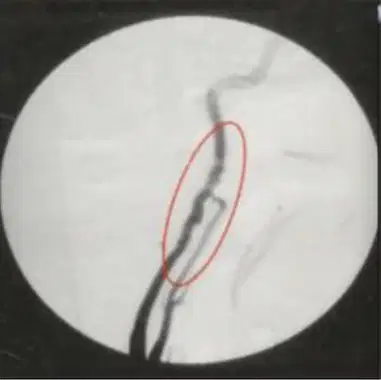
this is an image of
neointimal hyperplasia
atherosclerosis
FMD
dissection
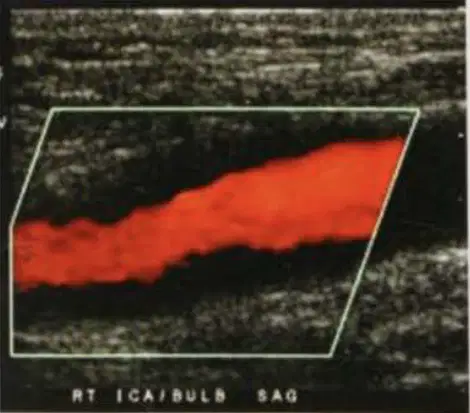
this is an image of ____
neointimal hyperplasia
atherosclerosis
FMD
dissection
Match the following symptoms
impaired speech
dysphasia
inability to speek
aphasia
weakness/slight paralysis unilaterally
unilateral paresis/ hemiperisis
tingling, numbness, lack of feeling on one side of body
unilateral paresthesia/anesthesia
sensation of moving around
vertigo
contralateral weakness/paralysis and numbness
ipsilateral amouros fugax , aphasia , behavior changes
ICA
ACA
PCA
MCA
infarction of the _______ is the most common cause of a stroke
MCA
ECA
CCA
PCA
ICA

This image represents what in the vertebral arteries?
antegrade flow of the vetebral arteries due to subclavian steal
retrograde flow in the anterior cerebral artery due to subclavian steal
retrograde flow in the vertberal arteries due to subclavian steal
within normal limits
What symptoms are felt when experiencing subclavian arteries?
left arm pain
claudication
diminshed pulses
redness
high resistance in the vertebral arteries
Match the following sublcavian disease waveforms

occlusion in sublcavian artery

prox stenosis of subclavian artery

progression of stenosis in subclavian A.

An angiography can show takayasu disease which can also be an autoimmune disorder
true
false

