
 Worksheets
Class Etiquettes
Total questions: 90
Worksheet time: 50mins
The importance of arriving on time to class is:
It shows respect for the teacher and classmates.
It allows you to leave class early.
It means you can skip the first part of the class.
It helps you avoid doing homework.
How should you treat your classmates and teacher?
With respect and kindness
With indifference
With hostility
With superiority
Participating actively in class is important because:
it helps in better understanding and retention of the subject.
it is a requirement for passing the course.
it allows students to make friends.
it is mandatory.
What should you do to avoid distractions during class?
Pay attention to the teacher
Use your phone
Talk to friends
Daydream
How can you stay focused during class?
By taking regular breaks
By using a fidget spinner
By sitting at the back of the class
By paying attention and taking notes
It is important to follow the rules set by your teacher because:
it helps maintain order and discipline in the classroom.
it allows students to do whatever they want.
it makes the teacher happy.
it has no impact on learning.

What does ESG stand for?
Environmental, Social, and Governance
Economic, Social, and Growth
Energy, Sustainability, and Governance
Environmental, Safety, and Growth

Which of the following is a component of the Social aspect in ESG?
A) Climate Change
B) Labour Standards
C) Tax Transparency
D) Resource Use

What is the ESG rating calculated by?
Calculated by cumulating total ESG performance
Based on financial metrics only
Determined by market trends
Assessed through customer feedback
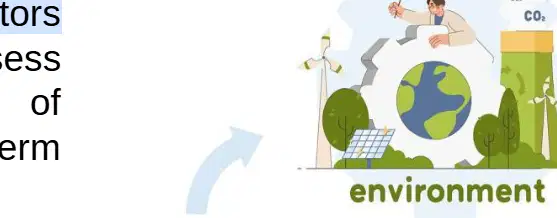
What does ESG stand for?
Environmental
Social
Governance

ESG is important for investors and stakeholders because:
It helps in identifying sustainable and ethical investment opportunities.
It guarantees high returns on investment.
It is a regulatory requirement for all companies.
It focuses solely on financial performance.
Which of the following is a benefit of strong ESG practices?
Short-term profit
Increased risk
Long-term value creation
Decreased reputation

What significant event related to ESG occurred in 1890?
Quaker Friends Fiduciary - No-sin investments
The first Earth Day celebration
The founding of the Sierra Club
The introduction of the Clean Air Act

In what year was the Interfaith Center on Corporate Responsibility founded?
1973
1970
1980
1990

What was detected in 1985 that is related to ESG?
Ozone hole detected
Global warming initiated
Deforestation rates spiked
Carbon emissions peaked

What was the worst oil spill in history that occurred in 1989?
Exxon Valdez spill
Deepwater Horizon spill
Ixtoc I spill
Amoco Cadiz spill

What significant event related to ESG happened in 1990?
First ESG Index Fund - Domini Social Index (now MSCI LD 400 Social index)
Launch of the Global Reporting Initiative (GRI)
Introduction of the Kyoto Protocol
Establishment of the United Nations Framework Convention on Climate Change (UNFCCC)

What scandal occurred in 1996 related to ESG?
Nike sweatshop labor scandal
Enron accounting scandal
Volkswagen emissions scandal
WorldCom financial scandal

What was launched in 2006 with $4T AUM?
UN Principles for Responsible Investment (PRI)
Global Reporting Initiative (GRI)
Sustainable Development Goals (SDGs)
Carbon Disclosure Project (CDP)

What significant event related to ESG occurred in 2015?
UN Sustainable Development Goals (SDGs) launched, Paris Agreement signed by 197 countries, TCFD launched
Kyoto Protocol was adopted
The Green New Deal was proposed
The Global Reporting Initiative (GRI) was established

What pandemic in 2020 accelerated green and social bond issuance?
Global COVID-19 pandemic
Ebola outbreak
SARS epidemic
Zika virus spread

What was launched in 2021 related to sustainable finance?
Sustainable Finance Disclosure Regulations (SFDR)
Green Bond Principles
Climate Bonds Initiative
Equator Principles

What does the term 'sustainability' mean according to the Brundtland Commission in 1987?
Meeting meant to unify countries around sustainable development
Development that meets the needs of the present without compromising the ability of future generations to meet their own needs
A strategy for economic growth without environmental considerations
A focus on short-term economic gains over long-term environmental health

What was the purpose of the South Africa $625B divestiture in 1993?
To protest apartheid
To support apartheid
To increase foreign investment
To stabilize the economy

What project was created in 2000 that started the Global Reporting Initiative (GRI)?
Carbon Disclosure Project (CDP)
Sustainability Accounting Standards Board (SASB)
International Integrated Reporting Council (IIRC)
Task Force on Climate-related Financial Disclosures (TCFD)

Who published an annual letter to CEOs in 2018 urging them to consider long-term value over short-term gains?
BlackRock CEO Larry Fink
Apple CEO Tim Cook
Amazon CEO Jeff Bezos
Microsoft CEO Satya Nadella

What event in 2021 led the SEC to reconvene to discuss climate change disclosures in financial reports?
Winter storm 'Uri' devastates Texas
Hurricane Ida impacts the Gulf Coast
California wildfires reach record levels
Flooding in Germany causes widespread damage
What do environmental criteria consider in terms of a company's performance?
Energy consumption and waste management
Employee satisfaction and turnover
Market share and profitability
Product innovation and design
Which of the following is included in environmental factors?
Energy use
Waste management
Pollution control
All of the above
The focus of environmental factors according to Khan et al., 2016 is:
climate change
biodiversity
pollution
sustainability

Which of the following is a method to achieve environmental sustainability?
Use of green & public transport
Increased fossil fuel consumption
Deforestation
None of the above

What role does international cooperation play in environmental sustainability?
It plays a crucial role in addressing global environmental challenges.
It has no impact on environmental sustainability.
It only benefits developed countries.
It is only necessary for economic reasons.

Which of the following is not a method for environmental sustainability?
Wastewater treatment & Reuse
Ecological restoration & Ecotourism
Behavioral Change in daily life
Increased industrial pollution

The significance of waste recycling & reuse in environmental sustainability is:
It reduces the amount of waste sent to landfills and conserves natural resources.
It increases the amount of waste sent to landfills and depletes natural resources.
It has no impact on the environment.
It is only beneficial for economic reasons.

What is one of the social factors for sustainability in business related to workplace conditions?
Fair Labor Practices
Environmental Regulations
Corporate Governance
Supply Chain Management

Which social factor for sustainability focuses on the well-being of employees?
Health and Safety
Economic Growth
Environmental Protection
Social Equity

What social factor for sustainability involves engaging with the local community?

Which factor emphasizes the importance of equality and diversity in business?
Equality
Diversity
Inclusion

What is the role of public advocacy in social sustainability in business?
To increase profits
To enhance brand image
To promote ethical practices
To reduce costs
What do governance criteria focus on?
Corporate leadership, ethics, and internal controls.
Financial performance and profitability.
Market share and competition.
Product innovation and development.
Which of the following is included in governance factors?
A) Board diversity
B) Executive compensation
C) Shareholder rights
D) All of the above
Governance ensures accountability, ethical conduct, and adherence to what?
Laws and regulations.
Personal opinions.
Market trends.
Technological advancements.
Which of the following is a subject covered under Environmental in ESG?
A) Climate change
B) Labor practices
C) Board composition
Which of the following is a subject covered under Social in ESG?
A) Resource depletion
B) Human rights
C) Executive pay
Which of the following is a subject covered under Governance in ESG?
A) Waste management
B) Customer satisfaction
C) Audits
Climate change is a subject covered under _______ in ESG.
Environmental
Social
Governance
Economic
Fill in the blank: Human rights is a subject covered under _______ in ESG.
Social
Economic
Governance
Environmental
Fill in the blank: Board composition is a subject covered under _______ in ESG.
Governance
Environment
Social
Finance
Which agencies provide ESG ratings?
MSCI, Sustainalytics, and S&P Global
Fitch Ratings, Moody's, and Morningstar
Bloomberg, Reuters, and Dow Jones
Goldman Sachs, JP Morgan, and Barclays
What are ESG ratings based on?
A comprehensive assessment of ESG criteria and company performance
A company's financial performance only
The number of employees in a company
The age of the company
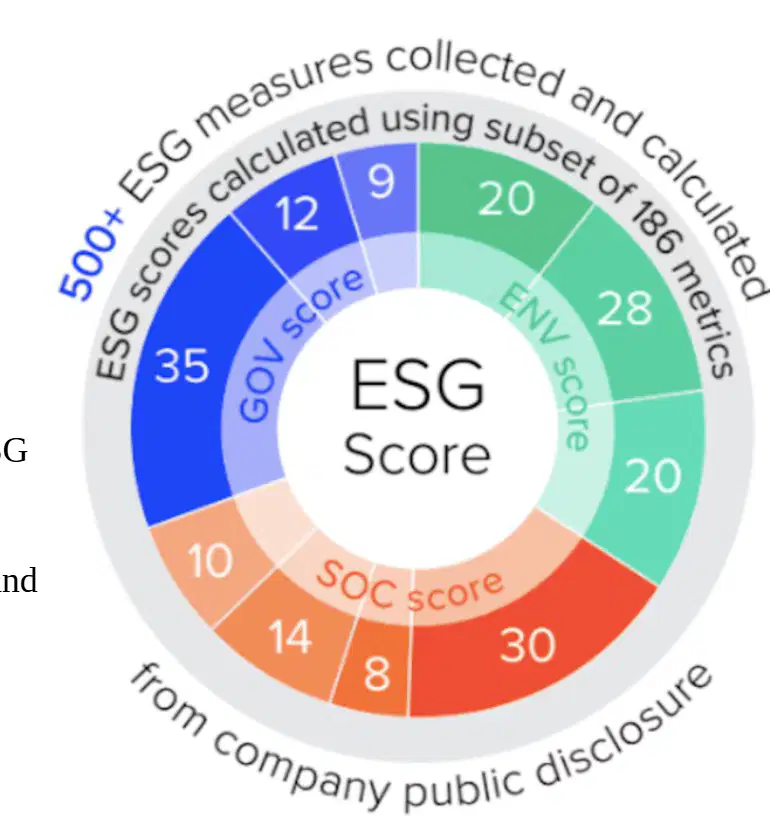
What does the diagram illustrate about ESG scores?
What are ESG ratings derived from?
Publicly available data, company disclosures, and proprietary research.
Social media trends and public opinion polls.
Randomized surveys and focus groups.
Government regulations and legal mandates.
What do rating methodologies generally involve?
Qualitative and quantitative analyses.
Only qualitative analyses.
Only quantitative analyses.
Neither qualitative nor quantitative analyses.
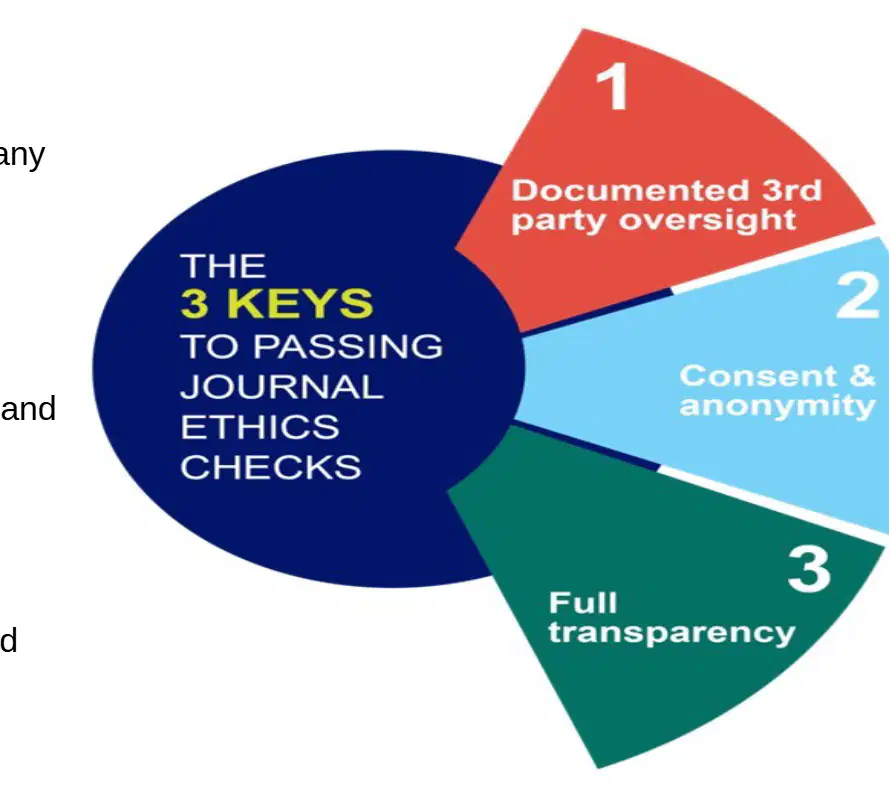
Transparency in methodology is crucial for ESG ratings because:
it ensures accuracy and reliability.
it increases complexity.
it reduces accountability.
it limits stakeholder engagement.

ESG frameworks guide companies in:
financial reporting
environmental, social, and governance practices
marketing strategies
product development

ESG frameworks help investors by providing guidelines for evaluating environmental, social, and governance factors in their investment decisions.
By offering tax incentives for sustainable investments.
By providing guidelines for evaluating environmental, social, and governance factors.
By ensuring guaranteed returns on investments.
By eliminating all investment risks.

ESG frameworks promote:
environmental sustainability, social responsibility, and corporate governance
economic growth and financial stability
technological innovation and advancement
political stability and international relations

What is Sustainable Development Goal 1?
No Poverty
Zero Hunger
Quality Education
Clean Water and Sanitation

What is Sustainable Development Goal 2?
Zero Hunger
Quality Education
Clean Water and Sanitation
Affordable and Clean Energy

What is Sustainable Development Goal 3?
Good Health and Well-being
Quality Education
Affordable and Clean Energy
Decent Work and Economic Growth

What is Sustainable Development Goal 4?
Quality Education
No Poverty
Zero Hunger
Good Health and Well-being

What is Sustainable Development Goal 5?
Gender Equality
Quality Education
Clean Water and Sanitation
Affordable and Clean Energy

What is Sustainable Development Goal 6?
Clean Water and Sanitation
Affordable and Clean Energy
Quality Education
Climate Action

What is Sustainable Development Goal 7?
Affordable and Clean Energy
Quality Education
Zero Hunger
Good Health and Well-being

What is Sustainable Development Goal 8?
Decent Work and Economic Growth
Quality Education
Climate Action
Life Below Water

What is Sustainable Development Goal 9?
Industry, Innovation and Infrastructure
Quality Education
Climate Action
Life Below Water

What is Sustainable Development Goal 10?
Reduced Inequalities
No Poverty
Zero Hunger
Quality Education

What is Sustainable Development Goal 11?
Sustainable Cities and Communities
Affordable and Clean Energy
Quality Education
Climate Action

What is Sustainable Development Goal 12?
Responsible Consumption and Production
Quality Education
Climate Action
Life Below Water

What is Sustainable Development Goal 13?
Climate Action
Quality Education
Affordable and Clean Energy
Life Below Water

What is Sustainable Development Goal 14?
Life Below Water
Life on Land
Quality Education
Affordable and Clean Energy

What is Sustainable Development Goal 15?
Life on Land
Life Below Water
Quality Education
Affordable and Clean Energy

What is Sustainable Development Goal 16?
Peace, Justice and Strong Institutions
Quality Education
Affordable and Clean Energy
Decent Work and Economic Growth

What is Sustainable Development Goal 17?
Partnerships for the Goals
Quality Education
Climate Action
Affordable and Clean Energy
What are companies increasingly doing with their ESG initiatives?
Mapping their ESG initiatives to relevant SDGs.
Ignoring their ESG initiatives.
Focusing solely on profit maximization.
Reducing transparency in reporting.
How does the integration of ESG and SDGs help companies?
It helps in addressing global challenges while achieving business objectives.
It increases operational costs significantly.
It limits the company's growth potential.
It focuses solely on environmental issues.
What does the integration of ESG and SDGs demonstrate according to van Zanten & van Tulder, 2018?
A commitment to contributing to global sustainability and development.
An increase in corporate profits.
A focus on short-term financial gains.
A reduction in environmental regulations.
The 17 Sustainable Development Goals influence the success of business by:
Providing a framework for sustainable practices
Increasing operational costs
Limiting market expansion
Reducing innovation
Who are the authors of the paper titled 'Exploring social origins in the construction of ESG measures'?
A) Eccles, R. G., & Stroehle, J. C.
B) Friede, G., Busch, T., & Bassen, A.
C) Giese, G., Lee, L. E., Melas, D., Nagy, Z., & Nishikawa, L.
In which journal was the paper 'ESG and financial performance: aggregated evidence from more than 2000 empirical studies' published?
Journal of Sustainable Finance & Investment
The Journal of Portfolio Management
The Review of Financial Studies
What is the main topic of the paper by Giese, G., Lee, L. E., Melas, D., Nagy, Z., & Nishikawa, L. published in 2019?
Corporate governance
ESG investing
Sustainability reporting
Which authors discussed 'The state of corporate governance research' in their paper?
A) Bebchuk, L. A., & Weisbach, M. S.
B) Ioannou, I., & Serafeim, G.
C) Khan, M., Serafeim, G., & Yoon, A.
What is the publication year of the paper 'The consequences of mandatory corporate sustainability reporting'?
2010
2012
2016
Which journal published the paper 'Corporate sustainability: First evidence on materiality'?
The Accounting Review
Harvard Business School Research Working Paper
Swiss Finance Institute Research Paper
What is the focus of the paper by Gibson, R., & Krueger, P. published in 2018?
ESG data
Sustainability footprint
Corporate engagement
Who authored the paper 'Four things no one will tell you about ESG data'?
Kotsantonis, S., & Serafeim
S&P Global
Clark, G. L., Feiner, A., & Viehs, M.
What is the title of the paper published by S&P Global in 2020?
A) ESG Evaluation Analytical Approach
B) From the stockholder to the stakeholder
C) Sustainable Development Report 2019
Which university is associated with the paper 'From the stockholder to the stakeholder: How sustainability can drive financial outperformance'?
Oxford University
Harvard University
Birmingham Newman University
What is the main subject of the 'Sustainable Development Report 2019'?
Corporate governance
Sustainable development
ESG measures
Who are the authors of the paper 'Multinational enterprises and the Sustainable Development Goals: An institutional approach to corporate engagement'?
A) Sachs, J. D., Schmidt-Traub, G., Kroll, C., Lafortune, G., & Fuller, G.
B) van Zanten, J. A., & van Tulder, R.
C) Eccles, R. G., & Stroehle, J.

