
Font size
 Worksheets
Unit 5 Review
Total questions: 85
Worksheet time: 2hrs 15mins
Which of the following equations represents the overall chemical reaction for photosynthesis?
6O2+ 6H2O → C6H12O6+ 6O2
C6H12O6 + 6H2O→ 6O2+ 6O2
6CO2+ 6H2O→ C6H12O6+ 6O2
6O2 + 6H2O→ C6H12O6 + 6CO2

Which lettered graph represents the affect of light intensity on photosynthetic rate?
A
B
C
D

Which lettered graph represents the effect of temperature on photosynthetic rate?
A
B
C
D
Explain how temperature affects the process of photosynthesis.
Temperature affects the color of the leaves in photosynthesis.
Temperature affects the amount of water available for photosynthesis.
Temperature affects the size of the plant in photosynthesis.
Temperature affects the rate of enzyme activity in photosynthesis.
Explain how the concentration of carbon dioxide affects the rate of photosynthesis.
The rate of photosynthesis increases with higher concentrations of carbon dioxide.
The rate of photosynthesis is only affected by the concentration of water.
The rate of photosynthesis is not affected by the concentration of carbon dioxide.
The rate of photosynthesis decreases with higher concentrations of carbon dioxide.

Which lettered graph represents the effect of carbon dioxide gas on photosynthetic rate?
A
B
C
D
The location in which photosynthesis takes place; uses light energy to make food(glucose)
chloroplast
vein
stem
roots
the green pigment found inside the chloroplast in the cells of the leaves
Chlorophyll
Chlorine
Stomata
Food Coloring
What two things are the product (end result) of photosynthesis?
Oxygen
Glucose
Chloroplasts
Carbon Dioxide

What statement is true?
CO2 levels in ecosystems increase during the day, because more photosynthesis is occurring.
CO2 levels in ecosystems decrease during the day, because more photosynthesis is occurring.
CO2 levels in ecosystems decrease during the day, because less photosynthesis is occurring.
CO2 levels in ecosystems increase during the day, because less photosynthesis is occurring.
What statement is true?
O2 levels in ecosystems increase during the day, because more photosynthesis is occurring.
O2 levels in ecosystems increase during the day, because less photosynthesis is occurring.
O2 levels in ecosystems decrease during the day, because more photosynthesis is occurring
O2 levels in ecosystems decrease during the day, because less photosynthesis is occurring.

What goes at letter A?
light
light reactions
Calvin cycle
photosynthesis
What goes at letter K?
oxygen
water
carbon dioxide
sugars
What goes at letter C?
oxygen
water
carbon dioxide
sugars
What goes at letter B?
oxygen
water
carbon dioxide
sugars
What goes at letter L?
oxygen
water
carbon dioxide
sugars
Which of the following processes does NOT move carbon to the atmosphere?
Animal respiration (Breathing)
Volcanic eruption
Photosynthesis
Burning fossil fuels
Why is burning fossil fuels harmful?
they cause cancer
They can get extremely hot
it increases the amount of carbon dioxide in the atmosphere
this would destroy fossils
Which is an example of a carbon sink?


If the plant population decreased, the amount of carbon dioxide in the atmosphere would _________.
Stay the same
Increase
Decrease
Too much phosphorus in waterways (rivers, lakes) can lead to___________.
eutrophication
Nothing
Death
diseases

In general, algal blooms occur when
toxins accumulate in shellfish.
nutrients decrease in the water.
nutrients increase in the water.
water runoff
What converts nitrogen gas into a usable form for plants and animals?
bacteria
rain
fungi
car exhaust
Where can nitrogen fixing bacteria be found (2 right answers)
Free living in the soil
under the leaves of flowering plants
in the atmosphere
living on the nodules of certain plants
What is the role of decomposing bacteria in the nitrogen cycle?
change Nitrogen gas into Nitrate
Return the nitrogen compounds to the soil
Turn nitrogen into water
Turn nitrate into nitrogen gas


flooding from rivers and streams


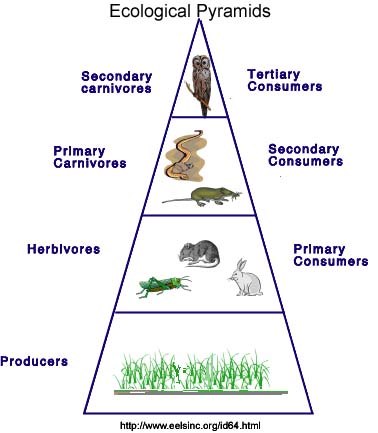

If there are 100 Kcal of energy available in the producers, how much energy would be available in the primary consumers?
10 Kcal
1 Kcal
100 Kcal
1000 Kcal


As you work your way up the energy pyramid, what happens to the energy?
It increases
It decreases
It stays the same
Nothing
What is an Abiotic Factor?
A NON-living factor that can affect an ecosystem
A living factor that can affect an ecosystem
The carrying capacity of an ecosystem
What is a Biotic Factor?
The carrying capacity of an ecosystem
A NON-living factor that can affect an ecosystem
A living factor that can affect an ecosystem
What is a limiting factor?
Factors that always increase a population
Factors that always decrease a population
Resources that are unlimited
Factors/resources that limit how many organisms can live in an area at the same time
Name the type of limiting factor and type of relationship
Since lynx prey on hares, an increase in the hare population causes an increase in the lynx population.
Density-Dependent: Parasitism
Density-Independent: Competition
Density-Dependent: Predator-Prey
Density-Independent: Predator-Prey
A severe flood in the Red River Valley causes a decline in the deer population. What type of limiting factor does the flood represent?
Density-Dependent
Density-Independent
Due to stress from lack of space, large numbers of female lemmings miscarry their young and fail to reproduce.
Density-Dependent
Density-Independent
Many fish die due to a change in the winds and the appearance of the El Nino ocean current off the coast of Peru and Chile.
Density-Dependent
Density-Independent

Which of the following is a density-dependent limiting factor?
human activities
unusual weather
competition
natural disaster
Which of the following are density dependent factors?
competition for resources
predation
disease
natural disasters

Which statement best describes the predator-prey relationship displayed on this graph?
There is no relationship between the predator and prey.
When the prey population increases, the predator population decreases.
When the prey population increases, the predator population increases.
when the predator population increases, the prey population increases.

What type of growth is demonstrated in the graph?
Exponential
Carrying capacity
Linear
Negative
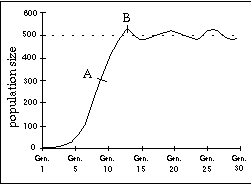
What is the carrying capacity of the graph?
around 500
more than 800
less than 300
around 700

What is the carrying capacity for this sheep population?
2.0 million
1.6 million
1.0 million
0.5 million
Which two things increase a population size
Birth and emigration
Death and immigration
Birth and Immigration
Death and emigration
Which two things decrease a population size?
Birth and emigration
Death and immigration
Birth and immigration
Death and emigration

Using the food web what would happen if the eagle became extinct?
The frog population would decrease.
The frog population would increase.
The butterfly population would increase.
The snake population would decrease.

Which of the following would be the most likely effect, if there were a sudden increase in the cricket population?
There would be a decrease in the small bird population.
There would be a decrease in the grass/flowers population.
There would be a decrease in the mice population.
There would be an increase in the grass/flowers population.
What is a stable ecological community that has reached equilibrium called? This ecosystem will have a high amount of biodiversity.
ecological succession
climax community
secondary succession
pioneer species
What type of succession occurs after an event like a forest fire?
primary succession
secondary succession
both
What process starts with bare/barren rock followed by lichen?
primary succession
secondary succession
both types of succession
Which would result in primary succession?
Volcano destroying habitat leaving only soil and ash
Tornado destroying a crop leaving very little soil
Glacier retreating exposing bare rock
Hurricane knocking down trees and power lines
Which statement is true?
Primary succession starts with NO soil, Secondary succession starts WITH soil
Primary succession starts WITH soil, Secondary succession starts with no soil

Natural disasters such as fires, flooding and tornadoes are linked to ________________.
primary
secondary
old field
ecosystem


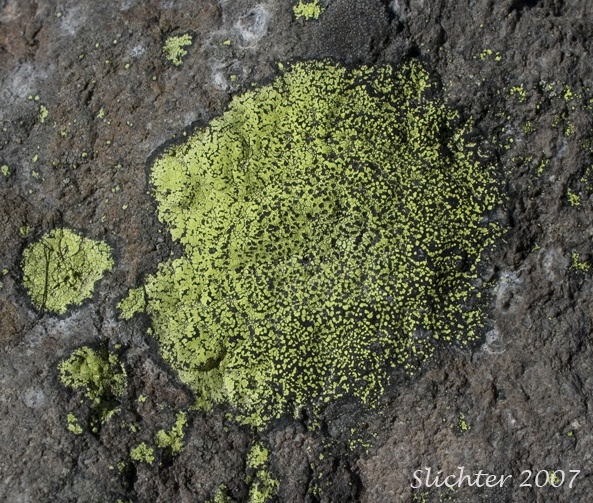


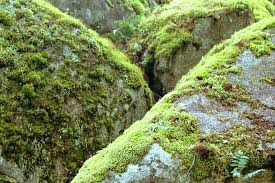
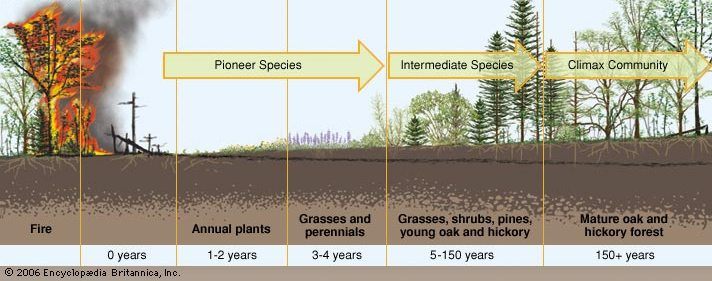

The sequence A through E represents stages of ecological succession. Which diagram(s) shows the pioneer species
A & B
B & C
C & D
D & E

1. Biomass is the amount of living material present in an environment. Biodiversity refers to the variety of living things that are present in an ecosystem. Which of the following would you expect to occur over time as ecological succession moves forward?
increases in both biomass and biodiversity
decreases in both biomass and biodiversity
increases in biomass, but decreases in biodiversity
decreases in biomass, but increases in biodiversity

