
 Worksheets
ATS Radical Reactions Revision
Total questions: 89
Worksheet time: 4hrs 51mins
An element is made up of ___ ____ __ ____
(a)

This is an example of a
Element
Compound
Mixture
Boiling water is an example of
Physical Change
Chemical Change
Either Physical or Chemical Change
Burning/Fire is always a sign of
Physical Change
Chemical Change
Either Physical or Chemical Change
What type of change is more easily reversed?
Physical Change
Chemical Change
If a substance changes temperature (when it is not being heated or cooled) this is a
Physical Change
Chemical Change
Either Physical or Chemical Change
Which change describes a substance that changes shape, form, or appearance but is still the same substance?
physical change
chemical change
What happens when a new substance is produced during a reaction?
chemical change
physical change
Endothermic
The reaction absorbs energy from the surroundings
Exothermic
The reaction releases energy to the surroundings
Catalyst
Increases the rate of a reaction by reducing the required activation energy
Activation Energy
The amount of energy needed to get a reaction to start

Select all the reactants


What is underlined in the chemical equation below?
Na + Cl ---> NaCl
Products
Reactants
In the chemical equation below, the product is....
Na + Cl ---> NaCl
Na
NaCL
Cl
NaCl

Select all the Reactants


Select all the reactants
A product is a new compound or molecule
True
False
A reactant is always on the right
False
True


What is the Law of Conservation of Mass?
Mass is created in a chemical reaction
Mass is created in a physical change
New chemicals formed from a chemical reaction have a larger overall mass than the original reactants
Mass is never created or destroyed
In reaction A +B --> C, reactants A + B have a total mass of 9g. What is the mass of product C?
4g
5g
9g
14g
In reaction A +B --> C, reactant A has a mass of 4g and product C has a mass of 9g. What is the mass of reactant B
4g
5g
9g
14g
In reaction A +B --> C, reactant B has a mass of 9g and product C has a mass of 14g. What is the mass of reactant A?
4g
5g
9g
14g
24 g of magnesium reacts with 38 g of fluorine to produce ______ g of magnesium fluoride
14
24
38
62
7 g of hydrogen reacts with 17 g of oxygen to produce ______ g of water
14
24
38
62
12.67 g of Carbon reacts with 25.33 g of oxygen to produce ______ g of Carbon Dioxide
14
24
38
62
How many sulfur atoms must be present in the products after a reaction between the following reactants: 2SO2 +2H2O2
2
3
4
8
How many Hydrogen atoms must be present in the products after a reaction between the following reactants: 2SO2 +2H2O2
2
3
4
8
Al + O2 --> 2Al2O3
_CH4 + _O2 --> _CO2 + _H2O
Balance this equation, CaCO3(s) → CaO(s) + CO2(g)?
3,1,2
1,1,1
1,3,1
2,6,3
2H2 + O2 --> 2H2O
2H2 + O2 --> 2H2O
_Mg + _Cl2 --> _MgCl2
According to the Law of Conservation of mass the mass of the _________ must equal the mass of the _________.
compounds, mixtures
reactants, products
elements, chemicals
substances, destroyed
To balance the following equation, what coefficient should be in front of the Ag2O ?
____ Ag2O 🡪 ____ Ag + ____ O2
1
2
3
4
_ H2 + O2 -> 2 H2O
N2 +3 H2 --> 2NH3
In an endothermic reaction, heat is ...
taken in
given out
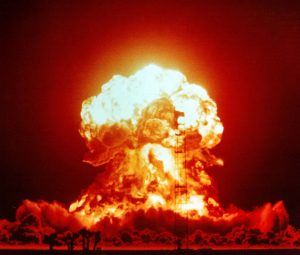
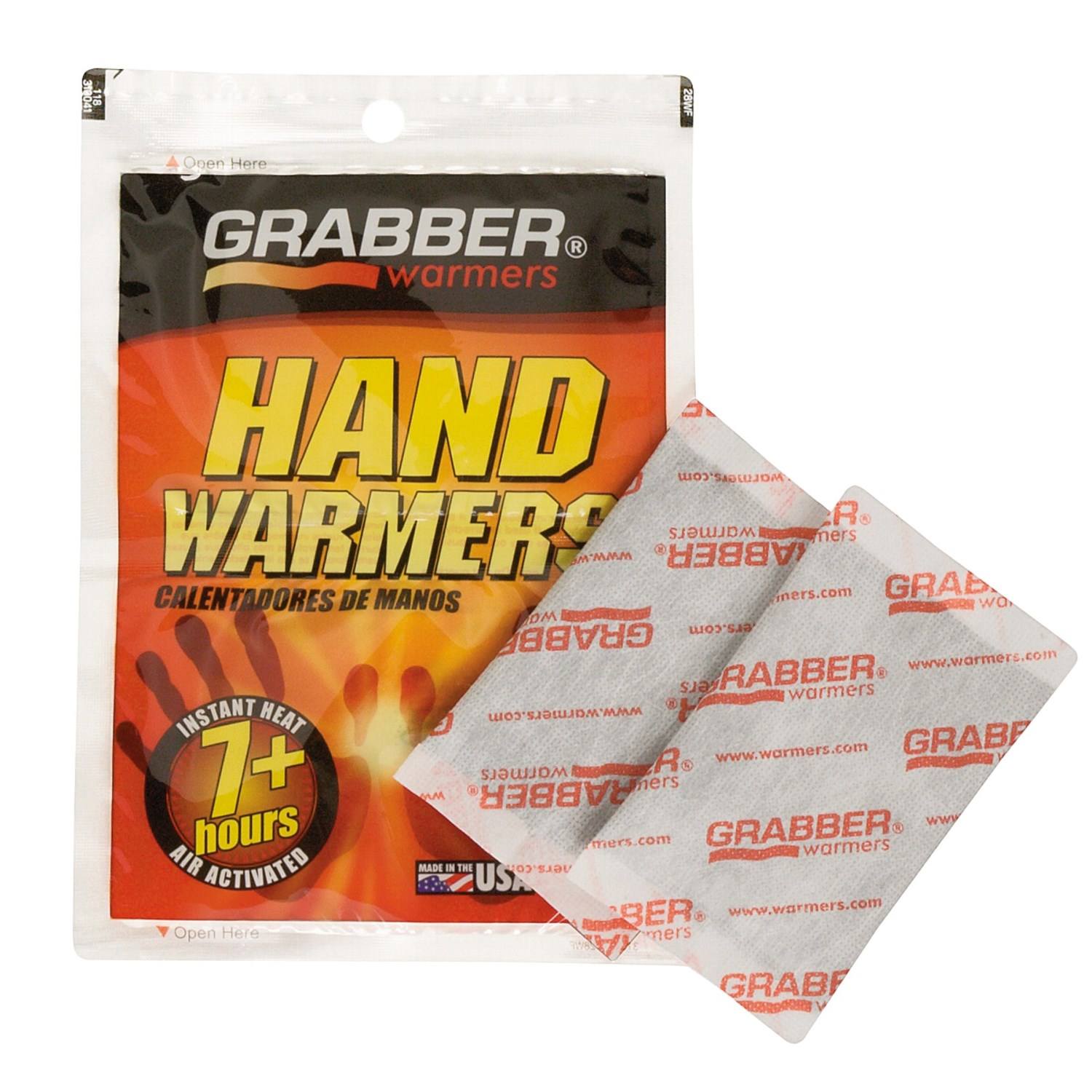
What type of reaction occurs in a hand warmer?
exothermic
endothermic
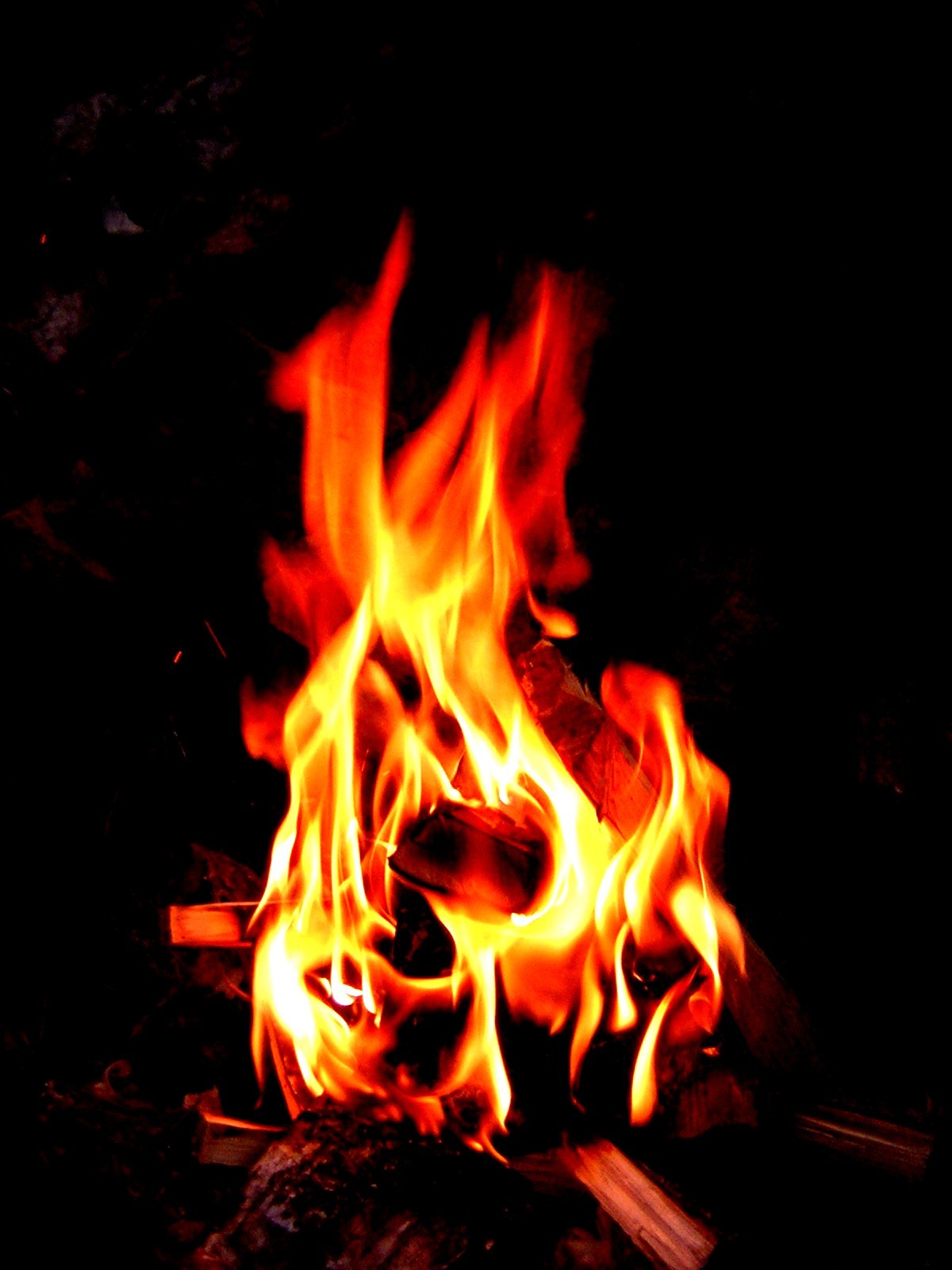
_____ reactions usually feel hot!
endothermic
exothermic
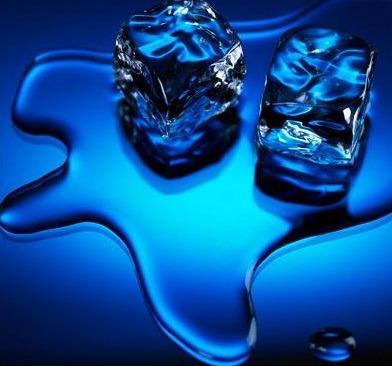
____ reactions usually feel cold.
endothermic
exothermic
What does catalyst do to a reaction?
Slows down the reaction
Nothing changes
Speeds up the reaction
What do you call the energy that is required to start a reaction?
Alternative energy
Activation energy
Atmospheric energy
Which of the following is a sign that a chemical reaction has occurred?
change in shape
melting
there was colour change
dissolving
The initial temperature was measured to be 20oC and the final temperature was 45oC. The reaction was
exothermic
endothermic
The initial temperature was measured to be 20oC and the final temperature was 10oC. The reaction was
exothermic
endothermic
The required energy to start a reaction is called...
initiation energy
starting energy
activation energy
key energy
How does a catalyst work in speeding up a reaction?
By lowering the activation energy or reaction
by giving them more energy
by making them more available
A substance that increases the rate of a reaction without being used up during the reaction is called a
catalyst
product
reactant
solute
What is the name given to a catalyst in the human body?
Biology
Catalyst
Chemical
Enzyme
The minimum amount of energy needed for colliding particles to react is called the
Chemical Energy
Kinetic Energy
Activation Energy
Potential Energy
Which of these elements is unlikely to be found in a pure form?
gold
platinum
aluminium
silver
Which of these metals is most likely to be found locked in an ore?
silver
gold
potassium
platinum
What does it mean by extraction of metals?
the process of determining which metal to extract based on reactivity series of metals
the process to separate metals from non-metals from
their ores
the process to obtain metals such as iron from
their ores
the process to get rid of metals such as iron
What is the method of extraction for metals higher than
carbon in the reactivity series of metals?
reduction of metal oxides
by carbon
electrolysis
oxidation of metal oxides
by carbon
direct heating of the
metallic compounds

Magnesium chloride + Sodium → ?
Sodium chloride + Magnesium
Magnesium chloride + Sodium (No change)
Sodium magnesium + Chlorine
Magnesium sodium chloride
Why are aluminium and copper used in electrical wires?
More affordable than silver
Excellent conductivity
Low resistance
High densisty
What is the relative formula mass (RFM or Mr) of water (H₂O)?
18
20
16
17
19
Calculate the RFM of carbon dioxide (CO₂)
(a)
What is the relative formula mass of hydrated magnesium sulphate, MgSO4.7H2O?
[Relative atomic mass : H = 1, O = 16, Mg = 24 , S = 32]
145
150
239
246
Calculate the relative molecular mass for HCl .
[RAM: H = 1; Cl = 35.5]
37.5
36.5
34.5
Find the relative formula mass of Na2CO3 .
[RAM; C = 12; O = 16; Na = 23]83
90
106
What is the relative formula mass of ammonium nitrate, NH4NO3?
[Relative atomic mass: N = 14; H = 1; O = 16]
76
79
80
90
Actual yield = 62g
Calculate the percent yield.
Actual yield = 62g
Calculate the percent yield.
The theoretical yield of a reaction is 237 grams, but the reaction actually yields 26 less grams than expected. What is the percent yield?
17.6%
82.4%
89.0%
121.3%

