
 Worksheets
Semester Practice Final Exam
Total questions: 118
Worksheet time: 2hrs 39mins
(a) is a large standing body of salt water.
Pond
River
(a) is a large standing body of fresh water.
Pond
River
The concentration of toxins in an organism increase as a result of its ingesting other plants or animals in which the toxins contained. The higher on the food chain, the higher the concentration of toxins.
Biomagnification
Biomodification
Biotixification
Most ocean pollution comes from
oil spills.
wrecked cargo ships.
land activities.
A water shed is an area of land drained by a river system. What is the largest watershed in the world?
Mississippi River Watershed
Amazon River Watershed
Ob River Watershed
Flint River Watershed
A water shed is an area of land drained by a river system. What is the largest watershed in the United States?
Mississippi River Watershed
Amazon River Watershed
Ob River Watershed
Flint River Watershed
A water shed is an area of land drained by a river system. What the name of the water shed that Newnan is part of?
Mississippi River Watershed
Amazon River Watershed
Ob River Watershed
Flint River Watershed
Water that comes out of the faucet or water hose is known as:
tap water
sludge
runoff
Ground water, rivers, lakes, precipitation, and glaciers are all
Sources of salt water
sources of fresh water
known as aquifers
Dams and levees
How much of the earth's freshwater is surface water? (rivers, lakes, streams, etc.)
less then 1%
30%
10%
100%
How much of the earth's water is ocean water?
less than 1%
10%
30%
97%
What is groundwater's storage in the permeable layer of soil and rock? (water below ground)
Quarries
Ponds
Dams
Aquifers
Groundwater can be polluted by septic tanks that are not taken care of and overflow.
True
False
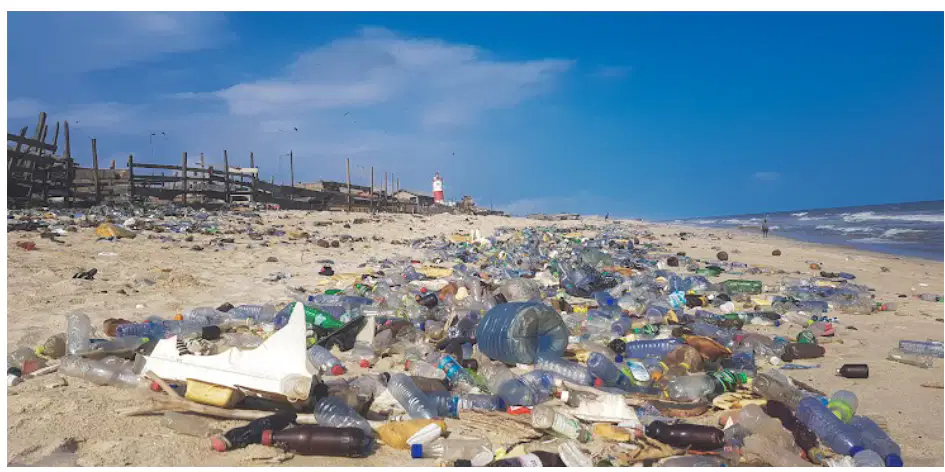
Mico plastics, microscopic water pollution, is a collection of large "floatables" in lakes and oceans.
True
False
Point source pollution is:
Pollution that randomly appears from different locations
Water pollution that originates from one source
Pollution that points in one direction
Nonpoint source pollution is:
Water pollution that points to the same origin location
Water pollution that comes from multiple different sources
Pollution that doesn't point in any direction
Which term is used to describe an area of land with over 1,500 residents living there? We call them cities.
Urban
Rural
National Park
Wilderness Preserve
Which term is used to describe an area of land with less than 1,500 residents living there? We might refer to it as the countryside.
Urban
Rural
National Park
Wilderness Preserve
Which of the following is an example of how people use land?
to preserve native species
to grow crops
to harvest wood
all of these
The rapid spread of a city into surrounding areas is known as:
Land Cover
Urban Sprawl
Deforestation
Greenbelts
Which of the following are types of RURAL LAND?
Cities
Farmland
Forests
Wilderness
Heat islands affect local
traffic patterns
weather patterns
water levels.
harvest patterns.
What is deforestation?
allowing more animals to graze on the land than it can support
selectively cutting trees for lumber, making sure the forest remains healthy
cutting and removal of forest
Traffic jams, substandard housing, and polluted air and water can be caused by rapid growth in cities, a phenomenon known as
infrastructure.
urbanization.
urban crisis.
Where do most Americans live?
in rural areas
in urban areas
Which of the following has resulted from urban sprawl?
loss of farmland
suburbs
traffic congestion
all of these.
Which of the following is true of land-use plans?
The public often has input in land-use plans.
Developers must prepare detailed reports assessing the environmental impact of their projects.
Projects in environmentally sensitive areas may be debated.
All of these.
Why is it important to preserve farmland?
Farmland moderates the temperature of urban areas.
Farmland provides crops and fruits to support urban and rural populations.
Farmland provides an important oxygen source for urban areas.
All of these.
Land used to grow plants for food and fiber
rangeland
farmland
forest land
urban land
Which of the following has not resulted from urban sprawl?
suburbs
loss of farmland
overgrazing
traffic congestion
This type of land use allows pesticides to get into our soil, which often end up in our water supply.
Forestry
Agriculture
Mining
Urbanization
What is an invasive species?
A native (naturally found) species which are added to an area.
A keystone species in an environment
A non-native (not naturally found) species added to an area.
A beaver holds a very important role in its ecosystem and is essential to the health of that ecosystem. It is an example of a(n)
keystone species
exotic species
endangered species
threatened species
An endangered species is
an organism brought to a place where it has not lived before.
a species in danger of extinction.
a species growing on public land.
a species that has disappeared entirely.
A threatened species is
an organism brought to a place where it has not lived before.
a species likely to become endangered.
a species growing on public land.
a species that has disappeared entirely.
An extinct species is
an organism brought to a place where it has not lived before.
a species likely to become endangered.
a species growing on public land.
a species that has disappeared entirely.
Formosan termites were brought to the United States from China in packing crates. These are an example of
native species.
invasive species
keystone species
endangered species
Honey creepers, only found in the Hawaiian Islands, are an example of a(n)
native species.
invasive species
keystone species
endangered species
How can zoos, botanic gardens, and wildlife parks help save species?
by preserving threatened species from destruction.
by participating in captive breeding programs.
by educating the public about the issues and how they can help.
all of these.
The Amazon rain forest, and other equatorial habitats, an example of a habitat with a high species diversity known as a(n) __________
Biodiversity
Poaching
Biodiversity Hotspot
Mass Extinction
Select the three (3) Levels of biodiversity. Check all that apply.
Population Diversity
Genetic Diversity
Ecosystem Diversity
Species Diversity
The major human causes of extinction today are:
polluting
introducing non-native species
hunting
destroying habitats
ALL OF THESE!!!
A stable ecosystem typically has high biodiversity.
True
False
High biodiversity is:
having a lot of variety of different organisms.
having a lot of the same organism.
having a few of the same organism.
only having one of each organism.
Currently sharks are on a rapid decline due to overfishing. If sharks go extinct will this affect the biodiversity of the ocean?
No, sharks are not important.
Yes, it will disrupt the entire food chain in the ocean.
No, sharks will only affect the seal populations.
Yes, but only a little.
The variety of different species in a biological community
ecosystem diversity
genetic diversity
species diversity
extinction
Which of the following are problems associated with landfills?
source reduction and composting
surface impoundment and leachate
leachate and methane production
All of these
Which items make up the largest percentage of waste produced by households and businesses?
paper products
aluminum cans
plastic bottles and packaging
yard waste, such as grass clippings and tree limbs
The process of composting
has little potential to conserve landfill space.
is always carried out in city-run facilities.
could effectively handle a variety of wastes.
The methane found in landfills is a gas that
may be captured and used to produce energy.
is a greenhouse gas
all of these.
What are the 3 R's of Waste Management?
Reduce, Reuse, Recycle
Redistribute, Reduce, Recycle
Reproduce, Reduce, Recycle
Most municipal solid waste in the United States will end up in a(n) _____
recycling center
waterway
landfill
The best way to reduce waste is for consumers to...
recycle more clothing.
buy less and reuse more.
buy only what is needed.
Which item should you NOT put in your compost pile?
food scraps
wood chips
leaves
plastic
What is the collection of materials that can be broken down and reprocessed to make new items?
composting
leachate
incineration
recycling
What is waste?
everything that no longer has a use or purpose and needs to be disposed of
are unwanted or unusable materials
trash
all of these
Which of the following is an example of natural waste?
Aluminum cans
Fallen leaves
Glass bottles
Food wrappers
Which of the following items is considered man-made waste?
Torn clothing
Animal manure
Feathers from birds
Antlers that have fallen off moose
What is biodegradable waste?
Waste that is toxic and harmful to the environment.
Waste that is recycled into new products.
Waste that comes from nature and breaks down quickly.
Which of the following is NOT an example of biodegradable waste?
Plastic bags
Egg shells
Coffee grounds
Orange peels
What is the primary cause of habitat destruction?
Natural disasters
Climate change
Human activities
Animal migration
Which of the following is a consequence of deforestation?
Soil erosion
More wildlife habitats
Improved air quality
Increased biodiversity
What is the term for species that are only found in one specific geographic location?
Endemic species
Extinct species
Invasive species
Keystone species

Most of the freshwater around the world is used for ________.
residential areas
Choose all of the following uses of freshwater.
agricultural
personal
industrial
meteorlogical
Fresh water has
High salinity
low salt content
medium salinity
no salt content
Which of the following is a consequence of deforestation?
Improved air quality
Increased biodiversity
Decrease in carbon dioxide levels
Loss of habitat for species
What is the term for the introduction of harmful substances into the environment?
Conservation
Pollution
Recycling
Composting

Any change in water quality that can harm living organisms or make the water unfit for human uses such as drinking, irrigation, and recreation is called (a)

What definition BEST describes a watershed?
An area where water infiltrates the soil
An area where aquatic plants and animals thrive
An area where snow melts and changes into liquid water
An area that collects precipitation and drains it to the lowest point


The number one use of freshwater in America is
irrigation
swimming pools
household use
construction
Where most freshwater is found in _________.
Groundwater
Lakes
Glaciers
Sea water
What percent of water on earth is FRESH WATER?
97%
3%
Pollution that comes from all over the place
Point-source
Nonpoint-source
Cannot easily be traced to the source of the pollution.
Point Source Pollution
Non-point source pollution
Can be traced back to the point of origin.
Point Source Pollution
Non-point source pollution

A ship carrying gasoline runs into shore and spills large amount of gasoline.
Point
Non-Point

Disposing of paint and other household hazardous materials down the drain
Point
Non-Point

Acid Rain
Point
Non-Point
Accumulation of pollutants at successive levels of the food chain.
water pollution
thermal pollution
biomagnification
artificial eutrophication
How does the expansion of urban development into rural areas affect natural populations in the environment?
Resources available to the natural populations will decrease.
The biodiversity of the natural populations will increase.
The amount of area available to producers will increase.
Death rates of the natural populations will decrease.
Which term is used to describe low density, automobile-dependent community development that is associated with land use that has a negative impact?
urban coalition
urban homesteading
urban planning
urban sprawl
land used to grow plants for food and fiber
rangeland
forest land
farmland
urban land
land used for houses, businesses, industry and roads
rangeland
farmland
parks and preserves
urban land
land used for growing and harvesting wood, and harvesting wildlife, fish, nuts, and other resources
rangeland
forest land
urban land
farm land
What is reforestation?
¿Qué es la reforestación?
planting trees
plantando árboles
destroying trees
destruyendo árboles
visiting the forest
visitando el bosque
reducing forests
reduciendo bosques

This picture shows... (Esta imagen muestra...)
deforestation
reforestation
What does high species diversity indicate?
A healthy ecosystem with a wide variety of species coexisting.
A lack of competition among species.
An ecosystem that is prone to diseases.
A decrease in the number of species present.
Why is genetic diversity important?
It allows species to adapt and survive environmental changes.
It increases the population size of a species.
It reduces competition among species.
It enhances the aesthetic value of ecosystems.
How does pollution affect biodiversity?
Pollution can enhance habitats and promote species diversity.
Pollution can degrade habitats, harm species, and reduce biodiversity by creating unsuitable living conditions.
Pollution has no significant impact on biodiversity.
Pollution only affects terrestrial species, not aquatic ones.
What is biodiversity?
The variety of life in a particular habitat or ecosystem, including the number of different species.
The total number of organisms in a specific area.
The study of how species interact with each other.
The process of evolution in different species.
What is an invasive species?
A species that is native to a specific habitat.
A non-native species that spreads widely in a new habitat, often causing harm to native species and ecosystems.
A species that is endangered and protected by law.
A species that has been introduced for agricultural purposes.
What are the advantages of biodiversity to humans?
Biodiversity provides medical uses, recreational opportunities, and industrial resources.
Biodiversity leads to increased pollution and environmental degradation.
Biodiversity reduces the availability of natural resources.
Biodiversity has no significant impact on human life.
What is the role of keystone species in an ecosystem?
They are the most abundant species in an ecosystem.
They play a critical role in maintaining the structure of an ecosystem, influencing the types and numbers of other species.
They are always the largest species in an ecosystem.
They have no significant impact on the ecosystem.
The level of biodiversity that involves a variety of habits and communities is _____ diversity.
ecosystem
population
genetic
species
What level of biodiversity is most commonly equated with the overall concept of biodiversity?
genetic
ecosystem
species
population
Biodiversity, aka biological diversity, usually refers to
the same species in a general location
the number of different species in a given area
the number of animal species in a given area
the number of plant species in a given area
What is animal poaching?
Protecting animals
The illegal hunting of certain animals
Making medicine
All if the above
Solid wastes generated by households and commercial establishments end up in___________
Landfills
Incineration
Waste Compaction
Composting
Which of the following is a method of Waste disposal
Landfill
Vermicomposting
Biogas Generation
All of these
Landfills are also known as?
Dustbin
House Area
Garbage dump or dumping ground
Restricted area
Discarded solid material is best known as -
solid waste
poison
pollutant
compost
How much solid waste is produced per day per person in the US?
4.4 pounds
4.4 tons
4.4 grams
4.4 ounces
A material that can be broken down by biological processes is considered -
nonbiodegradable
biodegradable
Products made from synthetic materials, such as polyester, plastic, and parts of electronics (E-waste), are -
nonbiodegradable
biodegradable
One problem with landfills is the liquid that forms when water seeps down through a landfill and collects dissolved chemicals from decomposing garbage. This is called -
ash
sediment
sludge
leachates
An additional problem with landfills is that decomposing organic waste may produce the highly flammable gas -
methane
oxygen
carbon dioxide
ozone
Yard waste, vegetable and fruit trimmings are -
nonbiodegradable
biodegradable
Nature’s process of recycling organic material by decomposing it into a soil-like material to fertilize soil is called -
burying
reusing
incinerating
composting
What are the benefits of composting?
Reduces waste going to landfills.
Provides nutrients to the soil.
All of the mentioned.
Reduces the need for fertilizers and pesticides.
What are some ways you can reduce the amount of waste you produce?
[Select 3 that apply]
Reuse materials
recycle
compost
Put them in the garbage can
What are some benefits of reducing solid waste?
[select 3 that apply]
To reduce amount of solid waste delivered to the landfills.
To reduce amount of solid waste delivered to the incinerators.
To reduce amount of amount of pollution.
To increase costs.
Which of the following is NOT a way to reduce solid waste going to a landfill or incinerator?
Reuse
Recycle
Compost
Disposal
We can (a) waste by buying reusing cups, bags and containers.
We can (b) aluminum cans, paper and motor oil.
We can (c) cell phones and rechargeable batteries.
We can (d) vegetable & fruit peelings, yard trimmings, shredded paper.

